What a Conveyor Equipment Idler Does
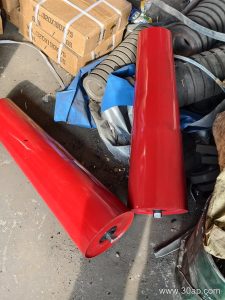
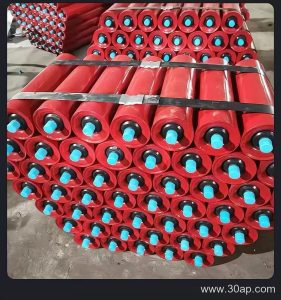
A conveyor equipment idler is the rotating component that supports the conveyor belt along its carrying and return runs. In a quarry, coal mine, or cement plant, these rollers keep the belt tracking smoothly while carrying bulk material. The idler roller assembly usually includes a steel shell, bearing housing, shaft, and seals. When paired with a conveyor bracket, the idler forms a support station that can be adjusted for alignment and belt training.
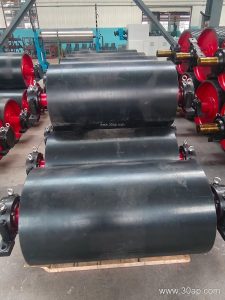
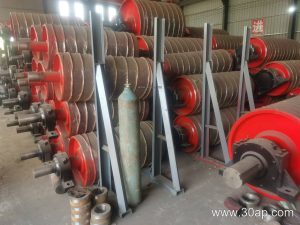
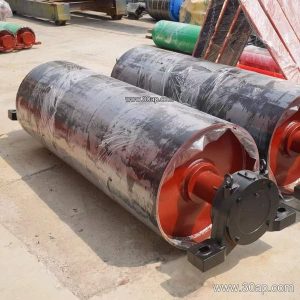
Idlers are not interchangeable with conveyor pulleys. A drive pulley, tail pulley, and bend pulley serve different functions at the ends or bends of the conveyor, while idlers support the belt between those points. Understanding this distinction helps buyers specify the right components for a new conveyor or a replacement program.
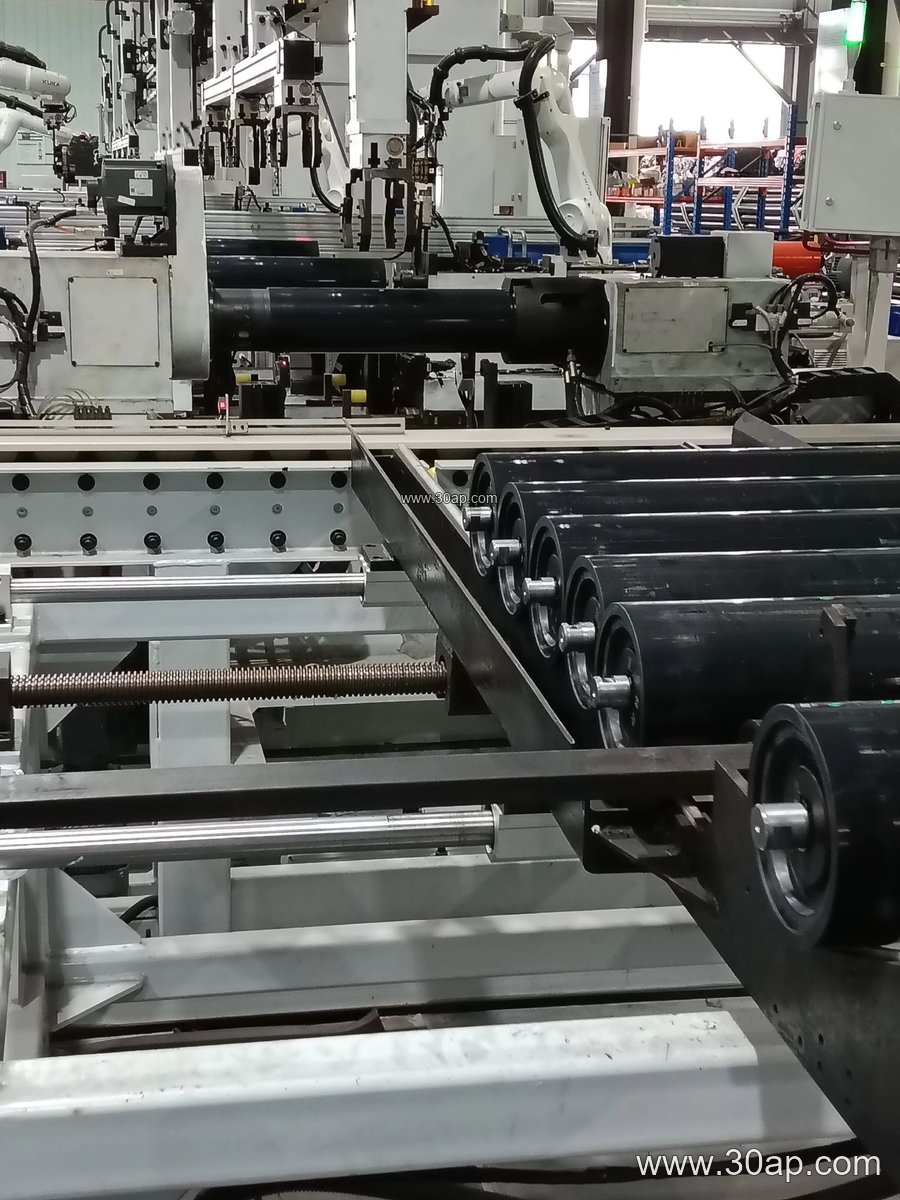
Construction and Common Configurations
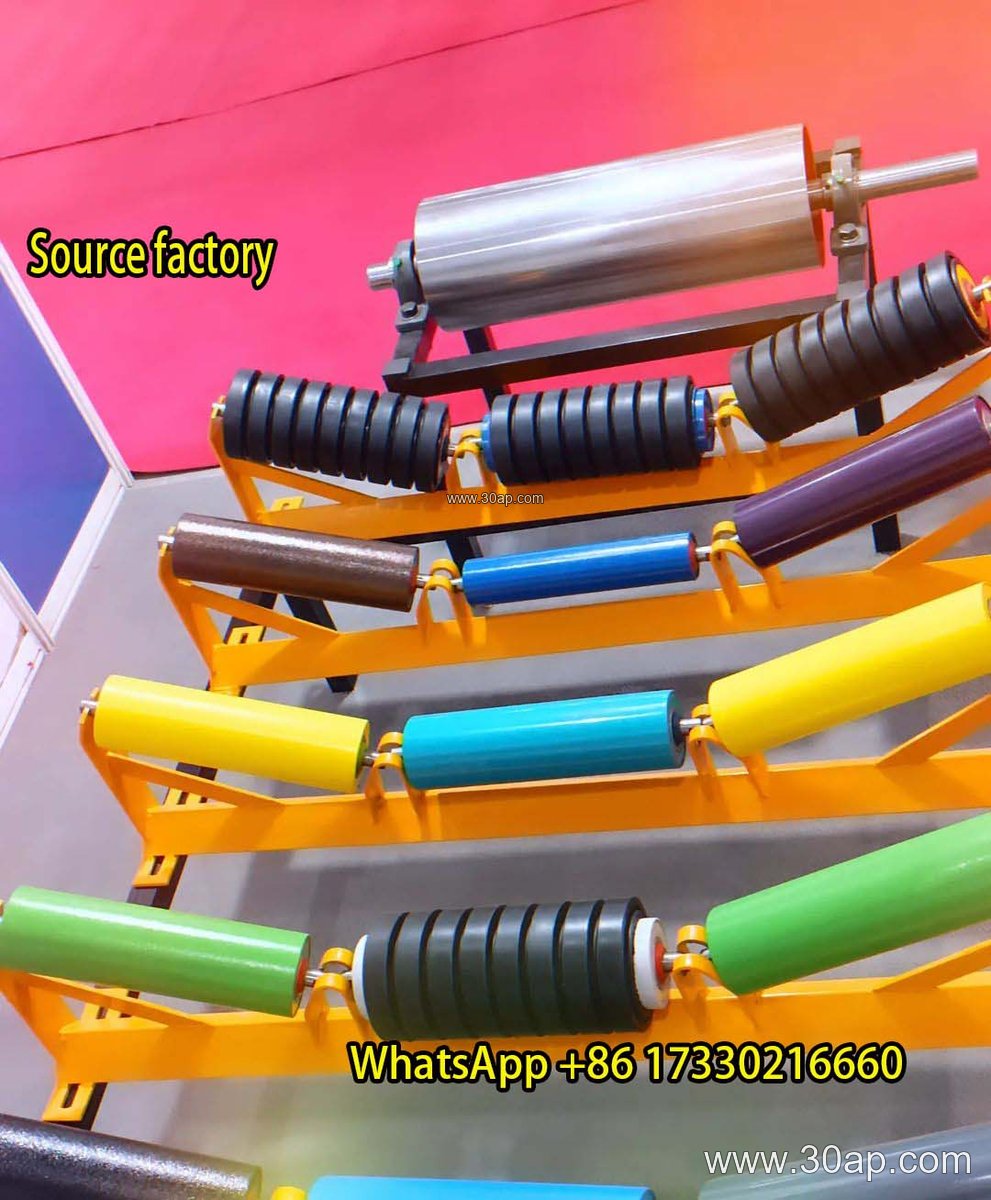
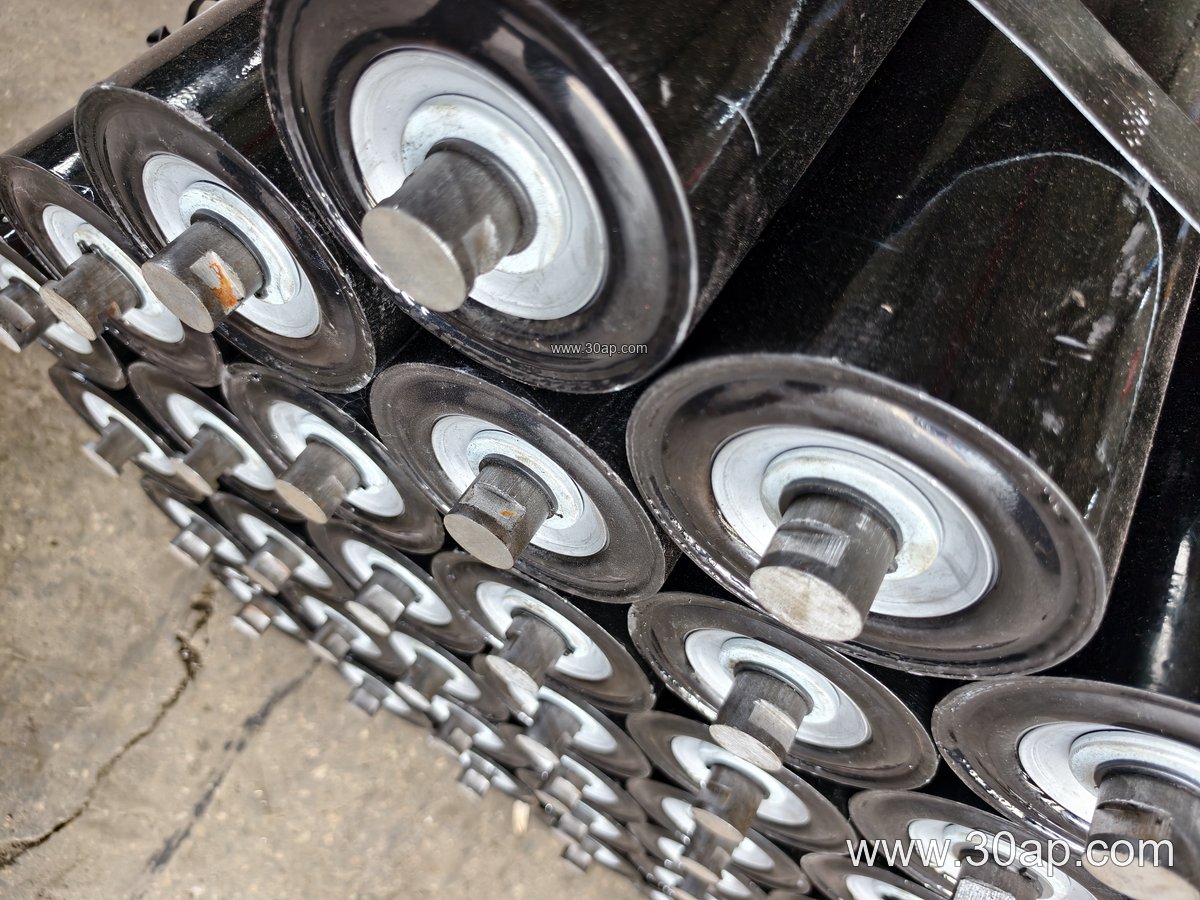
Most idler rollers use a steel tube shell with pressed bearing housings at each end. The shaft is fixed, and the shell rotates on bearings sealed against dust and moisture. Roller surfaces may be plain steel, nylon, ceramic, or rubber rings for impact and noise reduction. Bearing sizes such as 6204, 6205, 6305, 6306, 6308, and 6310 are common, but the bearing is selected according to load, speed, and roller diameter rather than belt width alone.
Troughing idler sets carry the loaded belt and are often supplied as two-roll or three-roll assemblies. A three-roll troughing set with 30-degree or 35-degree trough angle is typical in aggregate and mining conveyors. Return idlers support the empty belt, and V-return or flat return designs are common. Impact idlers with rubber rings are used at transfer points below a crusher or screen. Training idlers, including friction and tapered types, help correct belt misalignment. The table below shows common reference dimensions; actual selection depends on the conveyor design.
| Idler Type | Common Roller Diameter (mm) | Typical Belt Width Range (mm) | Common Bearing Example |
|---|---|---|---|
| Troughing idler (3-roll) | Ø89, Ø102, Ø108, Ø127, Ø133 | B500 to B1400 | 6205, 6305, 6306 |
| Return idler (flat or V) | Ø89, Ø102, Ø108, Ø127 | B500 to B1200 | 6205, 6305 |
| Impact idler with rubber rings | Ø108, Ø127, Ø133, Ø159 | B650 to B1600 | 6306, 6308 |
| Training idler (friction or tapered) | Ø89, Ø108, Ø133 | B650 to B1400 | 6205, 6305 |
Roller length varies with belt width, trough angle, and idler arrangement. For example, a three-roll troughing set may use a center roll length of about 200 mm for B500, 315 mm for B800, or 465 mm for B1200. Side rolls can differ from the center roll, so these values are reference examples rather than fixed rules. The conveyor belt width and the material load determine the idler spacing and roll dimensions together.
Where Idlers Are Used
In a limestone quarry or sand and gravel line, troughing idlers support an abrasion resistant conveyor belt moving crushed stone from the crusher to the screen. In a coal mining operation, flame retardant conveyor belt and idlers work together underground, where dust and moisture demand well-sealed bearings. A cement plant uses idlers on clinker and raw material conveyors, while a power plant coal handling system relies on them for continuous fuel transport. The same idler roller design appears in port loading conveyors and steel plant sinter lines, with surface and bearing choices adjusted to the environment.
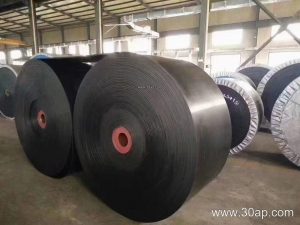
For heavy-duty mining conveyor belts, including steel cord conveyor belt and high strength conveyor belt constructions, idler frames and rollers must match the belt load and speed. A fabric core conveyor belt such as EP conveyor belt or NN conveyor belt may run on similar idler stations but with different tension and tracking behavior. The idler selection should follow the belt specification, not the other way around.
Buyer Checklist for Conveyor Equipment Idlers
- Confirm the belt width, trough angle, and idler arrangement (single roll, two-roll, or three-roll).
- Check the required roller diameter and shaft size against the conveyor frame and bracket dimensions.
- Match the bearing and seal type to the environment: dusty quarry, wet coal mine, or high-temperature cement plant.
- Select the roller surface for the duty: plain steel for general service, rubber rings for impact, or ceramic for abrasive carryback.
- Review the idler spacing and load rating with the conveyor designer rather than assuming one spacing for every belt.
- For replacement, verify the existing conveyor bracket hole pattern and overall roller length before ordering.
Maintenance matters as much as initial selection. Seized idlers can damage the conveyor belt and increase power demand. Periodic inspection of roller rotation, seal condition, and frame alignment helps avoid unplanned downtime. In dusty operations, keeping the idler station clean and checking training idlers after belt tracking adjustments can extend service life. Buyers should request dimensional drawings and material specifications from the supplier, especially when idlers will be used with an endless conveyor belt or a corrugated sidewall conveyor belt where clearance is tight.
Whether the project is a small aggregate conveyor or a long overland system with a steel cord conveyor belt, the conveyor equipment idler remains a key wear component. Choosing the right roller diameter, bearing, and surface for the application keeps the belt running centered and reduces maintenance in quarry, mining, cement, and power plant operations.