What an Abrasion Resistant Conveyor Belt Is
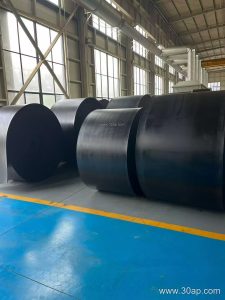
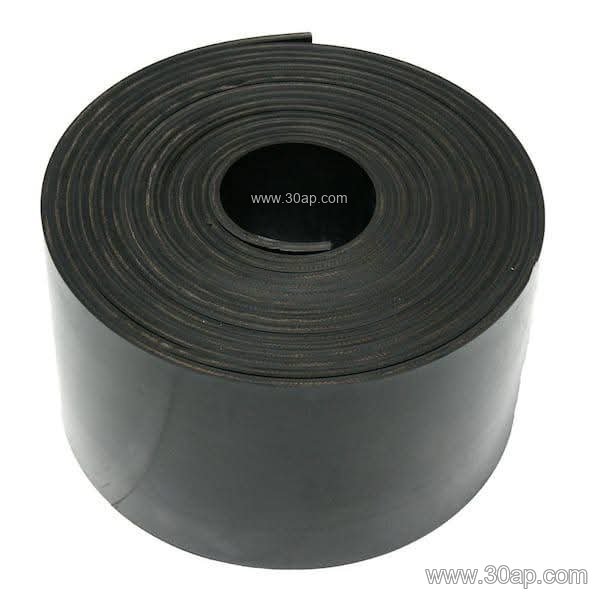
An abrasion resistant conveyor belt is a rubber conveyor belt engineered to resist surface wear when it carries sharp, hard, or fast-moving bulk materials. In mines, quarries, cement plants, power stations, and sand and gravel yards, the belt surface is constantly scrubbed by rock, clinker, coke, or ore. A standard belt may fail early in such duty, while an abrasion resistant conveyor belt uses a tougher cover compound to keep the carcass protected for longer.
The product is also called a wear resistant rubber conveyor belt or high abrasion resistant conveyor belt. These are equivalent names for the same product family, not different belt types. The wear resistance comes mainly from the cover rubber, while the tensile strength comes from the carcass.
How the Belt Is Built
A typical construction has three parts: the top cover, the carcass, and the bottom cover. The top cover faces the material and takes the wear. The bottom cover runs over the idler roller and the conveyor pulley. The carcass carries the load and may be fabric core or steel cord.
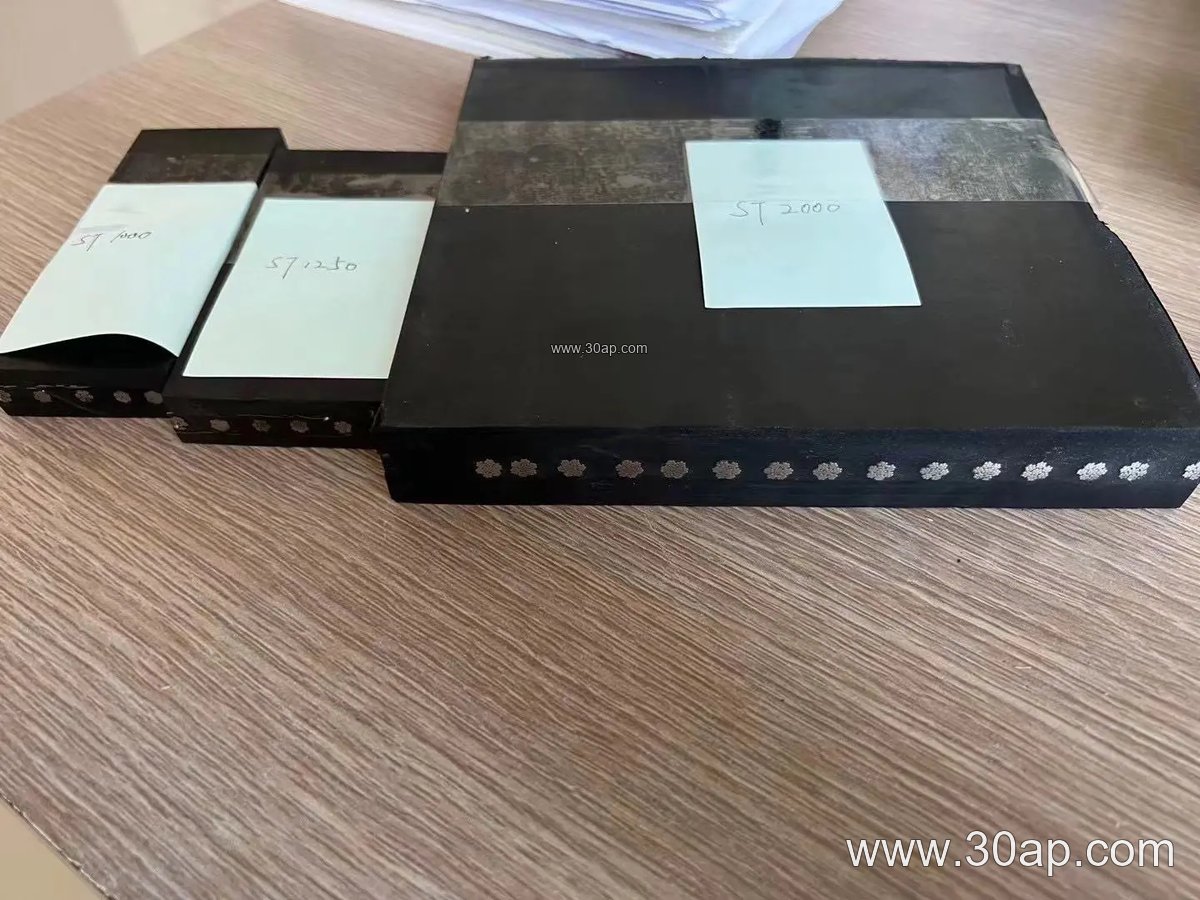
Common carcass options include EP Conveyor Belt fabric, NN Conveyor Belt fabric, and Steel Cord Conveyor Belt construction. A Multi-Ply Fabric Core Conveyor Belt with two to six plies is widely used in primary and secondary crushing lines, while steel cord designs suit long runs and high tension. Cover thickness is usually given as top plus bottom, for example 4+2 mm, 5+2 mm, 6+2 mm, or 8+3 mm. Thicker covers generally give more wear life, but they also add weight and stiffness.
Reference data for orientation
The values below are common reference ranges, not fixed supply promises. Actual choice depends on the conveyor design, material lump size, drop height, and loading conditions.
| Item | Common reference values |
|---|---|
| Fabric strength grades | EP200, EP315, EP400, EP500, EP630, EP800, EP1000, EP1250, EP1600, EP2000 |
| Belt width | B500, B650, B800, B1000, B1200, B1400, B1600, B1800, B2000 |
| Cover thickness | 3+1.5, 4+2, 5+2, 6+2, 8+3 mm |
| Carcass plies | 2 to 6 layers for fabric core |
Belt width and pulley diameter are matched by conveyor design, not by a single rule. A wider belt does not automatically require one specific pulley size, and shaft diameter is calculated from the actual load case.
Where It Works Best
The main fields are mining, coal preparation, cement, electric power, steel, ports, and aggregate production. A Mining Conveyor Belt in an iron ore or copper ore line often needs strong wear resistance because the ore is hard and angular. A Quarry Conveyor Belt or Crusher Conveyor Belt handles blasted rock and crushed stone with high impact and sliding wear. In a cement plant, the belt may carry limestone, clinker, or gypsum, and the cover must resist both abrasion and heat in some positions.
Other duties are handled by other belt types. A Heat Resistant Conveyor Belt is chosen for hot clinker or sinter, a Flame Retardant Conveyor Belt or Fire Resistant Conveyor Belt for underground coal mining, and an Oil Resistant Conveyor Belt for oily materials. These are separate constructions and should not be treated as replacements for the abrasion resistant belt when the main problem is wear.
Installation and Maintenance Notes
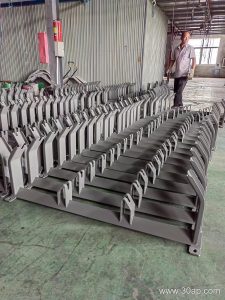
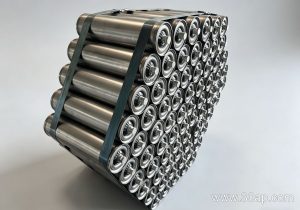
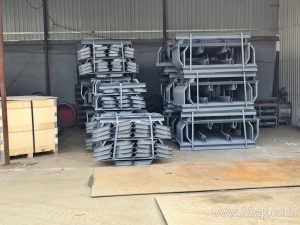
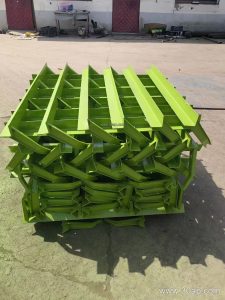
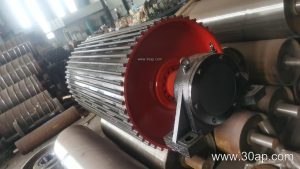
Good alignment protects the cover and the carcass. Check that the conveyor pulley, idler roller, and conveyor bracket are square and secure, and keep the belt tracking centered. Material should be loaded near the belt center, and transfer chutes should be adjusted to reduce drop height and impact. Spillage trapped under the belt can grind the bottom cover quickly.
Inspect edges, splices, and cover thickness at regular intervals. A worn cover exposes the carcass, and once fabric or steel cord is visible, repair or replacement should be planned. Store spare belts away from sunlight, oil, and sharp objects, and avoid tight bending beyond the supplier recommendation.
What Buyers Should Check
- Material type, lump size, and drop height, since these drive wear and impact.
- Required tensile grade, such as EP630, EP1000, or EP1600, and the number of plies.
- Cover thickness and hardness, matched to the duty rather than chosen by habit.
- Belt width from B650 to B2000 and the actual conveyor layout, including pulley and idler roller positions.
- Whether flame retardant, anti-static, heat, or oil resistance is also needed.
- Splice method and edge condition, because these affect service life.
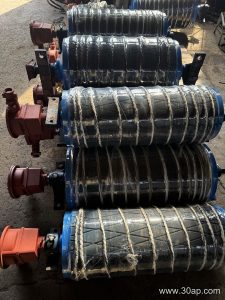
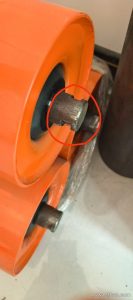
A wear resistant rubber conveyor belt is only one part of the system. The conveyor pulley, idler roller, and conveyor bracket all influence how long the belt lasts. Buyers who share full operating details usually receive a better matched belt. For more information on abrasion resistant conveyor belts and related conveyor components, visit the product pages at abrasionresistantconveyorbelt.com and review the technical data before ordering.