What a 1600mm Diameter Conveyor Pulley Is
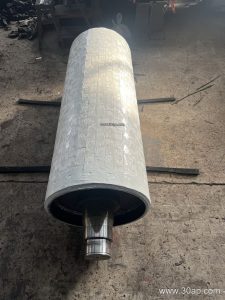
A 1600mm diameter conveyor pulley is a large-diameter drum used at the head, tail, or take-up position of a wide, high-capacity belt conveyor. In English, the same item is often called a 1600mm belt conveyor pulley or a Ø1600 conveyor drum. The large diameter is chosen for high belt tension, thick belts, and long center distances, where a smaller drum would over-stress the belt carcass.
It is a single, specific size class. Drive pulleys, tail pulleys, and bend pulleys are not interchangeable, so a 1600mm drum is specified by its duty position, not only by its diameter.
Construction and Surface Options
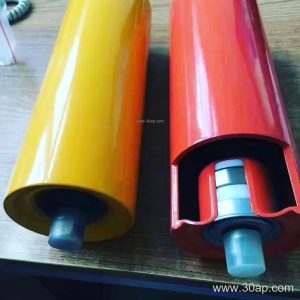
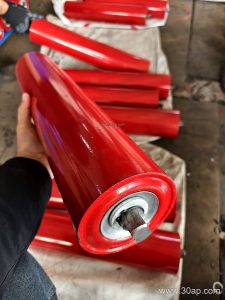
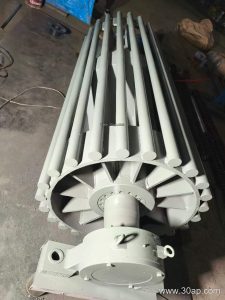
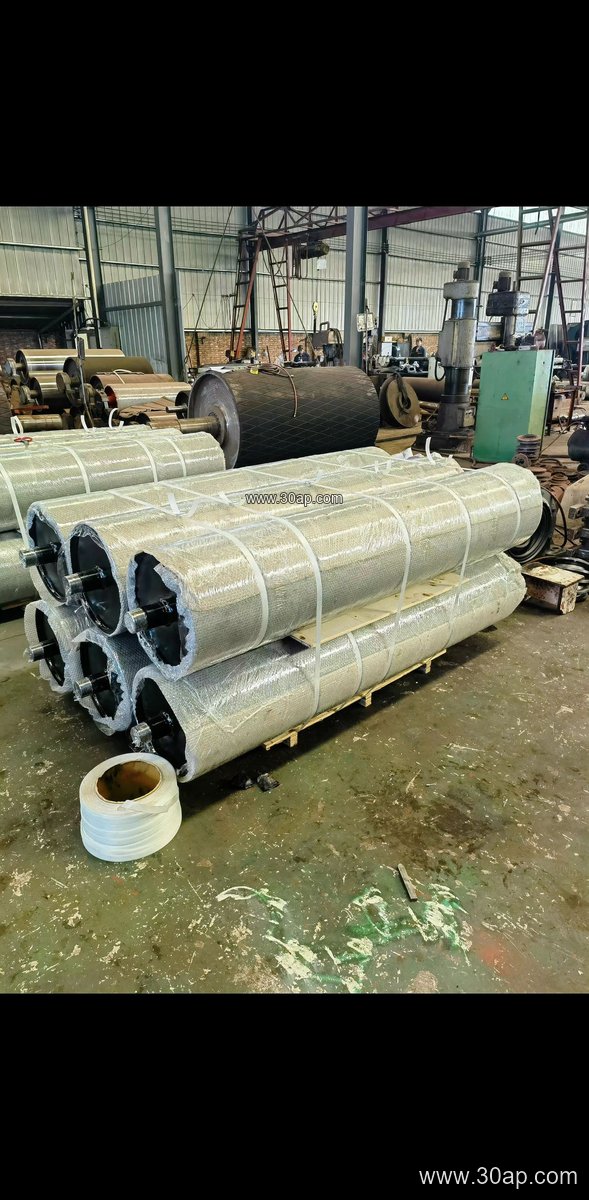
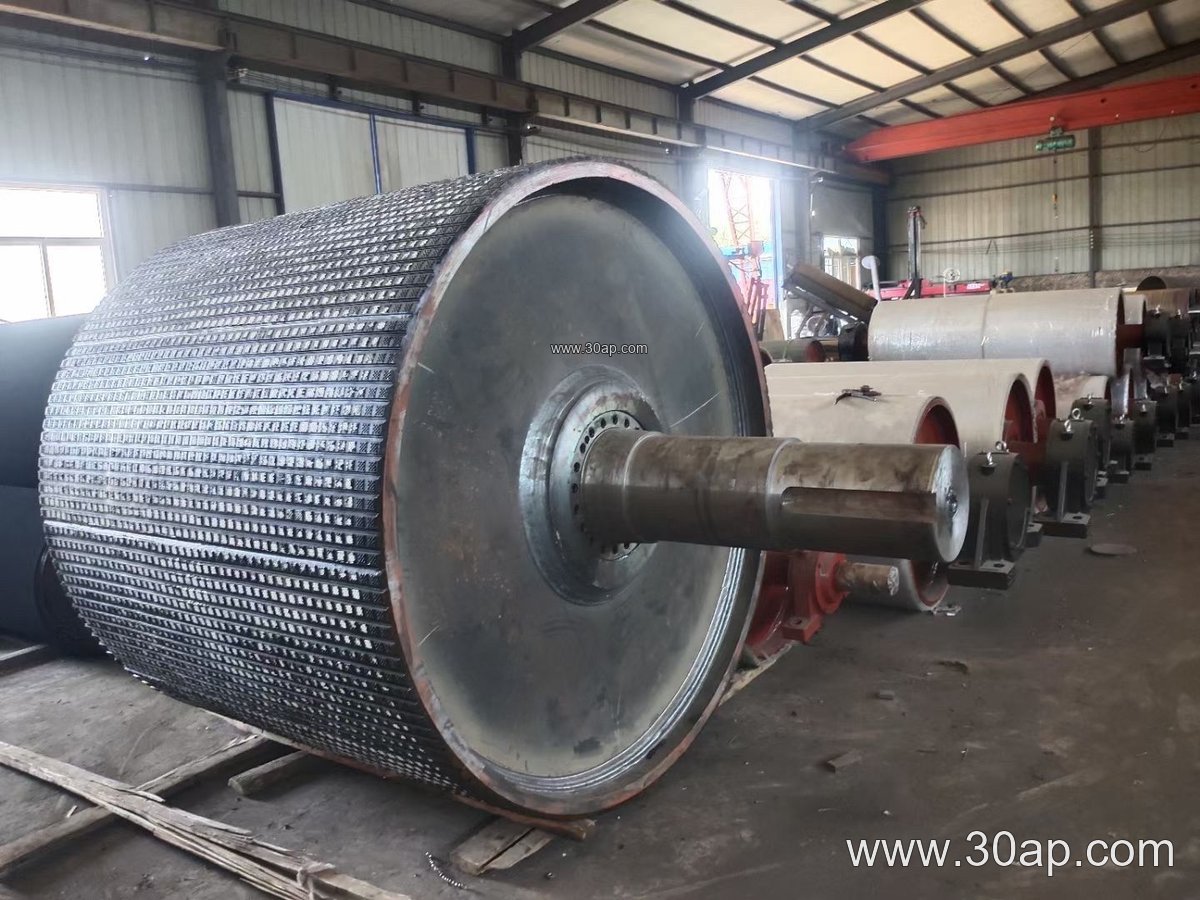
Most units are welded steel drums with a shaft, hub, and bearing housings. Common surface forms include plain finish, cast rubber, cold-bonded rubber, hot-vulcanized rubber, diamond grooving, herringbone grooving, and ceramic lagging. Lagging thickness is often 8, 10, 12, 15, or 20mm, selected with the belt and the material handled.
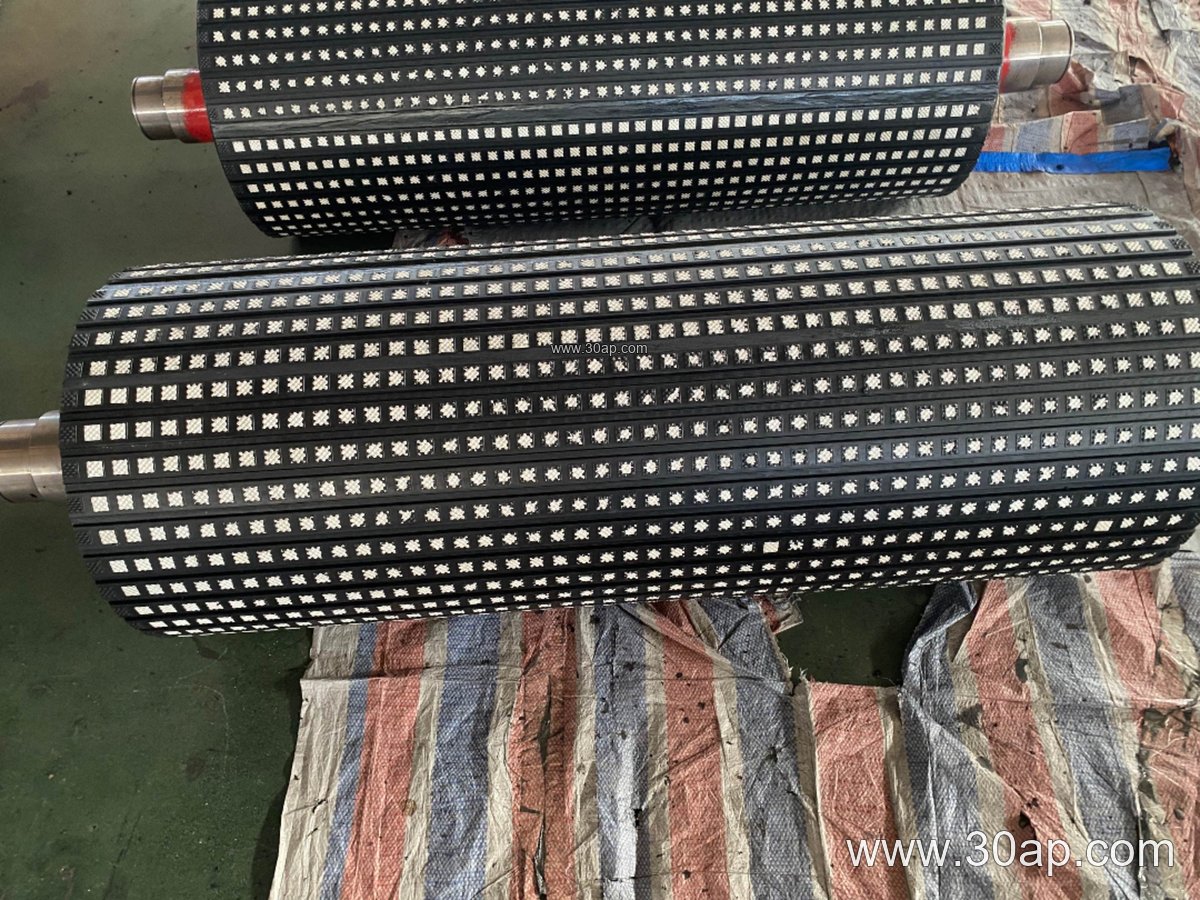
- Drum body: rolled steel shell, welded end discs
- Shaft: usually Ø120 to Ø200 for this size class, confirmed by torque and load
- Lagging: rubber or ceramic, smooth or grooved
- Bearing: housed pillow blocks on a conveyor bracket
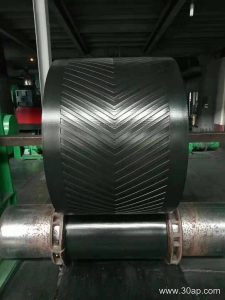
On a large head pulley, diamond or ceramic lagging helps grip a wet belt; on a bend or take-up pulley, a plain or lightly lagged face may be enough. For abrasive ore or quarry rock, a high abrasion resistant conveyor belt paired with a durable lagging reduces slip and wear.
Where It Fits in a Belt Line
This drum is common in iron ore, copper ore, coal preparation, cement clinker, power plant coal handling, port bulk terminals, and large aggregate plants. It usually runs with a wide belt, often from B1400 to B2400, and the pulley face width is normally wider than the belt, for example about 1800mm for B1600 and about 2200mm for B2000.
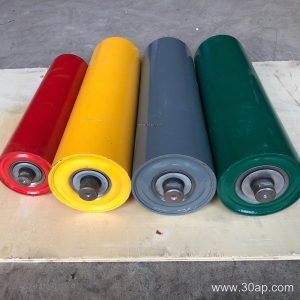
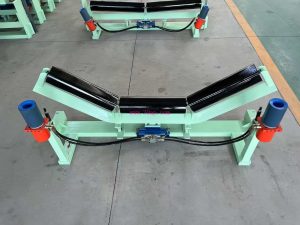
Typical combinations include B1400 × Ø1600 and B1800 × Ø1600. Belt width and pulley diameter are matched by design, not by a fixed rule; a B1200 belt can also run on a smaller drum. The pulley works together with idler rollers, the conveyor bracket, and the belt itself, so alignment across the whole line matters.
Belt and Duty Matching
Heavy-duty mining conveyors often use a steel cord conveyor belt or a high strength conveyor belt such as ST1600, ST2000, or ST2500, where a large drum limits bending stress. Fabric constructions like EP200, EP300, or NN300 are also used on medium-duty lines. In coal mines, a flame retardant conveyor belt or PVG800S conveyor belt may be required; in cement plants, a heat resistant conveyor belt handles clinker near the discharge.
For underground coal mining, an underground coal mining conveyor belt and a fire resistant conveyor belt are common choices. In a quarry or crusher line, a crusher conveyor belt and an abrasion resistant conveyor belt are typical. Food and chemical duties may call for an oil resistant conveyor belt or a cold resistant conveyor belt.
What Buyers Should Confirm
- Duty position: head, tail, take-up, or bend — each has different load and wrap requirements
- Belt width and belt type, for example EP1000 1200mm conveyor belt or a 1600mm wide belt
- Shaft diameter, bearing size, and keyway, based on torque rather than belt width alone
- Lagging type and thickness, plus groove pattern if wet or oily conditions exist
- Balance class, runout, and surface finish of the drum
- Mounting dimensions for the conveyor bracket and available space
Ask for a drawing showing shell thickness, shaft material, lagging, and bearing centers. Check that the pulley face width suits the belt, and confirm the drum is balanced for the intended belt speed. For a 1600mm diameter conveyor pulley, small errors in shaft sizing or lagging choice can shorten both drum and belt life.
Installation and Maintenance Notes
Align the drum squarely with the belt line and check that idler roller frames are parallel. Keep lagging clean and inspect for glazing, cuts, or embedded material. Recheck bearing lubrication and bolt torque after the first running period. On long haul conveyors in mines and ports, a slightly misaligned large pulley can cause edge wear on an expensive steel cord conveyor belt, so alignment checks are worth the time.