What It Is and Why It Matters
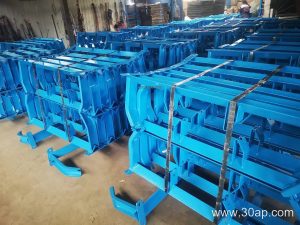
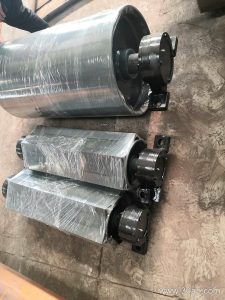
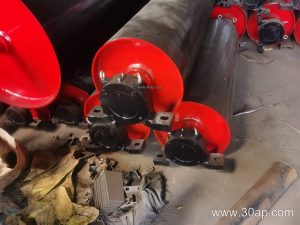
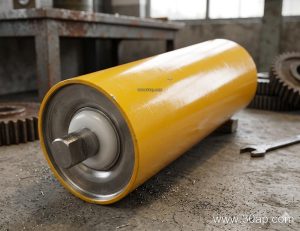
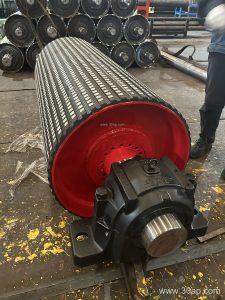
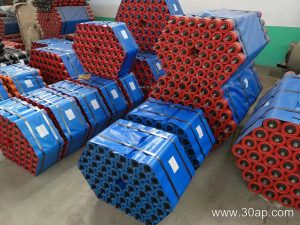
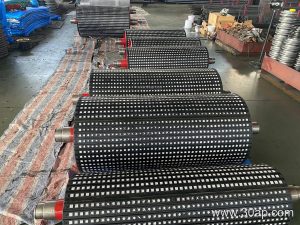
A mining flame retardant conveyor belt is a specialized rubber belt designed to resist ignition and limit flame spread in demanding environments such as coal mines, metal mines, cement plants, power stations, and aggregate quarries. Unlike a standard rubber conveyor belt, this belt incorporates flame-retardant additives in the rubber compound and often antistatic properties to reduce the risk of fire and static discharge. It is commonly referred to as a fire resistant conveyor belt, and both terms describe the same product category. The belt works alongside conveyor pulleys, idler rollers, and conveyor brackets to keep bulk material moving safely and efficiently.
Construction and Key Components
The belt typically consists of a fabric core (such as EP or NN) or steel cord reinforcement, covered with rubber layers that contain flame-retardant agents. The cover grades may also offer abrasion resistance or heat resistance depending on the application. Common constructions include multi-ply fabric core with 2 to 6 plies, and cover thicknesses like 3+1.5 mm, 4+2 mm, or 5+2 mm. The flame retardant properties are achieved through halogenated or non-halogenated additives, and antistatic agents help dissipate static electricity. This belt is not a substitute for a heat resistant conveyor belt when high temperature is the primary concern, but it can be combined with heat resistance if needed.
Where It Is Used
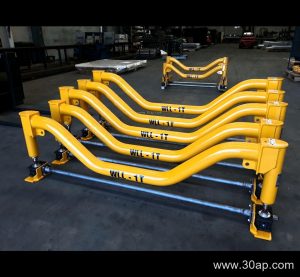
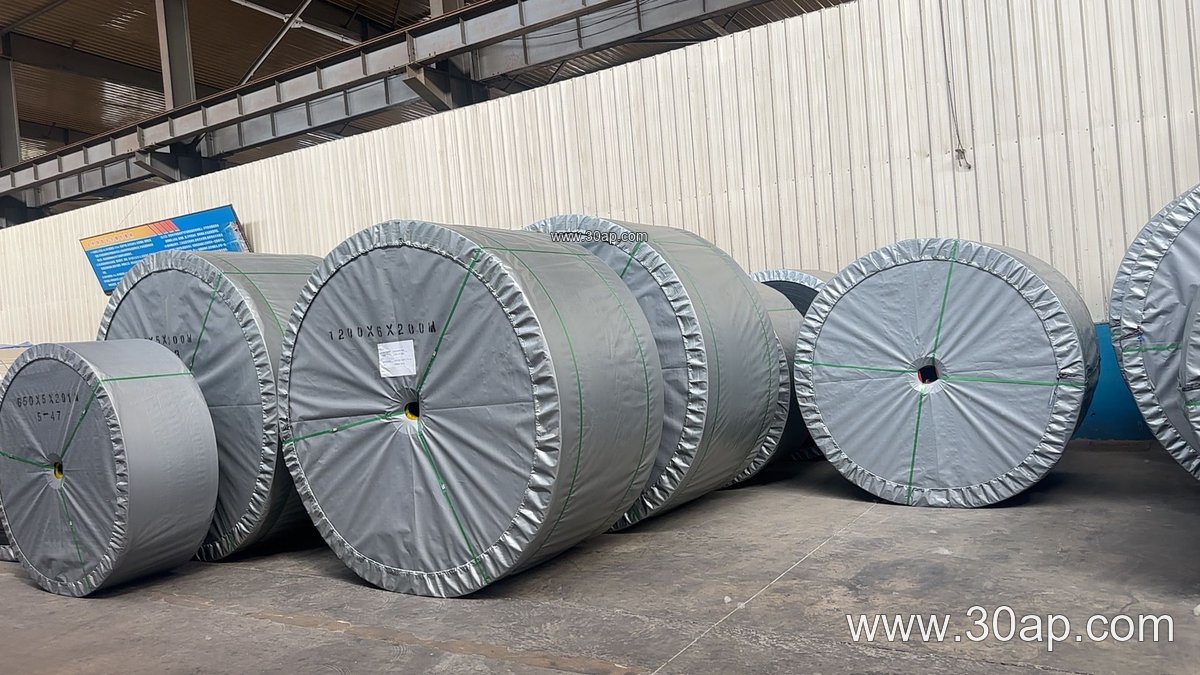
Mining flame retardant conveyor belts are widely used in underground coal mining, open-pit mines, ore processing plants, cement kilns, and power plant coal handling systems. In coal mining, the belt is essential for meeting safety regulations regarding fire prevention. It also finds use in port loading facilities, crushing plants, and sand making lines where fire risk must be minimized. The belt interacts with drive pulleys, tail pulleys, and bend pulleys, each playing a specific role in maintaining tension and direction. Idler rollers support the belt along the run, while conveyor brackets hold the rollers in place.
Common Specifications and Types
Buyers can choose from various constructions to match the load and environment. The table below shows typical examples; actual values should be confirmed with the supplier based on design requirements.
| Type | Strength Series (examples) | Common Widths (mm) | Cover Thickness (mm) |
|---|---|---|---|
| EP fabric core | EP200, EP400, EP630, EP800 | 650, 800, 1000, 1200 | 3+1.5, 4+2, 5+2 |
| NN fabric core | NN100, NN200, NN300 | 650, 800, 1000, 1200 | 3+1.5, 4+2 |
| Steel cord | ST1000, ST1250, ST1600 | 800, 1000, 1200, 1400 | 5+2, 6+2, 8+3 |
| PVG solid woven | PVG800, PVG800S | 800, 1000, 1200 | per design |
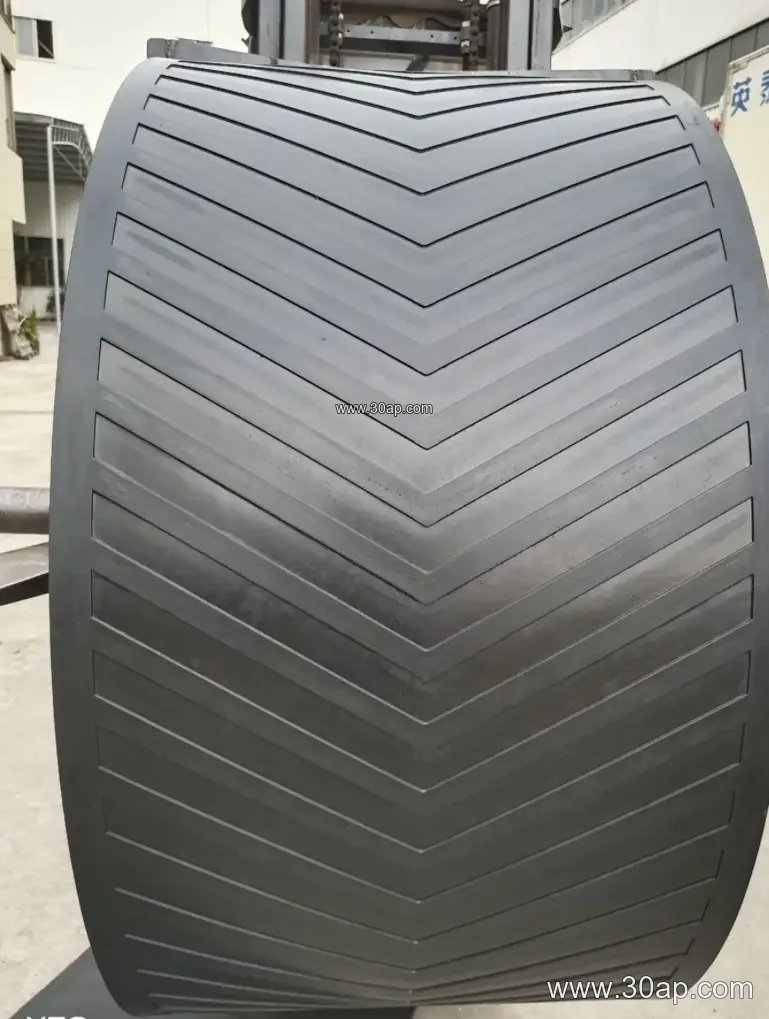
Other options include chevron conveyor belt for inclined haulage, corrugated sidewall conveyor belt for steep angles, and pipe conveyor belt for enclosed transport. These are different subtypes and should be selected only when their specific features are needed.
Selection and Maintenance Tips
When choosing a mining flame retardant conveyor belt, consider the material being conveyed, the incline angle, and the environment. For coal mining conveyor belt applications, verify that the flame retardant and antistatic properties meet the site’s safety requirements. The belt width should match the conveyor system design and the pulley dimensions; there is no fixed rule that one belt width only fits one pulley diameter. Ensure proper alignment with idler rollers and conveyor pulleys to avoid edge damage. Regular inspection of the belt surface, splices, and pulley lagging helps prevent accidents. Keep the belt clean and avoid excessive tension. For high-abrasion materials, an abrasion resistant conveyor belt may be more suitable, but the flame retardant property remains critical in hazardous areas. Always follow the manufacturer’s installation and maintenance guidelines.
For more information on conveyor belts, rollers, and pulleys, visit our site at www.example.com/conveyor-belt and www.example.com/mining-conveyor-belt. Our range includes EP conveyor belt, steel cord conveyor belt, and flame retardant conveyor belt solutions for mines, cement plants, and power stations.