What a Thermal Power Plant Conveyor Pulley Does
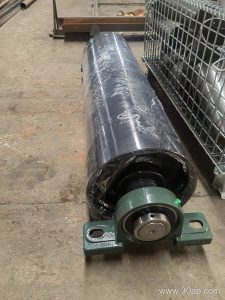
In a coal-fired power station, the journey from stockpile to boiler begins on a conveyor belt. The thermal power plant conveyor pulley is the rotating drum that drives, redirects, or tensions that belt. Unlike a simple idler roller that supports the belt from below, the pulley transmits power or changes direction at critical transfer points. This distinction matters because a drive pulley must grip the belt without slipping, while a tail or bend pulley must guide it smoothly. For power plant operators, a reliable pulley means fewer unplanned outages in the coal handling circuit.
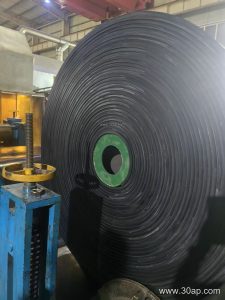
This component is also known as a conveyor drum pulley in plant maintenance circles. It works alongside rubber conveyor belt, EP conveyor belt, and flame retardant conveyor belt grades that are common in coal handling. The pulley itself is not interchangeable with a bend pulley or a drive pulley—each has a specific role in the conveyor layout.
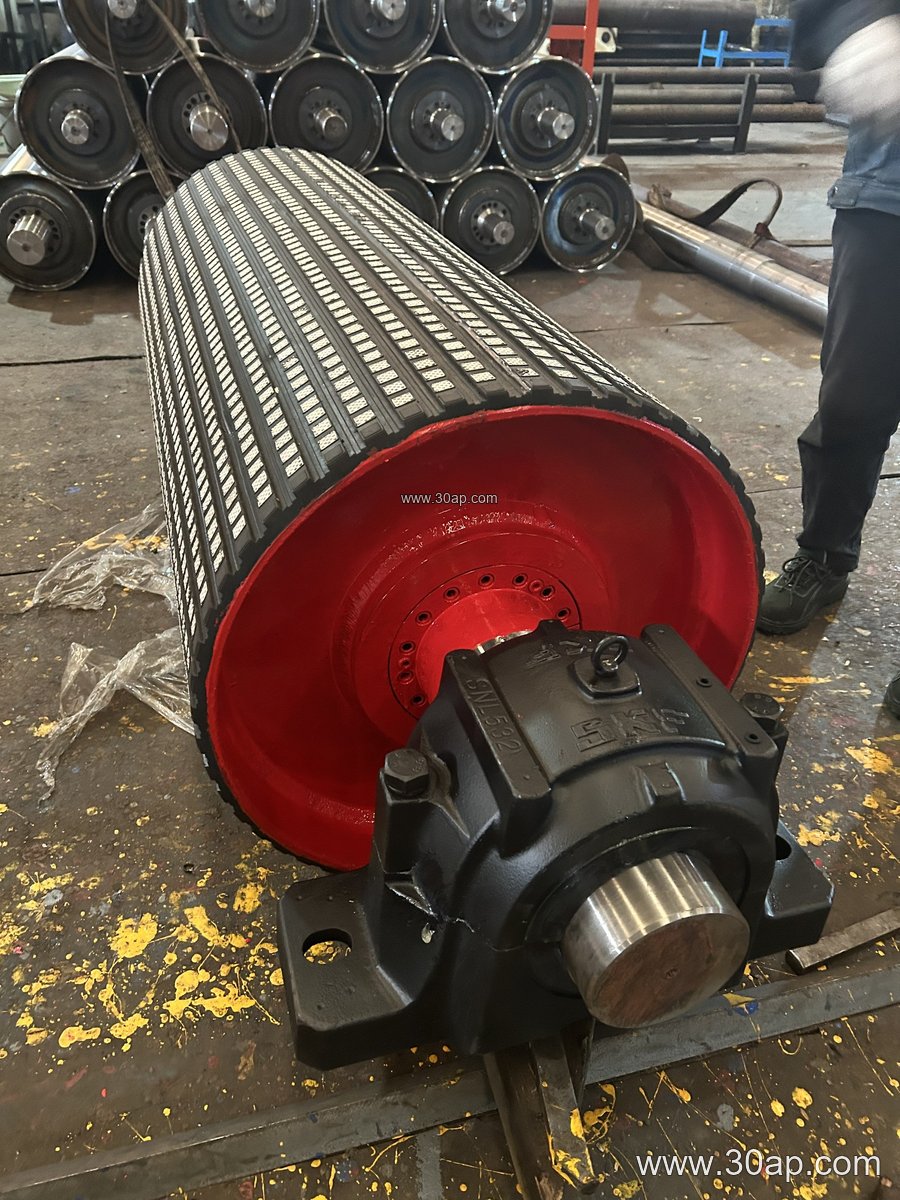
Construction and Surface Options
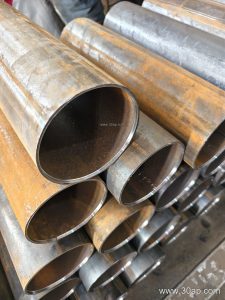
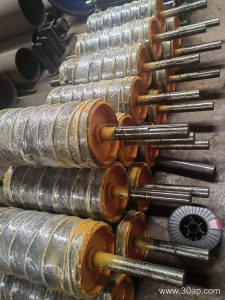
A thermal power plant conveyor pulley typically consists of a cylindrical shell, shaft, end discs, and bearing housings. The shell can be plain or covered with lagging to improve grip. Common surface forms include plain, cast rubber, cold-bonded rubber, hot-vulcanized rubber, diamond grooving, herringbone grooving, and ceramic lagging. Lagging thickness often falls in the 8 mm to 20 mm range depending on the duty. The shaft diameter is determined by torque and load, not by belt width alone—typical shaft sizes might be Ø80, Ø100, Ø120, or larger, but a specific belt width does not dictate a single shaft size.
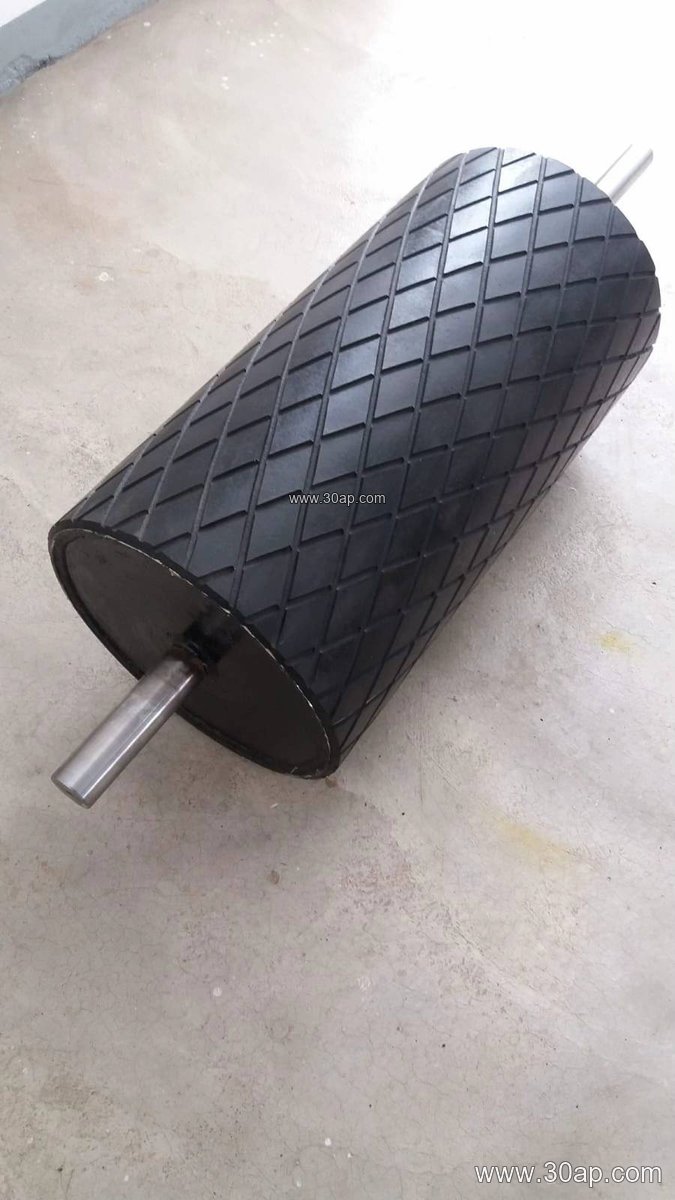
Consider a B1200 belt width paired with a Ø1000 pulley diameter. This is a common combination for a drive position, but B1200 could also use a Ø800 or Ø1250 depending on the conveyor design. The pulley face width is usually wider than the belt—B800 often calls for about 950 mm face, while B1400 may use around 1600 mm face. These are reference examples, not fixed rules.
Where It Sits in the Coal Handling Line
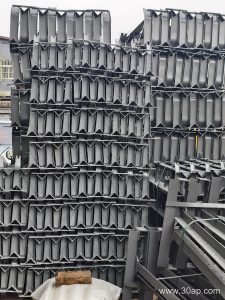
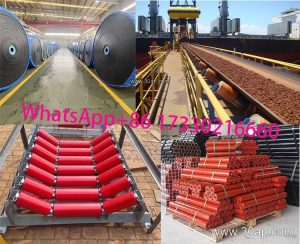
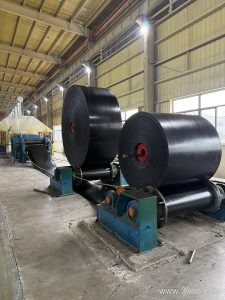
Thermal power plant conveyor pulleys appear at several stations. The head or drive pulley pulls the belt at the discharge end. The tail pulley at the loading point redirects the return belt. Bend pulleys and take-up pulleys manage belt tension and routing. In a typical coal handling system, you might find a drive pulley with diamond lagging, a tail pulley with plain surface, and a bend pulley with rubber lagging. The belt itself might be an abrasion resistant conveyor belt or a heat resistant conveyor belt if it passes near hot ash areas. Elsewhere in the plant, conveyor brackets and idler rollers support the belt between pulleys.
Specification Examples and Selection Notes
When specifying a thermal power plant conveyor pulley, buyers should consider belt width, pulley diameter, face width, shaft diameter, lagging type, and bearing arrangement. The table below shows illustrative combinations—these are not mandatory matches, and final sizing depends on conveyor tension and load calculations.
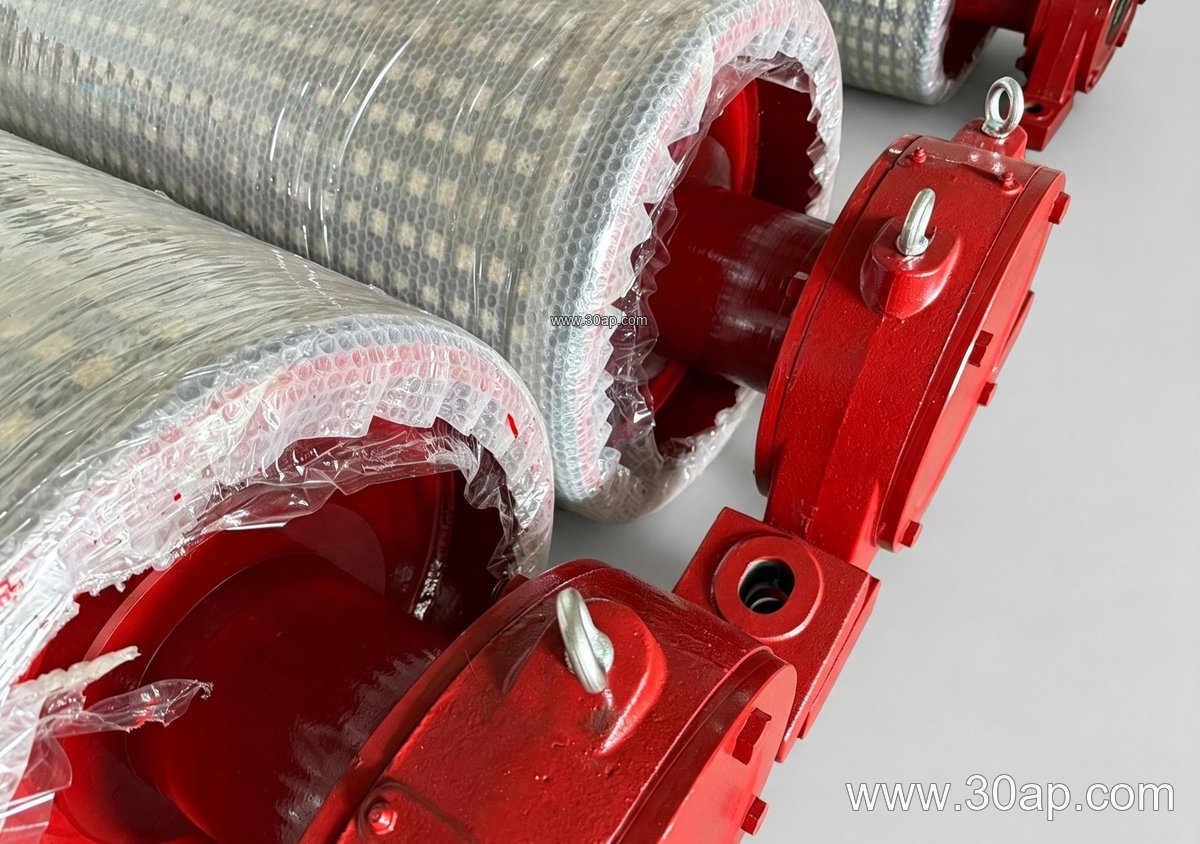
- B800 × Ø500, face approx. 950 mm, shaft Ø80–Ø100
- B1000 × Ø630, face approx. 1150 mm, shaft Ø100–Ø120
- B1200 × Ø800, face approx. 1400 mm, shaft Ø120–Ø140
- B1400 × Ø1000, face approx. 1600 mm, shaft Ø140–Ø160
- B1600 × Ø1250, face approx. 1800 mm, shaft Ø160–Ø180
For a coal mining conveyor belt or an underground coal mining conveyor belt application, flame retardant and anti-static properties are often required for the belt, while the pulley lagging should resist abrasion. A heavy-duty mining conveyor belt may pair with a larger diameter pulley to reduce bending stress. In a limestone or aggregate conveyor belt line at a power plant, abrasion resistant lagging helps extend pulley life.
Buyer Checklist for Power Plant Pulleys
Before ordering, confirm the pulley’s position (drive, tail, bend, take-up), the belt width and type, the required lagging surface, and the shaft size based on torque. Ask for the pulley face width and verify it exceeds the belt width. Check that the bearing housings suit the conveyor bracket mounting. For coal handling, specify fire resistant or flame retardant conveyor belt compatibility and ensure the pulley lagging meets the plant’s safety requirements. A thermal power plant conveyor pulley is a long-term investment, so matching it to the actual duty—rather than copying a neighbor’s size—pays off in reduced downtime.