What a Belt Conveyor Bend Pulley Does
A Belt Conveyor Bend Pulley is a non-driven conveyor pulley that redirects the belt path, changes its direction, or increases the wrap angle around another pulley. It is usually smaller in diameter than the drive pulley it serves, and it carries belt tension rather than drive torque. In a typical tail or take-up arrangement, the belt leaves the tail pulley, passes around one or two bend pulleys, and returns to the carrying side. This routing keeps the take-up weight or tensioner in a convenient position and helps maintain a stable belt path on long overland lines, plant transfer conveyors, and incline sections.
Because the bend pulley does not transmit drive power, it is often grouped with the tail pulley and take-up pulley in the return-side family. It is not a substitute for a drive pulley or a tail pulley, and each has a different job in the same conveyor frame. On a cement plant clinker line or a power plant coal handling system, correct placement of this pulley can reduce belt wander and extend the service life of the conveyor belt.
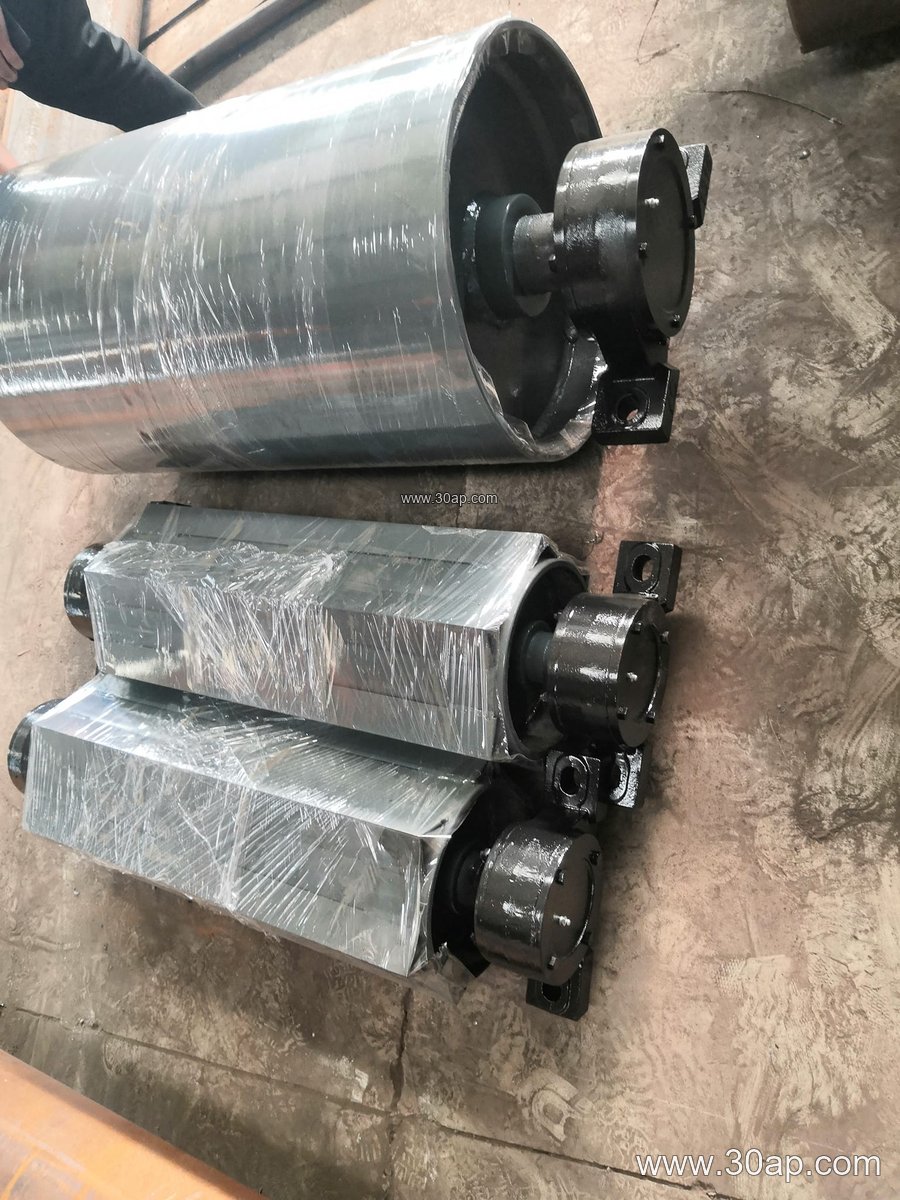
Construction and Surface Options
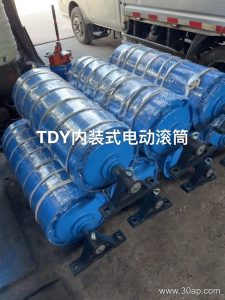
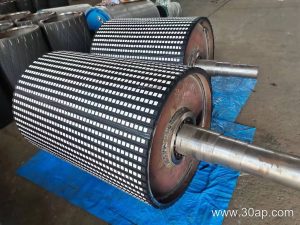
The pulley body is commonly a welded steel shell with machined end discs, fitted to a through shaft with bearing housings on both sides. Shaft ends sit in conveyor brackets or bearing pedestals that are bolted to the conveyor frame. Shell diameter and face width are chosen to suit belt width, belt stiffness, and the required wrap angle. Typical combinations seen in design drawings include B800 × Ø500, B1200 × Ø1000, and B1400 × Ø800, but belt width alone does not fix the diameter. Shaft diameter is set by torque and radial load, so values such as Ø80, Ø100, or Ø120 are selected from the actual duty, not copied from belt width.
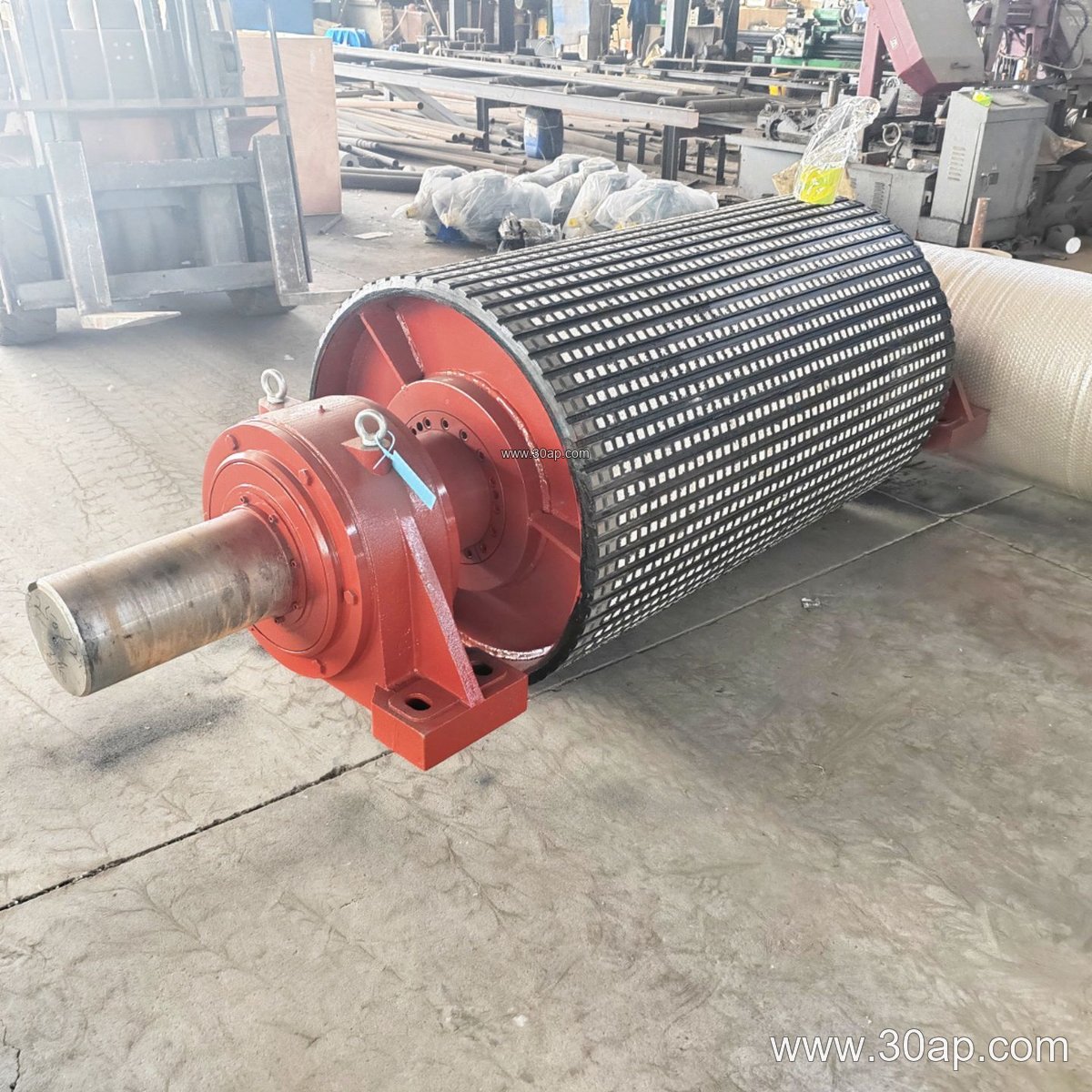
Surface treatment depends on the belt and the environment:
- Plain shell for light duty and clean return runs
- Rubber lagging, cold-bonded or hot-vulcanized, for grip and wear protection
- Diamond or herringbone grooving to shed water and fines
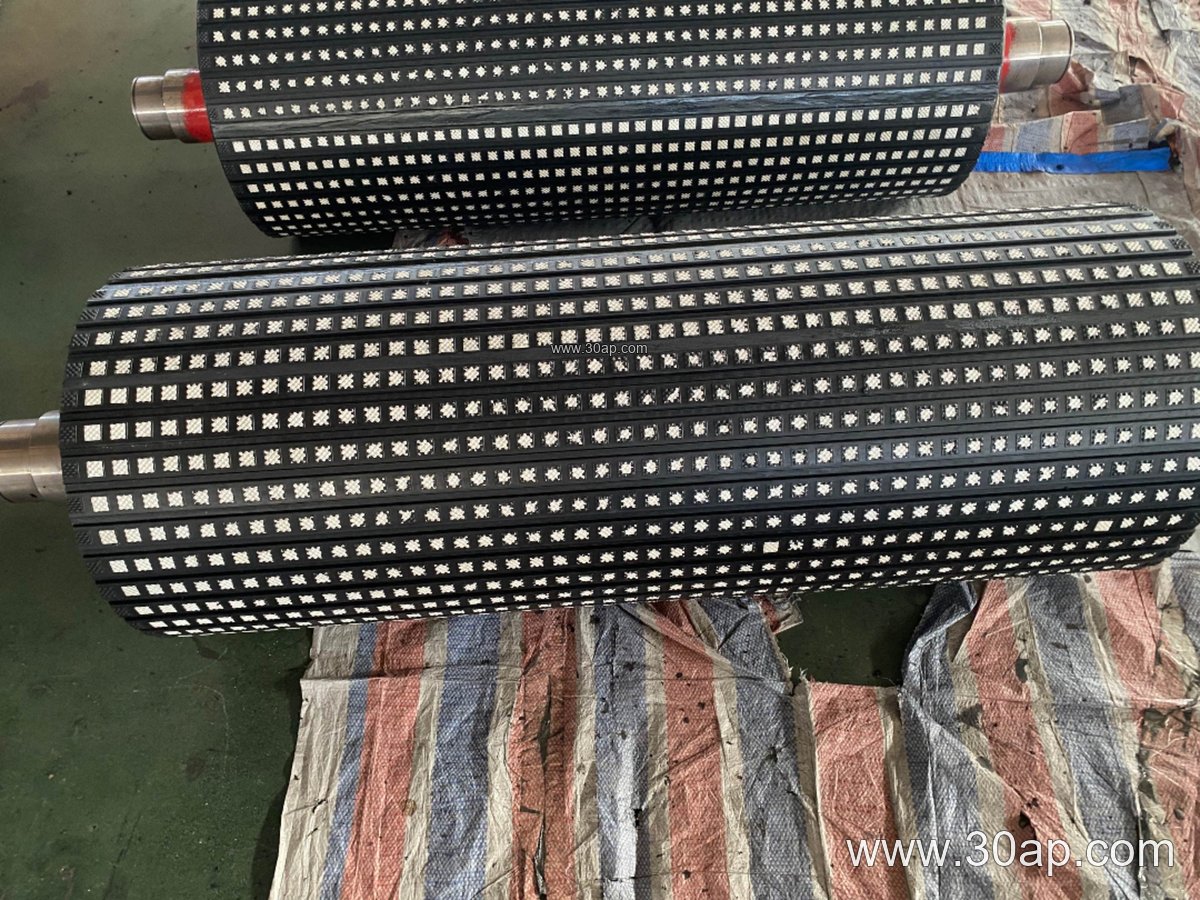
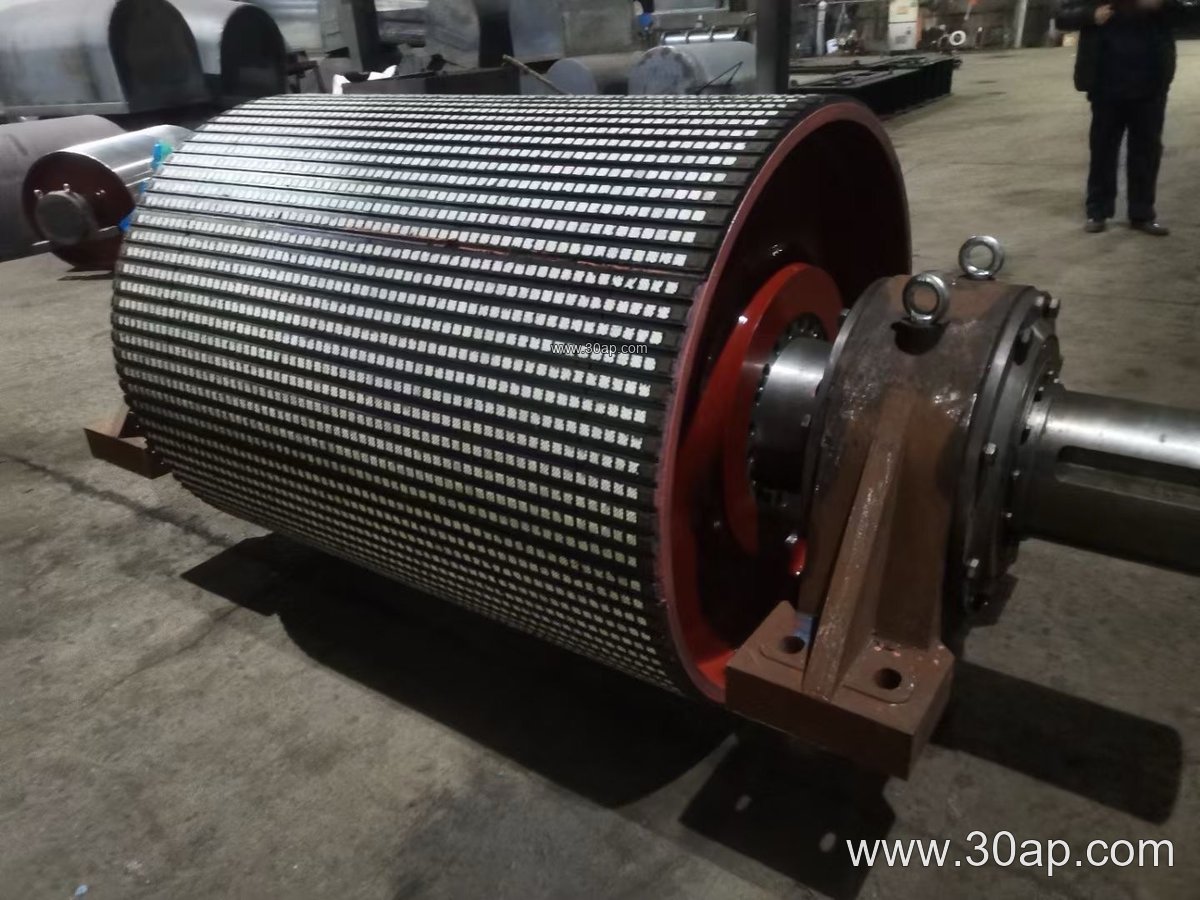
- Ceramic lagging for high-wear zones with abrasive dust
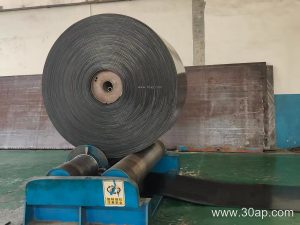
Lagging thickness is often 8, 10, 12, 15, or 20 mm, chosen with the belt cover grade in mind. A Steel Cord Conveyor Belt on a long overland route may need a larger pulley diameter than an EP Conveyor Belt of the same width, because bending fatigue in steel cords depends strongly on the diameter-to-cord ratio. In a quarry or aggregate line, an Abrasion Resistant Conveyor Belt running over a lagged bend pulley usually lasts longer than one running over a bare shell.
Where It Fits in the Conveyor
Bend pulleys appear in several positions. At the tail end, they form part of a take-up loop that keeps tension on the belt. In a vertical gravity take-up tower, two bend pulleys are common, one above the take-up pulley and one below. On a tripper or shuttle conveyor, they help route the belt around the head structure. In underground coal mining and tunnel spoil handling, compact bend pulleys allow the return strand to clear roof supports and floor structures.
Common working environments include:
- Wash plants and screening stations in a sand and gravel pit
- Clinker and raw meal transport in a cement works
- Coal yard and boiler feed lines at a power station
- Bulk terminal and ship loading conveyors at a port
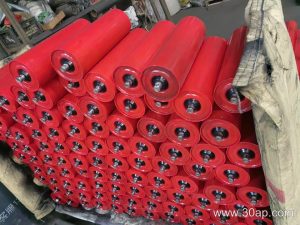
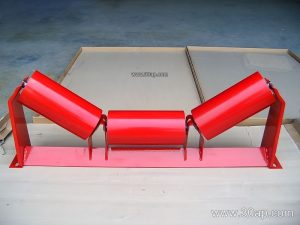
The pulley works together with the conveyor belt, idler rollers, and frame. If the return strand is poorly supported, even a well-made bend pulley will see uneven belt tracking. A slight crown on the shell is sometimes used to help centering, though many designs are cylindrical and rely on proper alignment instead.
Selection Points for Buyers
Before ordering, confirm the belt width, the return strand layout, the wrap angle, and the belt tension at that point. Check the belt construction: a Flame Retardant Conveyor Belt for underground service, a Heat Resistant Conveyor Belt near a kiln or sinter cooler, and an Oil Resistant Conveyor Belt in a recycling or metalworking plant each place different demands on the lagging compound. A Multi-Ply Fabric Core Conveyor Belt and a heavy-duty EP belt may call for different pulley diameters even at the same width.
Ask for the bearing type and sealing arrangement, since dust and water ingress shorten bearing life quickly. Confirm the shaft size against the actual load, and check that the conveyor bracket or bearing pedestal matches the frame. Specify whether the shell should be plain, rubber lagged, or grooved, and state the lagging thickness. Keep a spare set of bearings and check pulley alignment and lagging wear at each shutdown. For more information on matching pulleys to belt types such as chevron, corrugated sidewall, or pipe conveyor belts, review the conveyor component data before finalizing the order at gsdconveyorbelt.com.