What a Conveyor Idler Frame Does
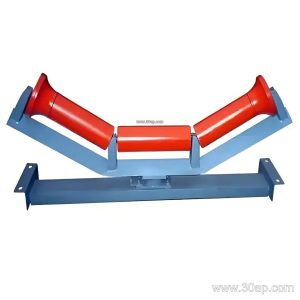
A conveyor idler frame is the structural element that holds idler rollers in the correct position under or over the conveyor belt. It carries the weight of the belt and the material, sets the trough angle on the carrying side, and keeps the belt tracking along the center line. In a quarry, a coal washing plant, or a cement plant, the frame is one of the least visible parts of the conveyor, yet it decides how evenly the load reaches each roller and how long the belt lasts.
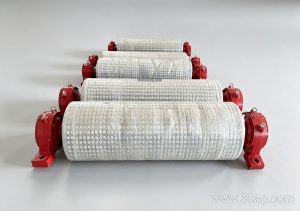
The frame is not the same as a conveyor pulley. Drive, tail, and bend pulleys transmit power and change belt direction; the idler frame only supports the belt between those points. Mixing up these roles leads to wrong spare parts orders and poor maintenance planning.
How the Frame Is Built
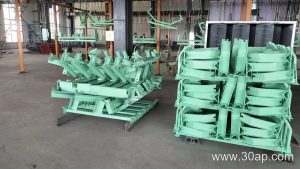
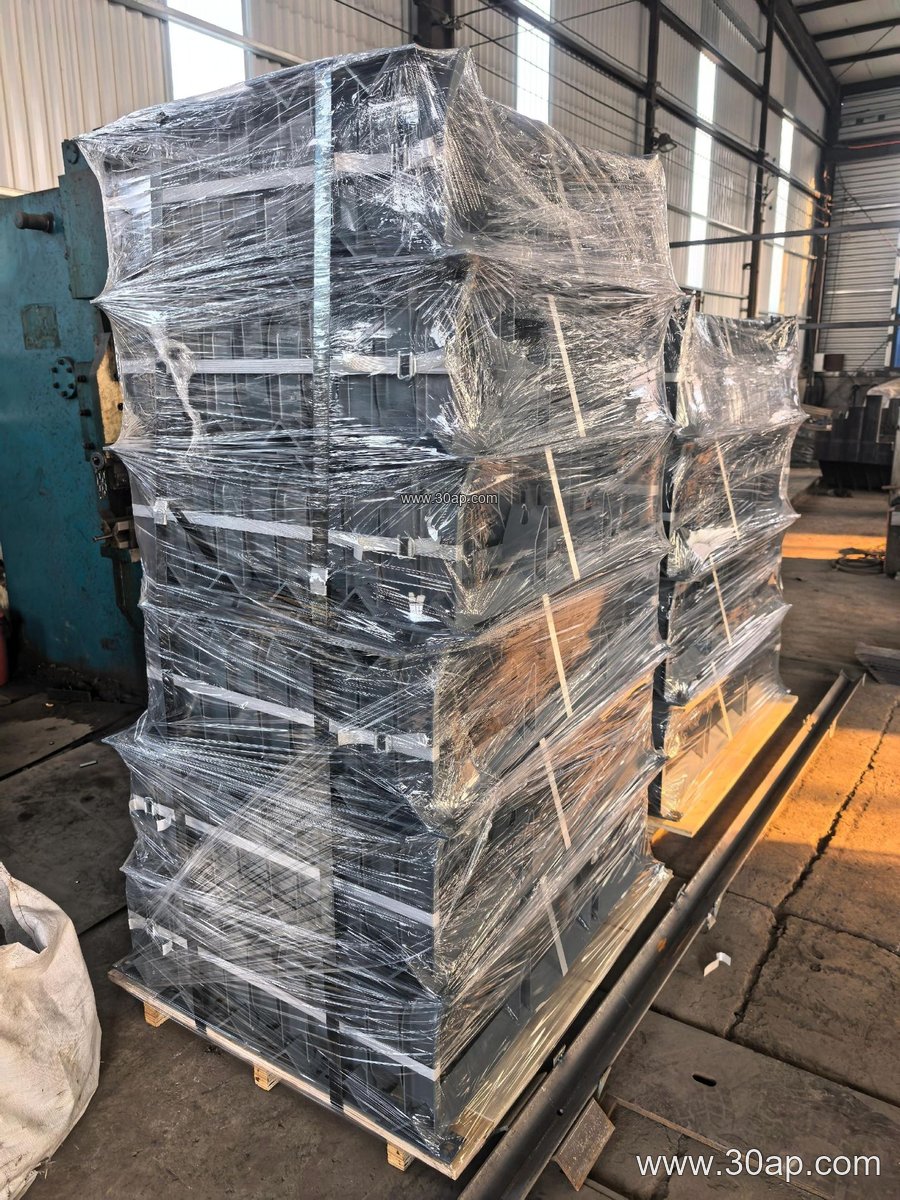
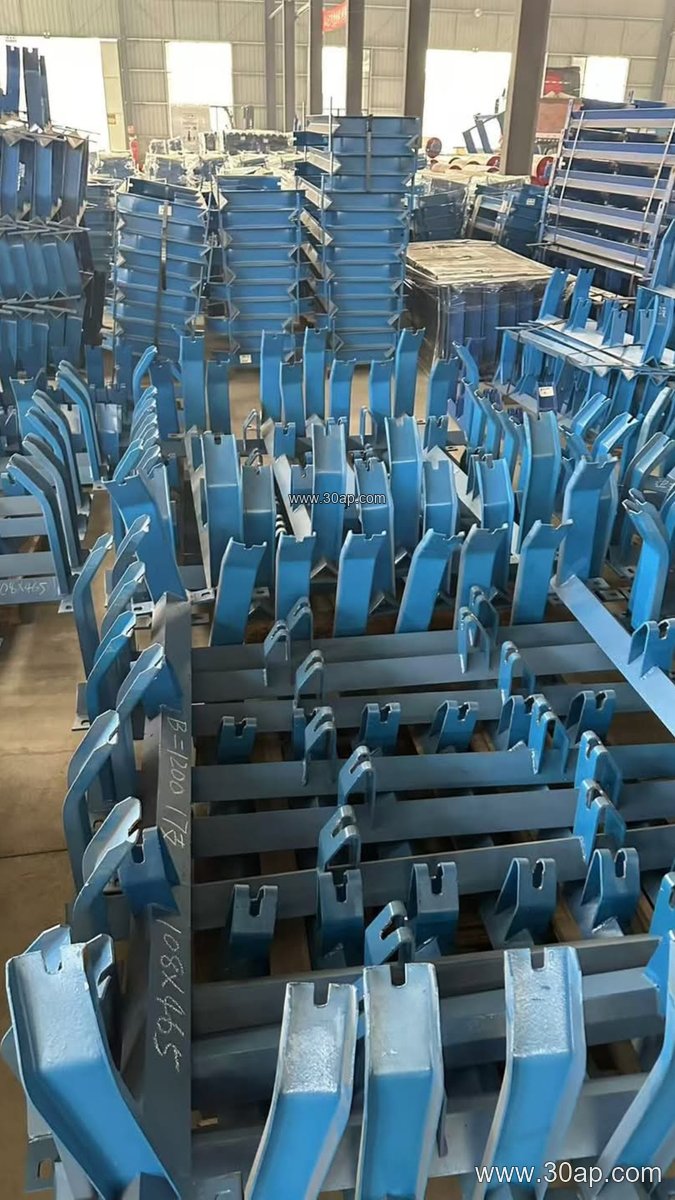
Most frames are fabricated from angle steel, channel steel, or bent steel plate. The crossbeam length and the mounting hole spacing follow the belt width and trough angle, so they are determined by design rather than by a single fixed number. A typical carrying frame has three or five roller positions, while a return frame may hold a single flat roller or a V-shaped pair.
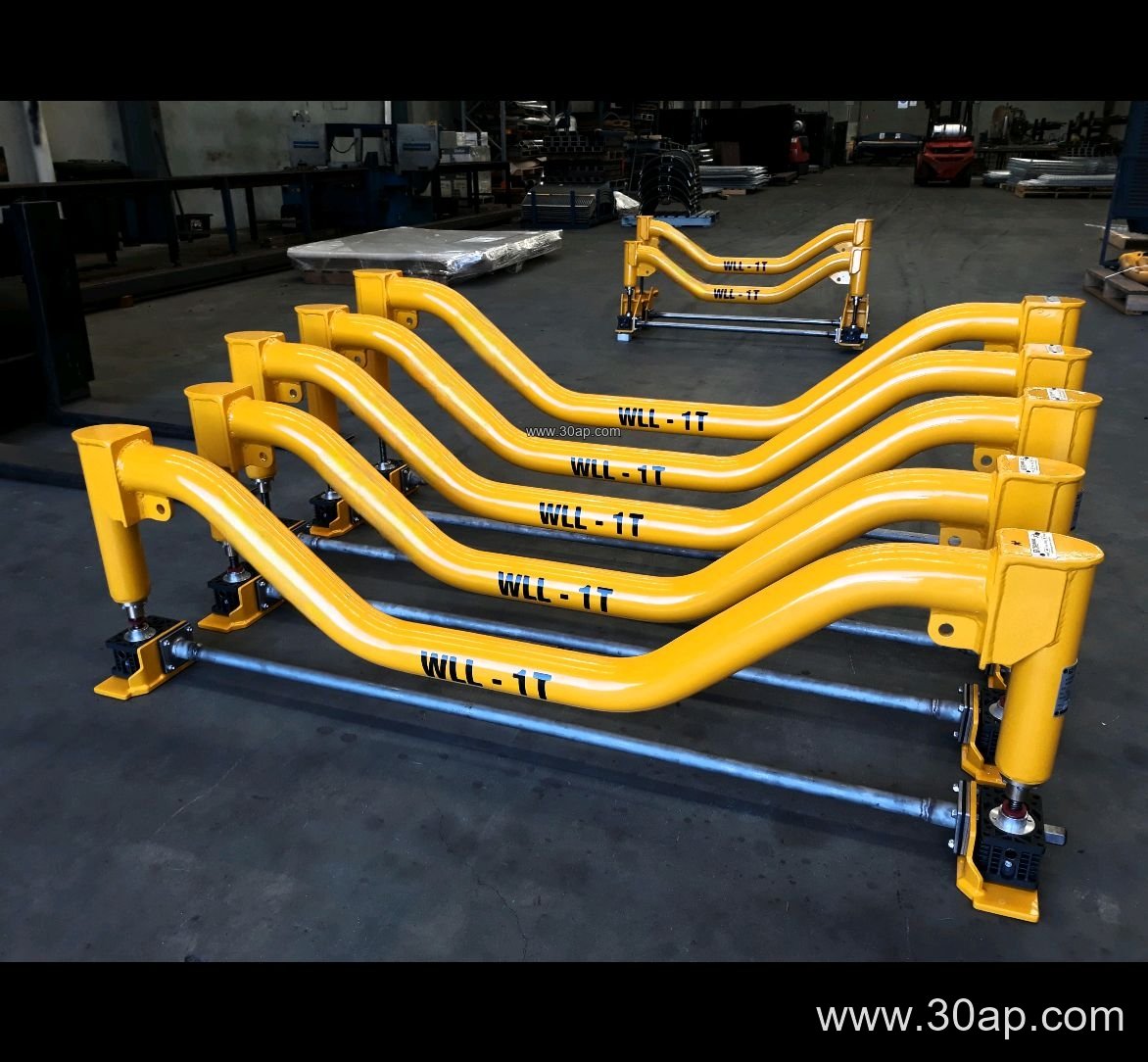
Common frame types include troughing frames, transition frames, return frames, impact frames, self-aligning frames, and adjustable frames. An adjustable frame allows the trough angle to be set between positions such as 20, 30, 35, or 45 degrees. Forward-tilted frames usually lean about 1.5 to 2 degrees to help center the belt. The idler roller diameter is matched to the frame rather than chosen in isolation; popular sizes are Ø89, Ø108, Ø133, Ø159, and Ø194.
Typical reference combinations
| Belt width | Trough angle | Roller diameter |
|---|---|---|
| B500 | 20°–30° | Ø89 |
| B650 | 30° | Ø89 |
| B800 | 35° | Ø108 |
| B1000 | 35°–45° | Ø108 |
| B1200 | 45° | Ø133 |
| B1400 | 35°–45° | Ø133 |
| B1600 | 35°–45° | Ø159 |
| B1800 | 35°–45° | Ø159 |
| B2000 | 35°–45° | Ø194 |
These are reference values only. A given belt width can work with more than one trough angle or roller diameter, depending on the conveyor design and the material being handled.
Where Idler Frames Are Used
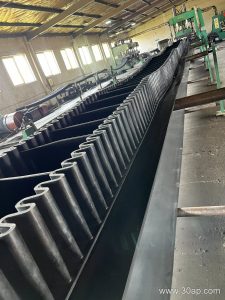
Frames appear wherever a conveyor belt runs. In an iron ore or limestone mine, heavy-duty troughing frames under an abrasion resistant conveyor belt carry lump ore through crushing and screening. In a power plant coal yard, flame retardant conveyor belt and self-aligning frames work together to keep the belt centered on long runs. In a cement plant, heat resistant conveyor belt may pass close to kiln areas, so frame spacing and roller choice need extra attention. Ports and ship loading systems use wide frames for 1800mm or 2000mm belts, while a small aggregate line may only need B650 or B800 frames.
Impact frames are often placed below the loading point, where a crusher conveyor belt receives falling rock. Transition frames sit between the tail pulley and the first troughing frame to avoid sudden belt bending. Return frames and V-return frames support the empty strand and help shed spilled material.
Choosing the Right Frame
Buyers should confirm the belt width, trough angle, roller diameter, and frame material before ordering. The conveyor bracket and mounting holes must match the existing stringer spacing, otherwise field modification becomes necessary. Fixed frames suit standard profiles, while adjustable frames help when the belt needs fine tuning during commissioning.
Consider the environment as well. A dusty coal yard benefits from frames that do not trap fines, and a wash plant needs corrosion-conscious steel selection. Matching the frame to the belt type, whether EP conveyor belt, steel cord conveyor belt, or a chevron conveyor belt, keeps the whole system consistent. For more details on frames and related components, visit www.example.com/conveyor-idler-frame and www.example.com/conveyor-bracket.
- Check belt width and trough angle first.
- Match roller diameter to load and speed.
- Use impact frames at transfer points.
- Keep spare frames for high-wear zones.
Regular inspection of frame alignment, bolt tightness, and rust damage prevents belt edge wear and mistracking. A frame that is bent or loose will shorten idler roller life and disturb the conveyor belt, so maintenance teams should treat it as a load-bearing part, not as simple hardware.