What an HDPE Idler Is and Where It Fits
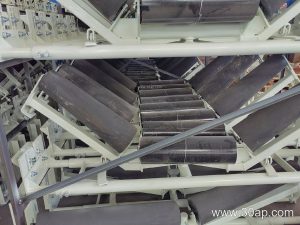
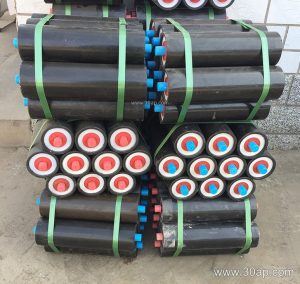
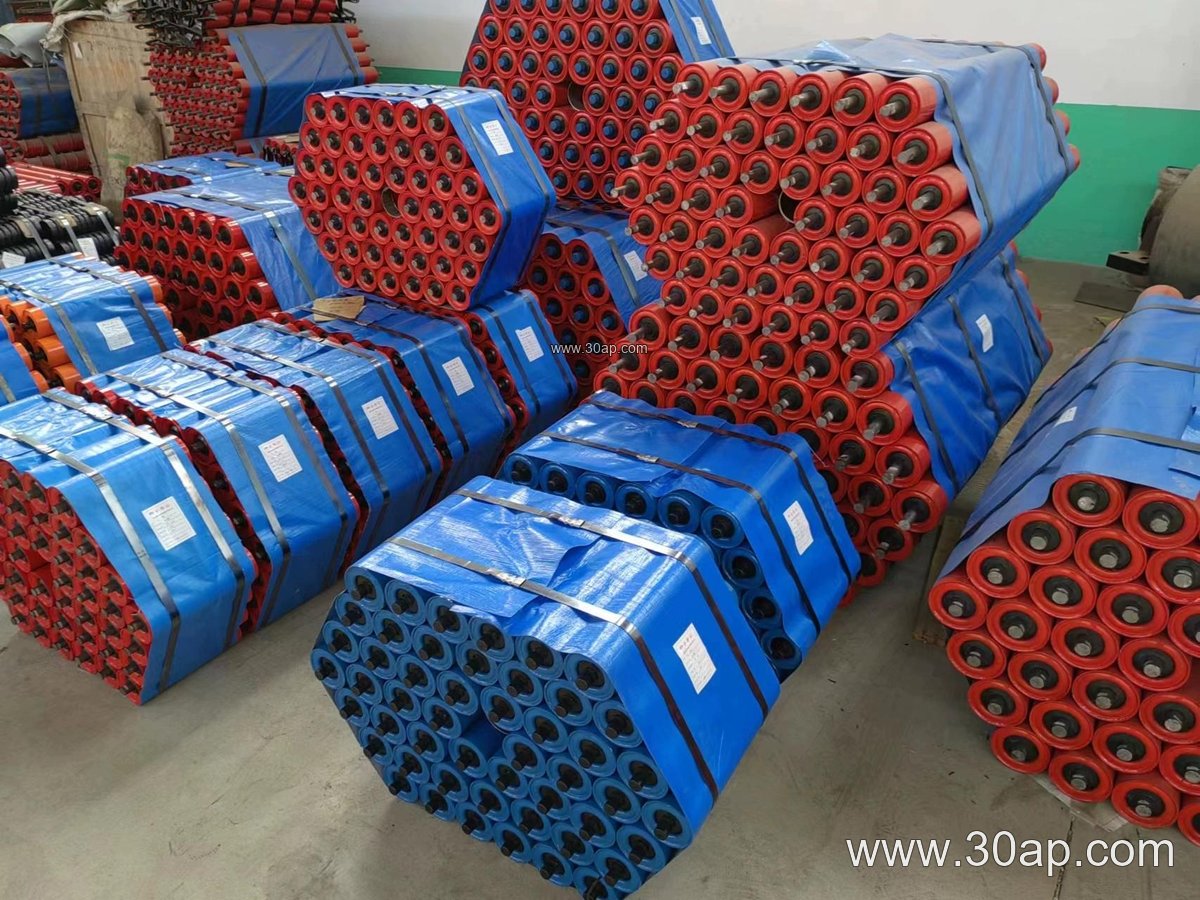
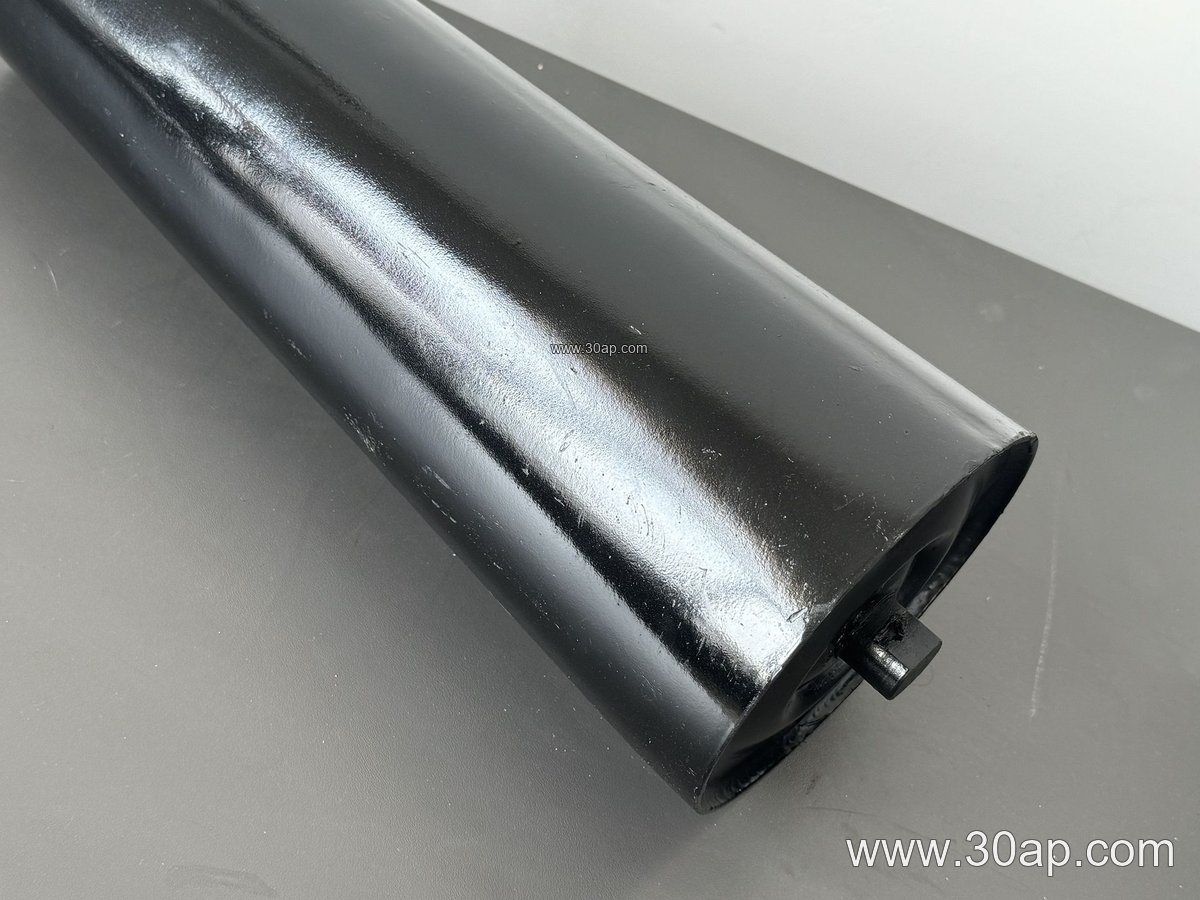
An HDPE idler is a conveyor idler roller whose outer shell is made from high-density polyethylene rather than steel, nylon or rubber. It sits under or over the conveyor belt, supports the belt and the load, and lets the belt run with low rolling resistance. In a typical conveyor line you will find these idlers in groups: a three-roll troughing set on the carrying side, flat or V-return rollers underneath, and sometimes impact or self-aligning designs at transfer points. The HDPE idler belongs to the same family as the steel idler roller, but its non-metallic shell changes how it behaves around moisture, fines and abrasive bulk material.
How the Roller Is Built
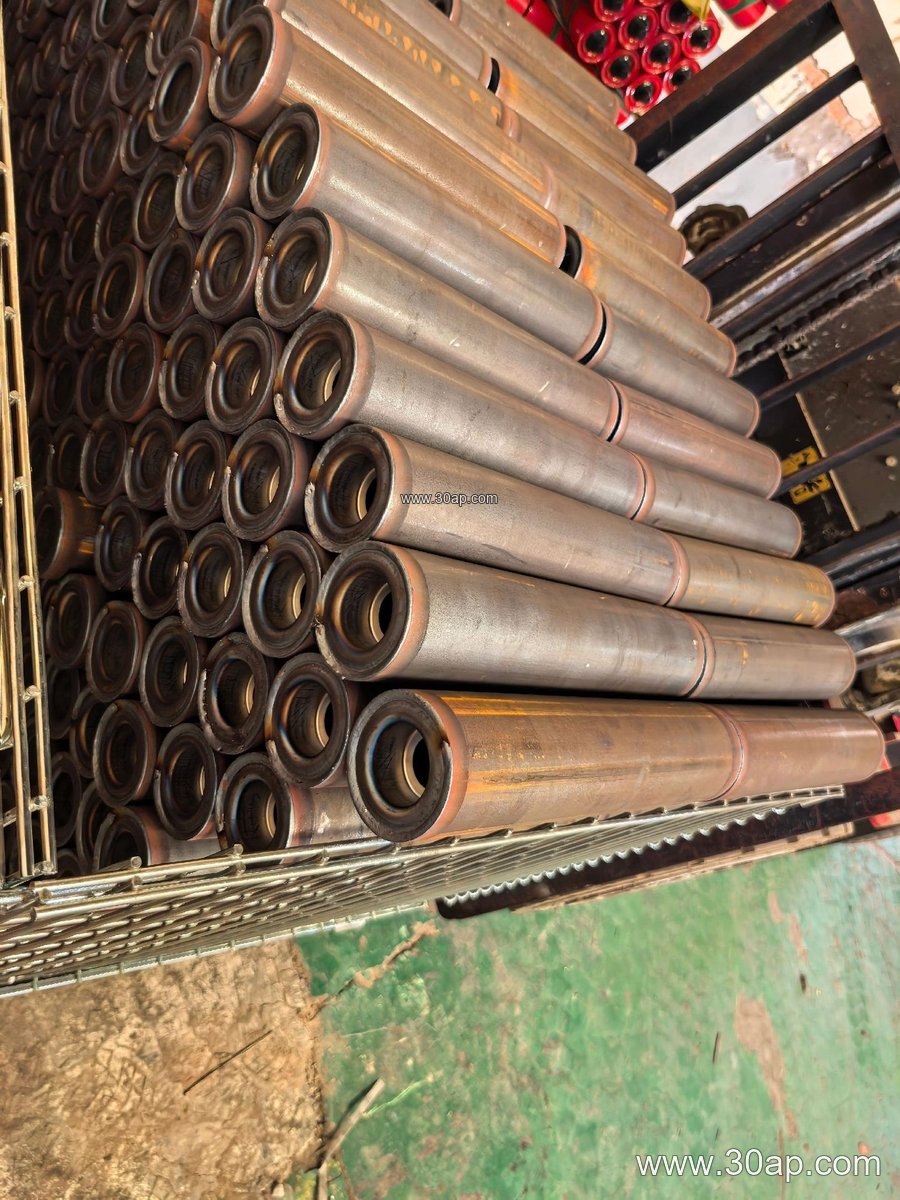
Most HDPE idlers combine a polymer tube with steel internal components. The shell is machined or molded HDPE, fitted over a shaft with bearings at each end. Common bearing sizes include 6204, 6205, 6305, 6306, 6308 and 6310, selected according to load and speed rather than matched to one shell diameter. Seals are critical: fine dust from a crusher or a coal handling line will destroy a bearing quickly if the labyrinth or contact seal is poor. The roller ends are usually capped, and the shaft may be plain or flattened depending on the bracket design. The conveyor bracket, not the roller alone, determines how the idler sits in the frame, so buyers should confirm the shaft end form and fixing dimensions.
Common Sizes and Arrangements
HDPE idlers follow the same diameter and belt width conventions as other conveyor rollers. The table below shows typical reference values; actual roll length depends on belt width, trough angle and the number of rolls in the set.
| Parameter | Typical Reference Values |
|---|---|
| Roller diameter | Ø63, Ø76, Ø89, Ø102, Ø108, Ø127, Ø133, Ø159, Ø178, Ø194, Ø219 mm |
| Belt width | B400, B500, B650, B800, B1000, B1200, B1400, B1600, B1800, B2000 mm |
| Trough angle | 20°, 30°, 35°, 45° |
| Set form | Single roll, two-roll, three-roll troughing |
| Roller surface | HDPE shell, optional rubber rings for impact positions |
As an example of how roll length scales, a three-roll troughing set might use roughly 200 mm rolls at B500, 315 mm at B800, 465 mm at B1200 and 600 mm at B1600. Side rolls and the center roll can differ, and these figures are common practice rather than fixed rules. A 1200mm wide conveyor belt does not dictate one pulley diameter or one shaft size, and the same is true here.
Where HDPE Idlers Earn Their Place
Polymer shells resist corrosion and build-up better than painted steel in wet or sticky conditions. That makes them a practical choice in a limestone quarry, a sand and aggregate line, or a fertilizer plant where moisture and fine dust are constant. In a coal washing plant, the non-sparking nature of HDPE is also a point in its favor. They are less suited to very hot material; where clinker or sinter is handled, a heat resistant conveyor belt and steel rollers are usually the better pairing. At load points, a rubber-disc impact idler may still be preferred over a plain HDPE roller.
Buyer Checklist
- Confirm shell diameter, roll length and shaft end form against the existing conveyor bracket.
- Check bearing size and seal type for the dust and moisture level on site.
- Match the idler group to the belt: a three-roll 35° set behaves differently from a single flat roll.
- Consider the belt itself. An abrasion resistant conveyor belt or a heavy-duty mining conveyor belt loads the rollers harder than a light fabric core belt.
- Ask how the HDPE shell is joined to the shaft, since a loose fit shortens service life.
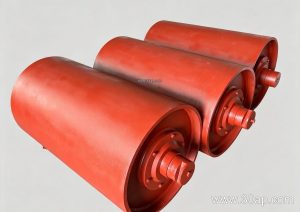
For a full conveyor package, buyers often source the HDPE idler together with the conveyor pulley, the frame and the belt. Checking all four as one system avoids mismatches at installation. More reference data is available at www.beltsandrollers.com for idler roller selection.