What a Non-Standard Conveyor Pulley Really Is
A non-standard conveyor pulley is a drum component built to order when catalog dimensions, shaft details, or surface features do not fit the application. Instead of forcing a stock pulley into a conveyor frame, the pulley is matched to the belt width, load profile, and mounting arrangement. This is common in quarry and aggregate lines, cement plants, and power plant coal handling where space and duty cycles vary from one transfer point to the next.
In practice, the term covers a custom conveyor pulley that may differ from standard offerings in diameter, face width, hub design, shaft diameter, lagging pattern, or bearing assembly. It remains a pulley in function, but its geometry and construction are tailored rather than selected from a fixed list.
Construction Details That Matter
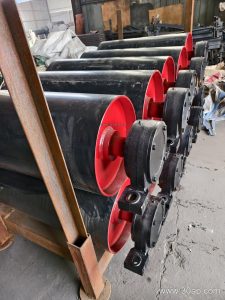
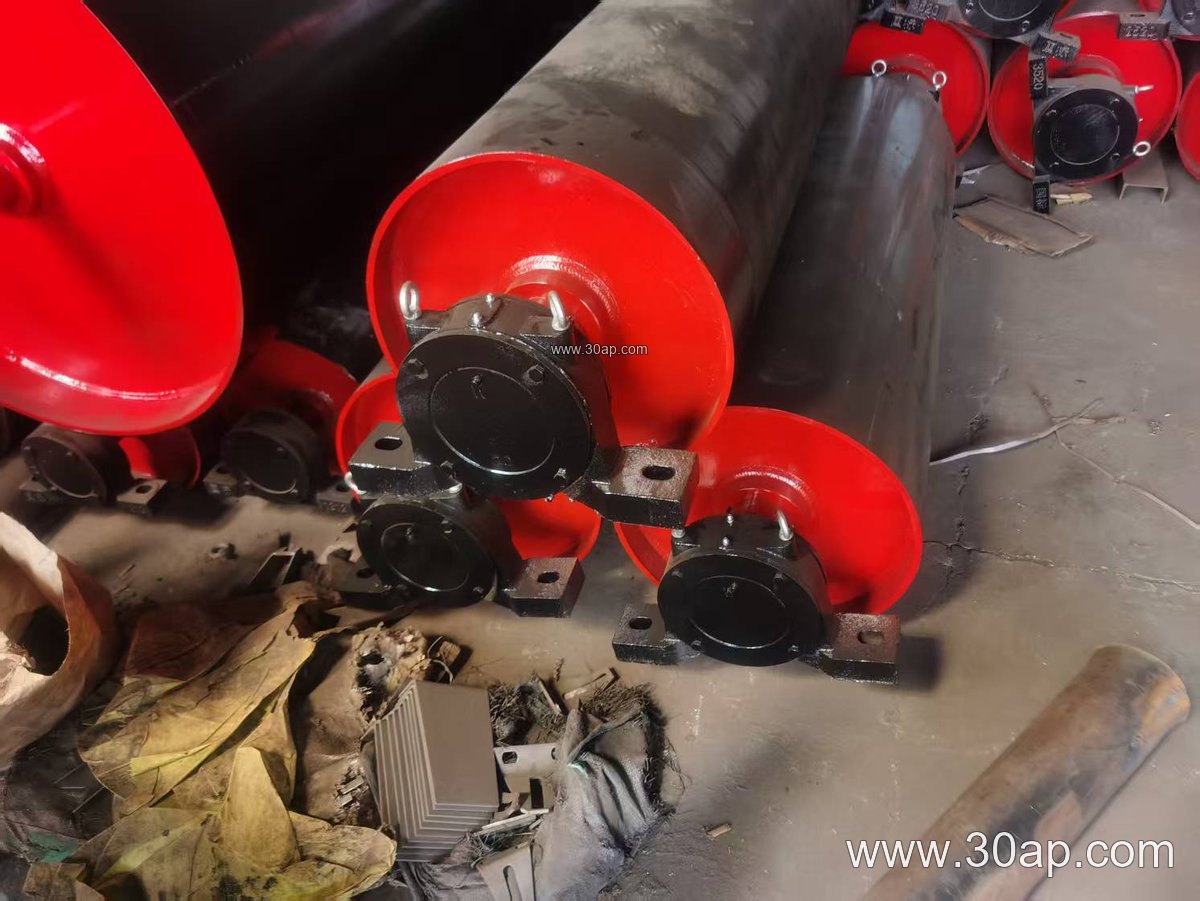
A typical non-standard pulley uses a rolled steel shell, welded end discs, and a shaft sized by torque and radial load rather than by belt width alone. Common shell diameters include Ø320, Ø400, Ø500, Ø630, Ø800, and Ø1000, with larger sizes such as Ø1250 or Ø1400 used on high-tension installations. Face width is usually wider than the belt it carries; for example, a B800 belt often runs on a pulley face around 950 mm, while a B1200 belt may use a face near 1400 mm. These are reference values, not fixed pairings.
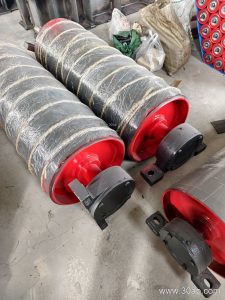
Surface treatment is another area where customization pays off. Plain finish suits clean, low-slip duties. Rubber lagging—cold bonded or hot vulcanized—improves grip and wear life. Diamond or herringbone grooving helps with wet or dusty conditions, and ceramic lagging is chosen for high-abrasion service. Lagging thickness commonly falls in the 8 to 20 mm range. Shaft diameters such as Ø80, Ø100, Ø120, Ø140, or Ø160 are selected from the actual bending and torsional loads, not copied from a belt-width chart.
Where Custom Pulleys Fit in the Line
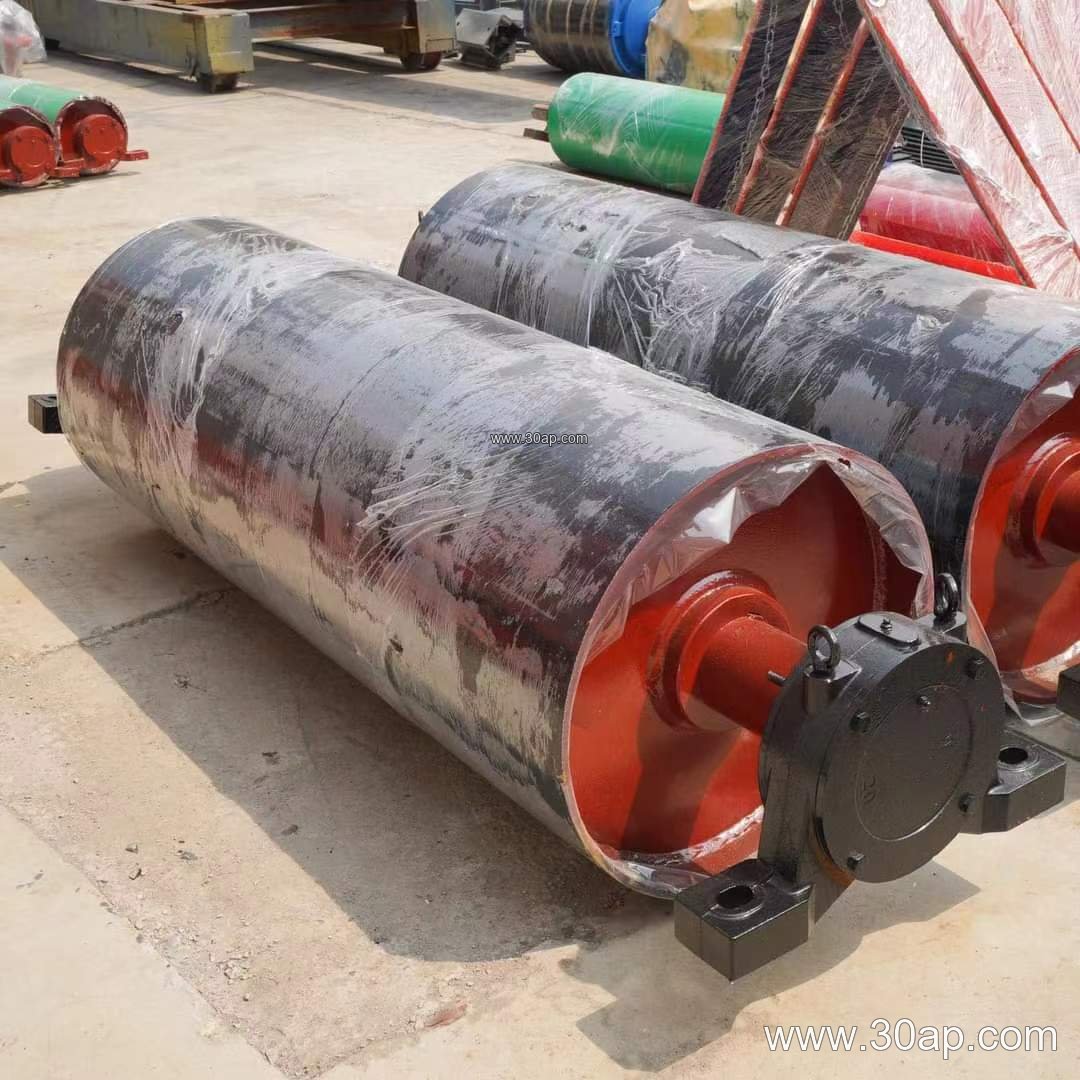
Custom drums appear at head, tail, tension, and bend positions, but each position has different demands. A head pulley may need extra lagging for drive traction, while a bend pulley often prioritizes compact diameter and smooth belt tracking. In a limestone quarry or iron ore plant, a non-standard conveyor pulley can be built to clear a tight structural bay or to match an existing conveyor bracket without cutting and re-welding the frame.
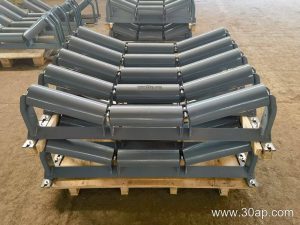
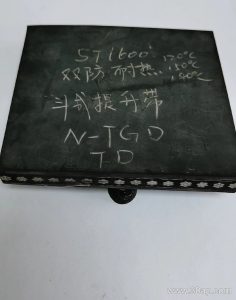
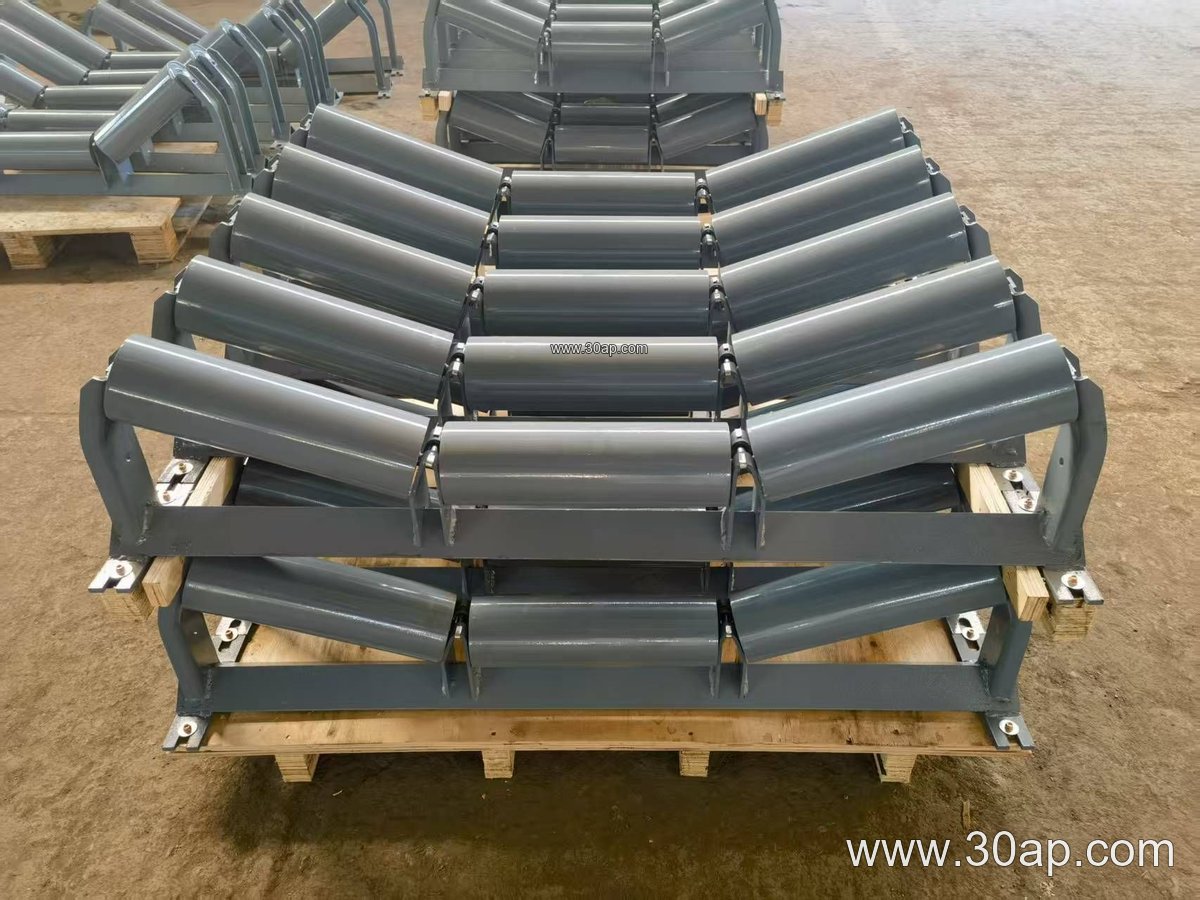
The pulley also has to work with the rest of the conveyor. A heavy-duty mining conveyor belt, such as an EP200 or EP300 fabric core belt or a steel cord belt like ST1250, transfers tension into the drum shell and shaft. Idler roller alignment and conveyor bracket rigidity affect how evenly that tension is distributed. When a standard pulley cannot accommodate the belt’s edge condition or the available bearing space, a made-to-order drum keeps the system balanced.
Specification Pointers for Buyers
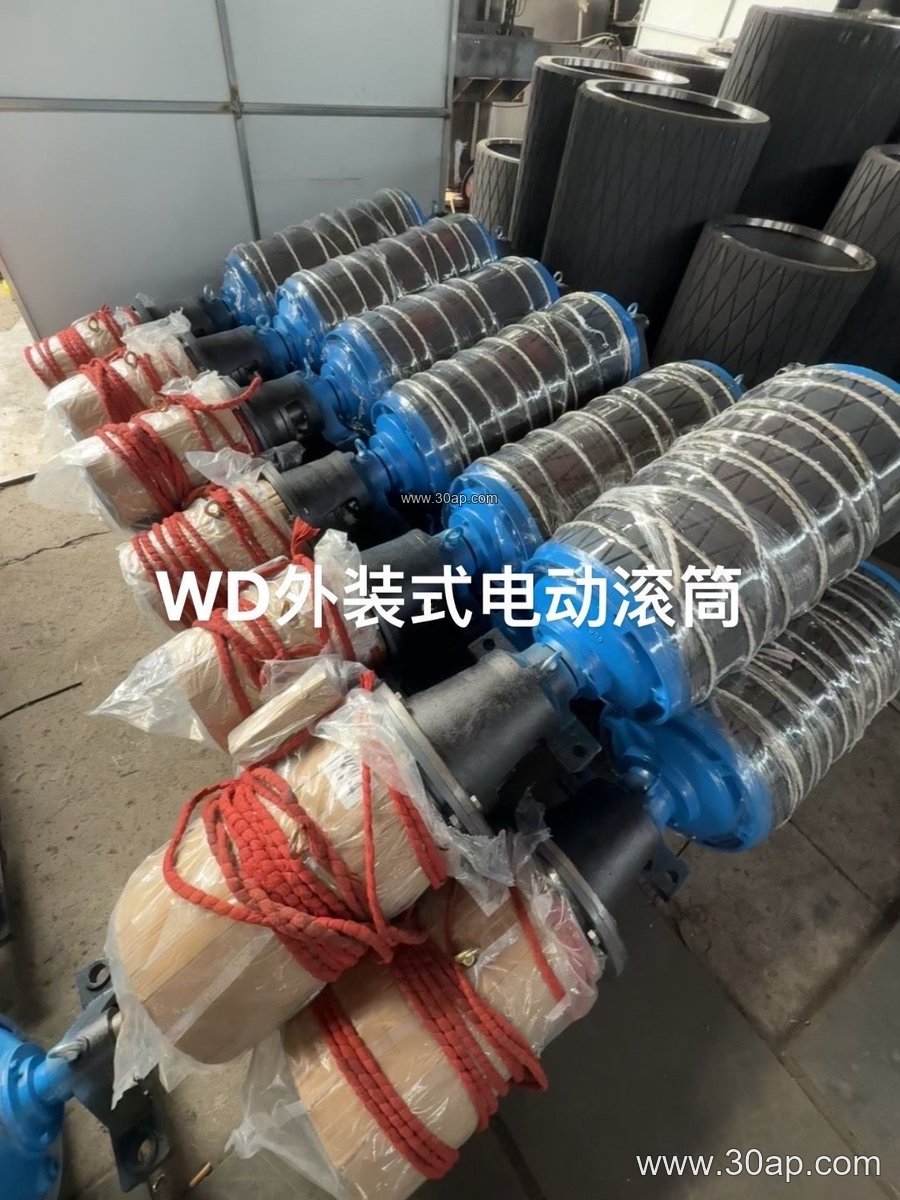
Buyers should share the belt width, belt type, expected tension, pulley position, and available mounting space. A non-standard conveyor pulley quotation is only as good as the data behind it. The table below groups common reference values that often appear in project discussions.
| Parameter | Common reference range |
|---|---|
| Belt width | B400, B500, B650, B800, B1000, B1200, B1400, B1600, B1800, B2000 |
| Pulley diameter | Ø200, Ø250, Ø315, Ø400, Ø500, Ø630, Ø800, Ø1000, Ø1250, Ø1400 |
| Face width example | B800 around 950 mm; B1200 around 1400 mm; B1600 around 1800 mm |
| Shaft diameter | Ø50, Ø60, Ø70, Ø80, Ø90, Ø100, Ø120, Ø140, Ø160, Ø180, Ø200 |
| Lagging thickness | 8, 10, 12, 15, 20 mm |
| Surface options | Plain, rubber lagging, diamond grooving, herringbone grooving, ceramic lagging |
Note that a B1200 belt might run on a Ø1000 drum in one plant and a different diameter in another, depending on wrap angle and tension. No single diameter is mandatory for a given belt width.
Application Notes Across Industries
In a coal washing plant, a flame retardant conveyor belt and non-standard pulley may be specified together to meet underground or enclosed gallery conditions. In a copper ore concentrator, abrasion resistant conveyor belt grades pair with ceramic-lagged pulleys to handle sharp, wet feed. Cement plants often need heat resistant conveyor belt capability near clinker zones, while the pulley itself may require a heat-tolerant lagging compound. Port bulk terminals handling wide belts may use B1800 or B2000 pulleys with face widths near 2000 to 2200 mm and shafts sized for high starting torque.
For any of these sites, the pulley should be checked against the conveyor belt’s tension rating, the idler roller spacing, and the bracket load capacity. A non-standard conveyor pulley is not automatically heavier or stronger; it is simply built to the actual duty.
Maintenance and Replacement Planning
Keep records of shell diameter, face width, shaft diameter, lagging type, and bearing size for every custom drum. When replacement is needed, those records shorten the quoting process and reduce the risk of a mismatch. Inspect lagging wear, shell cracks, and shaft keyway condition during scheduled shutdowns. Because a non-standard conveyor pulley may have a longer lead time than a stock item, planning spares early is sensible for critical transfer points in mines, power stations, and aggregate plants.