What a Corrosion-Resistant Idler Does
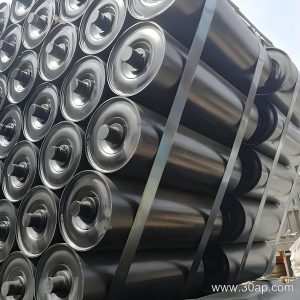
A corrosion-resistant idler is a conveyor idler roller built to keep turning in environments where moisture, salt, acid-laden dust, or chemical splash would quickly attack a standard painted steel roller. In a coal preparation plant, a fertilizer handling line, or a port terminal unloading wet bulk material, the idler roller sits close to the belt and is exposed to the same aggressive conditions as the conveyor belt itself. When the roller shell or bearing housing corrodes, the roll seizes, the belt drags, and the whole conveyor pulley drive train works harder than it should.
The product is still a conveyor idler in function: it supports the belt and the load. What changes is the material and the protective treatment, so the roller keeps its shape and its bearing clearance over a longer service window.
How the Roller Is Built
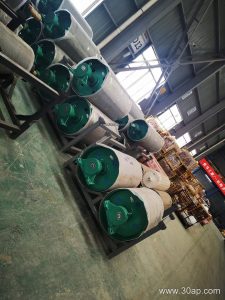
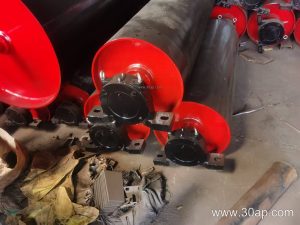
Most corrosion-resistant idlers keep the familiar conveyor idler roller layout: a cylindrical shell, a shaft, bearing housings at each end, and a sealing arrangement. The differences are in the details.
- Shell material – galvanized steel, stainless steel, or a polymer shell for lighter duty. Some designs use a nylon or ceramic roll surface where build-up is a concern.
- Bearing protection – labyrinth seals, multiple lip seals, or sealed-for-life bearings that keep wash water and fine slurry away from the rolling elements.
- Housing treatment – zinc-rich coating, hot-dip galvanizing, or stainless housings, depending on the chemical exposure.
- Fasteners – plated or stainless bolts and end caps, since small fittings often fail first.
Common bearing sizes on these rollers include 6204, 6205, 6305, 6306, 6308 and 6310, matched to the shaft and load rather than to a single roll diameter. A buyer should confirm the seal class and shell material together, because a good seal on a plain steel shell is only half a solution in a salt-laden port atmosphere.
Where These Idlers Fit on the Conveyor
Corrosion-resistant idlers are usually specified for the carrying run and the return run where wet or corrosive conditions are routine. Troughing idler sets in a three-roll arrangement are common on the load-carrying side, while flat return idlers or V-return idlers handle the empty belt. In a wash-down food or fertilizer plant, a return idler that sheds water is just as important as the carrying rolls.
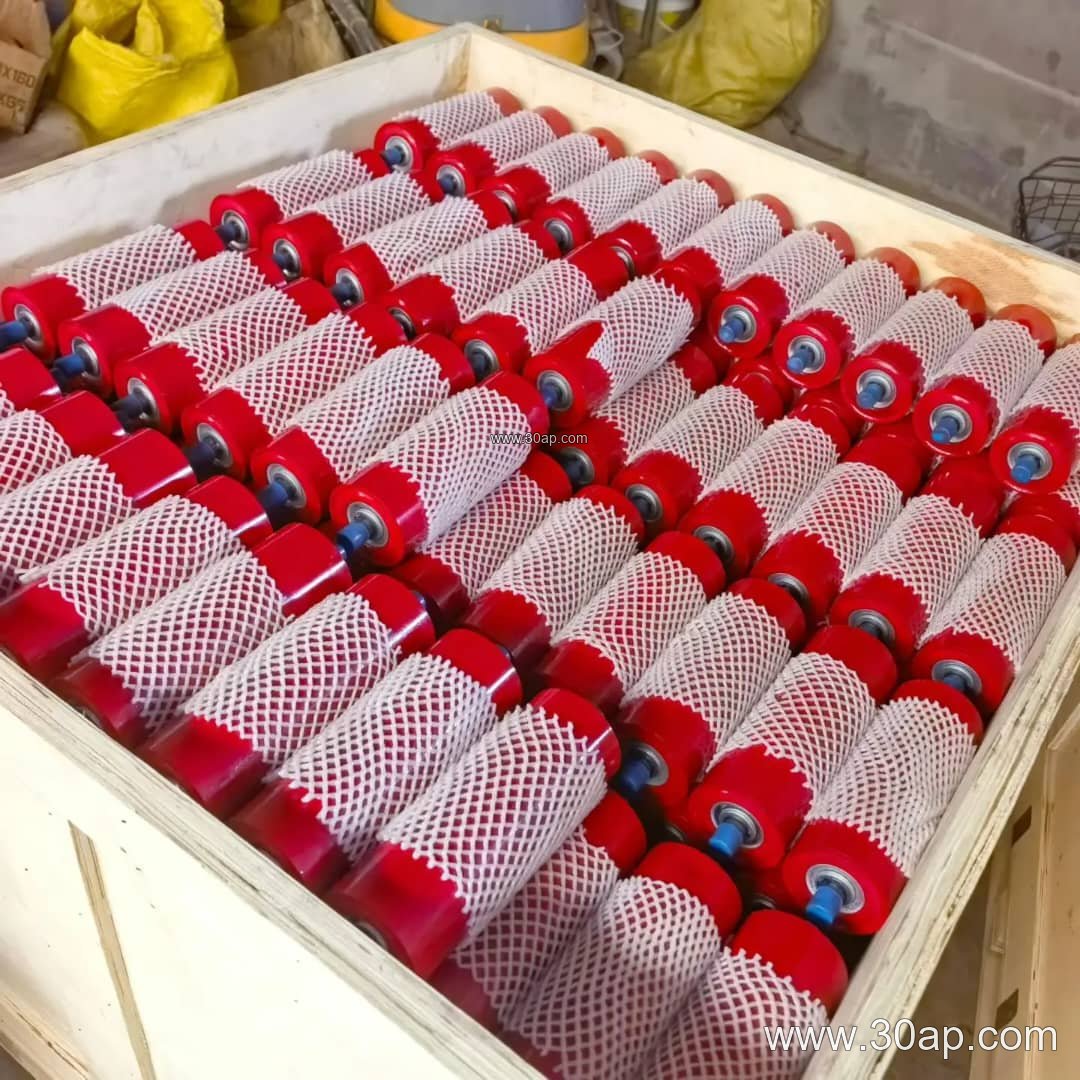
On a wet quarry conveyor, the return run often collects fines and moisture, so return idlers with sealed bearings and a smooth shell reduce the chance of material wrapping around the roller. Where the belt is tracked by self-aligning idlers, the same corrosion protection should be applied to the training rollers, since they are just as exposed.
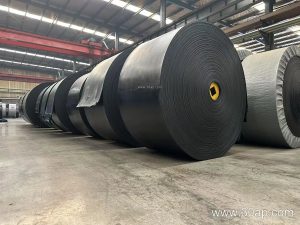
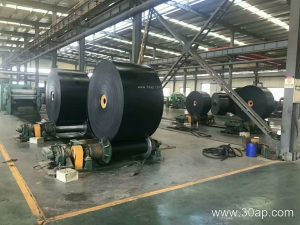
For context, the belt itself is chosen for the same environment: a rubber conveyor belt on a wet aggregate line, an acid resistant grade in a chemical plant, or a flame retardant belt underground. The idler and the belt should be specified as a pair.
Typical Sizes and Configuration Notes
Roll diameter and belt width are selected from the conveyor design, not from a fixed catalogue pairing. The table below shows common reference values that appear in idler discussions; treat them as examples only.
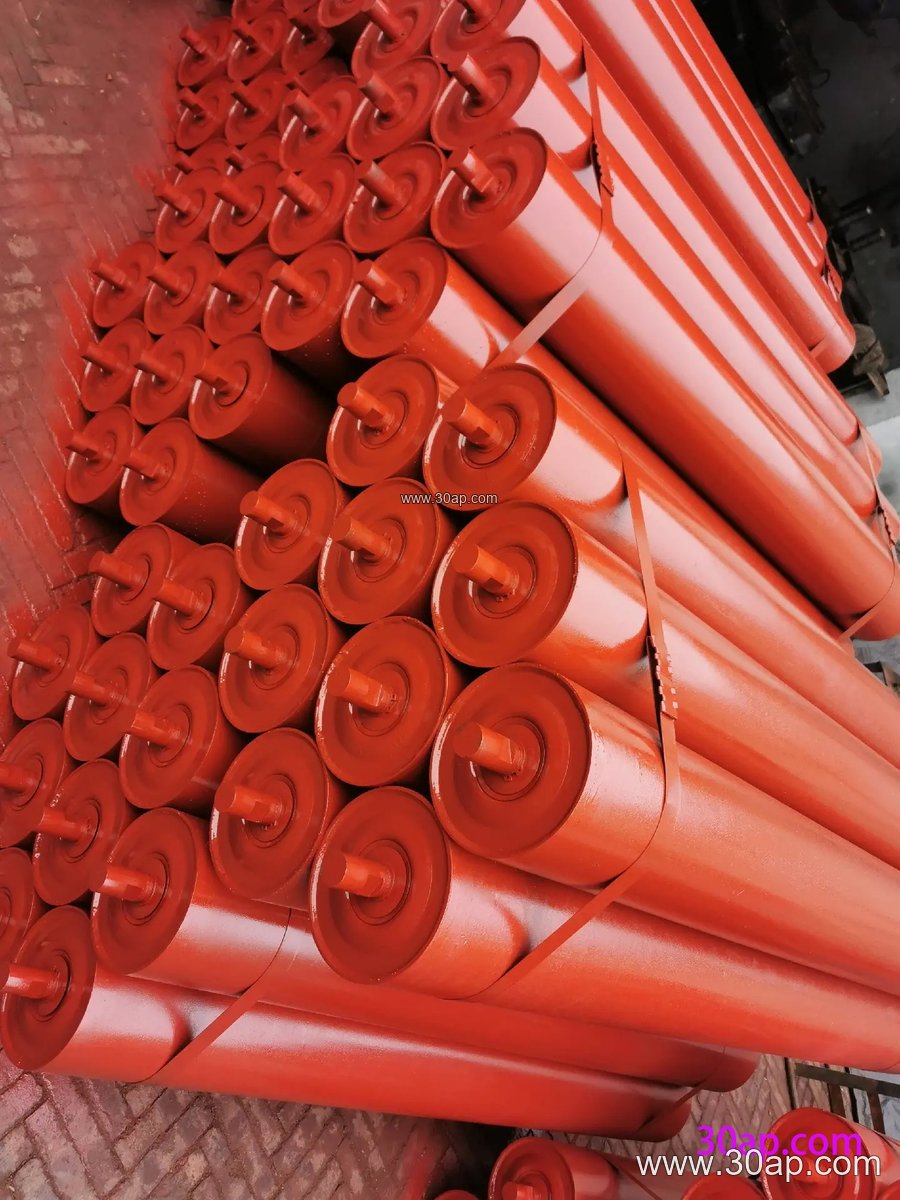
| Item | Common reference values |
|---|---|
| Roller diameter | Ø63, Ø76, Ø89, Ø102, Ø108, Ø127, Ø133, Ø159, Ø178, Ø194, Ø219 mm |
| Belt width | B400, B500, B650, B800, B1000, B1200, B1400, B1600, B1800, B2000, B2200, B2400 |
| Trough angle | 20°, 30°, 35°, 45° |
| Bearing sizes | 6204, 6205, 6305, 6306, 6308, 6310 |
| Roll surface | Steel pipe, nylon, ceramic, rubber ring |
Roll length changes with belt width, trough angle and the idler set form. For a three-roll troughing set, typical roll lengths might be around 200 mm for B500, 250 mm for B650, 315 mm for B800, 380 mm for B1000, 465 mm for B1200, 530 mm for B1400, 600 mm for B1600, 670 mm for B1800 and 750 mm for B2000. Side rolls and centre rolls can differ, so these figures are not a fixed rule.
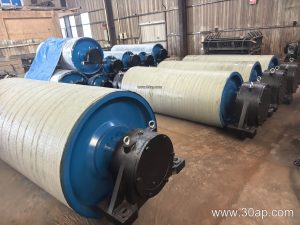
When the conveyor uses a conveyor pulley at the head or tail, the idler spacing and the pulley diameter are designed together to keep the belt path smooth. The conveyor bracket that holds each idler also needs compatible corrosion protection, otherwise the frame rusts and the roller alignment drifts.
What Buyers Should Check
Before ordering, confirm the actual exposure: is the idler washed down, splashed with slurry, or exposed to chemical mist? Ask for the shell material, coating system, seal type and bearing size in writing. Check that the roller diameter suits the belt speed and load, and that the idler set matches the trough angle used on the conveyor. If the line also runs a steel cord conveyor belt or an EP conveyor belt at higher tension, the idler load rating should be reviewed with the belt tension in mind.
Spare parts planning matters too. Keeping a few corrosion-resistant return idlers and troughing rolls on site avoids long stops when a bearing seal finally gives way. For anyone sourcing conveyor components, a quick reference at https://www.jsconveyorbelt.com/corrosion-resistant-idler helps match the roller to the belt width and duty.
Finally, remember that the roller is one part of a system. A well-sealed idler still needs correct alignment, proper spacing and a compatible conveyor belt to deliver its full service life in a wet, salty or chemical plant.