What an Iron Ore Conveyor Idler Does on the Line
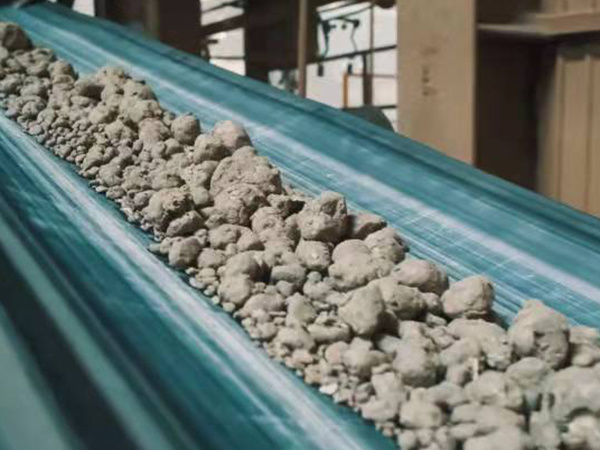
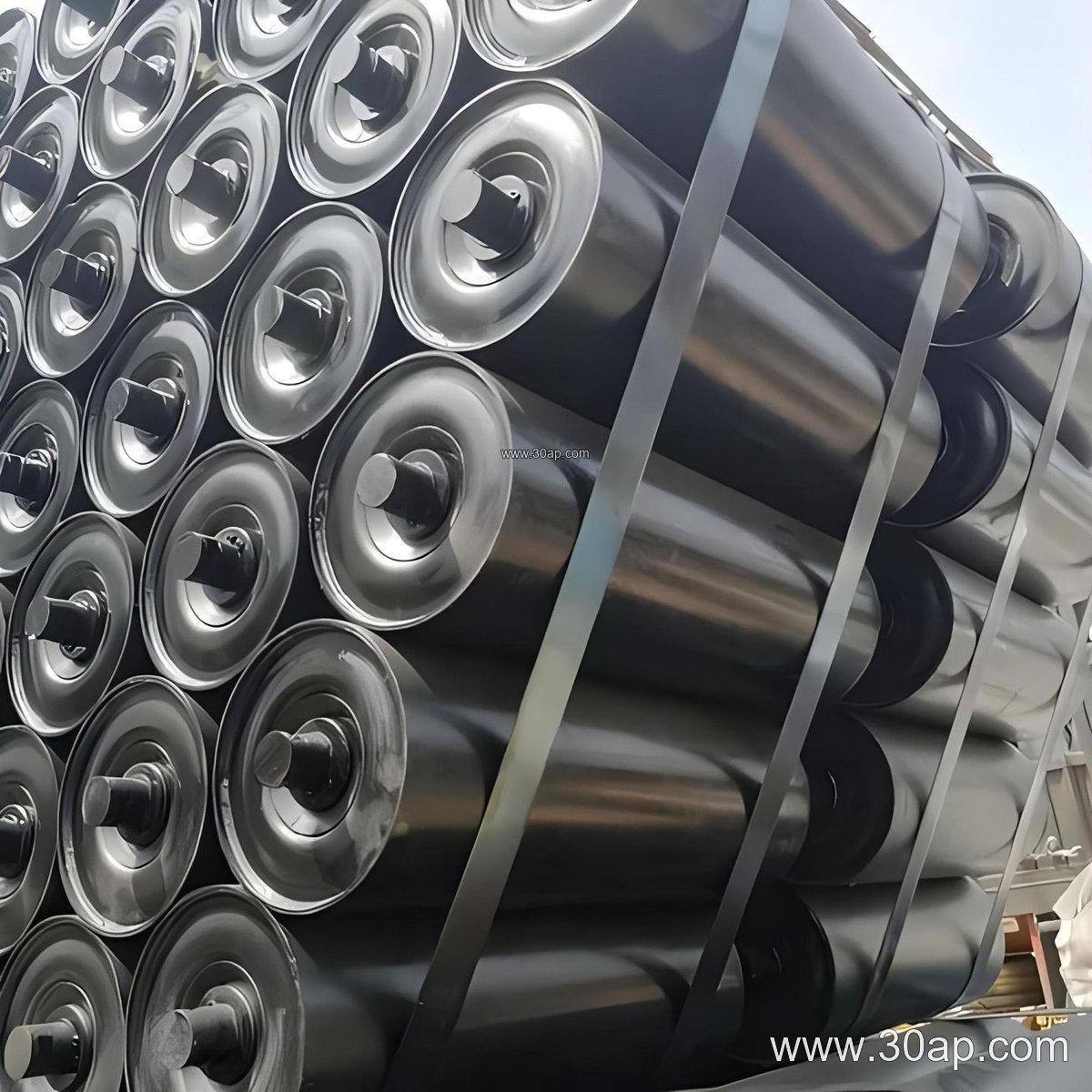
On an iron ore conveyor, the idler roller is the part that carries the loaded conveyor belt and controls its path between the head and tail. In a typical troughing station, three rolls form a cradle that keeps the ore centred, while return idlers support the empty belt on its way back. The duty is severe: iron ore is dense, sharp-edged and often damp, so the rolls must resist abrasion, impact and dust ingress at the same time.
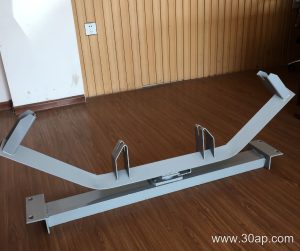
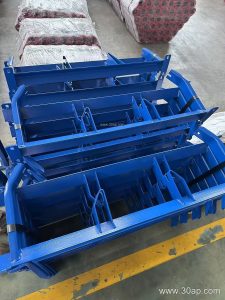
The work is shared across the system. A troughed iron ore conveyor idler handles the load, a conveyor pulley at each end drives and tensions the belt, and conveyor brackets hold every roll in alignment. If any one of these parts is undersized, the belt begins to wander, spillage increases, and the whole ore conveyor belt suffers edge damage.
How These Idlers Are Built
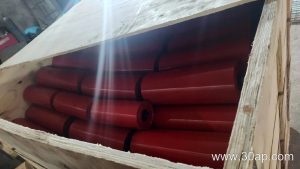
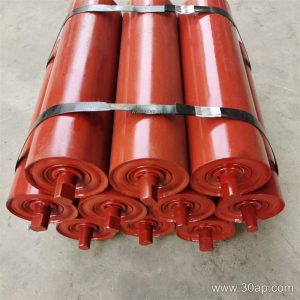
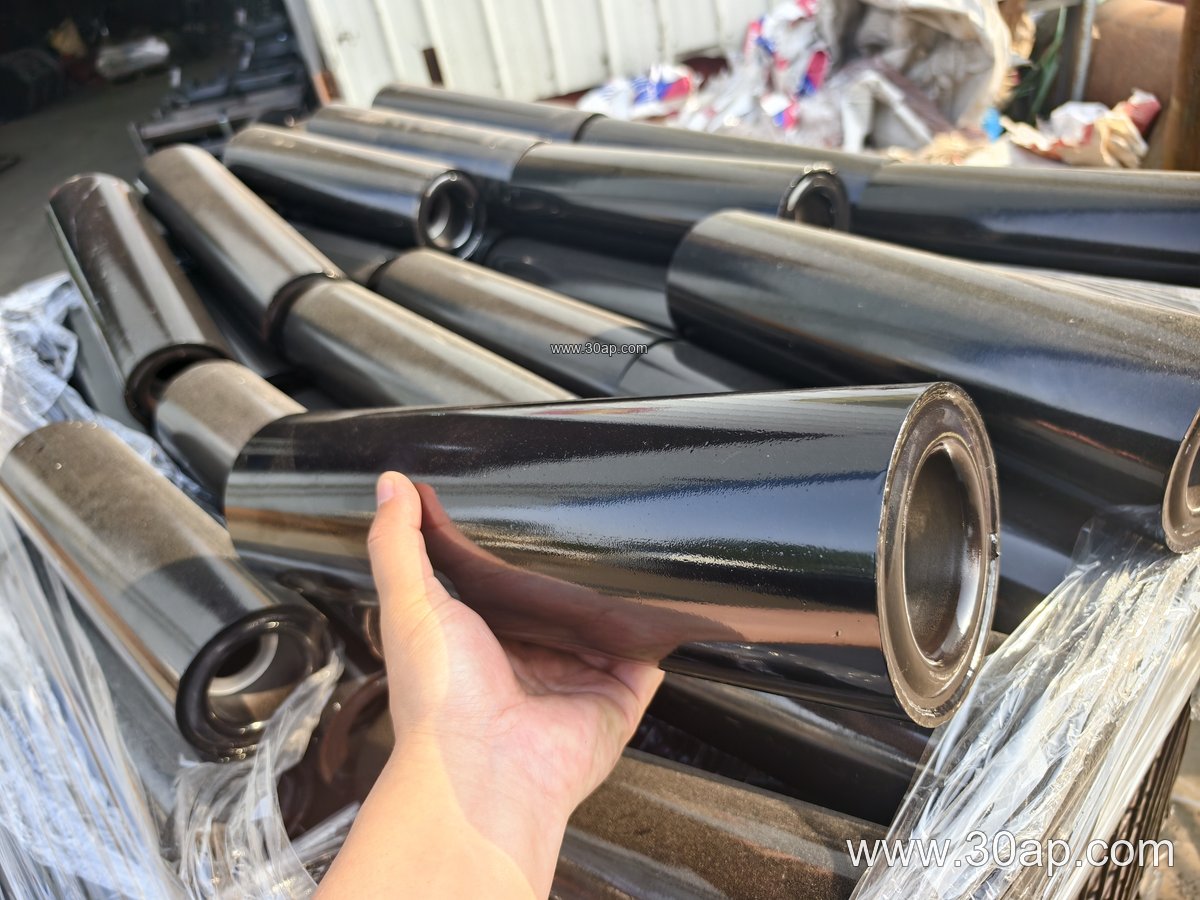
A standard iron ore conveyor idler is a steel tube fitted with pressed bearing housings, sealed bearings and a fixed shaft. The shell may be plain steel, nylon-coated, ceramic-lined or fitted with rubber rings where impact is heavy. Sealing is the critical detail: a multi-stage labyrinth with grease retention keeps fine ore dust and water away from the bearing, which is where most premature failures begin.
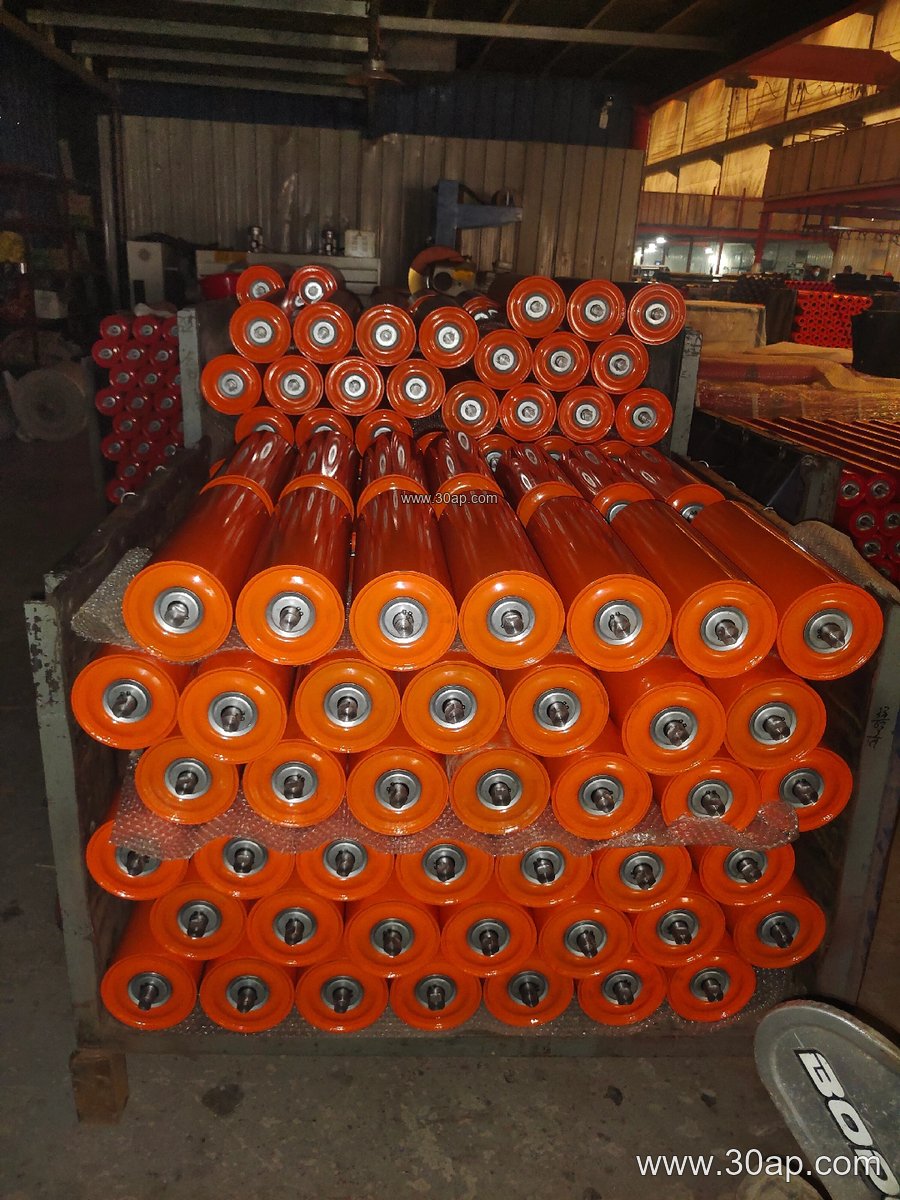
Common bearing sizes include 6204, 6205, 6305, 6306, 6308 and 6310. Bearing choice follows load and speed, not belt width alone, so a wider belt does not automatically dictate one shaft diameter. Roll diameters commonly range from about 63 mm to 219 mm, with 89 mm, 108 mm, 133 mm and 159 mm appearing often in ore-handling stations.
Common Configurations and Reference Dimensions
Troughing angles are usually 20, 30, 35 or 45 degrees; steeper angles suit finer, more fluid loads, while 35 degrees is a frequent compromise for lump ore. The table below gives typical roll lengths for three-roll troughing sets, as reference values only. Side rolls and centre rolls may differ, and final lengths are set by the conveyor design.
| Belt width | Typical roll length, three-roll trough |
|---|---|
| B500 | about 200 mm |
| B650 | about 250 mm |
| B800 | about 315 mm |
| B1000 | about 380 mm |
| B1200 | about 465 mm |
| B1400 | about 530 mm |
| B1600 | about 600 mm |
| B1800 | about 670 mm |
| B2000 | about 750 mm |
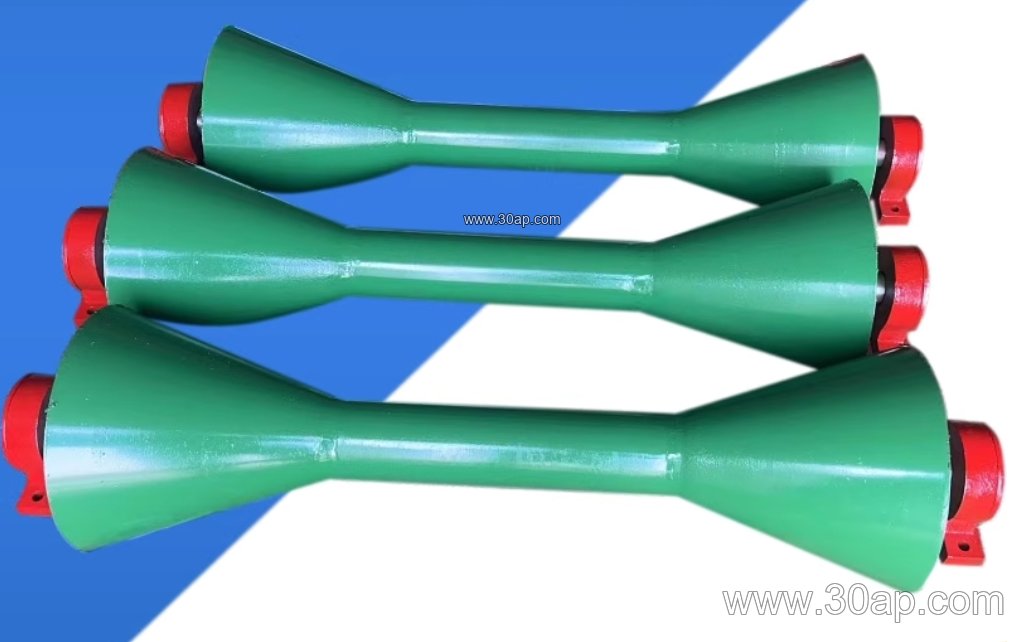
Where ore is dropped from a crusher or transfer chute, impact idlers with rubber rings are placed under the landing zone. Self-aligning idlers, including friction and tapered types, are used on long runs to correct tracking. Spiral return rolls help shed sticky fines.
Where the Load Meets the Roll
Iron ore handling appears in mine concentrators, sintering plants and steel works, and the same idler logic applies at port stockyards and load-out terminals. At a crushing and screening circuit, impact rolls protect the belt below the discharge point, while carrying idlers take the steady load. In a steel plant, sinter and pellet conveyors often pair abrasion-resistant covers with heavy-duty idlers to handle hot, gritty material.
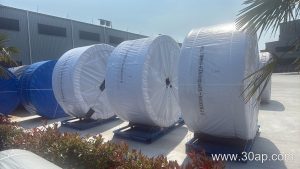
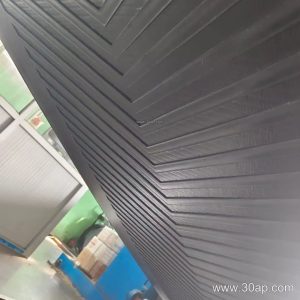
Belt selection and idler selection move together. A steel cord conveyor belt or a high abrasion resistant conveyor belt may need closer idler spacing because it is stiff and heavy; a fabric core belt such as an EP conveyor belt or NN conveyor belt behaves differently. For general ore transport, an iron ore conveyor belt with good cut and gouge resistance is a sensible match for ceramic or rubber-covered rolls.
Buyer Checklist
- Match roll diameter and bearing class to the actual load per station, not to belt width alone.
- Confirm sealing class for wet, dusty or washdown conditions.
- Check that brackets, frames and roll lengths suit the existing trough angle.
- Ask how the shell is balanced and how the shaft is fixed, since vibration shortens bearing life.
- Keep a spare set of return and impact rolls, as these wear fastest in ore service.
For anyone sourcing components, the practical route is to specify the application first, then let the idler supplier confirm dimensions against the conveyor drawing. Related items such as the conveyor belt, conveyor pulley and conveyor bracket should be reviewed at the same time so the whole line works as one system.