What a Mining Conveyor Belt Has to Do
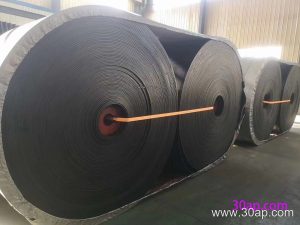
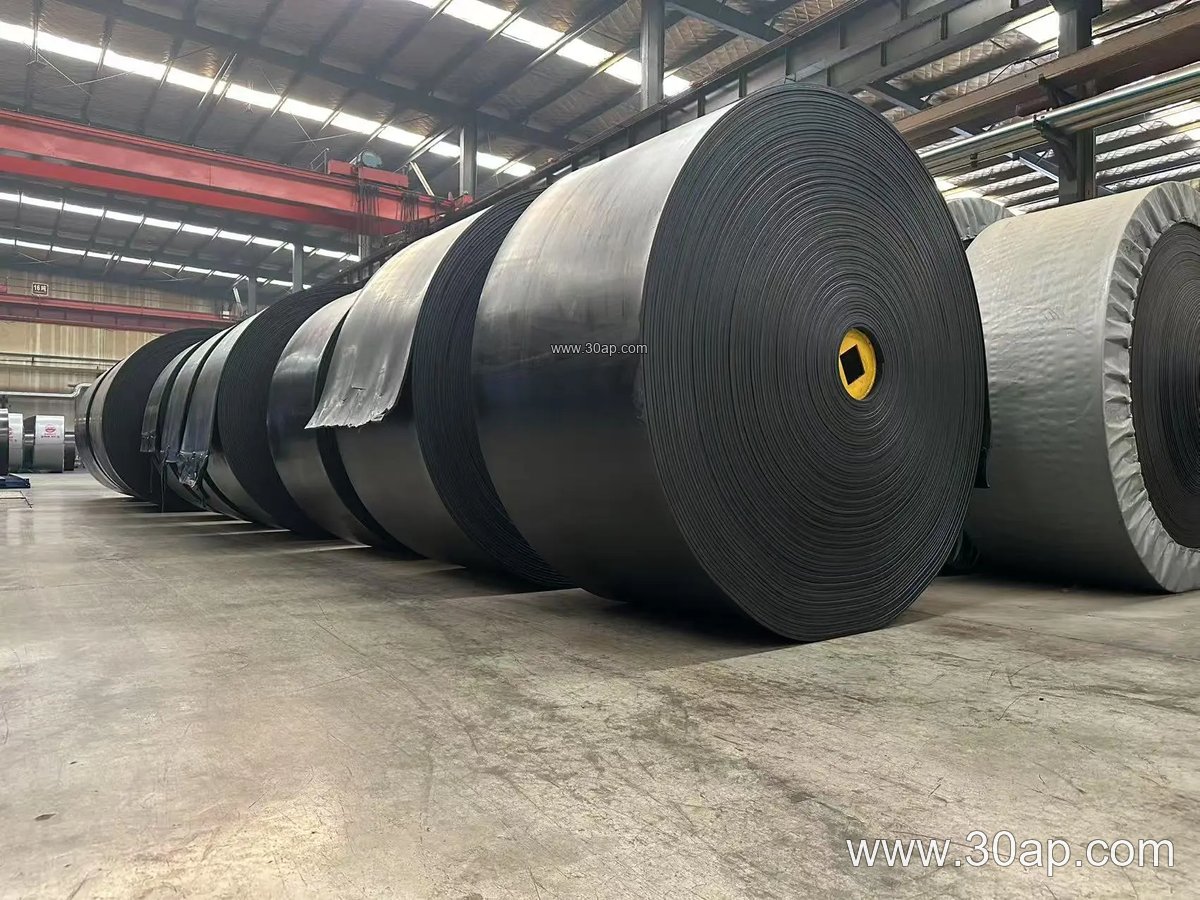
A mining conveyor belt is the load-carrying element of a continuous haulage system, and it works under conditions that punish weaker products. Rock, ore, coal, aggregate and clinker arrive in sharp, hot or wet form, often with heavy impact at the loading point. The belt must grip the drive pulley, track through the idler roller array, and return without wandering. Because a single stoppage can idle an entire crushing or processing line, buyers treat this component as a critical spare rather than a commodity.
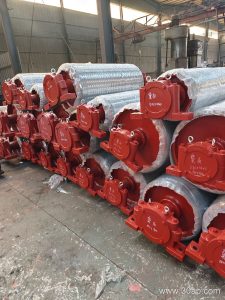
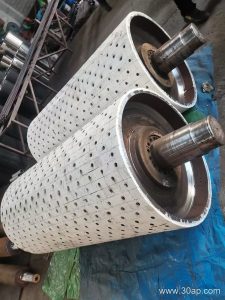
The same product appears under several accurate names, including mining conveyor belting and heavy-duty mining conveyor belt. These are synonyms for one item, not separate categories. Drive, tail and bend pulleys are distinct parts of the machine and cannot be substituted for one another.
Construction and Core Options
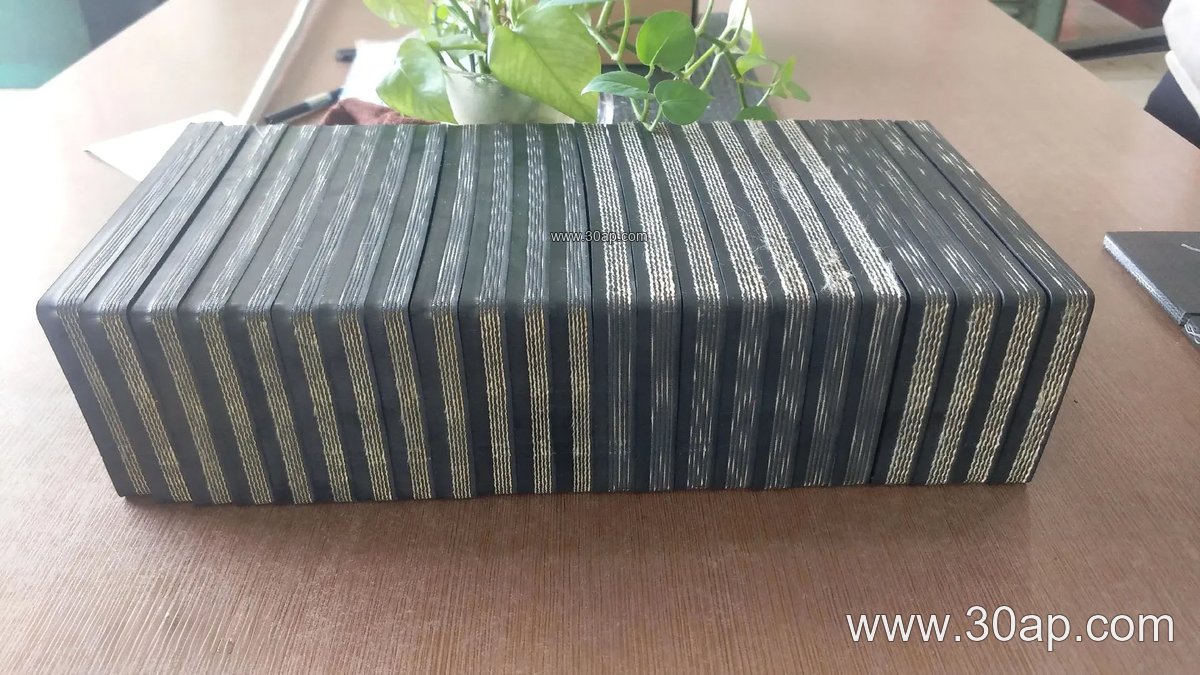
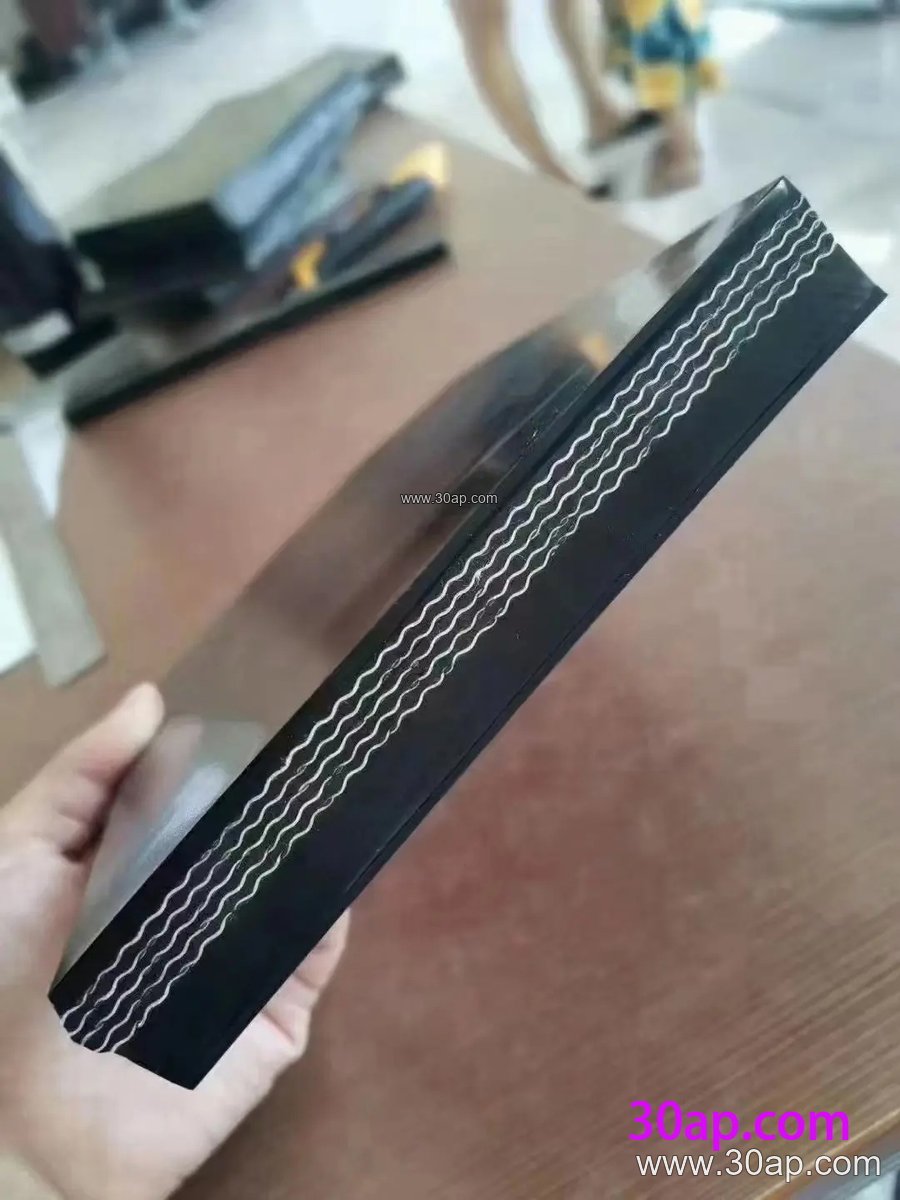
Most belts share a common build. A top cover and bottom cover protect a tension-bearing carcass, and the covers are usually made from rubber or PVC compounds. The carcass determines strength and elongation behavior.
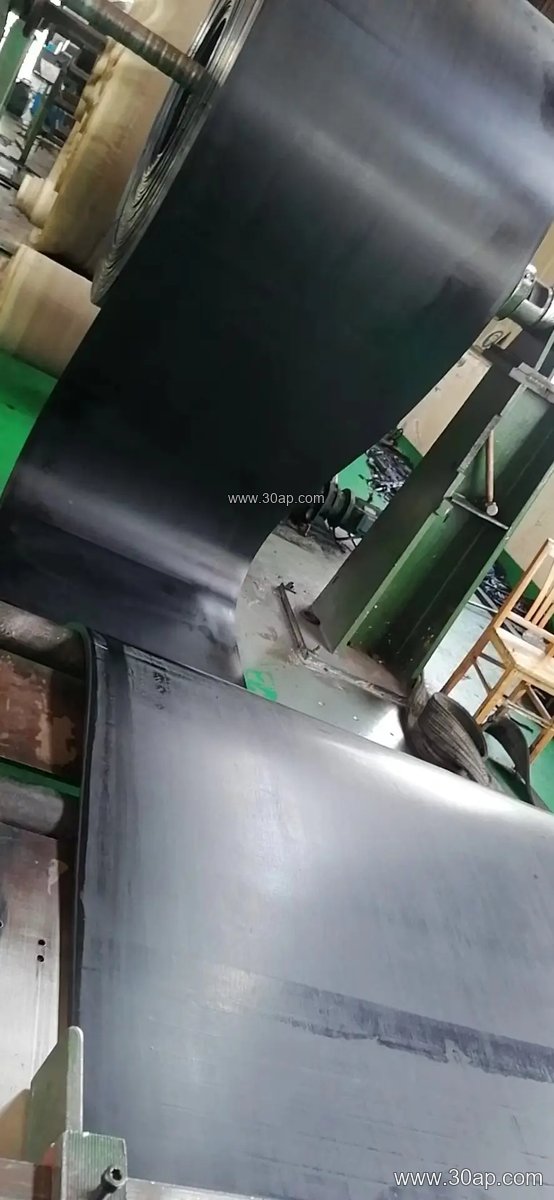
- Fabric core conveyor belt with EP or NN plies: common in quarry, cement and coal handling, offering good troughability and impact tolerance.
- Multi-ply fabric core conveyor belt: several plies are bonded together, typically two to six layers depending on duty.
- Steel cord conveyor belt: high tensile capacity for long overland routes and high tonnage, such as ST1000 through ST3150 constructions.
- Solid woven PVC or PVG belt: often chosen for underground coal mining conveyor belt duty where flame resistance matters.
Cover compounds are matched to the cargo. Abrasion resistant conveyor belt grades suit crushed stone; heat resistant conveyor belt grades suit cement and sinter; oil resistant conveyor belt grades suit oily scrap and certain ores; flame retardant conveyor belt and anti-static conveyor belt grades are typical in coal mining conveyor belt service. Chevron conveyor belt, corrugated sidewall conveyor belt, skirted conveyor belt and pipe conveyor belt are profile variants used when incline, spillage or enclosed transport is the main concern.
Typical Working Environments
In a metal mine, an iron ore conveyor belt or copper ore conveyor belt may run from the pit crusher to the stockpile, with a rock conveyor belt receiving coarse feed and an ore conveyor belt handling screened product. Gold mining conveyor belt systems often combine fabric and steel cord sections. In coal, an underground mining conveyor belt must meet fire safety expectations, while a surface coal conveyor belt may prioritize cut and impact resistance.
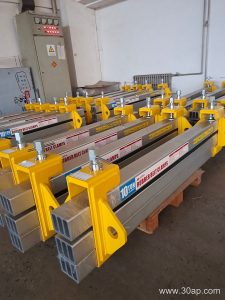
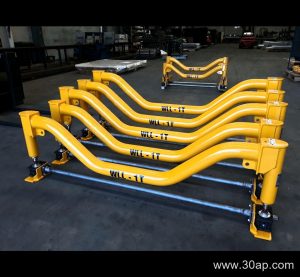
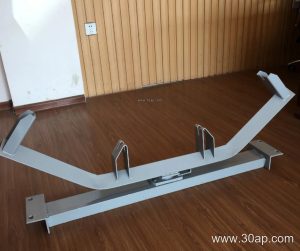
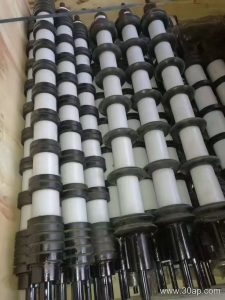
Cement plants use limestone, clinker and additive belts; power plants use coal and ash belts; sand and gravel operations rely on aggregate conveyor belt and crusher conveyor belt runs. Ports, ship loading, recycling and construction sites also use bulk material conveyor belt designs. In every case, conveyor pulley alignment, conveyor bracket condition and idler roller rotation affect belt life as much as the belt itself.
Reference Data for Early Planning
The values below are common reference points, not verified universal specifications or supply promises. Final figures are set by design.
| Parameter | Typical reference values |
|---|---|
| Fabric strength grades | EP200, EP315, EP400, EP500, EP630, EP800, EP1000, EP1250, EP1600, EP2000 |
| Steel cord grades | ST1000, ST1250, ST1600, ST2000, ST2500, ST3150 |
| Belt width | B500, B650, B800, B1000, B1200, B1400, B1600, B1800, B2000 |
| Cover thickness | 3+1.5, 4+2, 5+2, 6+2, 8+3 mm |
| Carcass plies | Usually 2 to 6 layers in fabric constructions |
A wider belt does not dictate one pulley diameter, and belt width alone cannot define shaft size. Those choices come from tension, wrap angle and pulley load calculations.
Buyer Checklist
- Confirm the material, lump size, temperature and oil or chemical exposure before choosing a cover grade.
- Check whether flame resistance and anti-static properties are required, especially in coal and underground service.
- Review splice method and whether an endless conveyor belt is preferred for the installation.
- Verify pulley diameters, trough angle and idler roller spacing with the conveyor designer.
- Plan storage, cleaning and inspection routines to limit edge damage and cover wear.
For mining conveyor belt enquiries, specify width, strength grade, cover thickness, carcass type and operating environment. Clear input avoids mismatched replacements and keeps the haulage route running.