What a Ceramic Rubber Lagged Pulley Is
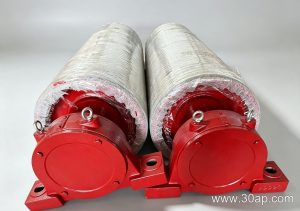
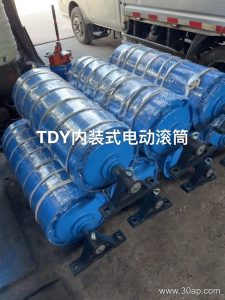
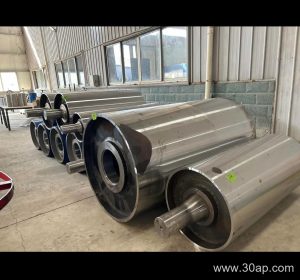
A ceramic rubber lagged pulley is a conveyor pulley whose shell is covered with a rubber layer that contains embedded ceramic tiles. This combination gives the pulley a high-friction surface for driving the conveyor belt while protecting the shell from abrasive wear. In bulk material handling, this type of lagging is often chosen for drive pulleys and other positions where slip and wear are concerns. The ceramic rubber lagged pulley is also known as a ceramic lagged conveyor pulley, and both terms refer to the same product.
Construction and Surface Design
The pulley body is typically a welded steel drum with shaft, hubs, and bearing housings. The lagging is applied to the drum surface in one of several ways. Rubber can be hot-vulcanized or cold-bonded to the shell, and ceramic tiles are embedded in the rubber before curing. The tiles are usually arranged in a pattern that leaves small gaps for rubber expansion and for drainage of fine particles. Common lagging thicknesses are 8, 10, 12, 15, and 20 mm, with the ceramic tiles protruding slightly above the rubber surface to bite into the belt.
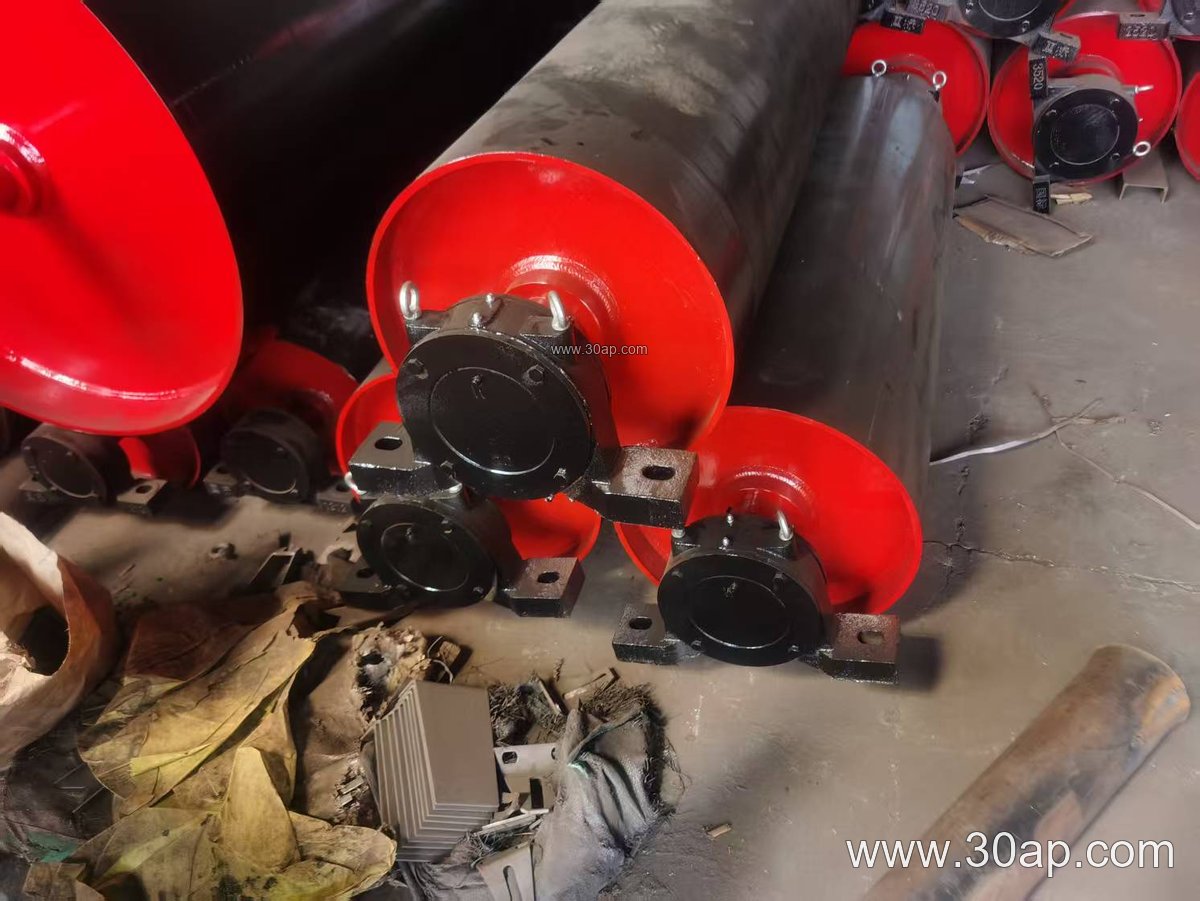
The ceramic surface is not a single form. Buyers may see plain ceramic lagging, diamond-pattern rubber with ceramic inserts, or a combination of ceramic tiles and grooves. Each surface form is designed to balance traction, cleaning, and wear resistance. The pulley face width is usually wider than the belt width; for example, a B800 belt often runs on a pulley face of about 950 mm, and a B1200 belt on about 1400 mm. These are typical references, not fixed rules.
Where It Fits in a Conveyor
Ceramic rubber lagged pulleys are common in drives and tail positions on conveyors that carry abrasive bulk materials. In a limestone quarry, a drive pulley with ceramic lagging can maintain grip on a wet belt without frequent re-lagging. In a coal preparation plant, the same surface helps resist fines that would otherwise polish smooth rubber. The product is also used on bend and tension pulleys where belt wrap is limited and slip risk is higher, but the main subject here remains the ceramic rubber lagged pulley, not other pulley subtypes.
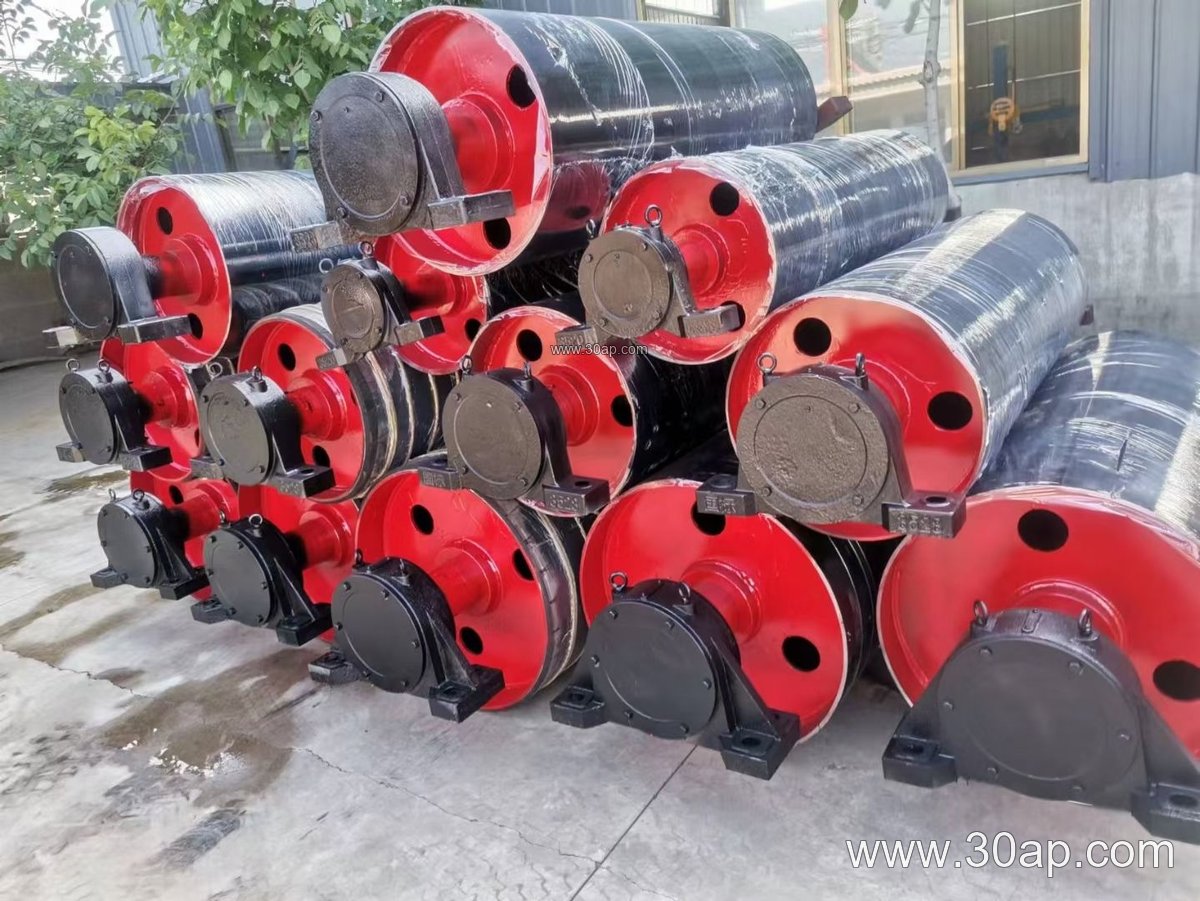
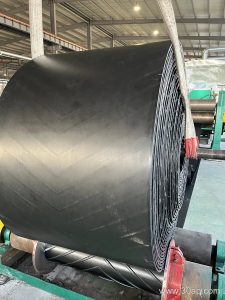
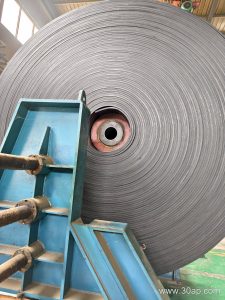
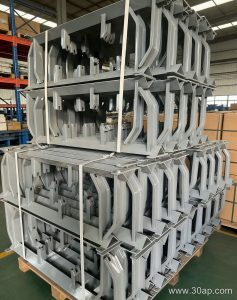
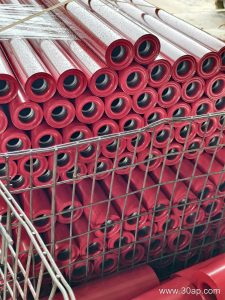
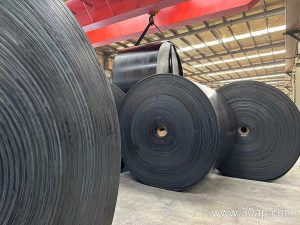
Related equipment includes the conveyor belt, idler roller, conveyor pulley, and conveyor bracket. A ceramic lagged drive pulley works with these components to keep the belt centered and moving. It is not a replacement for a tail pulley or a bend pulley; each position has its own load and wrap requirements.
Common Sizes and Selection Notes
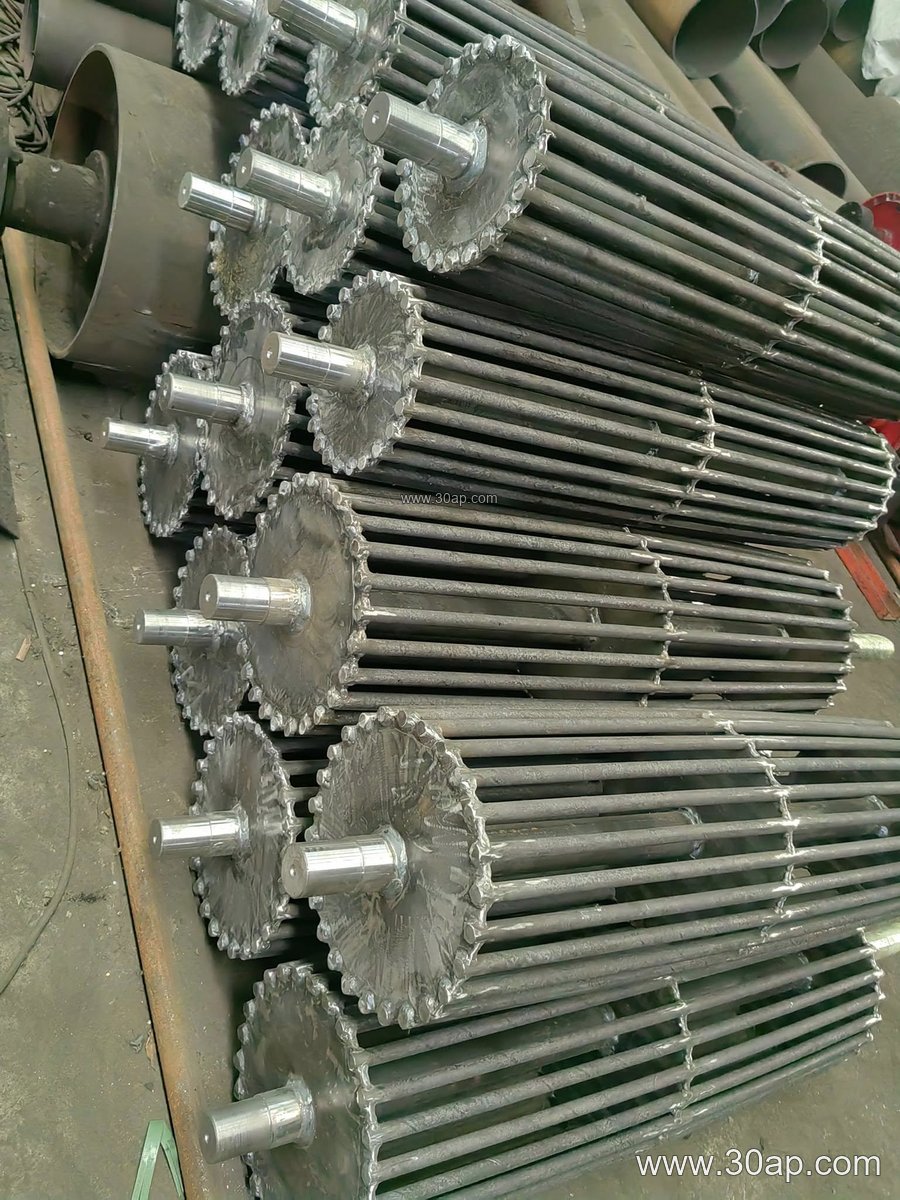
Pulley diameter and face width are selected together with belt width, torque, and shaft load. The table below gives examples of common combinations; they are reference data, not a universal specification.
| Belt width (mm) | Typical pulley face width (mm) | Example diameter (mm) |
|---|---|---|
| B500 | 600 | Ø250, Ø315 |
| B650 | 750 | Ø315, Ø400 |
| B800 | 950 | Ø400, Ø500 |
| B1000 | 1150 | Ø500, Ø630 |
| B1200 | 1400 | Ø630, Ø800, Ø1000 |
| B1400 | 1600 | Ø800, Ø1000 |
Shaft diameter is determined by torque and bearing load, not by belt width alone. Common shaft sizes include Ø80, Ø100, Ø120, Ø140, Ø160, and Ø180 mm, but the final value depends on the conveyor design. A ceramic rubber lagged pulley with a B1200 belt and Ø1000 diameter may use a different shaft than a B1200 pulley with Ø800 diameter, because the torque arm and load distribution differ.
What Buyers Should Check
Before ordering, confirm the pulley position (drive, tail, bend, or tension), the belt width, the required face width, the lagging thickness, and the shaft size. Ask for the ceramic tile pattern and rubber hardness if the conveyor carries wet or sticky material. Check that the lagging is bonded across the full face and that the tile edges are not exposed in a way that could damage the belt. For abrasive service in a cement plant or iron ore mine, a thicker lagging may be preferred, but the decision should follow the duty and the pulley diameter.
Finally, match the ceramic rubber lagged pulley to the conveyor bracket and bearing housing dimensions. A pulley that fits the shaft but not the bracket can cause installation delays. Keep spare lagging sheets or a spare pulley for critical drives, and inspect the ceramic surface for missing tiles during maintenance. These checks help the pulley deliver its intended traction and wear life without overstating what any single size can do.