What the PVG800S Conveyor Belt Is
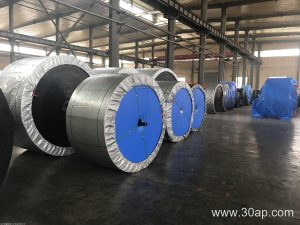
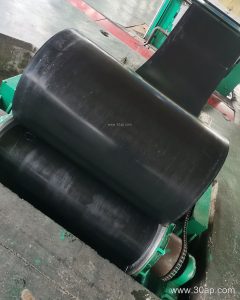
The PVG800S Conveyor Belt is a solid-woven, PVC-based conveyor belt built for tough bulk material handling. In the PVG family, the 800 refers to the belt’s tensile strength class, while the S suffix typically denotes a solid-woven construction with a reinforced carcass. This makes the PVG800S a practical choice where a fabric-core belt needs to resist cutting, abrasion and moisture in demanding industrial settings such as coal mines, cement plants, power stations, sand and gravel yards, and port loading facilities. It is a specific product within the broader PVG Conveyor Belt range, not a substitute for steel cord or multi-ply fabric belts.
The belt is often specified for underground coal mining conveyors and other installations where flame retardancy and anti-static properties matter alongside mechanical strength. Because it is a solid-woven belt, it resists delamination better than some laminated constructions, which helps extend service life in wet or dusty conditions.
Construction and Material Build
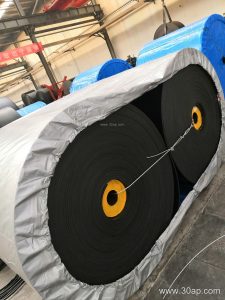
A typical PVG800S belt uses a solid-woven fabric carcass impregnated and covered with PVC. The carcass provides tensile strength and troughability, while the PVC covers protect against moisture, moderate abrasion and many chemicals. Buyers should confirm the actual cover thickness and carcass layer count with the supplier, since these values vary by manufacturer and by intended duty.
Common reference values for this class of belt include:
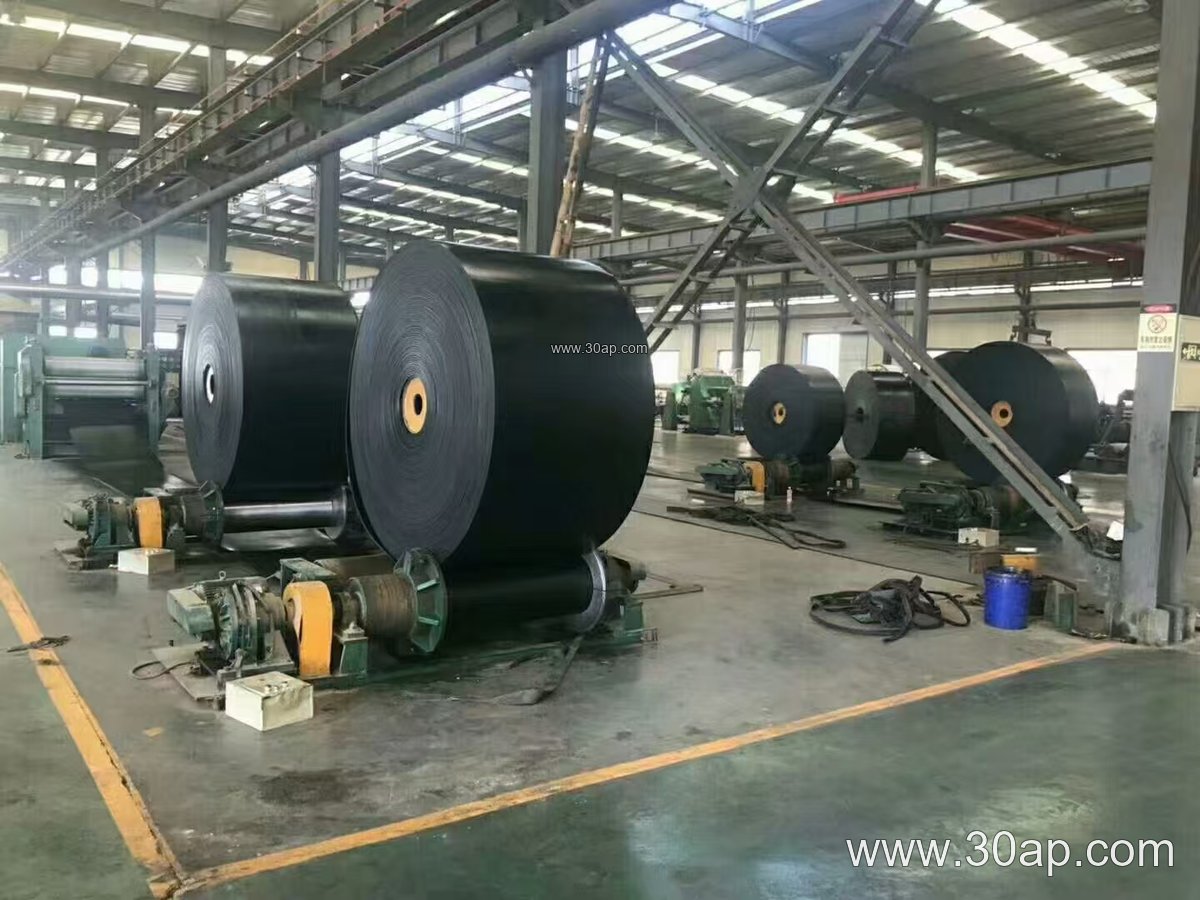
- Strength class: PVG800 (nominal tensile strength around 800 N/mm, subject to manufacturer data)
- Cover thickness: often 3+1.5 mm, 4+2 mm or 5+2 mm depending on abrasion and impact
- Width range: commonly B650, B800, B1000, B1200 and wider, selected by conveyor design
- Construction: solid-woven carcass, PVC covers, available in flame retardant and anti-static versions
These figures are reference data, not fixed universal specifications. The belt width should be matched to the conveyor’s troughing idlers, pulleys and support brackets during engineering, not chosen in isolation.
Where It Fits in the Plant
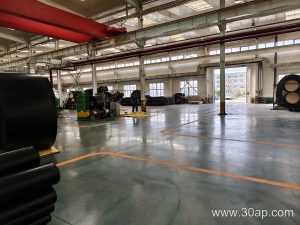
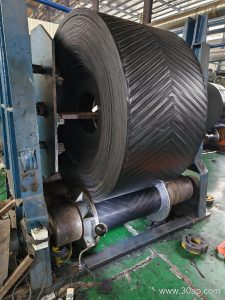
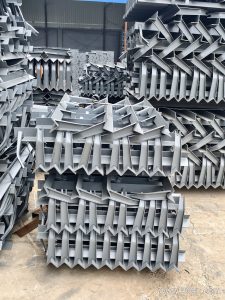
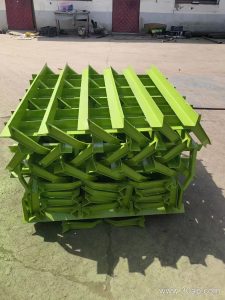
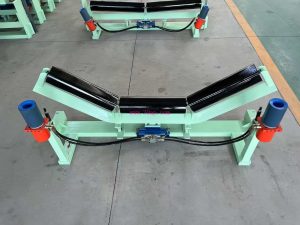
The PVG800S is frequently used in underground coal mining and general mining conveyors, cement and aggregate transport, and power plant coal handling. It also suits sand and gravel operations, crusher discharge lines and bulk material transfer points where a moderately heavy-duty belt is needed. In these systems, the belt runs over idler rollers, wraps around head and tail pulleys, and is supported by conveyor brackets and frames.
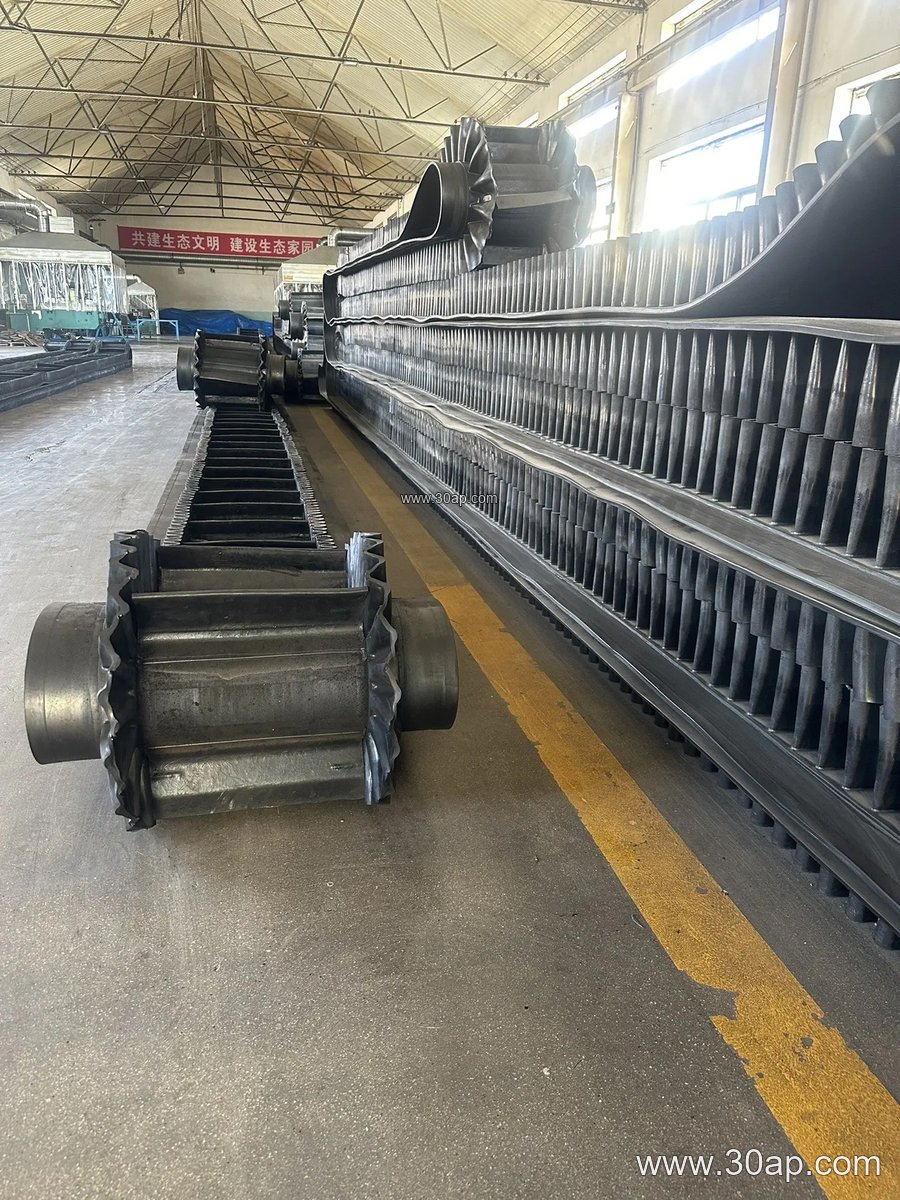
For comparison, a steel cord conveyor belt is usually chosen for very long, high-tension routes, while a multi-ply fabric core belt may suit lighter duties. The PVG800S sits in the solid-woven segment, offering good resistance to moisture and cutting without the higher tension capacity of steel cord designs. Where oil, heat or severe abrasion dominate, a dedicated oil resistant, heat resistant or abrasion resistant conveyor belt grade should be considered instead.
Selection and Buyer Checklist
Before ordering, confirm the required belt width, cover thickness, carcass grade and flame retardancy class against the conveyor design. Check the pulley diameters and idler spacing to ensure the belt can trough and track correctly. Ask for the manufacturer’s tension rating and recommended minimum pulley diameter for the PVG800S, since these are design values rather than universal rules.
Also review the operating environment: wet conditions favor solid-woven PVC belts, while very sharp, heavy rock may call for a thicker cover or a different carcass. For coal mining conveyors, verify flame retardant and anti-static performance with the supplier’s documentation. Keep spare belt, idler roller and pulley components consistent with the original specification to avoid tracking problems.
For related conveyor components and belt options, see Rubber Conveyor Belt, Mining Conveyor Belt and Flame Retardant Conveyor Belt. A well-matched PVG800S installation, supported by correctly sized pulleys and idlers, helps keep bulk material moving reliably in mines, quarries and processing plants.