What a Ceramic Rubber-Lined Pulley Is
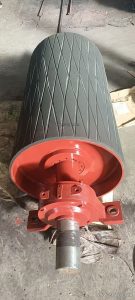
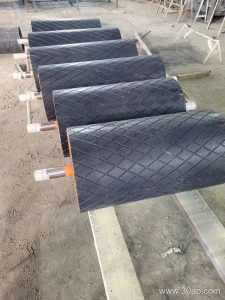
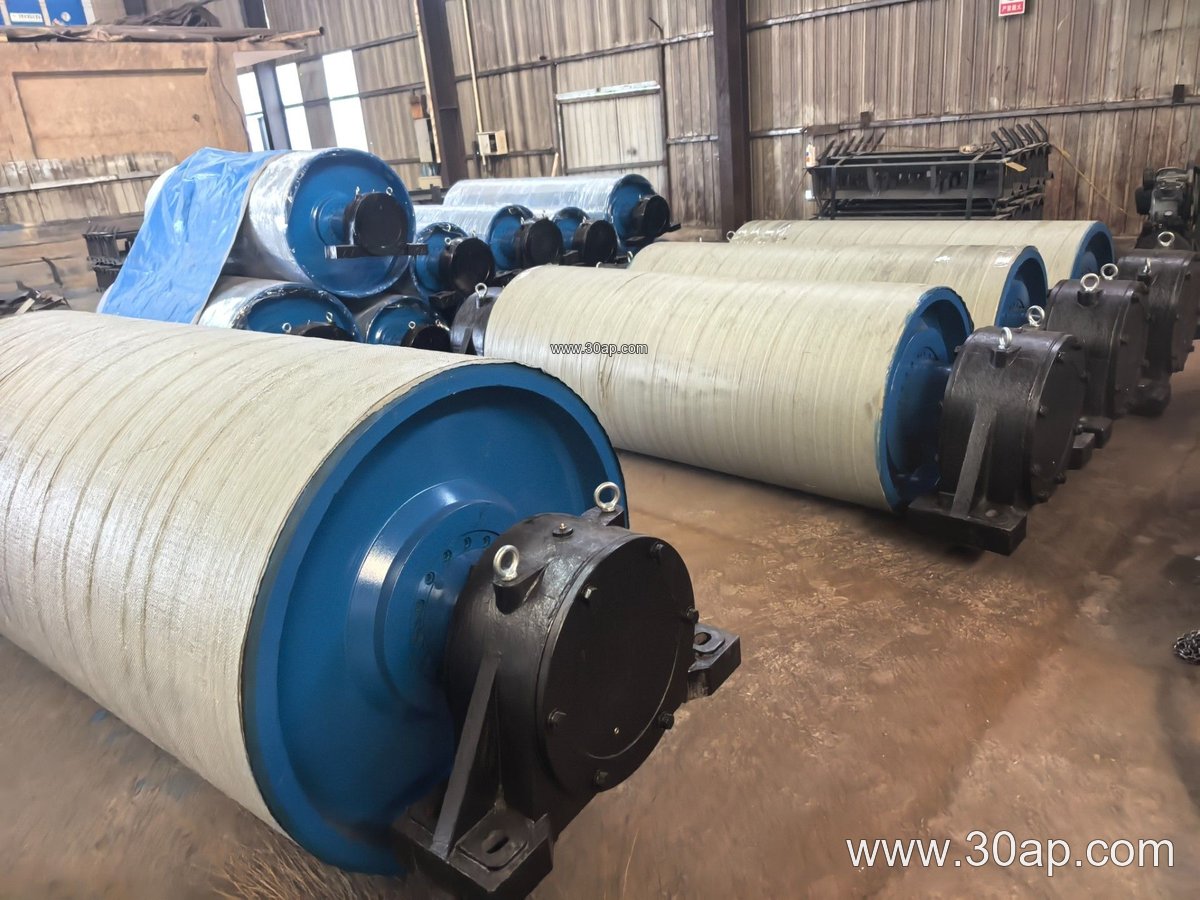
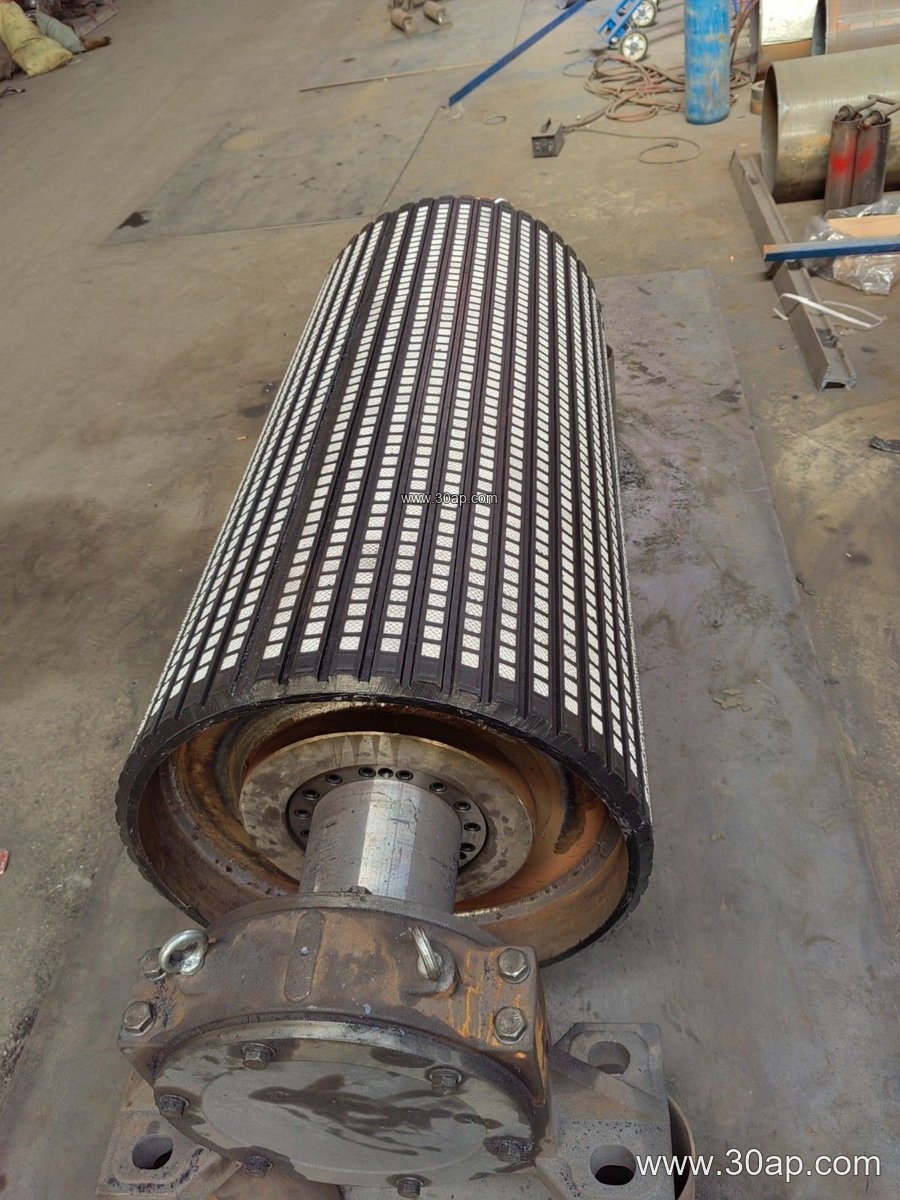
A ceramic rubber-lined pulley is a conveyor pulley whose shell is covered with a rubber layer embedded with hard ceramic tiles. The rubber provides grip and cushioning, while the ceramic pads resist abrasion from the belt and from material that works its way onto the shell. In practice, this product is often called a ceramic lagged pulley or ceramic-coated conveyor pulley, and it is used where ordinary rubber lagging wears out too quickly.
The pulley itself may be a drive pulley, a tail pulley, or a bend pulley. These are not interchangeable positions: a drive pulley transmits torque, a tail pulley supports the return side and helps with belt tracking, and a bend pulley changes belt direction. The ceramic lining is chosen according to the duty at each position rather than applied to every pulley on the conveyor.
How the Ceramic Lining Is Built
Most ceramic rubber-lined pulleys start with a steel shell, a shaft, and end discs. The shell is prepared, then a rubber layer is bonded to it. Ceramic tiles are set into the rubber in a pattern, and the rubber is vulcanized so the tiles stay locked in place. Common lagging thicknesses are 8 mm, 10 mm, 12 mm, 15 mm, and 20 mm, with the tile size and spacing selected for the expected wear.
Two surface forms are common. One has raised ceramic pads with rubber between them, which gives good traction and lets water and fines drain away. The other uses a more continuous ceramic surface for very abrasive duty. Buyers should confirm the bonding method, tile pattern, and rubber hardness rather than assuming every ceramic pulley is the same.
Where It Fits on a Conveyor
In a quarry or aggregate line, a ceramic rubber-lined pulley is often fitted at the head drive position where the belt is under load and slip is a risk. In a coal preparation plant or a power plant coal handling system, it may be used on a tail pulley that sees wet fines and grit. In a cement plant, a bend pulley on a clinker or limestone circuit can benefit from the ceramic surface when conventional lagging polishes and loses grip.
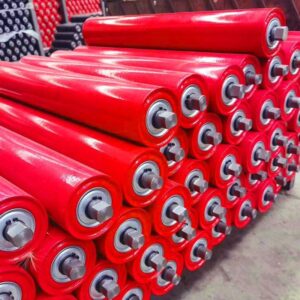
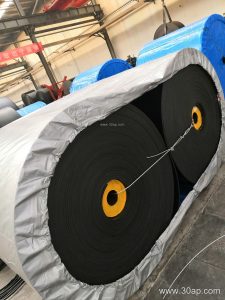
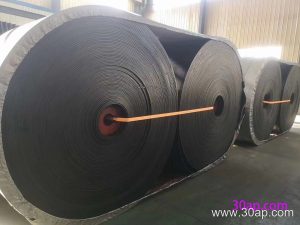
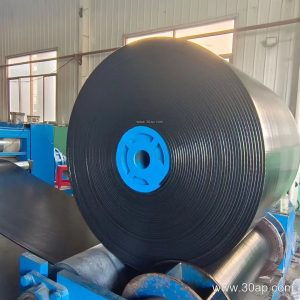
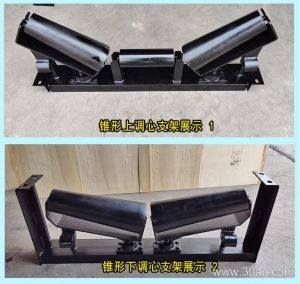
The pulley works together with the conveyor belt, the idler roller sets, and the conveyor bracket that holds the bearing housing. A poorly aligned bracket or worn idlers can shorten the life of even a good ceramic pulley, so the surrounding components deserve attention.
Common Reference Dimensions
The following values are reference examples, not fixed rules. Final dimensions depend on belt width, torque, belt tension, and the pulley position.
| Parameter | Reference values |
|---|---|
| Belt width | B400, B500, B650, B800, B1000, B1200, B1400, B1600, B1800, B2000 |
| Pulley diameter | Ø200, Ø250, Ø315, Ø400, Ø500, Ø630, Ø800, Ø1000, Ø1250, Ø1400 |
| Lagging thickness | 8 mm, 10 mm, 12 mm, 15 mm, 20 mm |
| Shell face width | Usually larger than belt width, e.g. B800 about 950 mm, B1200 about 1400 mm |
| Shaft diameter | Commonly Ø50 to Ø200, selected by torque and load |
A combination such as B1200 × Ø1000 or B800 × Ø500 can be reasonable, but belt width alone does not fix the pulley diameter or the shaft size. The drive calculation and the belt tension determine both.
Buyer Checklist
- Confirm the pulley position: drive, tail, or bend, because the load case differs.
- Match the ceramic pattern to the material: wet fines, sharp rock, or hot clinker all behave differently.
- Check that the conveyor belt grade suits the duty, such as an abrasion resistant conveyor belt or a flame retardant conveyor belt in coal service.
- Review the shaft diameter and bearing selection against the actual torque, not just the belt width.
- Ask how the tiles are bonded and whether the rubber is vulcanized or cold-bonded.
Maintenance Notes
Inspect the ceramic surface for missing tiles and check that the rubber is not lifting at the edges. Keep the belt cleaner working, since carryback trapped between belt and pulley accelerates wear. Check the idler roller and conveyor bracket alignment at the same time. On a heavy-duty mining conveyor belt installation, a ceramic rubber-lined pulley can last well, but only if the belt runs true and the lagging is not overloaded by slip.
For more conveyor components, see the pulley, idler, and belt sections at www.bridgestone-conveyorbelt.com and the roller range at www.bridgestone-conveyorbelt.com/roller.