What a Double-Sealed Idler Is
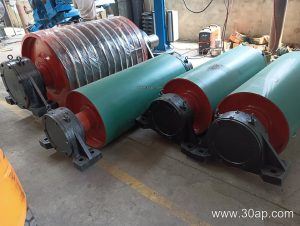
A double-sealed idler is a conveyor roller that uses two sealing elements on each end to keep dust, grit, and moisture away from the bearing. It is also called a double-lip sealed idler or dual-seal conveyor roller. This sealing arrangement is common on idlers that work in quarries, coal washing plants, and cement lines, where fine particles and humidity shorten the life of ordinary rollers. The double seal sits between the rotating shell and the stationary shaft, protecting the bearing cavity on both the inboard and outboard sides.
How the Sealing Works
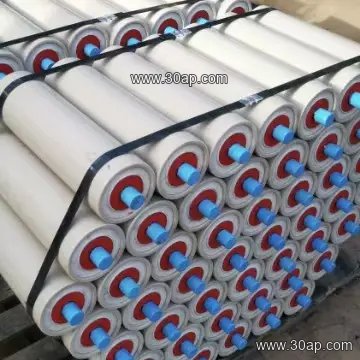
Inside a typical double-sealed idler, you will find a steel tube shell, a through shaft, and a bearing at each end. The seal package usually combines a labyrinth ring with a lip seal, or two lip seals facing opposite directions. The outer seal blocks coarse dust, while the inner seal retains grease and stops fine particles that slip past the first barrier. This two-stage protection is what separates a double-sealed roller from a single-seal design. Bearings such as 6204, 6205, 6305, 6306, 6308, and 6310 are often used, with the final choice depending on load and roller diameter. The seal type does not dictate one bearing size, and a given bearing can serve more than one roller diameter.
Where Double-Sealed Idlers Are Used
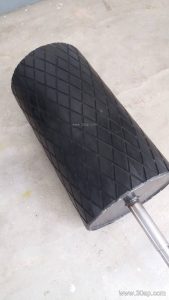
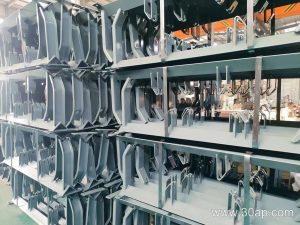
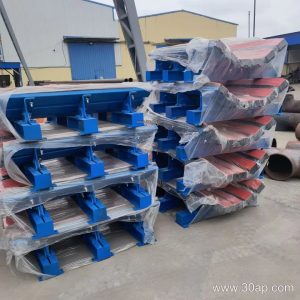
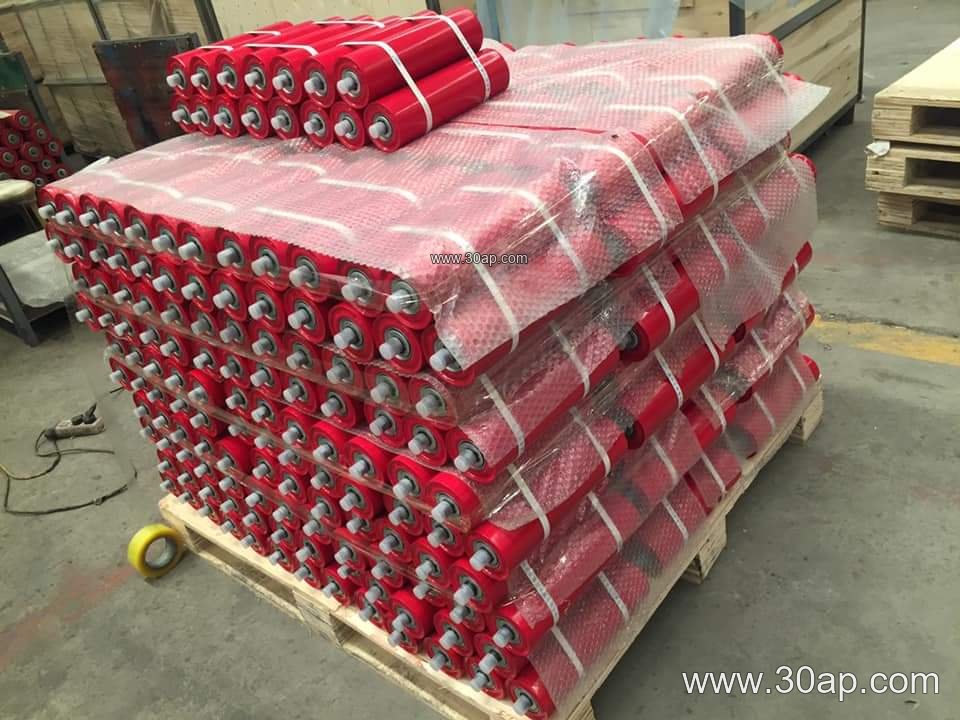
These idlers suit conveyor lines that handle abrasive or wet bulk materials. In a limestone quarry or a sand and gravel plant, dust is constant, and a double-sealed idler helps keep the bearing running smoothly. In a coal washing plant or a power plant coal yard, moisture and fine coal particles are present, so the dual seal adds a useful barrier. The same roller type can be found on belt conveyors in a cement plant, a copper ore handling line, or a fertilizer warehouse where airborne particles are a concern. A double-sealed idler is a carrying or return roller, not a drive pulley or a tail pulley, and it works together with the conveyor belt, conveyor bracket, and conveyor pulley on the same frame.
Common Sizes and Configurations
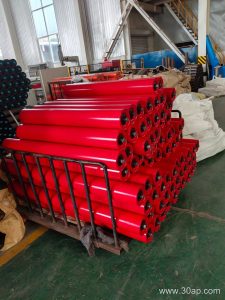
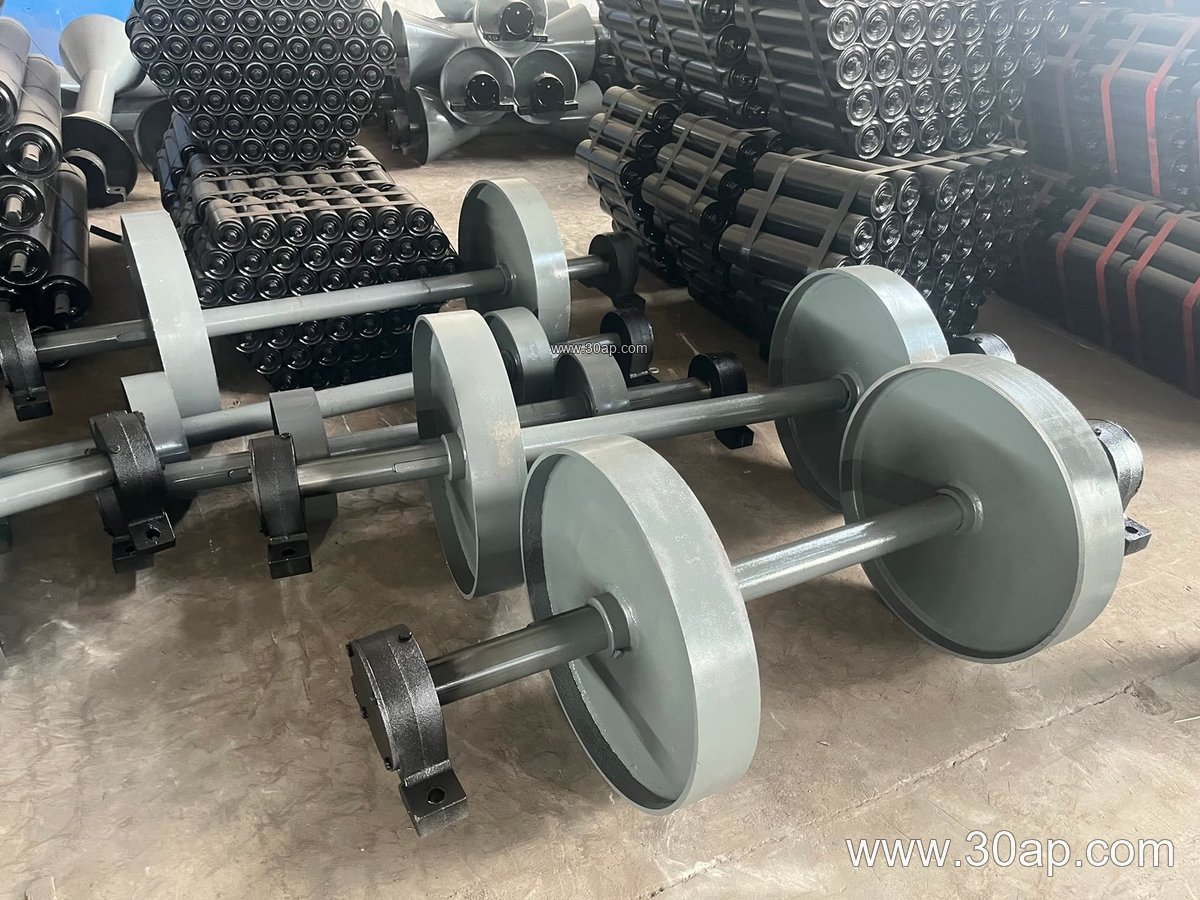
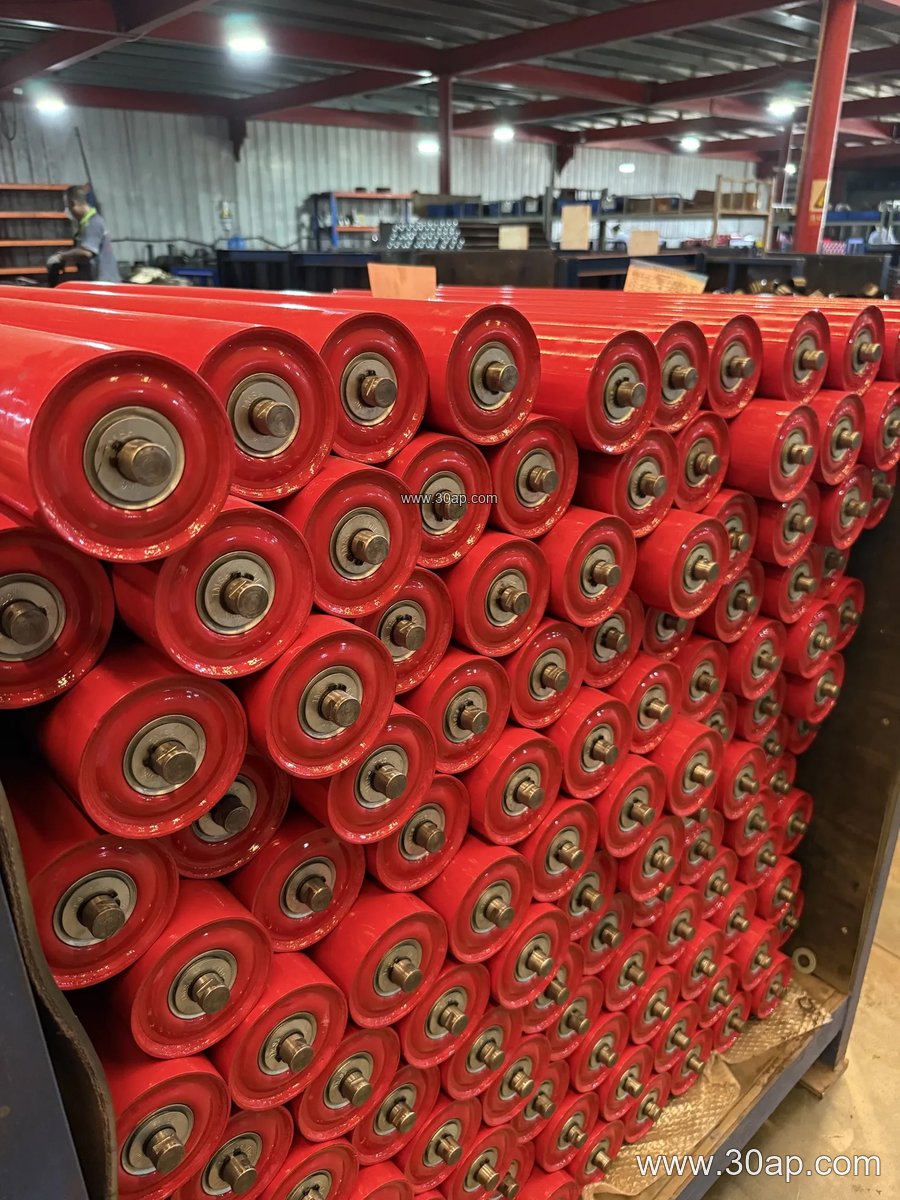
Double-sealed idlers are made in the same roller diameters and belt width ranges as other idlers. The table below shows common reference values, not fixed combinations. Roller length changes with belt width, trough angle, and idler arrangement.
| Parameter | Common reference values |
|---|---|
| Roller diameter | Ø63, Ø76, Ø89, Ø102, Ø108, Ø127, Ø133, Ø159, Ø178, Ø194, Ø219 mm |
| Belt width | B400, B500, B650, B800, B1000, B1200, B1400, B1600, B1800, B2000, B2200, B2400 |
| Trough angle | 20°, 30°, 35°, 45° |
| Roller surface | Steel tube, nylon, ceramic, rubber ring |
| Bearing | 6204, 6205, 6305, 6306, 6308, 6310 |
For a three-roll troughing set, common roller lengths are about 200 mm for B500, 250 mm for B650, 315 mm for B800, 380 mm for B1000, 465 mm for B1200, 530 mm for B1400, 600 mm for B1600, 670 mm for B1800, and 750 mm for B2000. These are examples only, and side rollers can differ from the center roller. When the belt is 1200 mm wide or 1800 mm wide, the idler frame and roller length should be confirmed against the actual conveyor design.
Buyer Checklist
- Confirm the roller diameter and shaft diameter required by the existing frame, not just the belt width.
- Check whether the application needs a troughing idler, return idler, or impact idler, and specify the double-sealed version of that type.
- Match the seal material to the environment, for example dust, moisture, or washdown.
- Review the bearing size and grease retention with the roller supplier.
- Consider the conveyor belt type on the same line, such as an abrasion resistant conveyor belt or a flame retardant conveyor belt, because belt speed and load affect roller selection.
A double-sealed idler is a practical choice for abrasive bulk handling, but it should be selected with the full conveyor layout in mind, including the conveyor pulley, the conveyor bracket, and the belt specification. For heavy-duty mining conveyor belt lines or a long overland conveyor, the roller seal and bearing package should be reviewed together with the idler spacing and load rating.