Why the Idler Roller Matters More Than You Think
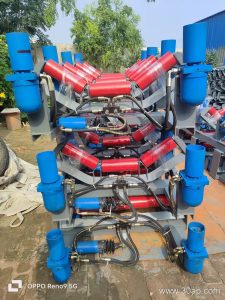
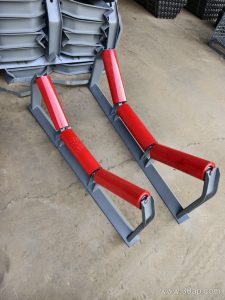
The idler roller is the unsung workhorse of any bulk material handling conveyor. Beyond simply supporting the belt, a correctly chosen idler roller reduces friction, prevents belt misalignment, and extends the life of both the belt and the drive system. Poor selection leads to premature wear, increased downtime, and higher energy costs.
Key Factors When Choosing an Idler Roller
- Load rating: Match the roller’s dynamic load capacity to your actual material weight and impact conditions—never oversize blindly, but avoid under-specifying.
- Roller diameter: Larger diameters reduce belt wrap and improve belt tracking, especially on high-speed or long-center conveyors.
- Idler spacing: Follow the belt sag limit (typically 1–2% of spacing) to avoid excessive flexing and premature belt fatigue.
- Sealing and lubrication: For dusty or wet environments, choose sealed-for-life bearings or a regreasable design with proper sealing (e.g., labyrinth or contact seals).
- Shell material: Steel is standard, but rubber-covered or HDPE shells reduce material buildup and belt wear in abrasive or sticky applications.
Purchasing Advice for Long-Term Value
Always request the manufacturer’s test data for radial run-out and bearing life under your specific operating temperature. Compare total cost of ownership—not just unit price—factoring in energy consumption, replacement interval, and maintenance labor. Also, verify that the idler roller’s frame and bracket dimensions match your existing conveyor stringers to avoid costly modifications.
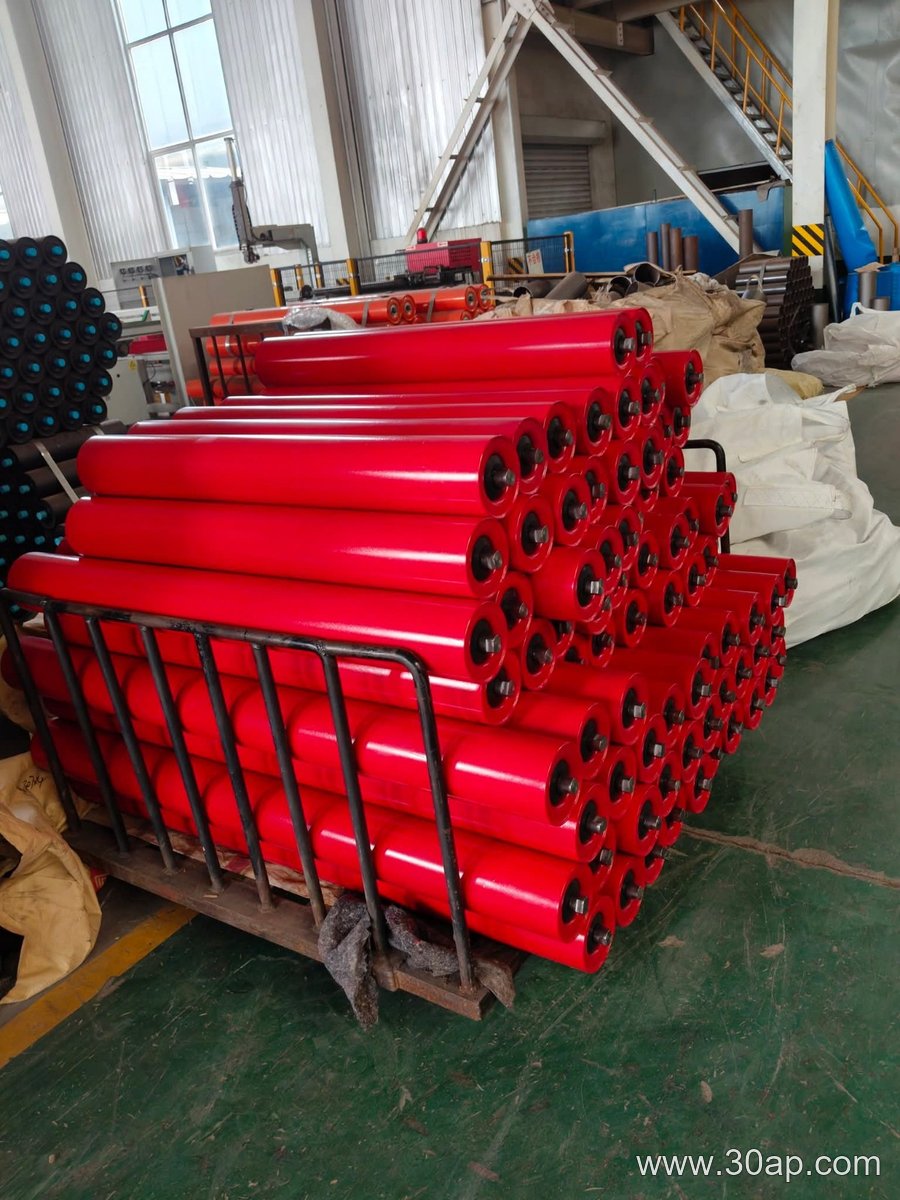
Finally, invest in a spare set of critical rollers for your most demanding transfer points. This simple step can slash unplanned stoppages and keep your production line moving reliably.
Why the Conveyor Pulley Dictates System Reliability
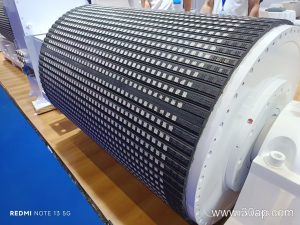
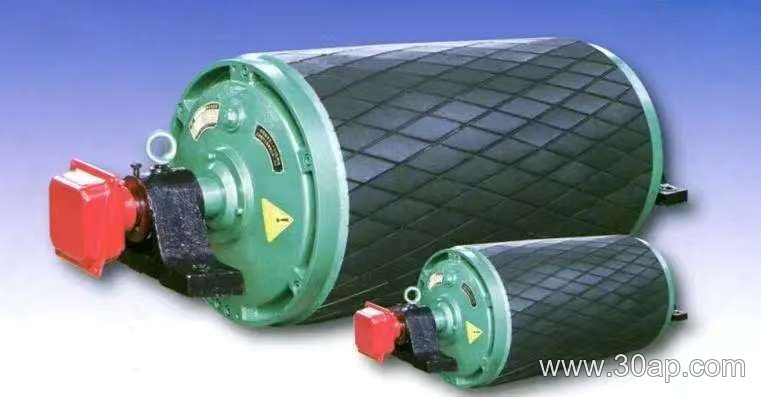
The conveyor pulley is the mechanical core that drives, redirects, and tensions the belt. A poorly chosen pulley leads to belt misalignment, excessive wear, and unplanned downtime. For any bulk handling operation, understanding pulley types and specifications is the first step toward long-term productivity.
Drive, Bend, and Take-Up Pulleys
- Drive pulley – transmits torque from the motor; requires lagging (rubber or ceramic) to increase friction and reduce slippage.
- Bend pulley – changes belt direction, typically at 15° to 45°; smaller diameter than drive, but still needs proper shaft sizing.
- Take-up pulley – maintains belt tension; choose a robust design if your conveyor has frequent start/stop cycles.
Key Selection and Purchasing Criteria
- Shaft diameter and bearing rating must match the calculated belt tension and load weight – never guess these values.
- Shell thickness and crown profile (flat or crowned) affect belt tracking; crowned pulleys are preferred for longer conveyors.
- Check the lagging type: ceramic for high-grip, rubber for abrasion resistance, and smooth for low-speed applications.
- Request dimensional drawings and material certificates (e.g., EN 10025 for steel) to ensure compliance with your plant’s safety and inspection standards.
Practical Advice for Buyers
Always provide your pulley supplier with the belt width, belt speed, and maximum working tension. Ask for a finite element analysis (FEA) report for high-tonnage conveyors. Also, compare total cost of ownership – a cheaper pulley may need early replacement due to poor welding or incorrect bearing clearance. Finally, plan for spare pulleys of the same design to minimize shutdown time during emergency swaps.
Why the Conveyor Bracket Matters More Than You Think
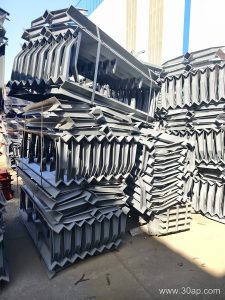
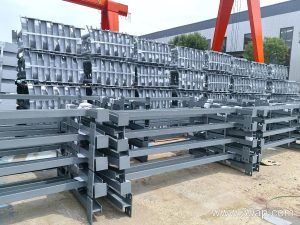
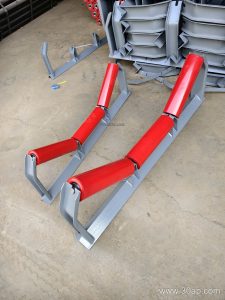
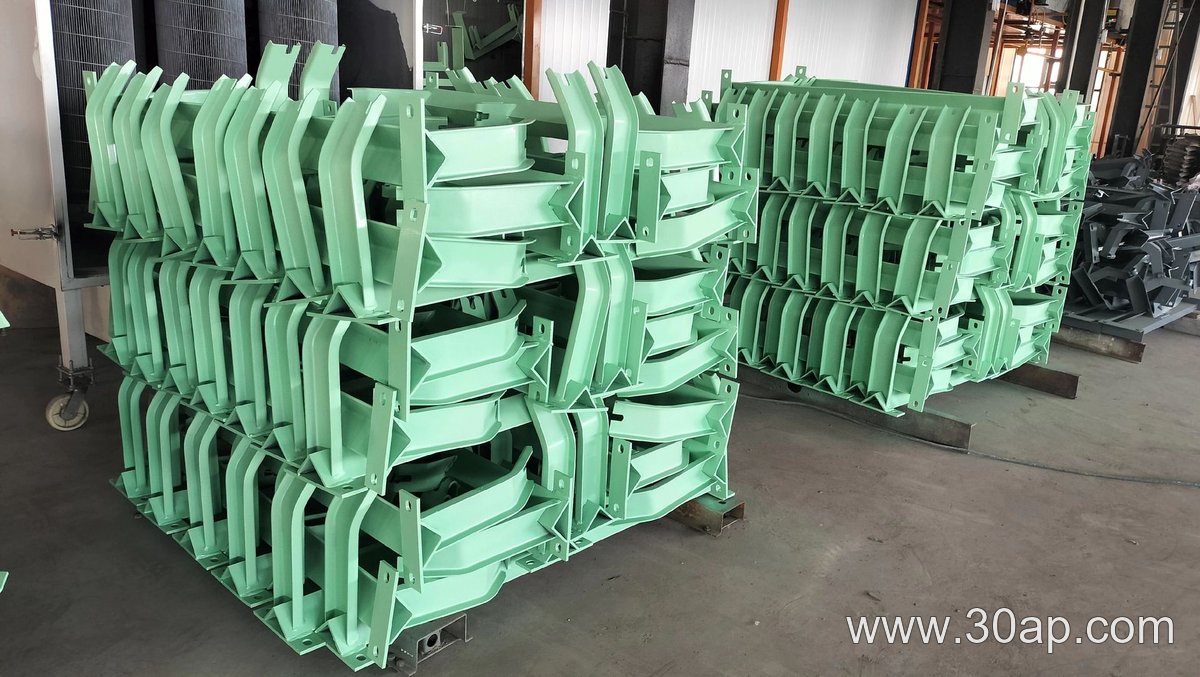
The conveyor bracket is a small but critical component that secures idler rollers, return rollers, and impact beds to the conveyor frame. Without a correctly specified bracket, even the most powerful conveyor motor cannot guarantee stable material flow. A poorly chosen bracket leads to misalignment, vibration, premature bearing wear, and costly downtime.
Key Selection Criteria for Industrial Buyers
- Material grade: Choose galvanized steel for standard dry environments, stainless steel for corrosive or washdown applications, and powder-coated carbon steel for impact-heavy or abrasive loads.
- Fit and adjustability: Slotted mounting holes allow fine tuning of roller height and angle, essential for belt tracking. Fixed brackets are cheaper but limit corrective adjustments.
- Load rating: Always match the bracket’s static and dynamic capacity to the maximum belt tension plus material weight. Under-rated brackets deform over time and cause catastrophic frame damage.
Purchasing Advice to Avoid Common Mistakes
Measure the existing frame width and bolt pattern before ordering. Verify that the bracket’s roller slot depth matches your roller shaft diameter – a 1 mm mismatch causes play and noise. For high-speed conveyors above 3 m/s, opt for brackets with vibration-damping rubber inserts. Request a sample for a trial fit, and confirm the supplier provides tensile test certificates for batches above 100 units. Remember, the cheapest bracket often fails within six months under continuous operation; invest in quality to protect your entire line.
Why the Conveyor Belt Remains the Backbone of Material Handling
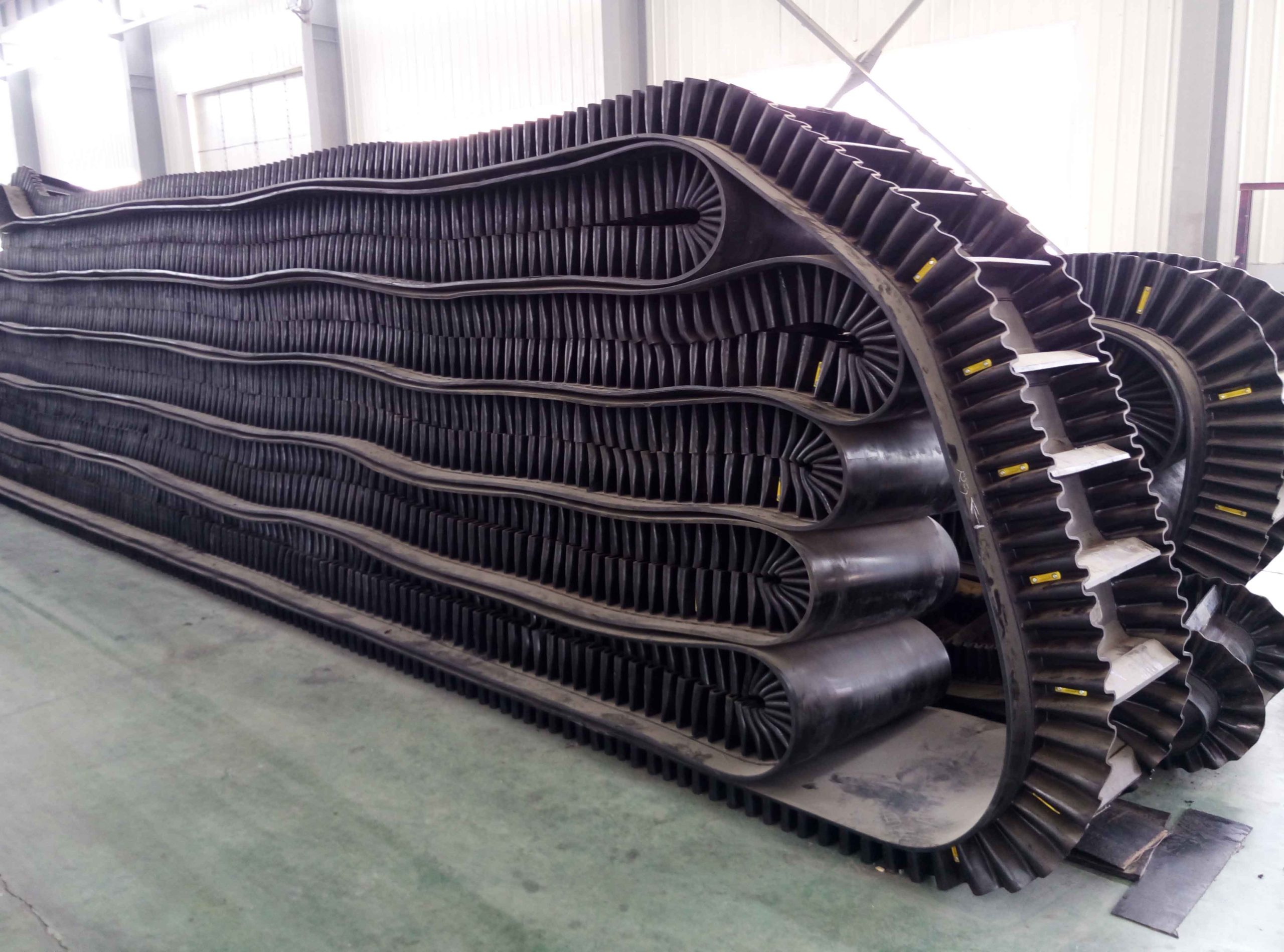
The conveyor belt is not just a component—it is the circulatory system of modern manufacturing, logistics, and bulk processing. Selecting the wrong belt leads to downtime, product damage, and inflated energy costs. This guide focuses on key technical and commercial factors to help you specify a belt that matches your exact operational load, speed, and environment.
Assess Your Material and Operating Conditions
Before requesting quotes, define your conveyed product’s weight, abrasiveness, temperature, and chemical exposure. A food-grade PVC belt cannot handle hot slag, while a steel-cord rubber belt is overkill for light parcels. Also note ambient conditions: humidity, oil, UV, or dust affect carcass and cover selection.
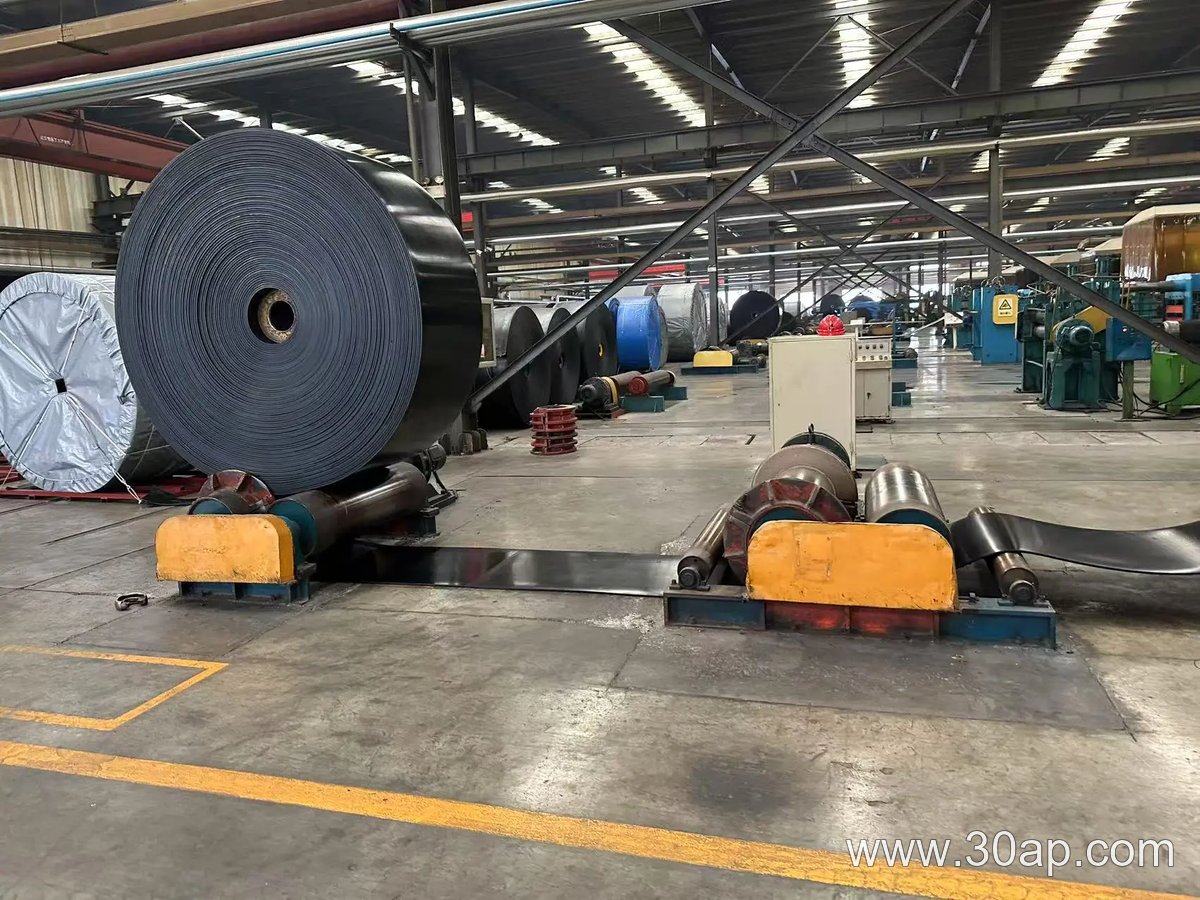
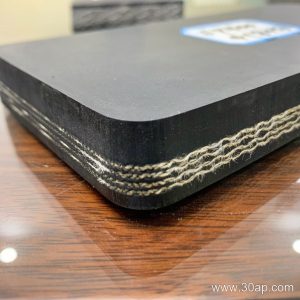
- For sharp or heavy aggregates, choose a multi-ply rubber belt with high impact resistance (e.g., EP500/3).
- For oily or wet processes, use a nitrile or PVC belt with a smooth, easy-to-clean surface.
- For high-temperature zones above 100°C, specify a heat-resistant EPDM or silicone belt.
Critical Purchasing Criteria
When comparing suppliers, focus on tensile strength, belt thickness, and splice method. Request a technical datasheet confirming elongation at break and minimum pulley diameter. Also verify the belt’s compliance with your industry standards (e.g., ISO 15236 for steel cord or FDA for food contact). Remember that the cheapest upfront price often hides higher maintenance and shorter lifespan.
- Measure your pulley center distance and belt speed to calculate required length and tension.
- Ask for a free sample or a small trial roll for field testing before a full order.
- Confirm lead time, spare jointing kits, and after-sales support—especially for custom widths.
Finally, include a preventive maintenance schedule in your procurement plan. Regular tracking and cleaning extend belt life by 30–50%. A well-specified conveyor belt pays for itself through reduced stoppages and lower energy consumption.