What the Guide Idler Bracket Does on a Conveyor
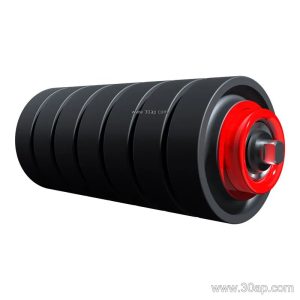
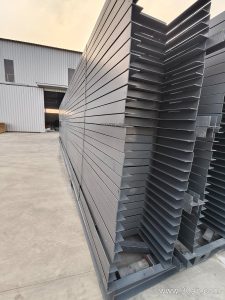
The guide idler bracket is the mounting component that holds guide idlers in the correct position along a conveyor. Unlike a standard carrying bracket that supports the troughing rolls, this bracket is dedicated to keeping the belt centered and tracking smoothly. In quarry lines, cement plants, and power plant coal handling systems, a well-matched guide idler bracket reduces edge damage and extends the service life of the conveyor belt. It is often used together with a self-aligning idler set or a training idler arrangement, but it is not a replacement for the main carrying or return brackets.
Construction and Common Materials
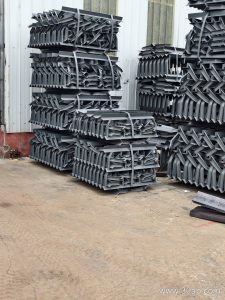
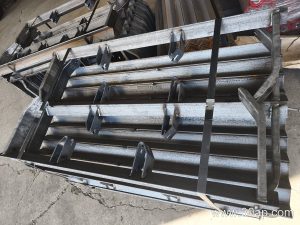
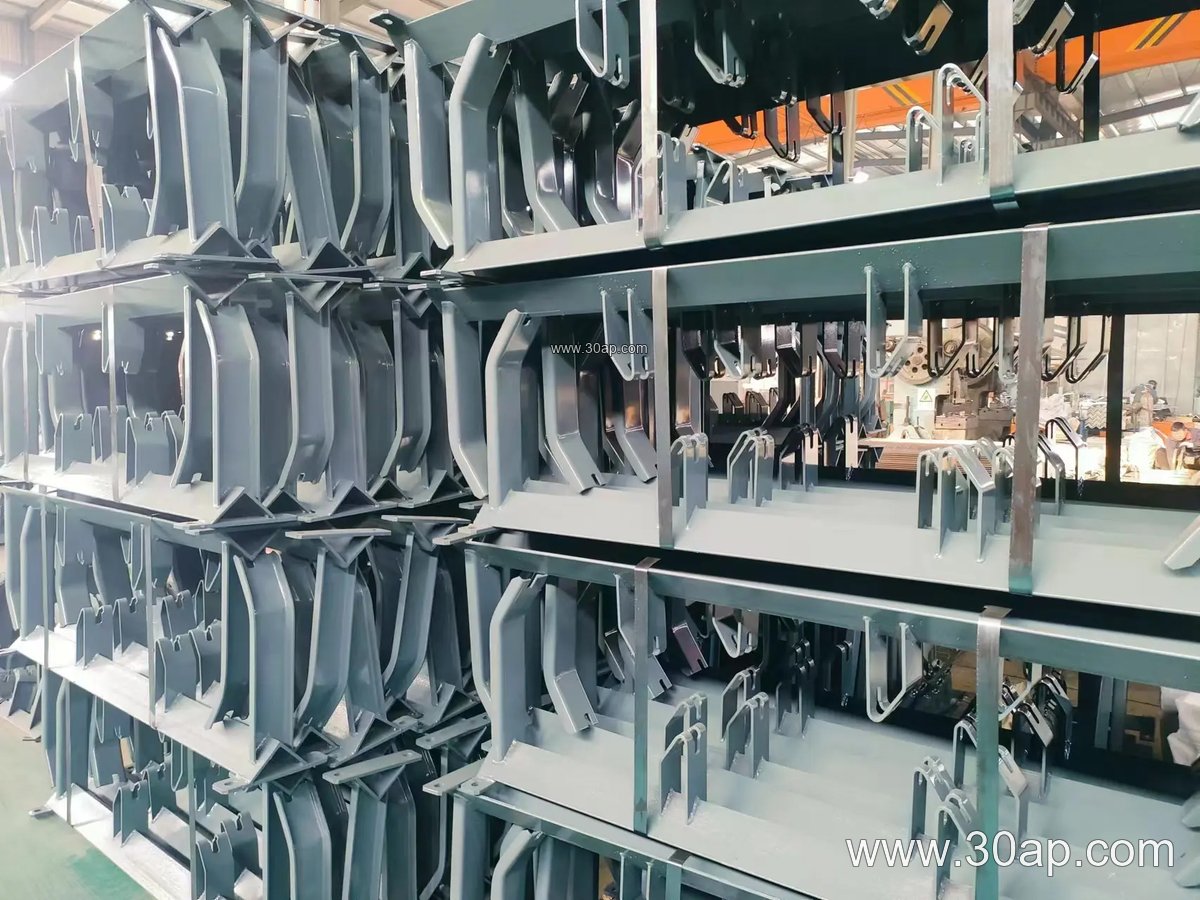
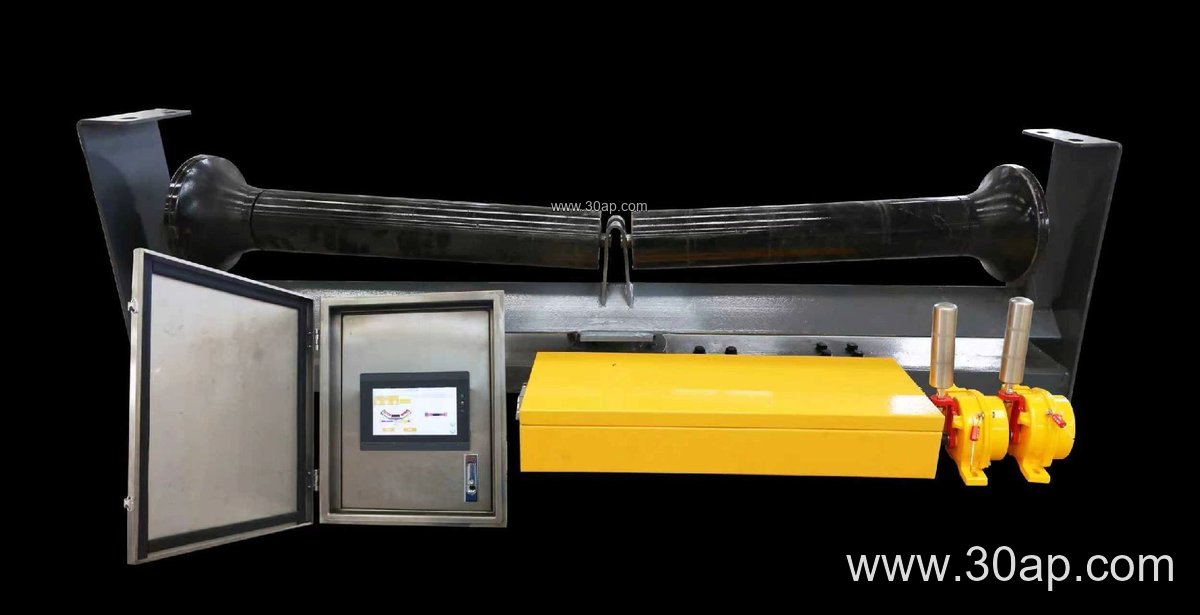
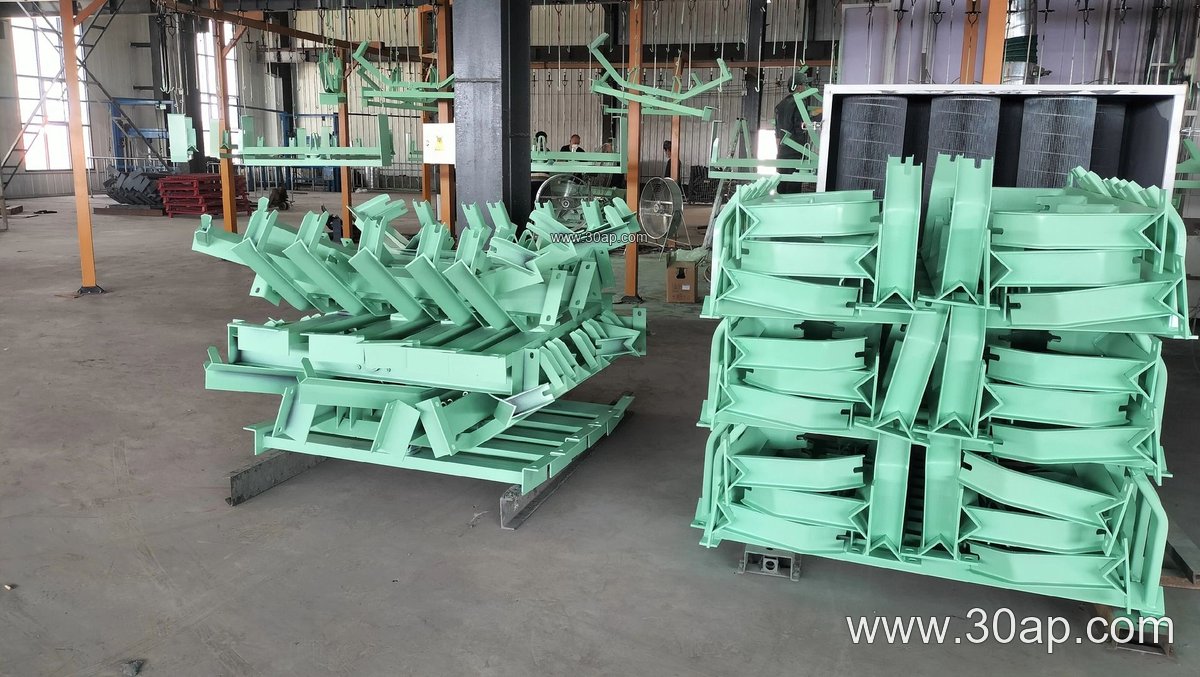
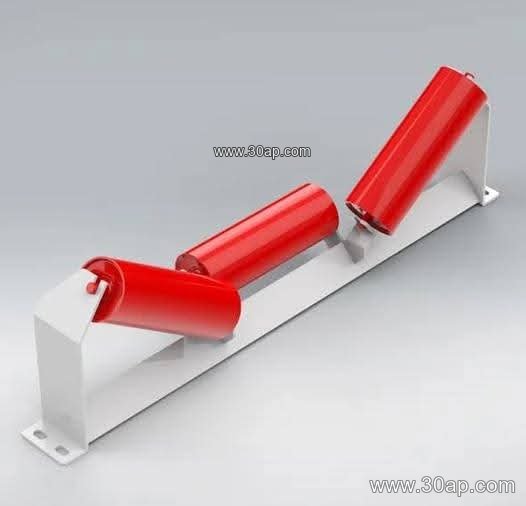
Most guide idler brackets are fabricated from angle steel, channel steel, or folded steel plate. The frame is welded or bolted to the conveyor stringer, and the idler shaft is secured through slots or holes that allow limited adjustment. The bracket may be fixed or adjustable, depending on whether the guide idler needs to be repositioned as the belt wears or as tracking conditions change. A typical bracket includes a base plate, a vertical support, and a mounting face for the idler shaft. Some designs incorporate a slight forward tilt of about 1.5 to 2 degrees to assist belt centering, though this is not universal.
Where It Fits in the Conveyor System
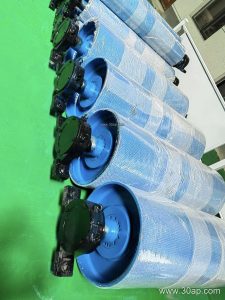
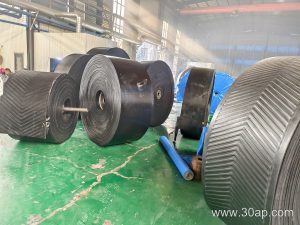
The guide idler bracket is usually installed on the carrying side, often near the transition zone or just ahead of a conveyor pulley. It can also appear on the return side where belt wander is a concern. In a limestone mine or a sand and gravel line, the bracket helps keep the belt aligned as material loading shifts. In a steel plant or sintering plant, the same component protects the belt from rubbing against the frame. The bracket works alongside the conveyor belt, idler roller, and conveyor pulley, but its role is specifically to guide rather than to carry the main load.
Matching Bracket to Belt Width and Idler Diameter
Selection starts with the belt width and the idler diameter. A guide idler bracket for B650 or B800 belting will look different from one built for B1400 or B1600. The mounting hole spacing and crossbeam length are determined by the belt width and the trough angle, so they should not be treated as fixed numbers. Common idler diameters include Ø89, Ø108, Ø133, Ø159, and Ø194. A B800 belt with a 35-degree trough and Ø108 idler is a typical combination in aggregate plants, while a B1200 belt with a 45-degree trough and Ø133 idler may appear in heavier bulk material handling. These are examples only; one belt width does not dictate a single trough angle or roller diameter.
Fixed versus Adjustable Guide Idler Brackets
Fixed brackets hold the guide idler in one position and are simple and robust. Adjustable brackets allow the operator to change the guide angle or lateral position to fine-tune belt tracking. In a coal mining conveyor or an underground mining conveyor, adjustable types are often preferred because the belt may shift as loading conditions change. However, adjustable brackets require more attention during maintenance to ensure the locking bolts remain tight. The choice depends on the conveyor design and the expected variation in belt alignment.
Practical Notes for Buyers
When specifying a guide idler bracket, confirm the belt width, the idler diameter, the trough angle, and the mounting arrangement on the stringer. Ask whether the bracket is intended for the carrying side or the return side, and whether it must be fixed or adjustable. Check the material thickness and the surface treatment, especially in dusty or corrosive environments such as a fertilizer plant or a port terminal. The bracket should be compatible with the idler roller being used and should not interfere with the conveyor belt during normal operation. For high-abrasion service, an abrasion resistant conveyor belt may be paired with a sturdy bracket to reduce maintenance frequency. In cold climates, a cold resistant conveyor belt may be used, but the bracket material should also be suitable for low temperatures.
Maintenance and Inspection
Inspect the guide idler bracket regularly for loose bolts, bent frames, and worn mounting holes. A misaligned bracket can cause the guide idler to rub against the belt, leading to premature wear. In a crusher conveyor or a screen plant, vibration can loosen fasteners, so periodic tightening is part of normal upkeep. If the bracket is adjustable, verify that the setting has not drifted. Keep the area around the bracket clear of spilled material, which can interfere with belt tracking. A simple check with a straightedge along the stringer helps confirm that the bracket is square and at the correct height.
Summary
The guide idler bracket is a small but important part of conveyor alignment. By matching it to the belt width, idler diameter, and trough angle, and by choosing between fixed and adjustable designs, operators in quarrying, mining, cement, and power generation can improve belt tracking and reduce downtime. It supports the guide idler, not the main load, and should be selected with the same care as any other conveyor component.