When a Standard Pulley Will Not Fit the Layout
A non-standard conveyor pulley is a drum that is engineered outside the usual catalog envelope, either because the belt width, the shaft load, the face length, or the surface treatment must match a specific conveyor frame. In a limestone mine or a cement clinker line, the head and tail positions are often fixed by civil works, so the pulley has to be built around the space that exists rather than the other way around. That is where a custom drum earns its place.
It is still a conveyor pulley in every functional sense. The difference lies in the documentation: face width, diameter, shaft diameter, lagging, and bearing arrangement are confirmed per project instead of taken from a standard table.
How the Drum Is Put Together
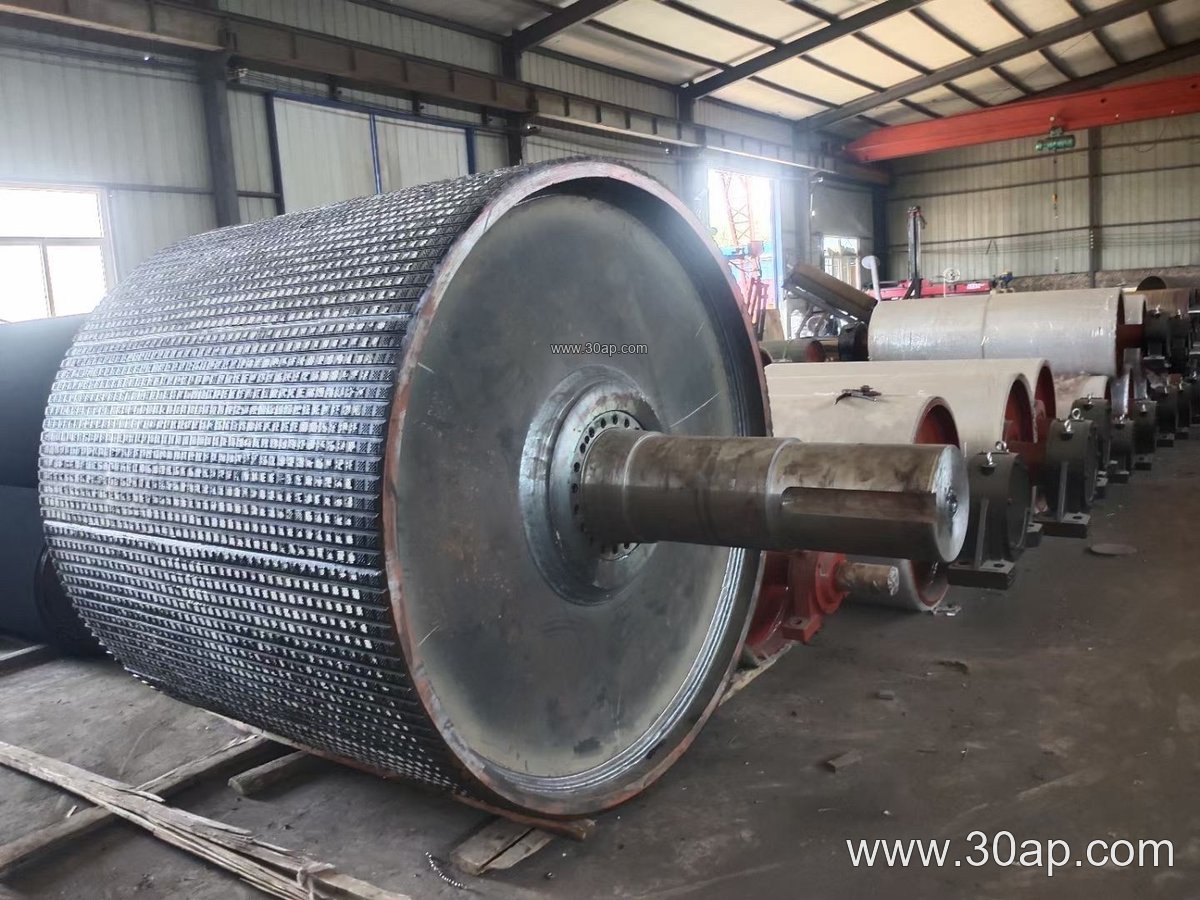
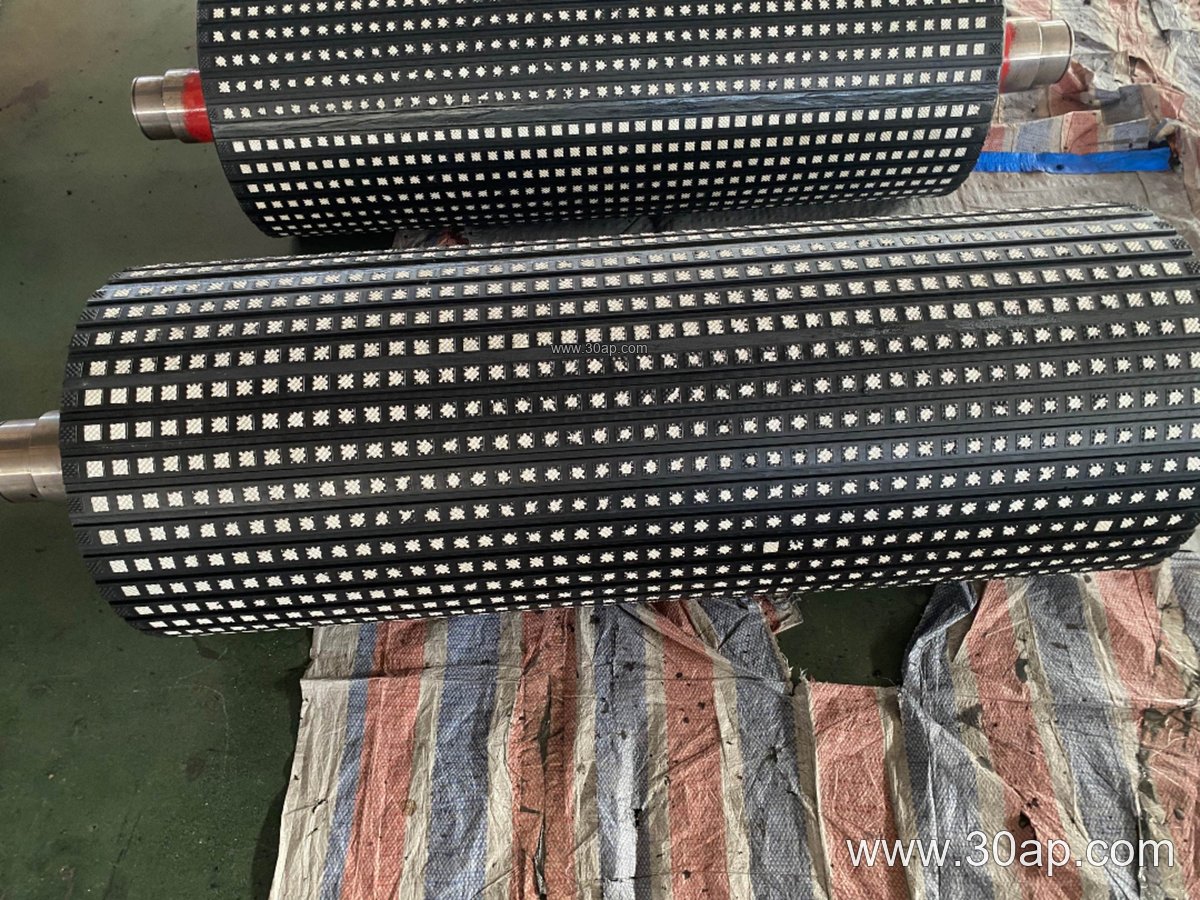
The core is usually a rolled steel shell welded to end discs, with a shaft pressed or keyed through the hub. Larger units may use a turbine or welded hub design to spread torque. The shell can be machined to a slight crown so the conveyor belt tracks toward the center, and the surface may be left plain or covered with rubber, ceramic, or a grooved pattern.
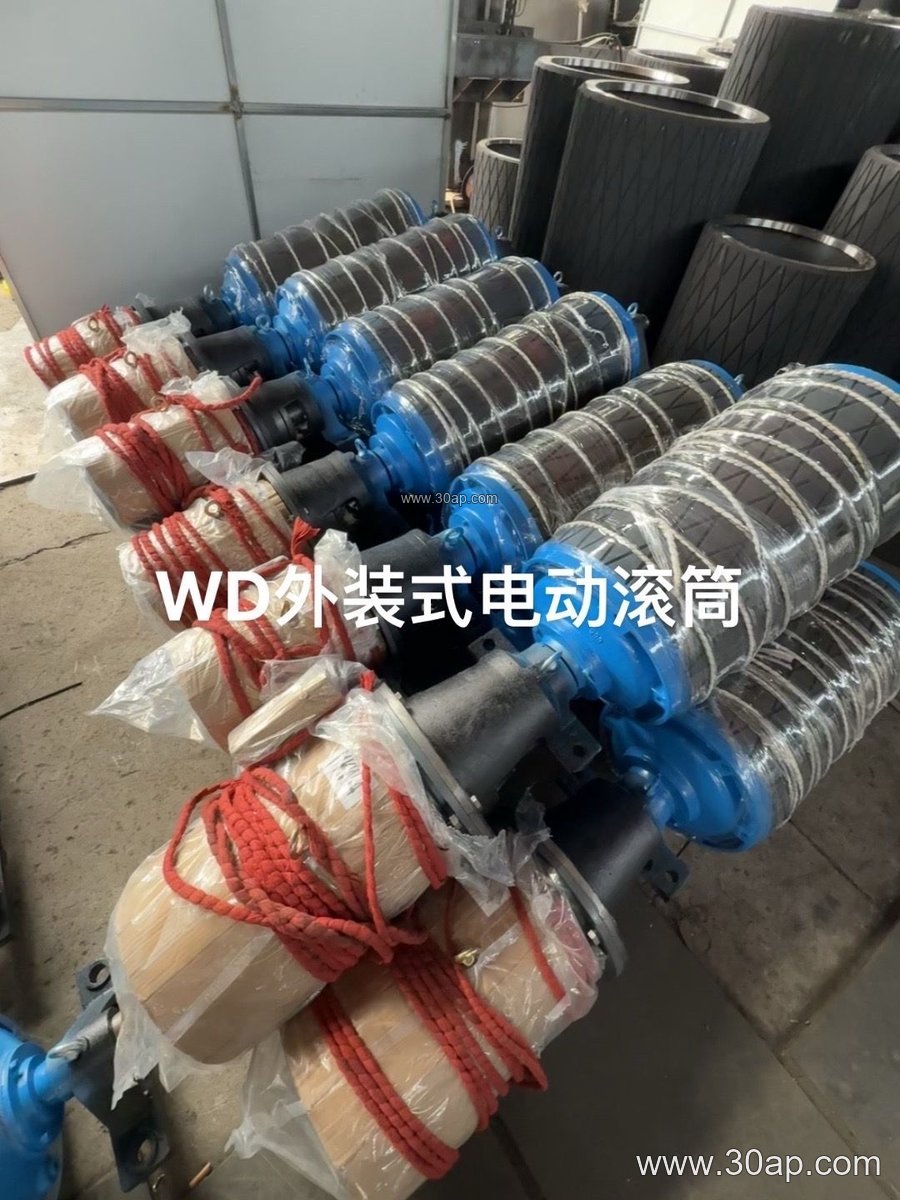
- Shell thickness and material grade chosen for the belt tension and shock load
- Shaft diameter set by torque and bearing reaction, not by belt width alone
- Lagging applied as sheet rubber, cold-bonded or hot-vulcanized, or as ceramic tiles
- Bearing housings and conveyor bracket interfaces made to suit the existing frame
Because the drum is non-standard, the drawing package matters as much as the steel. A buyer should expect a dimensioned drawing showing face width, diameter, shaft extension, keyway, and lagging thickness before fabrication begins.
Reference Dimensions Buyers Often Compare
The values below are common reference points, not universal specifications. Final dimensions are confirmed by design for each conveyor.
| Parameter | Common reference values |
|---|---|
| Belt width | B400, B500, B650, B800, B1000, B1200, B1400, B1600, B1800 |
| Pulley diameter | Ø200, Ø250, Ø315, Ø400, Ø500, Ø630, Ø800, Ø1000, Ø1250 |
| Face width (example) | B800 about 950 mm, B1200 about 1400 mm, B1400 about 1600 mm |
| Shaft diameter | Ø50, Ø60, Ø70, Ø80, Ø90, Ø100, Ø120, Ø140, Ø160 |
| Lagging thickness | 8, 10, 12, 15, 20 mm |
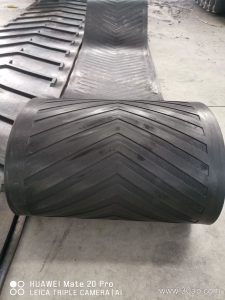
| Surface form | Plain, rubber lagged, diamond grooved, herringbone, ceramic |
A combination such as B1200 × Ø1000 or B800 × Ø500 is normal, but no single belt width locks a pulley to one diameter. Shaft size follows the calculated torque and bearing load.
Where Custom Drums Are Used
Aggregate plants, coal washing circuits, and power station coal handling systems frequently need drums that match an existing take-up frame or a tight transfer point. In a tunnel spoil line, a non-standard conveyor pulley may be the only way to fit a drive station into a confined heading. The same applies to fertilizer and grain silo conveyors, where corrosion protection and clean surfaces influence the build.
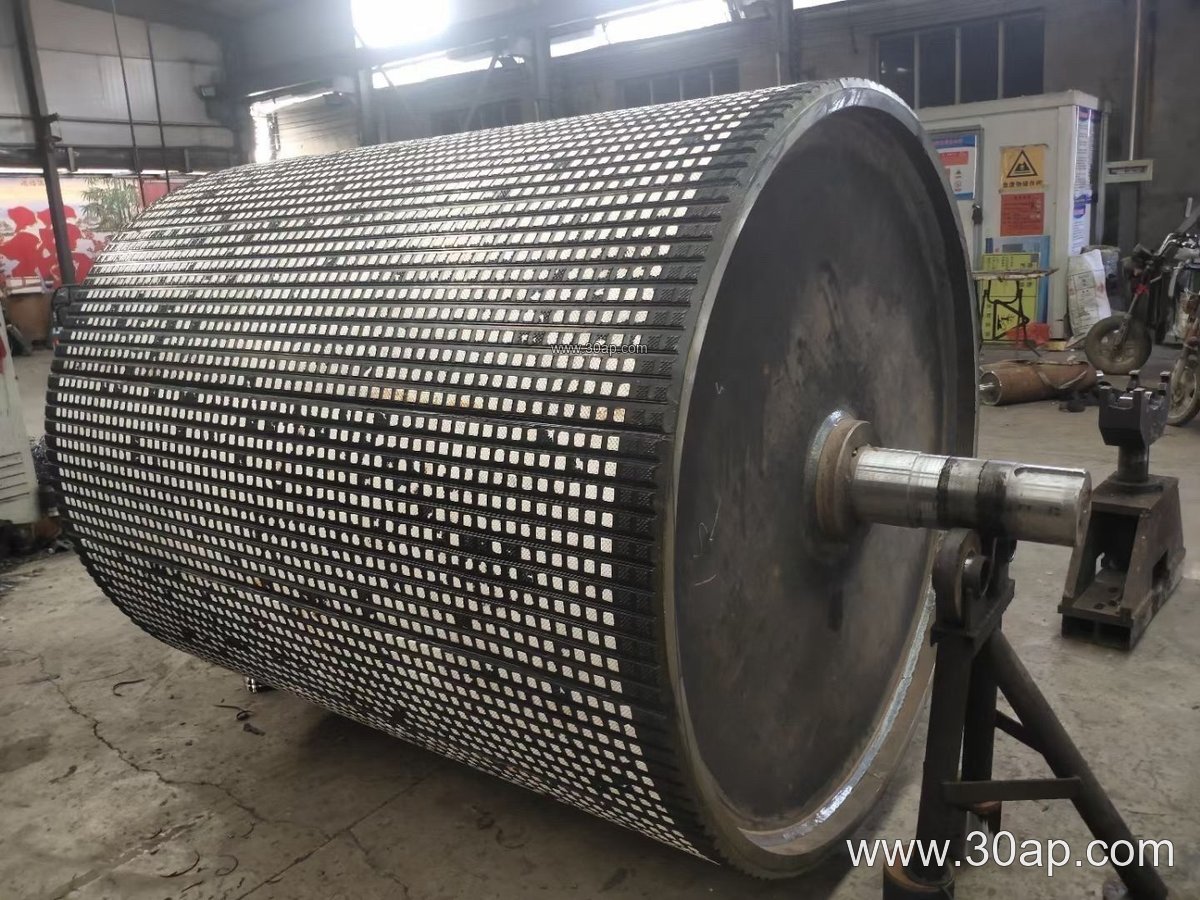
Position still governs function. A drive pulley transmits torque, a tail pulley returns the belt, and a bend pulley changes direction. These are distinct roles and should not be treated as interchangeable when specifying a custom drum.
Buyer Checklist Before Ordering
- Confirm the actual belt width, belt tension, and belt speed
- State the mounting position and whether the drum is driven or free-running
- Provide shaft diameter, keyway, and bearing type or housing drawing
- Choose lagging based on slip risk and material carryback
- Check clearance to the conveyor bracket, chute, and idler roller frames
- Ask for balancing and runout tolerances in writing
Maintenance planning should include periodic lagging inspection and bearing lubrication. A well-documented non-standard conveyor pulley, built to a clear drawing, is easier to replace and to keep running in a busy quarry or processing plant.