What an EP200 Conveyor Belt Is
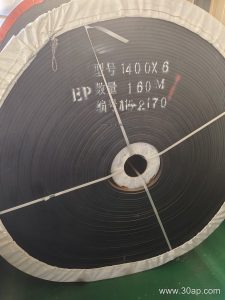
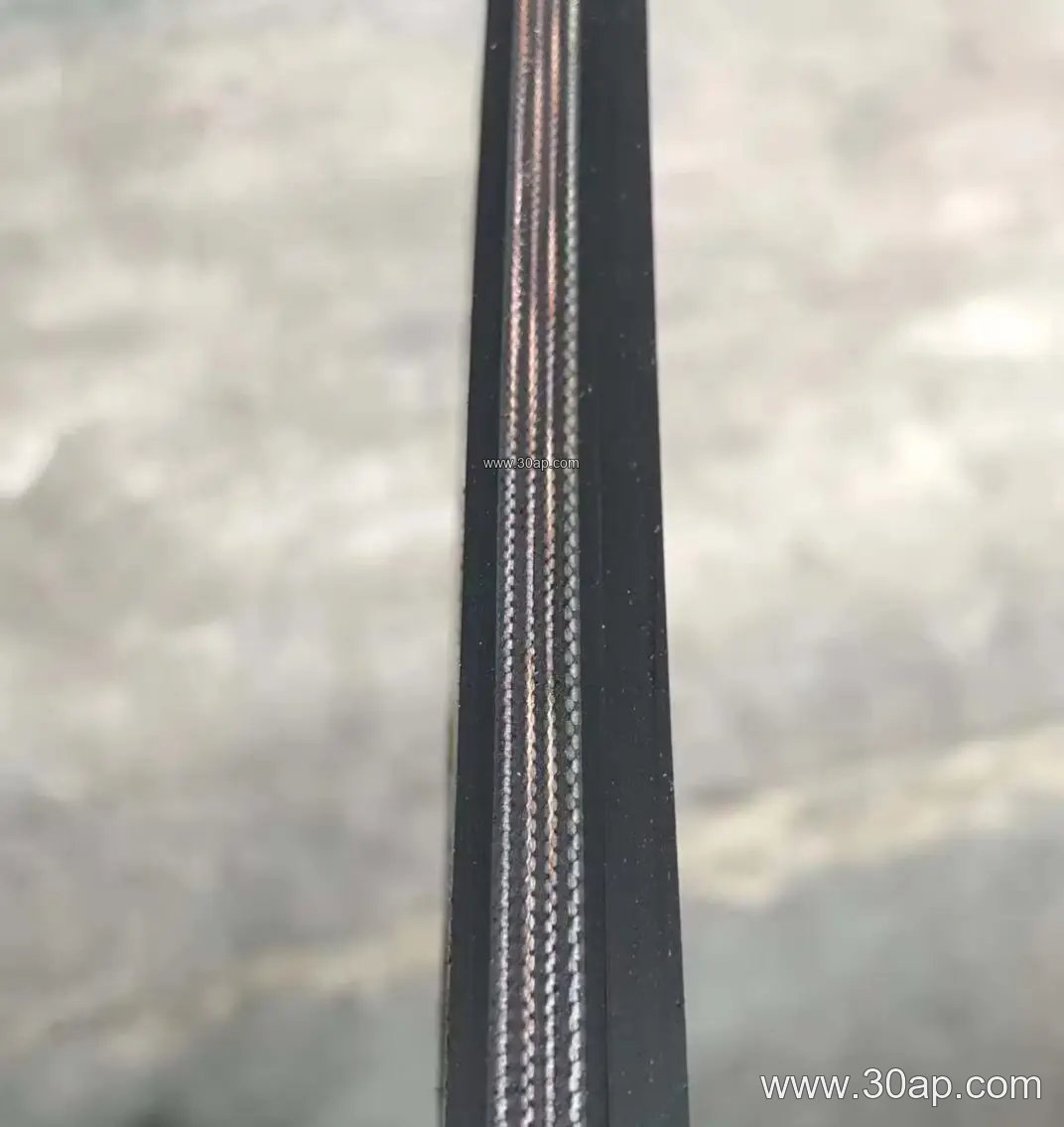
An EP200 Conveyor Belt is a fabric-core rubber belt built on polyester (E) and nylon (P) warp and weft yarns, with a nominal tensile strength of 200 N/mm per ply. It sits in the middle of the EP range, above lighter EP100 and EP160 grades and below heavy EP315, EP400 and EP500 constructions. Because the carcass is a Multi-Ply Fabric Core Conveyor Belt rather than a steel cord design, it flexes easily around smaller pulleys and trains well on troughing idlers.
Buyers often describe the same product as an EP Rubber Conveyor Belt or an EP Fabric Core Conveyor Belt. These are accurate synonyms, not different belts. An NN Conveyor Belt uses nylon in both directions and is a separate family; it is mentioned here only for comparison, since EP carcasses generally show lower stretch under load.
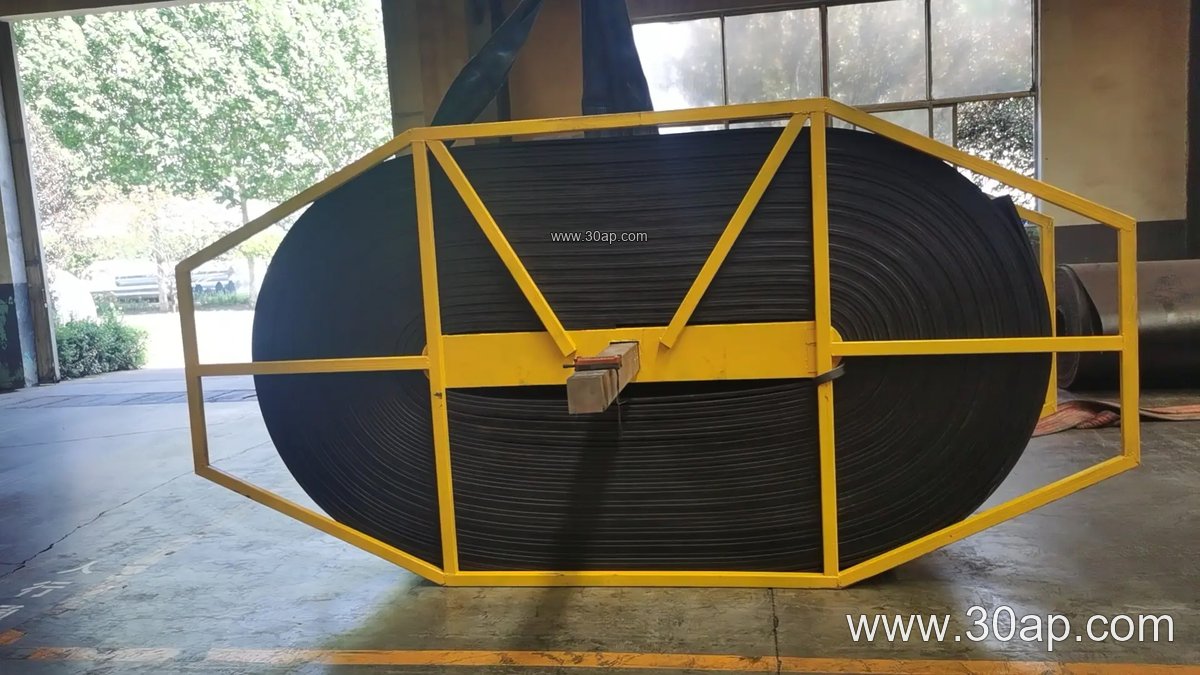
Construction and Typical Build
The belt is usually made with two to six fabric plies, bonded with a skim compound and protected by top and bottom cover rubber. Cover thickness is stated as a pair, for example 4+2 mm or 6+2 mm, where the first figure is the carrying side and the second the pulley side. Cover grade is chosen for the duty: abrasion resistant, heat resistant, oil resistant, flame retardant or anti-static versions are all available on an EP200 carcass.
- Carcass: polyester-nylon fabric, 2 to 6 plies, low elongation in service
- Cover: natural or synthetic rubber, thickness and grade matched to the cargo
- Edges: cut or moulded, depending on handling and tracking requirements
- Optional forms: Chevron Conveyor Belt profiles, Corrugated Sidewall Conveyor Belt edges and Skirted Conveyor Belt designs for steep or contained routes
Common Working Conditions
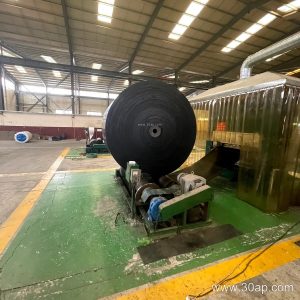
The grade turns up in quarry conveyors moving crushed stone, in cement plants feeding clinker and raw meal, in power plant coal handling, and in sand and gravel yards. It also suits iron ore and copper ore lines where a Steel Cord Conveyor Belt would be overkill and a lighter fabric belt would wear too quickly. In underground coal mining, a flame retardant and anti-static build is normally specified, sometimes alongside PVG solid-woven belts for different sections of the same network.
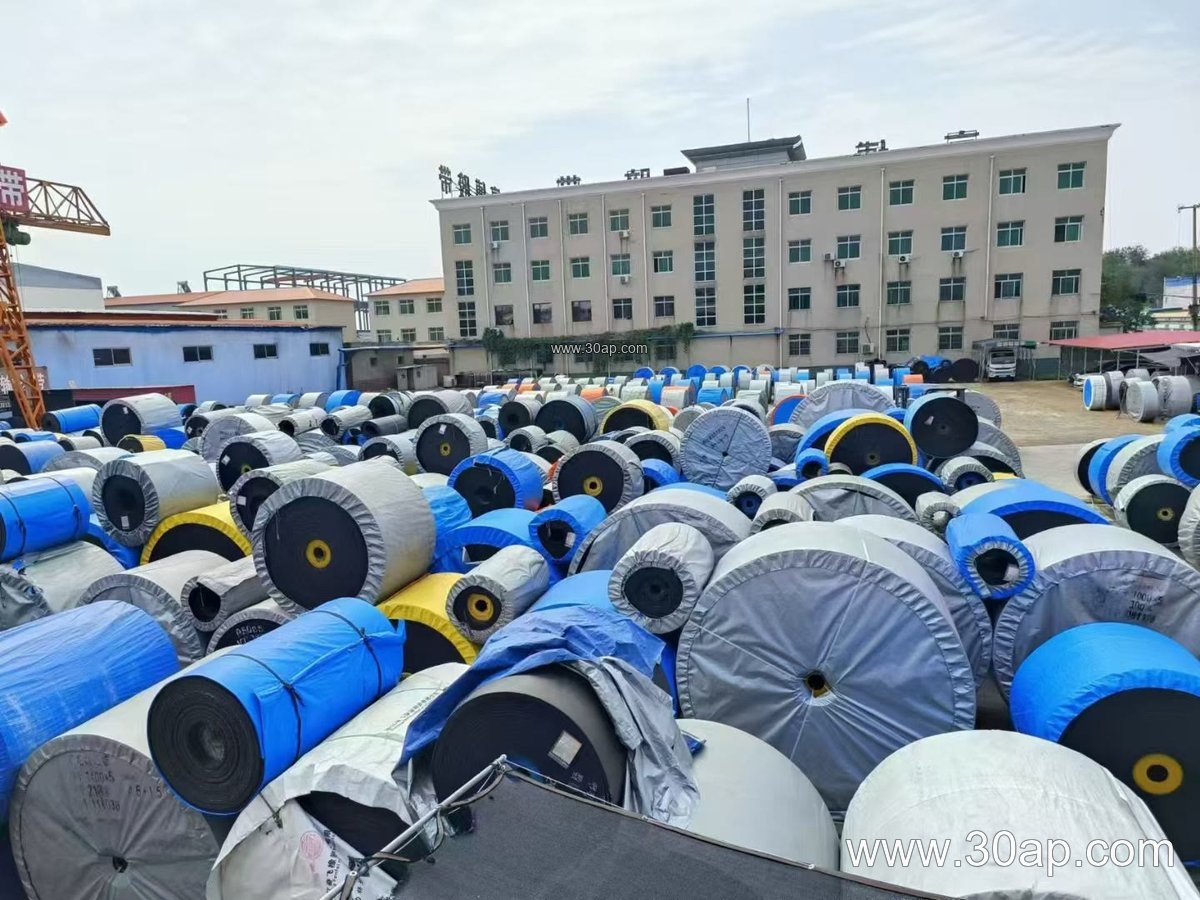
Where the load is hot clinker or sinter, a Heat Resistant Conveyor Belt compound is selected; where oily scrap or recycled material is carried, an Oil Resistant Conveyor Belt cover helps prevent swelling. For more detail on matching covers to cargo, see www.example.com/ep200-conveyor-belt and the abrasion guidance at www.example.com/abrasion-resistant-conveyor-belt.
Widths, Strength Grades and Reference Data
Widths from B500 to B2000 are commonly produced, with B800, B1000 and B1200 the most frequent choices on plant conveyors. The table below lists reference values only; actual constructions vary between manufacturers and should be confirmed against the conveyor design.
| Parameter | Typical reference range |
|---|---|
| Strength grade | EP200 (also EP315, EP400, EP500) |
| Belt width | B500, B650, B800, B1000, B1200, B1400, B1600 |
| Number of plies | 2 to 6 |
| Cover thickness | 3+1.5, 4+2, 5+2, 6+2, 8+3 mm |
| Cover grades | abrasion, heat, oil, flame retardant, anti-static, cold resistant |
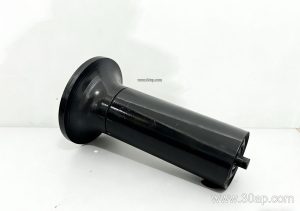
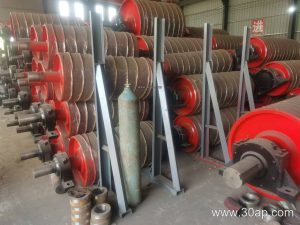
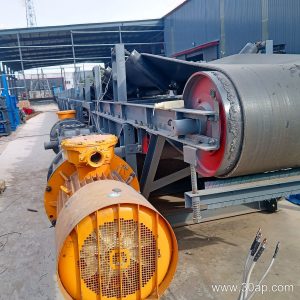
Belt width and pulley diameter are independent design decisions. A 1000 mm belt does not dictate one fixed pulley size; the drive pulley, tail pulley and bend pulleys are each sized from tension, wrap angle and shaft load. Drive, tail and bend pulleys are not interchangeable terms and should be specified separately.
Selection and Maintenance Notes
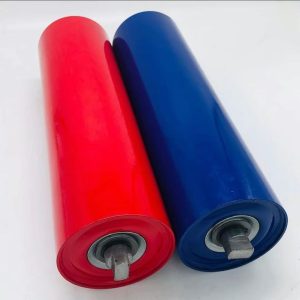
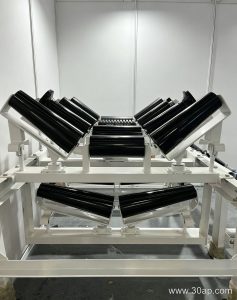
Check the maximum lump size and impact point before choosing cover thickness. A 6+2 mm cover on an EP200 carcass handles primary crusher discharge better than a thin 3+1.5 mm build, while a lighter cover keeps weight and cost down on long overland runs. Confirm that the conveyor pulley lagging, idler roller spacing and take-up travel suit the belt’s elastic stretch, and allow enough take-up for initial bedding-in.
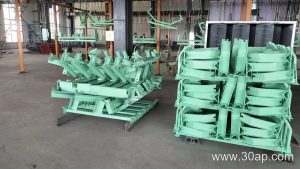
During operation, watch for edge wear, cover gouges and splice integrity. Keep conveyor brackets and frames aligned so the belt does not train against structure. An Endless Conveyor Belt version can reduce splice maintenance on short, high-cycle routes. For related hardware such as idler rollers and conveyor pulleys, see www.example.com/conveyor-idler-roller and www.example.com/conveyor-pulley.