What a Belt Conveyor Bend Pulley Does
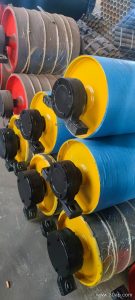
A belt conveyor bend pulley is a non-driven drum that changes the direction of the conveyor belt, most often at the tail end, before a tensioning take-up, or where the belt must be routed around an obstruction. Unlike the drive pulley that transmits motion and the tail pulley that forms the return point, the bend pulley carries no drive torque; its job is to guide the belt smoothly while keeping wrap angle and tension under control. In a typical stone crushing line or cement plant, two or three of these drums may be used together to route the belt around a short transition, and each one adds a small amount of wrap that must be included in the tension calculation.
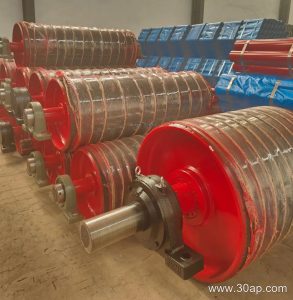
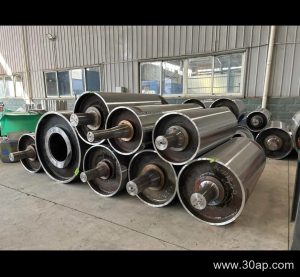
The drum is built around a welded or rolled steel shell, fitted with a shaft, bearing housings, and a locking assembly. Shell thickness and shaft diameter are determined by belt tension and radial load rather than by belt width alone. Common shaft sizes include Ø80, Ø100, Ø120, and Ø140, but the final value depends on the designer’s torque and deflection check.
Construction Details That Matter
The shell is usually machined to keep runout low, because a bend pulley that is out of round will cause belt tracking problems and shorten the life of the conveyor belt. Bearings are typically self-aligning spherical roller types mounted in cast or fabricated housings, and the shaft is keyed or shrink-fitted to the shell. For dusty sites such as a quarry or a coal handling facility, labyrinth seals and grease ports help keep grit out of the bearing cavity.
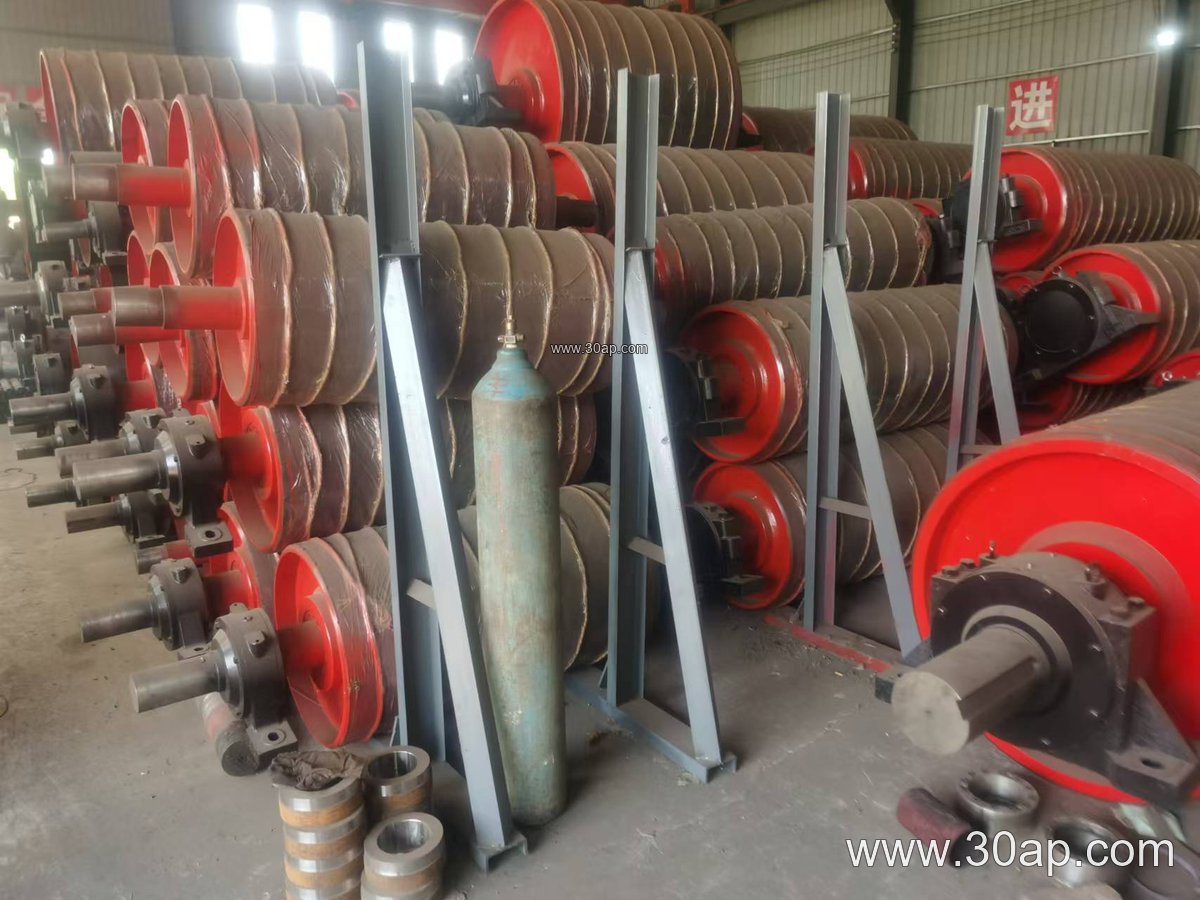
Surface Options
- Plain finish – suitable when the pulley only guides the belt and slip is not an issue.
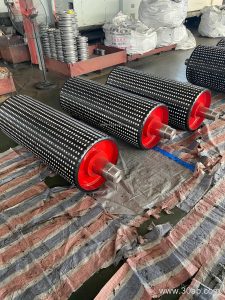
- Rubber lagging – cold-bonded or hot-vulcanized rubber, usually 8 to 15 mm thick, improves grip and protects the shell.
- Diamond or herringbone pattern – helps shed water and fines on outdoor conveyors.
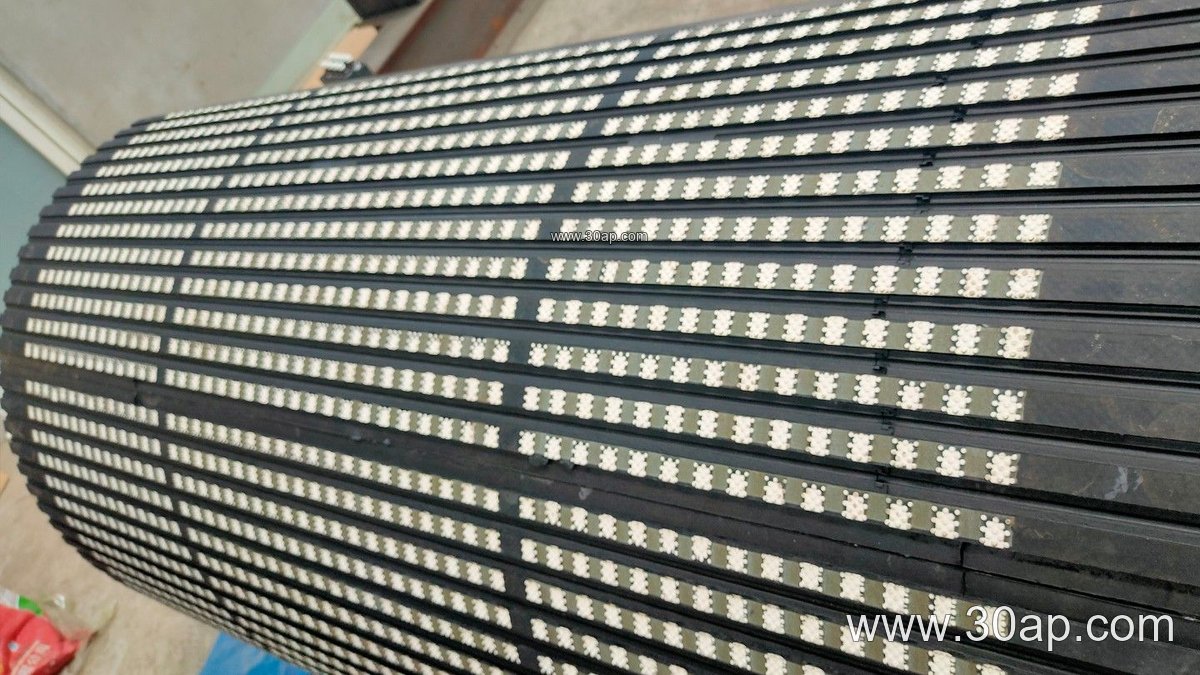
- Ceramic lagging – used where high tension and abrasive material demand extra traction.
Note that a bend pulley is not a substitute for a drive pulley with heavy diamond lagging; the surface form should match the duty. For a long overland conveyor carrying iron ore or copper ore, a plain or lightly lagged drum is often enough, while a short, steep transfer in an aggregate plant may benefit from patterned rubber.
Where It Fits in a Conveyor System
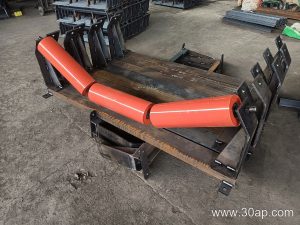
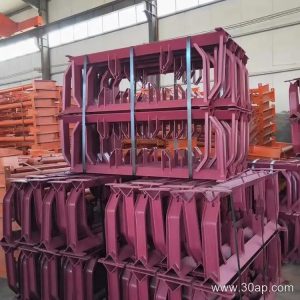
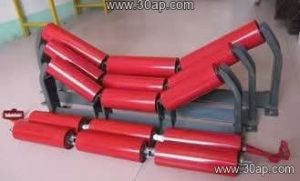
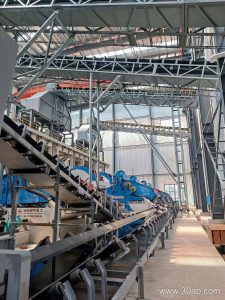
Bend pulleys appear in many layouts. At a limestone mine, one may be placed just ahead of a gravity take-up to increase wrap on the tail pulley. In a power plant coal yard, a bend drum can route the return strand under a walkway. In a fertilizer or grain silo, a compact bend pulley keeps the belt path tight where space is limited. The drum must be aligned with the adjacent idler roller frames and conveyor bracket supports so the belt enters and leaves without side load.
Diameter selection is a balance between belt stiffness and space. A stiff steel cord conveyor belt needs a larger minimum pulley diameter than a thin fabric core belt. Typical bend pulley diameters range from Ø315 to Ø800, and combinations such as B800 × Ø500 or B1200 × Ø1000 are common in design drawings. These are reference points, not fixed rules; a fabric core belt such as an EP200 or NN300 may run on a smaller drum than a heavy ST2500 steel cord belt of the same width.
Buyer Checklist Before Ordering
When specifying a bend pulley, provide the belt width, the expected belt tension, the wrap angle, the shaft diameter required by the bearing and coupling, and the lagging type. Also state the environment: a dusty quarry, a wet wash plant, or a corrosive chemical area will influence the bearing seal and coating choice. Ask for the shell runout tolerance and the balancing grade, because these affect vibration and belt life.
Check that the pulley face width exceeds the belt width. For example, a B650 belt usually runs on a drum with a face around 750 mm, and a B1400 belt on a face near 1600 mm. Confirm the mounting interface with the conveyor bracket and the take-up frame, and verify that the bearing housings can be reached for lubrication. Spare parts such as lagging sheets and bearing seals should be available for future maintenance.
Maintenance Notes
Inspect the bend pulley during scheduled shutdowns. Look for rubber lagging wear, shell cracks near the welds, and grease leakage at the seals. Misalignment often shows up as belt edge wear on one side, and a worn lagging surface can cause the belt to slip on the drum. Keep the drum clean; material build-up on a plain shell changes the effective diameter and can pull the belt off track. For conveyors handling abrasive rock or ore, check lagging thickness more often, and replace worn sections before the shell itself is exposed.