What a Cement Conveyor Belt Is
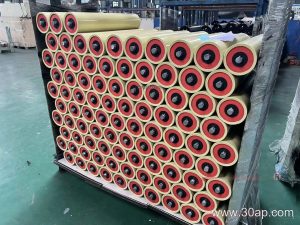
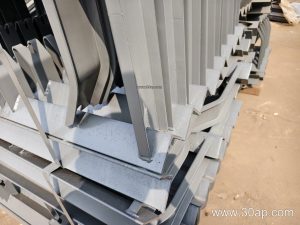
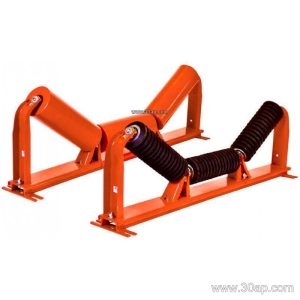
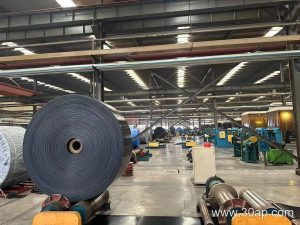
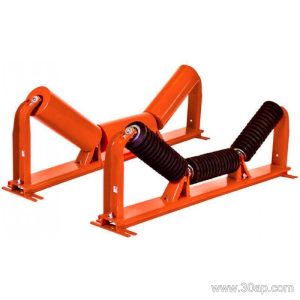
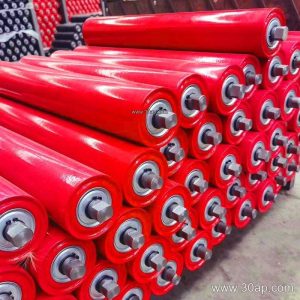
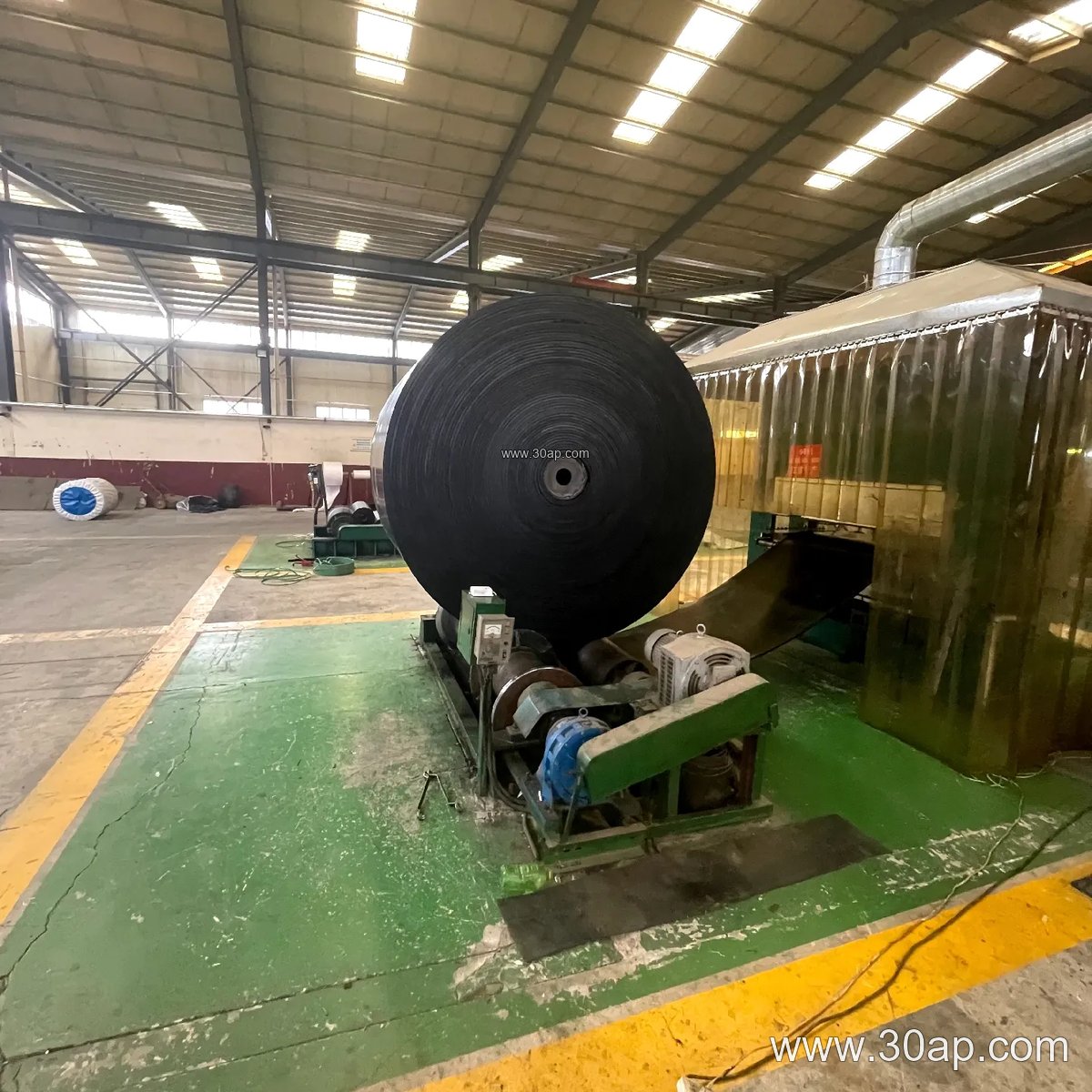
A cement conveyor belt is the heavy-duty carrying surface used to move clinker, limestone, gypsum, raw meal, and finished cement across a plant. It is usually a multi-ply fabric-core or steel-cord rubber belt built to handle abrasive, dusty, and sometimes hot loads. In a cement plant, the belt works alongside conveyor pulleys, idler rollers, and conveyor brackets to form a continuous transport line from quarry or receiving yard to crusher, raw mill, kiln feed, and packing area.
Construction and Common Types
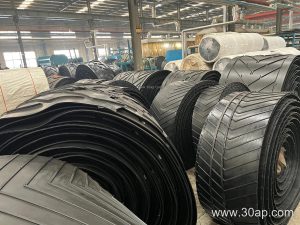
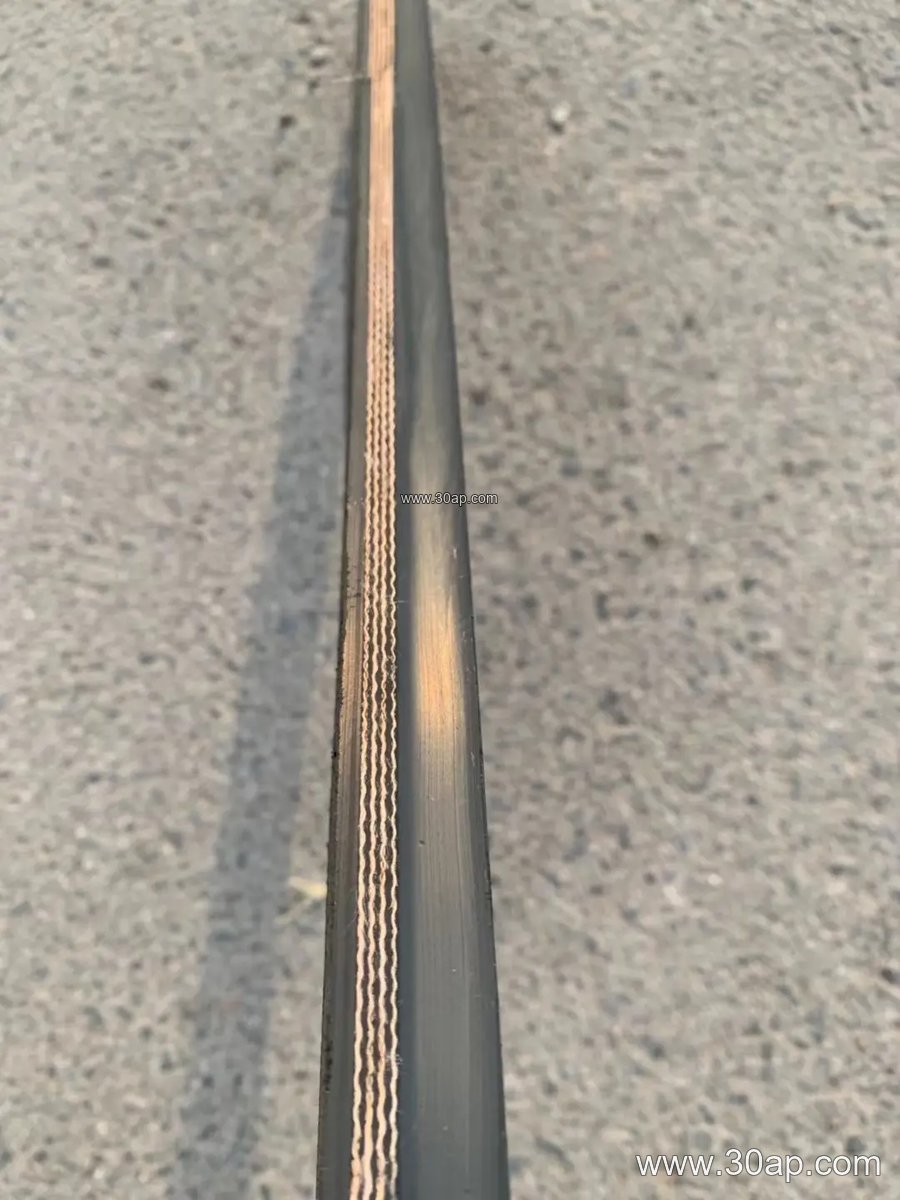
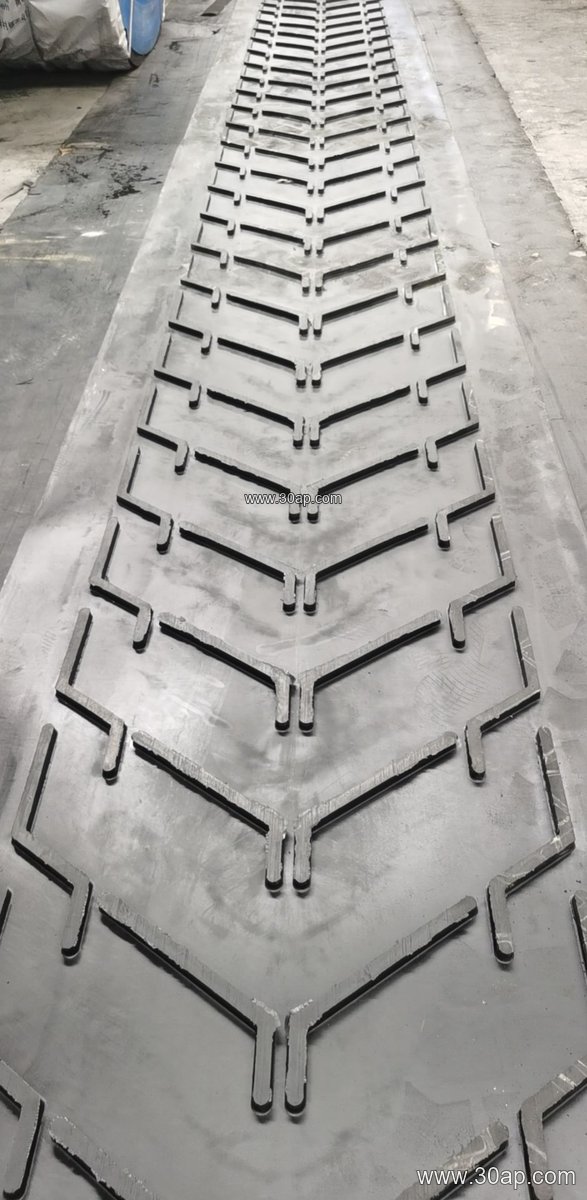
The belt body combines a tension-bearing carcass with rubber covers. Fabric-core designs such as EP Conveyor Belt and NN Conveyor Belt use polyester or nylon plies; steel-cord versions use brass-plated wires for very long center distances. Cover compounds are chosen for the duty: Abrasion Resistant Conveyor Belt for limestone and clinker, Heat Resistant Conveyor Belt near kiln discharge, Oil Resistant Conveyor Belt where lubricants or alternative fuels are present, and Flame Retardant Conveyor Belt or Anti-Static Conveyor Belt where fire and static control are required. Chevron Conveyor Belt and Corrugated Sidewall Conveyor Belt help on inclines or where material must be contained.
Typical Reference Data
Values below are common references only; final selection follows the conveyor design and the supplier’s data sheet.
| Item | Common range or example |
|---|---|
| Fabric core grades | EP200, EP400, EP630, EP800, EP1000, EP1250, EP1600 |
| Steel cord grades | ST1000, ST1600, ST2000, ST2500 |
| Belt widths | B650, B800, B1000, B1200, B1400, B1600 |
| Cover thickness | 4+2 mm, 5+2 mm, 6+2 mm, 8+3 mm |
| Carcass plies | 2 to 6 layers for fabric belts |
Where It Works in Cement and Related Industries
Cement plants use these belts on limestone receiving, clinker transport, additive handling, and bulk loading lines. The same belt family appears in quarry conveyor systems, aggregate yards, power plant fuel handling, and port ship-loading operations. In mines and coal preparation, a Mining Conveyor Belt or Underground Mining Conveyor Belt may share similar carcass technology but with different fire and static requirements. For heavy abrasive rock, a High Abrasion Resistant Conveyor Belt is often specified; for steep inclines, a Chevron Conveyor Belt or Skirted Conveyor Belt keeps material from rolling back.
Buyer Checklist
- Define the material: lump size, temperature, moisture, oil content, and abrasiveness.
- Confirm the conveyor’s belt width, trough angle, and pulley diameters; do not assume one belt width matches one pulley size.
- Match the carcass grade to the duty: EP1000 or EP1250 for many main lines, ST1600 or ST2000 where tension is high.
- Check cover thickness and compound against wear and heat; 6+2 mm or 8+3 mm may suit clinker and limestone.
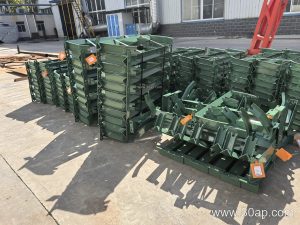
- Review the conveyor pulley, idler roller, and conveyor bracket condition before fitting a new belt.
- Ask for splice method and training requirements; an Endless Conveyor Belt may reduce splice risk on critical lines.
Maintenance Notes
Keep idler rollers turning freely and check pulley lagging for wear. Material build-up at transfer points can damage the belt edge and cover. Track cover wear, edge cuts, and splice condition, and adjust skirt rubber so it does not press too hard on the belt. For heat exposure, allow enough cooling distance before the belt reaches the pulley. Store spare belts flat and away from ozone sources and direct sunlight.
Whether the line handles clinker in a cement plant or ore in a mining circuit, the cement conveyor belt should be selected as part of the whole conveyor system, not as a standalone item. For related components such as conveyor belt, idler roller, and conveyor pulley, confirm dimensions against the actual conveyor drawing.