What a Mining Trough Idler Does on the Line
A mining trough idler is the carrying idler that supports the loaded side of a conveyor belt and shapes it into a trough. In a quarry, a coal preparation plant, or a cement plant feed line, the belt can carry dense, abrasive material at high tonnage, so these idlers take a continuous load. The trough shape keeps the belt centered and raises its material capacity compared with a flat belt. The same product is often called a troughing idler or a carrying trough roller, and those names refer to the same item.
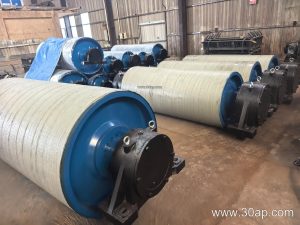
This article focuses on the trough idler itself, not on drive, tail, or bend pulleys, which are separate components with different duties. Where a comparison helps, other idler types are mentioned only to explain a difference.
Construction and Main Parts
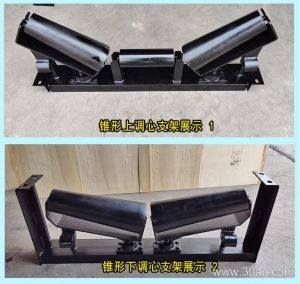
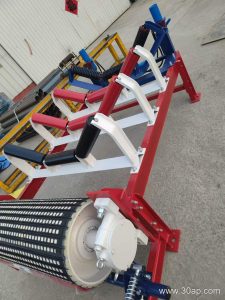
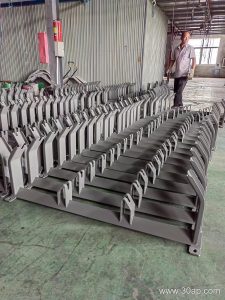
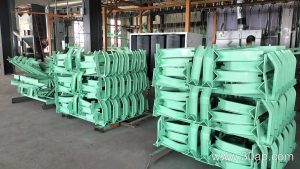
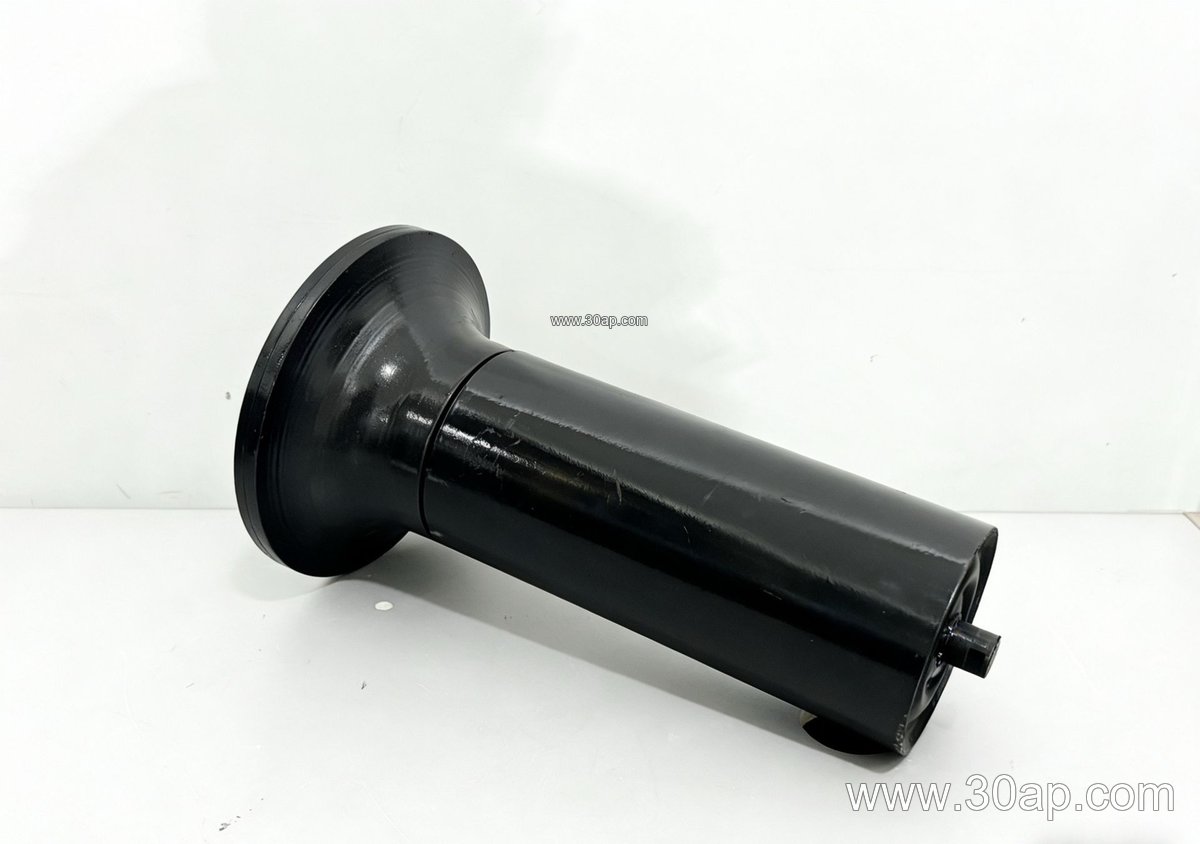
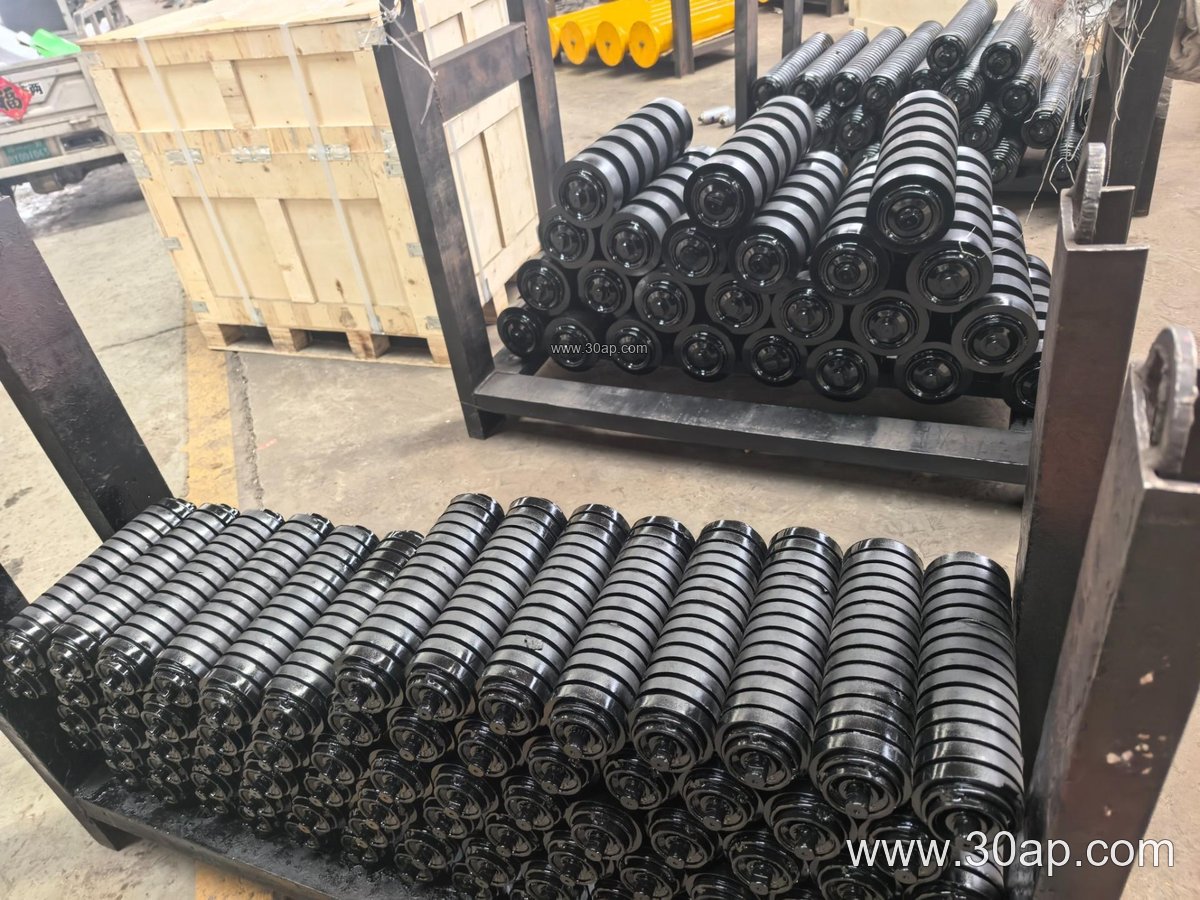
A typical troughing idler assembly has two or three rollers mounted on a frame, with the side rollers angled upward. The main parts are the roller shell, the shaft, the bearing housing, the bearing, and the seals. The frame is often called a conveyor bracket or idler frame, and it sets the trough angle and roller spacing.
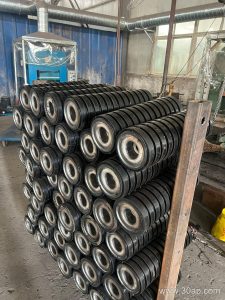
- Shell: commonly steel tube, with nylon, ceramic, or rubber-covered options for wear or material buildup.
- Bearing: deep groove ball bearings such as 6204, 6205, 6305, 6306, 6308, or 6310 are common, matched to load and speed by the designer.
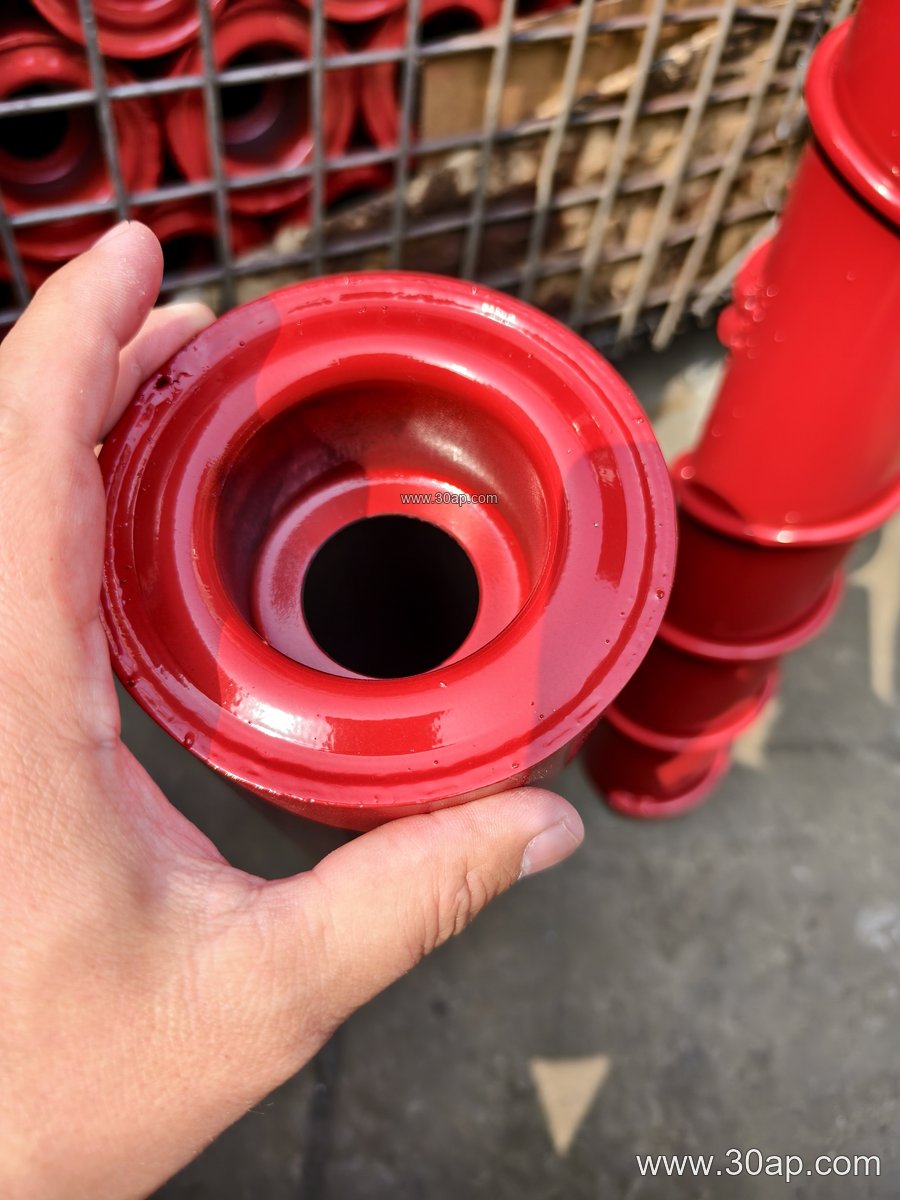
- Seal: labyrinth or contact seals keep out dust and water, which matters in crushing and screening areas.
- Frame: fixed brackets for standard troughing, or self-aligning frames for training idlers.
Common Sizes and Arrangements
Trough idlers are usually supplied as single-roller, two-roller, or three-roller sets. Three-roller troughing sets are common on wide belts in aggregate and coal handling. Roller diameter is selected with belt speed and load, and the belt width is selected with the conveyor design. The table below gives common reference values, not fixed combinations.
| Item | Common reference values |
|---|---|
| Roller diameter | Ø63, Ø76, Ø89, Ø102, Ø108, Ø127, Ø133, Ø159, Ø178, Ø194, Ø219 mm |
| Belt width | B400, B500, B650, B800, B1000, B1200, B1400, B1600, B1800, B2000, B2200, B2400 |
| Trough angle | 20°, 30°, 35°, 45° |
| Roller surface | steel, nylon, ceramic, rubber ring |
| Bearing | 6204, 6205, 6305, 6306, 6308, 6310 |
Roller length changes with belt width, trough angle, and set type. For a three-roller troughing set, common roller lengths are about 200 mm at B500, 250 mm at B650, 315 mm at B800, 380 mm at B1000, 465 mm at B1200, 530 mm at B1400, 600 mm at B1600, 670 mm at B1800, and 750 mm at B2000. Side rollers and center rollers can differ, so these are examples only.
Where Trough Idlers Are Used
In a limestone quarry or an iron ore concentrator, trough idlers carry crushed rock from the crusher to the stockpile. In a coal handling system at a power plant, they support the belt through transfer points and long galleries. The trough angle affects how the material sits: a 35° or 45° trough holds a deeper load, while a 20° trough suits flatter material or specific belt designs. Transition idlers near a conveyor pulley use a smaller angle to ease the belt from flat to troughed.
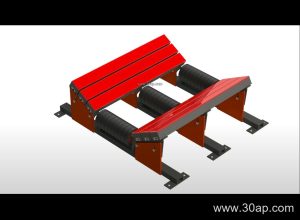
For comparison, a return idler supports the empty side of the belt and is a different duty. A buffer idler with rubber rings is used at load points to absorb impact. These are not replacements for a standard trough idler but may appear on the same conveyor.
Buyer Checklist
- Confirm belt width, trough angle, and set type before ordering.
- Check roller diameter and shaft size against the conveyor design, not against belt width alone.
- Match the bearing and seal to dust and moisture conditions.
- Ask about roller surface options where sticky or abrasive material is handled.
- Check that the conveyor bracket and frame fit the existing stringer spacing.
- For self-aligning or friction training idlers, confirm the frame type separately from standard troughing sets.
Properly selected trough idlers keep the conveyor belt running centered and reduce spillage. A buyer who knows the belt width, load, and environment can compare offers on equal terms and avoid mixing trough idlers with pulleys or return rollers.