What a Heavy-Duty Steel Conveyor Bracket Does on a Working Line
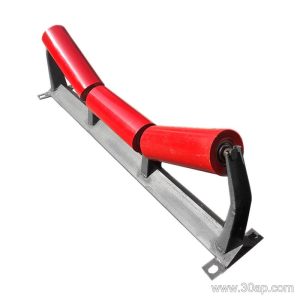
A Heavy-Duty Steel Conveyor Bracket is the structural support that holds the idler roller in place and keeps the conveyor belt at the right profile along the whole run. In a quarry, a limestone mine, or a cement plant, the bracket is the part that quietly carries the load path from the belt into the frame. It is not a small accessory: the trough angle it sets, the roller spacing it allows, and the stiffness of its steel all decide how smoothly a bulk material conveyor belt tracks and how long the rollers last.
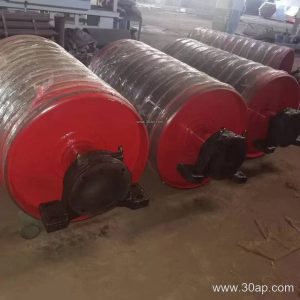
Unlike a drive pulley, a tail pulley, or a bend pulley, which transmit motion and change belt direction, the bracket does no driving. Its job is positioning and load transfer. That difference matters when specifying spare parts, because a conveyor pulley and a conveyor bracket are never interchangeable, even though both sit close to the belt.
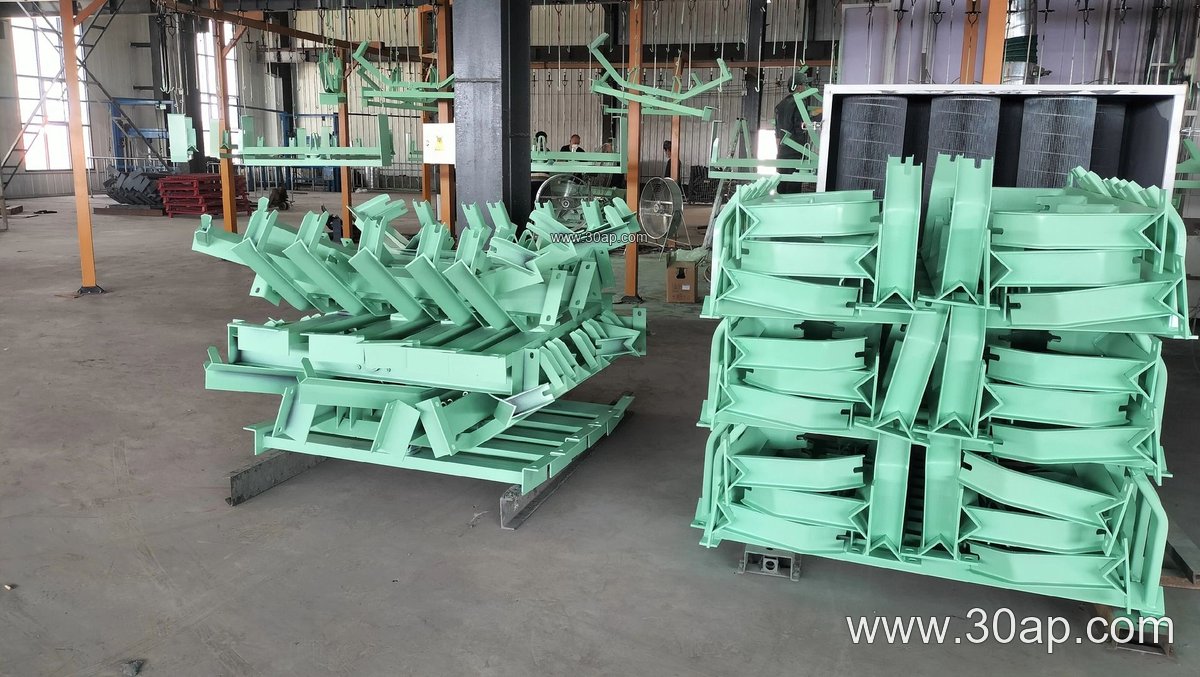
How the Bracket Is Built
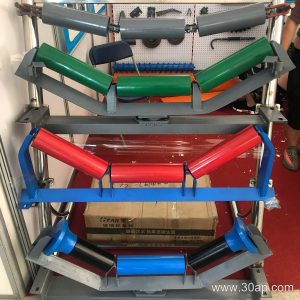
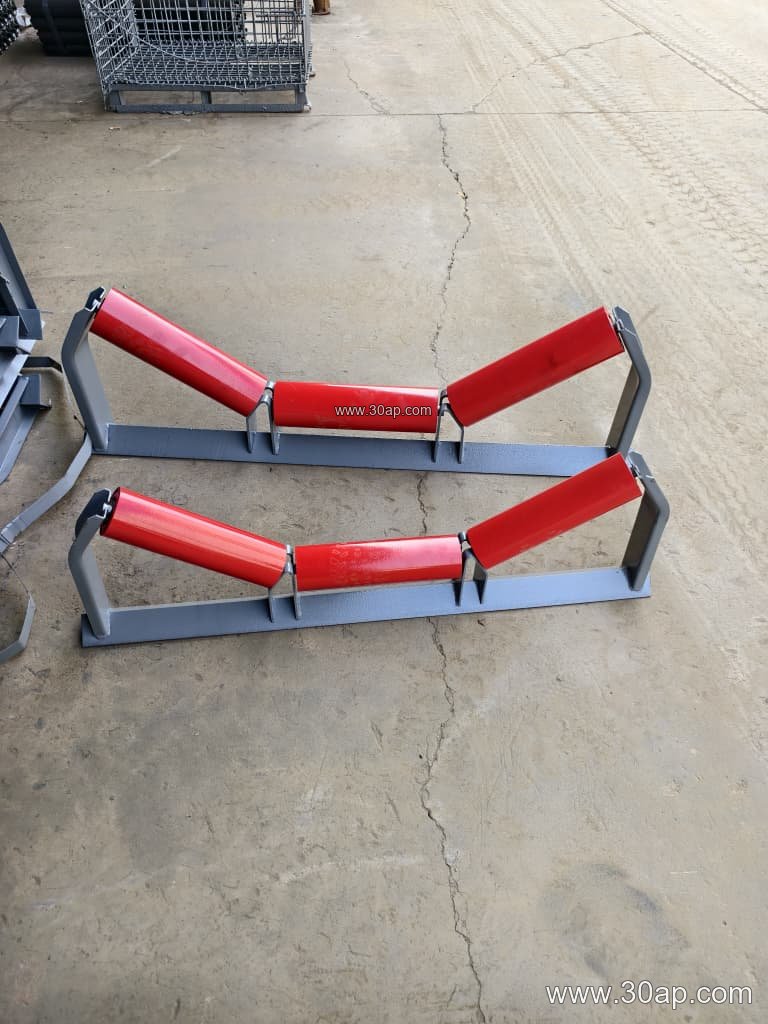
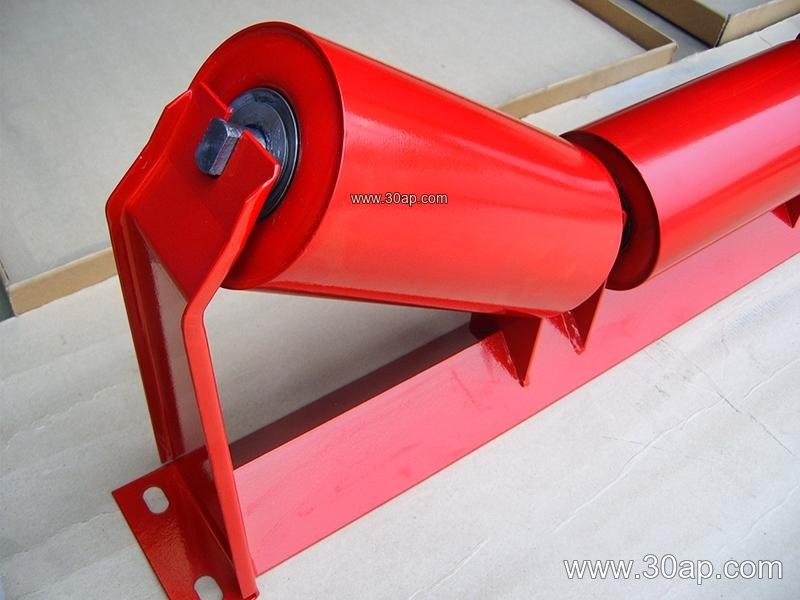
Most heavy-duty versions are fabricated from angle steel, channel steel, or folded steel plate. The frame is welded or bolted, then drilled or slotted so the idler roller sits at a defined height and angle. On troughing positions, the bracket forms the cradle that gives the belt its trough shape. On return positions, a flatter or V-shaped support keeps the belt from sagging between pulleys.
Typical structural choices include:
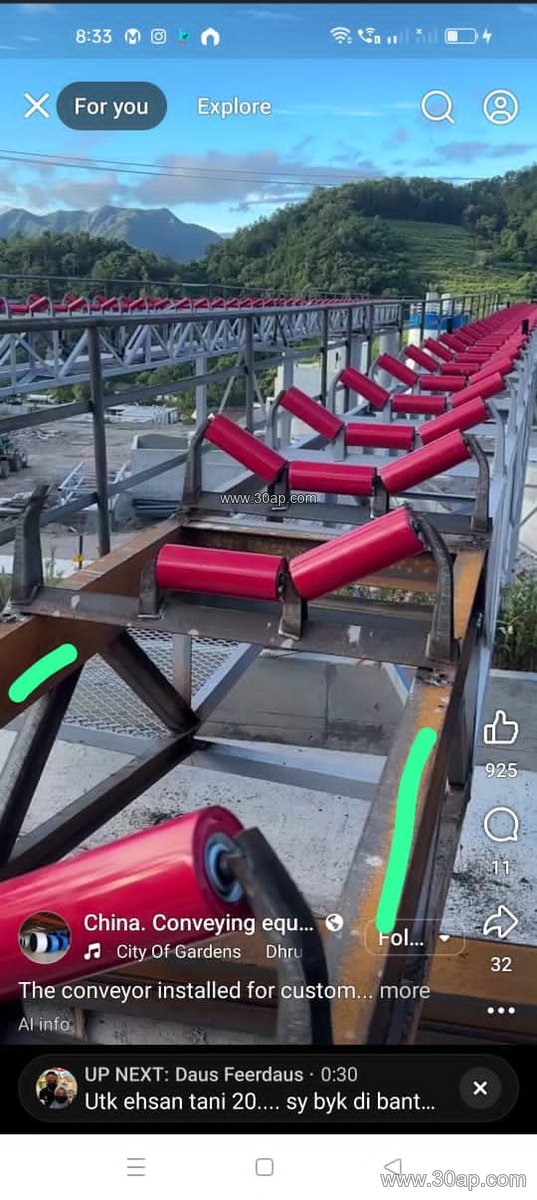
- Channel or angle sections for the main beam, sized to the belt width and load
- Slotted mounting holes so roller positions can be fine-tuned on site
- Reinforced gussets at the joints where the side arms meet the crossbeam
- Hot-dip galvanized or painted finishes for dusty, humid, or washdown conditions
Because the bracket sets the trough angle, its geometry is usually matched to the belt width and the material being carried. Common trough angles are 20, 30, 35 and 45 degrees, and adjustable brackets let maintenance crews move between these settings. Forward-leaning designs, often around 1.5 to 2 degrees, are used where belt training is a concern.
Where These Brackets Earn Their Keep
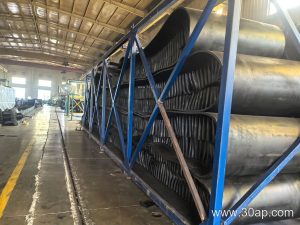
The harshest duties are in primary crushing and transfer points. In an iron ore or copper ore circuit, a Heavy-Duty Steel Conveyor Bracket under a loading zone has to resist impact, vibration, and fines packing into the frame. In a coal washing plant or a power station coal yard, flame retardant conveyor belt and anti-static conveyor belt are common, and the bracket must stay rigid so the belt does not rub or misalign. Sand and gravel lines, stone crushing plants, and aggregate yards also rely on sturdy brackets to keep a quarry conveyor belt running straight through constant starts and stops.
In cement plants, heat resistant conveyor belt may run near clinker areas, while a heat resistant bracket finish helps the frame survive radiant heat. At port terminals and ship loading facilities, wide belts such as a 1200mm or 1500mm conveyor belt need brackets with longer crossbeams and heavier sections. Even a food grade conveyor belt line in a grain silo benefits from a clean, well-aligned bracket that prevents the belt from wandering.
Matching Bracket, Belt, and Roller
Buyers often ask which bracket suits which belt. There is no single answer. A B800 belt with a 35-degree trough and Ø108 rollers is a common combination, and a B1200 line might run 45 degrees with Ø133 rollers, but belt width alone does not fix the roller diameter, and one belt width does not lock you to one trough angle. Installation hole spacing and crossbeam length change with belt width, trough angle, and frame design, so they should be confirmed against the drawing rather than assumed.
Reference values that appear in bracket and roller schedules include:
- Belt widths: B500, B650, B800, B1000, B1200, B1400, B1600, B1800, B2000, B2200
- Trough angles: 20, 30, 35, 45 degrees
- Roller diameters: Ø89, Ø108, Ø133, Ø159, Ø194
These are common reference figures, not verified universal specifications. A heavy-duty conveyor belt carrying abrasive rock may call for a thicker frame and closer roller spacing than a lighter duty line, and a steel cord conveyor belt on a long overland run may need different support spacing than a short EP conveyor belt transfer.
What to Check Before Ordering
Start with the belt width and the trough angle you actually need, then confirm the roller diameter and the mounting hole pattern. Ask whether the bracket is fixed or adjustable, because adjustable versions cost more but simplify alignment later. Check the steel section and finish against your environment: a washdown area, a dusty coal yard, and a hot clinker line each push the choice in a different direction. Finally, confirm that the bracket works with the idler roller you plan to fit and that the frame height matches the existing conveyor structure, so the belt sits at the right elevation from the first day of installation.