What a Guide Pulley Does on a Conveyor
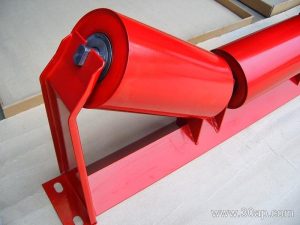
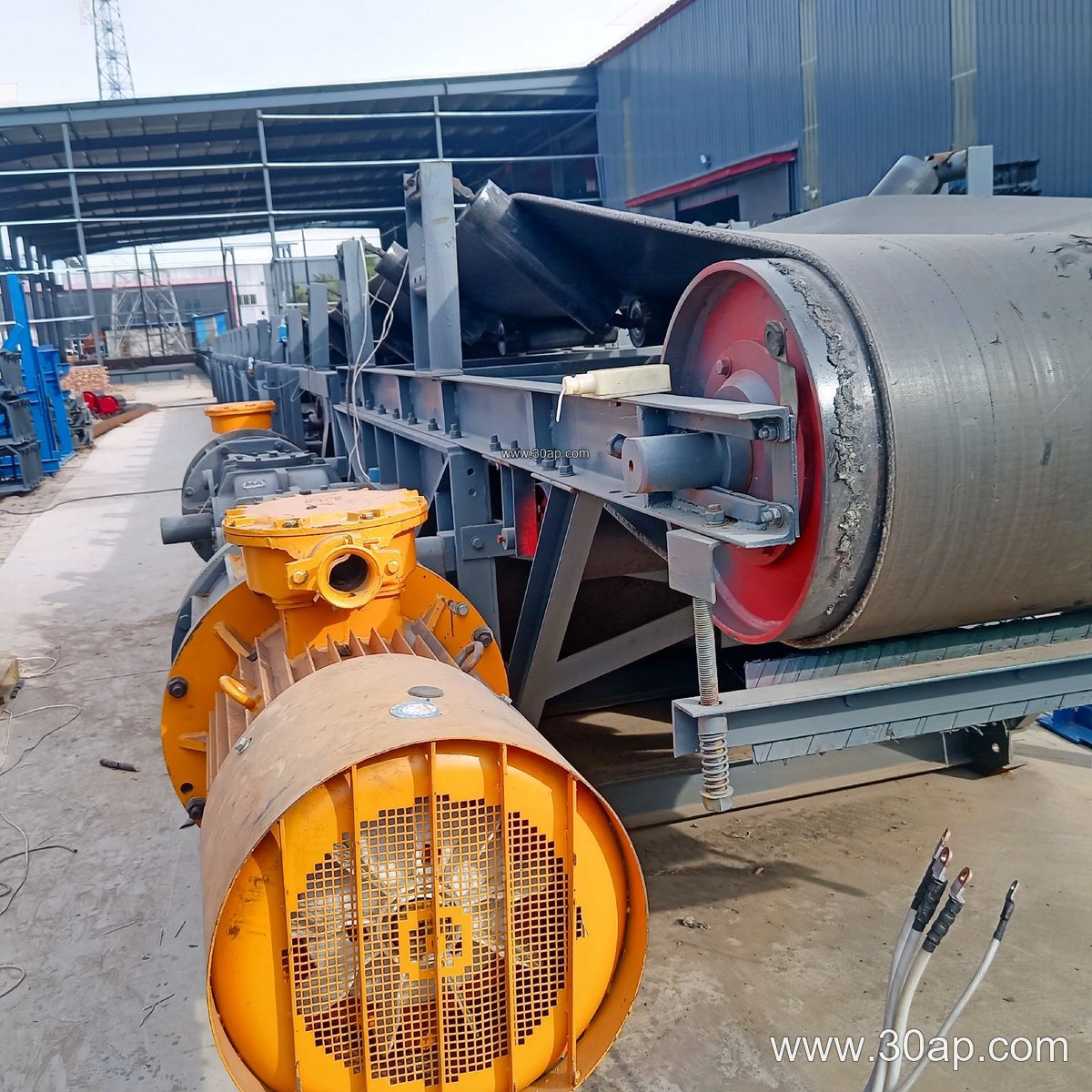
A guide pulley is a small-diameter roller assembly mounted at strategic points along a conveyor to keep the belt tracking correctly and to support it where the belt path changes direction slightly. Unlike the drive pulley that transmits power or the tail pulley that returns the belt, the guide pulley applies light lateral or vertical correction. In aggregate plants and cement kilns, a well-placed guide pulley prevents edge damage and reduces spillage. It is often used together with a conveyor bracket to simplify alignment during installation.
Construction and Common Surface Forms
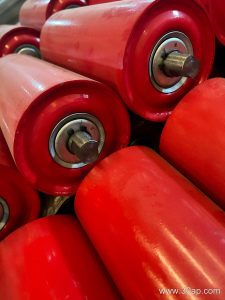
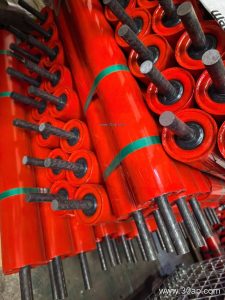
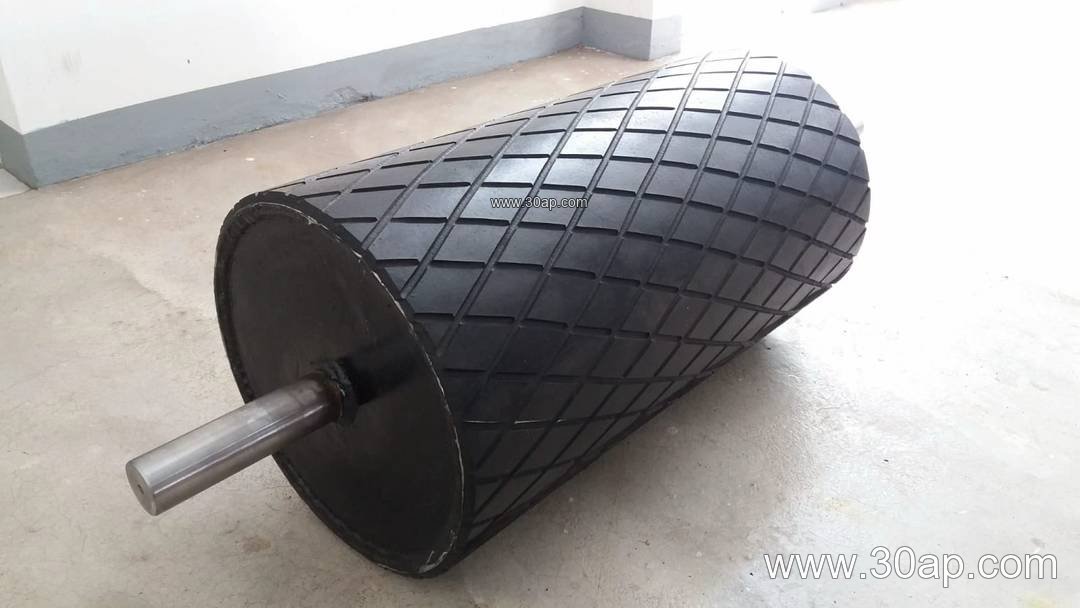
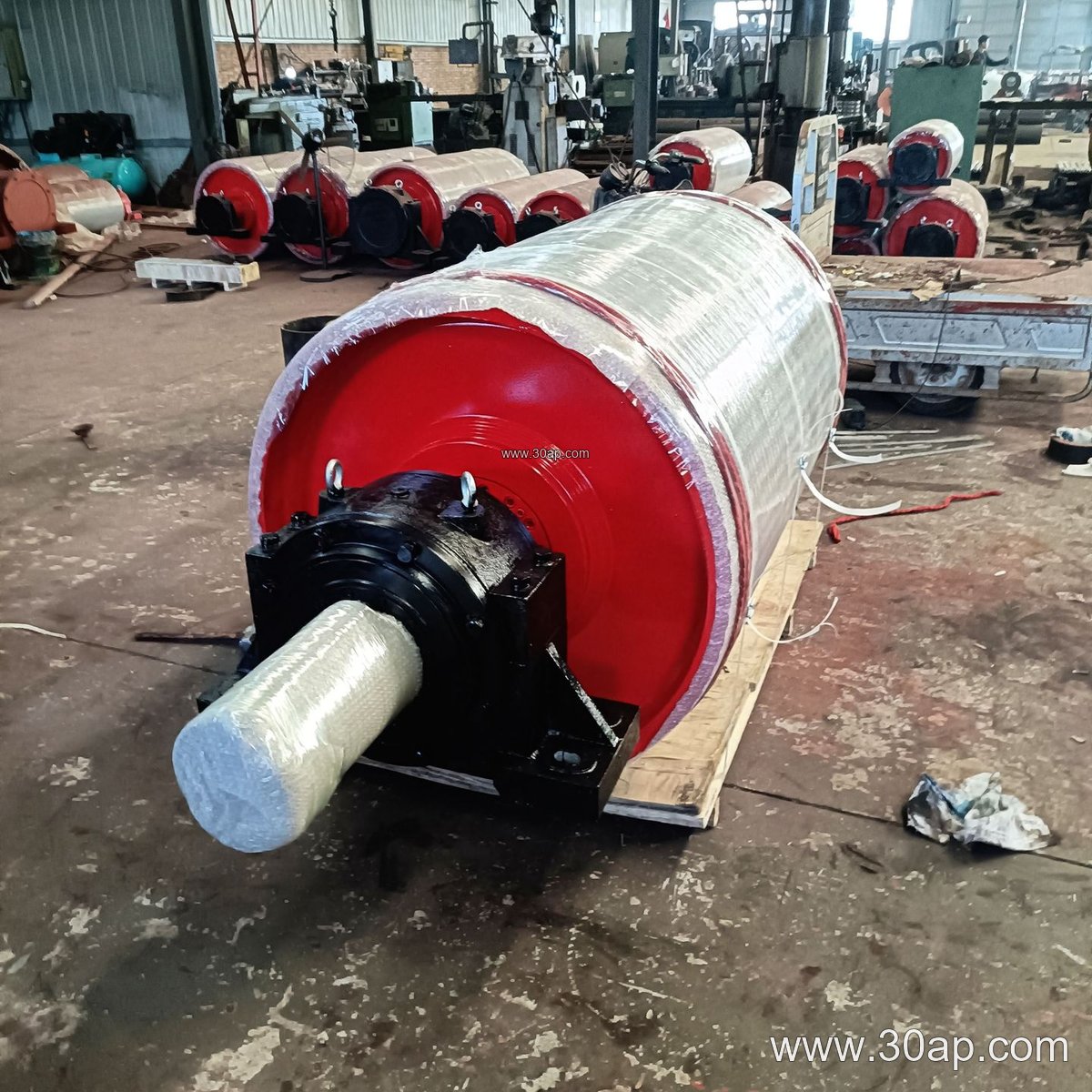
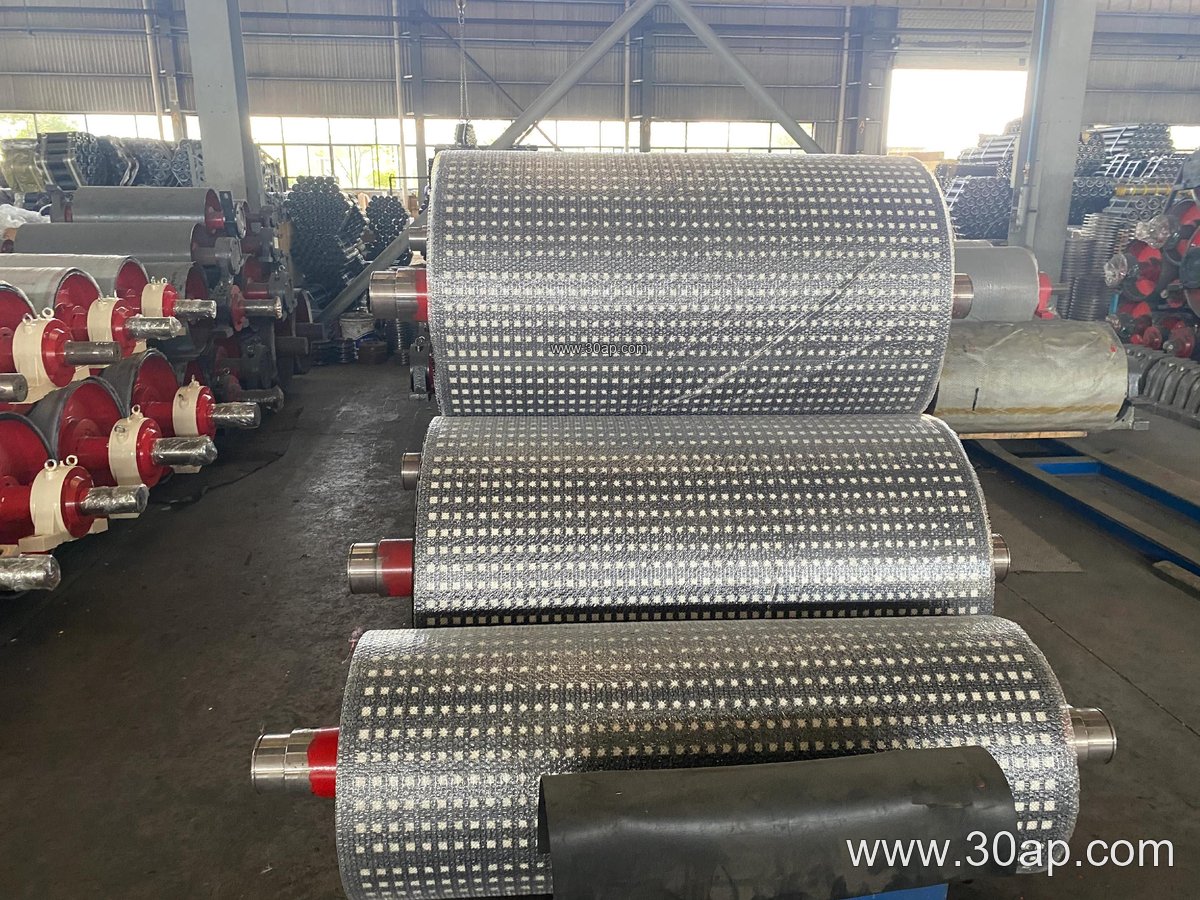
Most guide pulleys are built from a steel tube with welded end discs and a through shaft. The surface may be plain, rubber-lagged, or ceramic-lagged depending on the belt and material. Common face widths follow the belt they serve, for example a B800 belt typically runs on a pulley face around 950 mm, while a B1200 belt uses roughly 1400 mm. Diameters are modest, often Ø200 to Ø400, because the guide pulley is not the main traction element. Shaft diameters are selected by torque and load, not by belt width alone.
| Reference Parameter | Typical Range |
|---|---|
| Belt width (B) | B400, B500, B650, B800, B1000, B1200, B1400 |
| Pulley diameter | Ø200, Ø250, Ø315, Ø400 |
| Face width | Approx. belt width + 100–150 mm |
| Shaft diameter | Ø50 to Ø120 (design-dependent) |
| Surface | Plain, rubber lagging, ceramic lagging |
Lagging thickness of 8 mm to 15 mm is common on guide pulleys that contact the dirty side of a rubber conveyor belt. A smooth plain face is often enough when the pulley only touches the clean side.
Where It Fits in Quarries and Power Plants
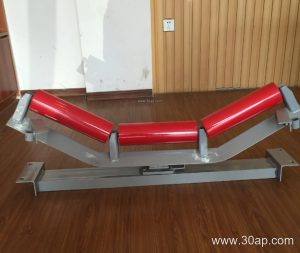
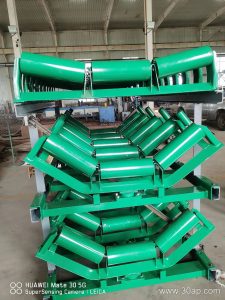
In a quarry conveyor line, guide pulleys are frequently installed just before the head pulley to center the belt as it approaches the discharge. In a coal-fired power plant, they help keep the return strand aligned through transfer towers, working alongside idler rollers and conveyor brackets. The same logic applies in a limestone mine or a sand and gravel plant where belt wander causes edge wear. A guide pulley is not a substitute for a bend pulley or a training idler; it complements them by making small, local corrections.
Matching the Guide Pulley to the Belt
Selection starts with the belt construction. A heavy steel cord conveyor belt may need a larger shaft and bearing than a lightweight EP conveyor belt of the same width. Abrasion resistant conveyor belts in crusher circuits often pair with lagged guide pulleys to reduce slip and wear. For food or clean applications, a plain stainless or painted face may be preferred. Always confirm the belt thickness, carcass type, and trough angle before fixing the pulley diameter and face width.
- Check belt tension and take-up travel.
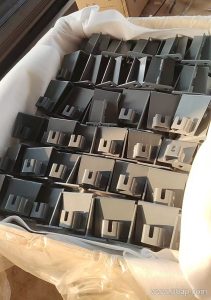
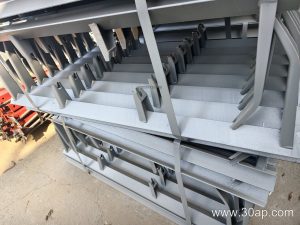
- Confirm the mounting position with the conveyor bracket drawing.
- Verify lagging type against material carry-back.
- Allow for future belt replacement without changing the pulley.
Buyer Checklist
Ask for the pulley face width, shaft diameter, bearing type, and lagging thickness in writing. Confirm that the guide pulley will be balanced for the expected belt speed. Spare guide pulleys should match the original mounting holes so that a conveyor bracket does not need modification during a shutdown. For a B1000 conveyor handling abrasive ore, a Ø315 pulley with 10 mm rubber lagging is a common starting point; for a B650 belt in a cement plant, a Ø250 plain pulley may be sufficient. These are reference examples, not fixed rules. Final dimensions depend on the conveyor design, belt type, and load.
Keep the guide pulley clean and check bearing play during routine inspections. A small misalignment caught early protects the conveyor belt and extends the life of the whole line.