What a Fabric Core Conveyor Belt Is
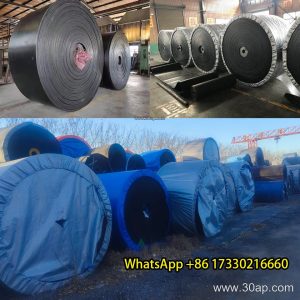
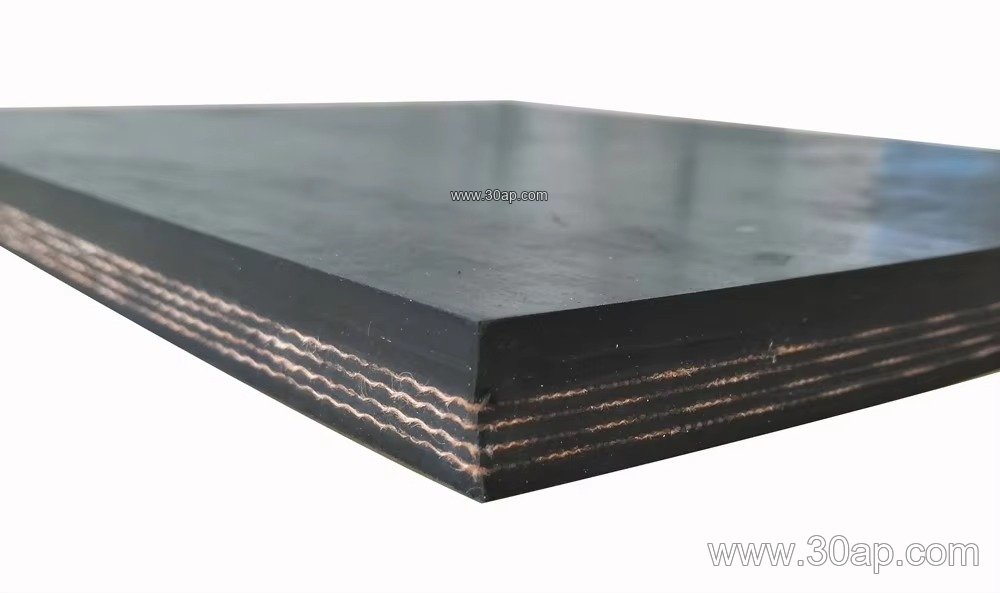
A fabric core conveyor belt is a composite structure in which multiple layers of woven fabric—typically polyester warp and nylon weft—are bonded together with rubber skim compounds and covered on both faces with protective rubber. The fabric plies carry the tension, while the rubber covers shield the carcass from abrasion, moisture, and impact. This construction is often called an EP conveyor belt when the fabric is polyester-nylon, or an NN conveyor belt when nylon-nylon plies are used. Both fall under the broader family of fabric core conveyor belt products.
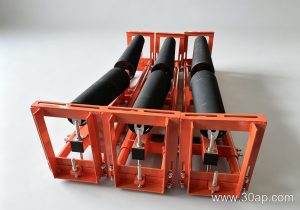
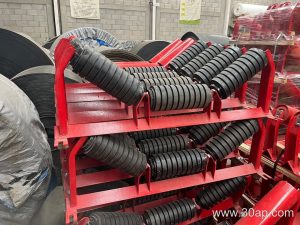
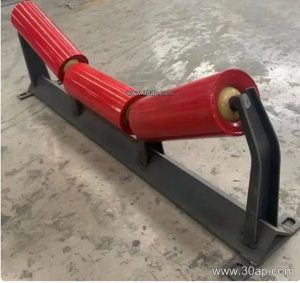
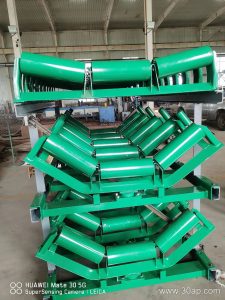
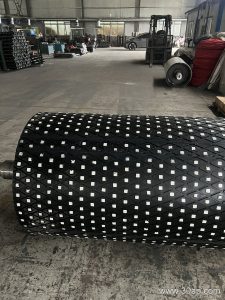
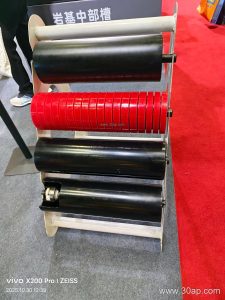
In bulk handling circuits—from a quarry conveyor belt line to a cement plant conveyor belt gallery—the fabric core belt runs over idler rollers, wraps the drive and tail pulleys, and is supported by conveyor brackets and frames. Drive, tail, and bend pulleys each perform distinct roles and are not interchangeable; the belt must be specified to suit all of them.
Construction and Typical Specifications
The carcass usually contains 2 to 6 fabric plies, depending on the required strength and the belt width. Cover rubber is specified in combined top and bottom thicknesses such as 3+1.5 mm, 4+2 mm, 5+2 mm, 6+2 mm, or 8+3 mm. Strength grades are commonly expressed as EP200, EP400, EP630, EP1000, EP1250, and up to EP2000; the numbers indicate the nominal tensile strength per unit width. NN100 through NN400 grades are also available for lighter to moderate duties. Belt widths commonly range from B500 and B650 up to B1800 or B2000, with 800mm, 1000mm, and 1200mm being frequent choices in aggregate and ore handling.
| Parameter | Common Range | Notes |
|---|---|---|
| Fabric type | EP (polyester-nylon), NN (nylon-nylon) | EP offers low elongation; NN offers high impact resistance |
| Strength grade | EP200 to EP2000, NN100 to NN400 | Selected per tension and safety factor |
| Number of plies | 2 to 6 | Higher ply count for heavier duty |
| Cover thickness | 3+1.5, 4+2, 5+2, 6+2, 8+3 mm | Top and bottom cover combined |
| Belt width | B500 to B2000 | Match to tonnage and lump size |
These values are reference data; actual specifications are confirmed by design and may vary between manufacturers. A 1200mm wide belt, for example, is not tied to one pulley diameter—shaft and pulley sizing depend on the full conveyor design.
Where It Fits in the Plant
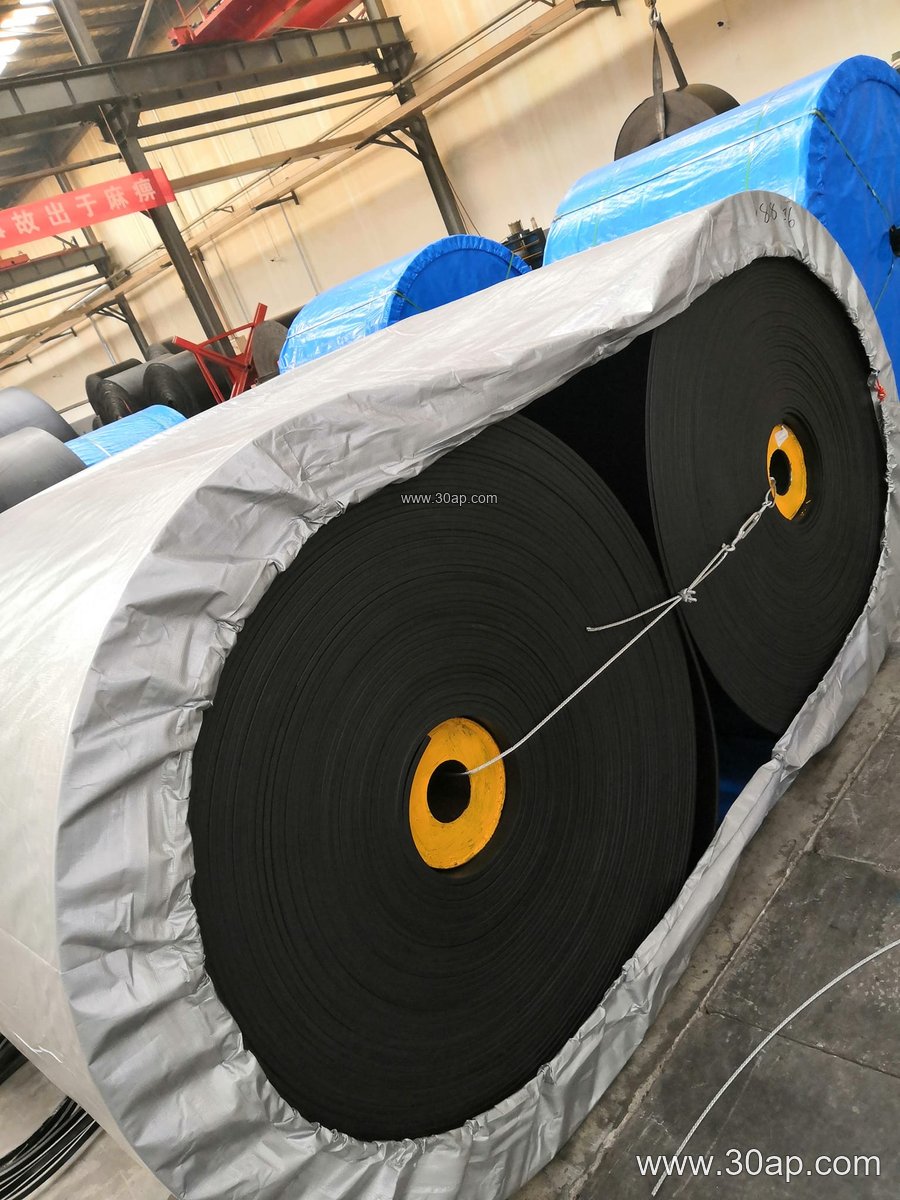
Fabric core belts are widely used in mining conveyor belt systems, coal mining conveyor belt lines, power plant conveyor belt routes, steel plant conveyor belt yards, and sand making plant conveyor belt circuits. In a stone crushing conveyor belt line, a crusher conveyor belt often needs good impact resistance; in a port conveyor belt or ship loading conveyor belt system, low elongation helps maintain stable tracking over long spans. A heavy-duty mining conveyor belt may use a multi-ply fabric core conveyor belt with thick covers, while a smaller recycling conveyor belt or construction industry conveyor belt can use a lighter EP or NN construction.
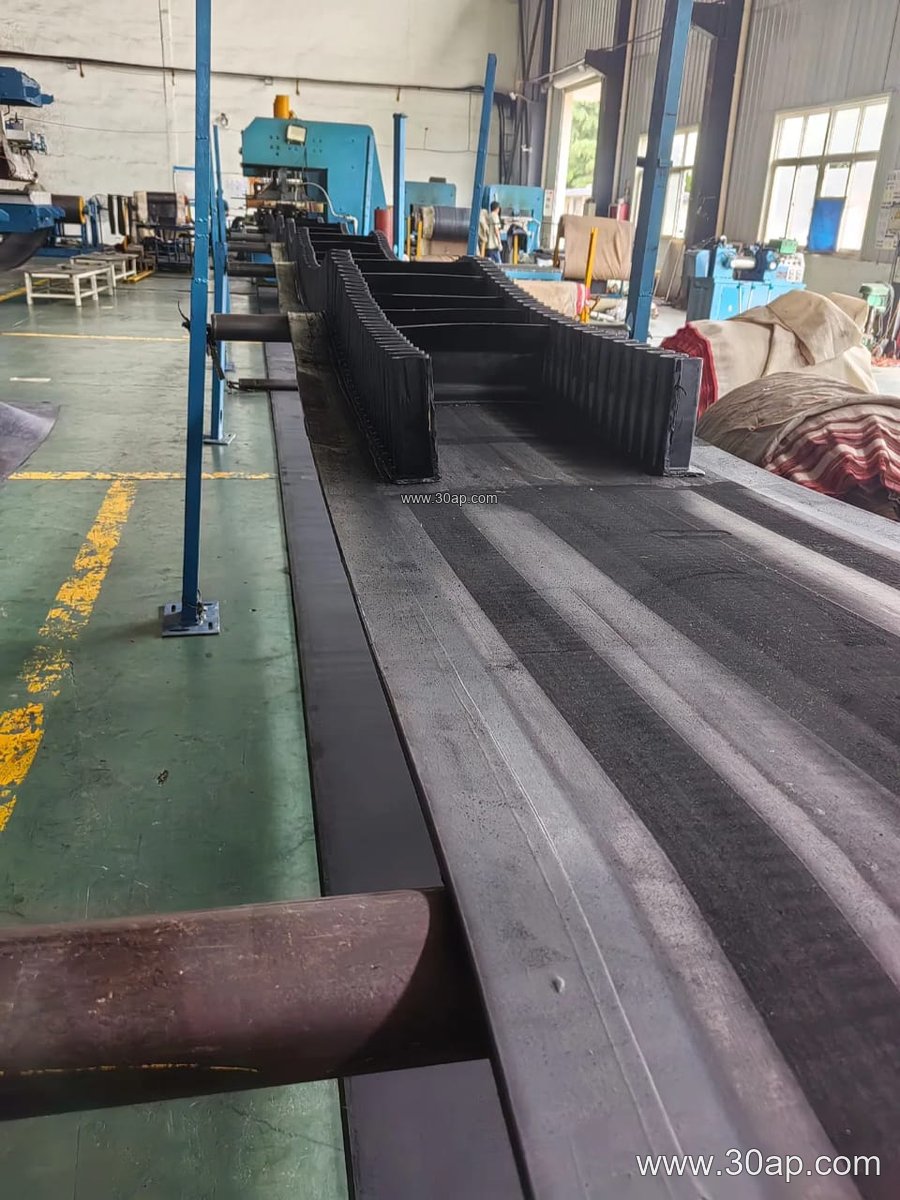
Where material is abrasive, an abrasion resistant conveyor belt grade is preferred; where oil or heat is present, oil resistant conveyor belt or heat resistant conveyor belt covers are specified. Underground coal mining conveyor belt applications often require flame retardant conveyor belt and anti-static conveyor belt properties. For steep inclines, a chevron conveyor belt or corrugated sidewall conveyor belt may be considered, though those are separate designs and do not replace the standard fabric core belt where a flat carrying surface is required.
Buyer Checklist
- Confirm the required strength grade (for example EP630 or EP1000) from the conveyor tension calculation, not from belt width alone.
- State the material being carried and the operating environment so the cover compound can be matched: abrasion resistant, heat resistant, oil resistant, cold resistant, or flame retardant.
- Provide belt width and cover thickness in the inquiry, such as 1000mm wide with 5+2 mm covers, so suppliers can quote accurately.
- Describe the pulley arrangement—drive, tail, and bend pulleys—and the idler roller spacing, since these affect belt training and splice design.
- Ask about splice type and whether an endless conveyor belt is required for the installation.
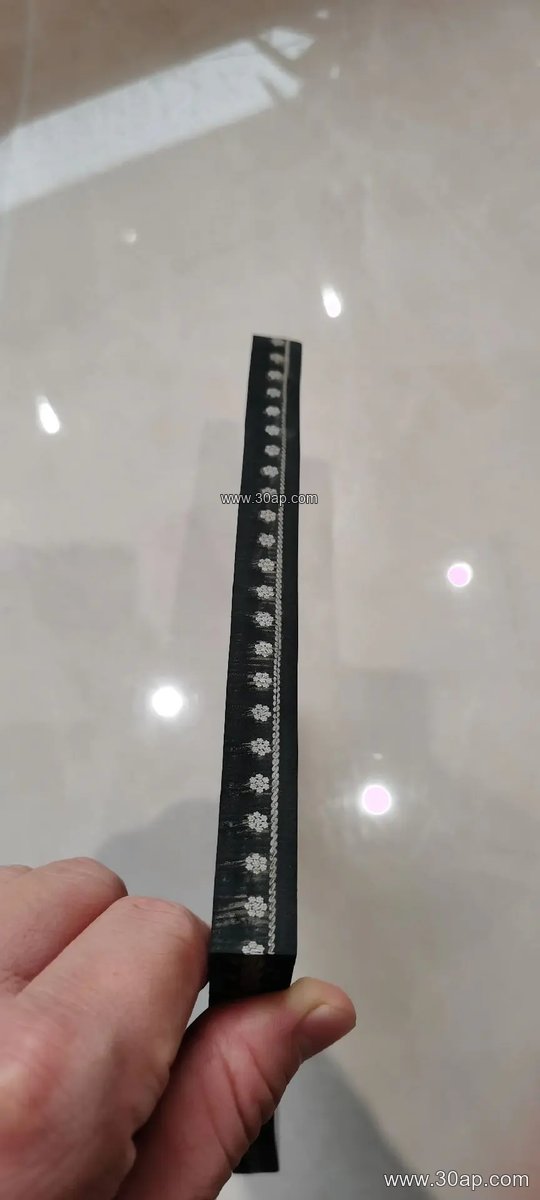
For heavy-duty mining conveyor belt and high strength conveyor belt duties, consider whether a steel cord conveyor belt might be more suitable at very high tensions; however, for most quarry conveyor belt, aggregate conveyor belt, and cement plant conveyor belt duties, a well-specified fabric core conveyor belt remains a practical and repairable choice.