What a Conveyor Bracket Is and What Drives Its Price
A conveyor bracket is the structural support that holds idlers in place along a conveyor frame. In quarry and aggregate lines, it keeps the belt profile stable under heavy loads. The price of this component depends on material, forming method, load rating, and the number of mounting holes or adjustment features. Buyers comparing quotes should look beyond the unit figure: a bracket made from folded steel plate with reinforced gussets will cost more than a simple angle-iron version, but it may reduce downtime when handling abrasive rock or ore.
Because the bracket works together with the conveyor belt, idler roller, and conveyor pulley, an undersized support can wear rollers unevenly and shorten belt life. The bracket itself is not a wear part in the same way as a roller, but its rigidity affects the whole assembly.
Common Types and How They Are Built
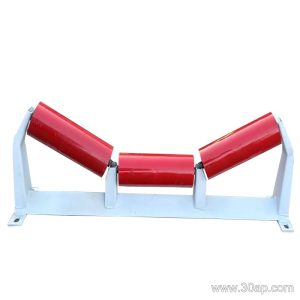
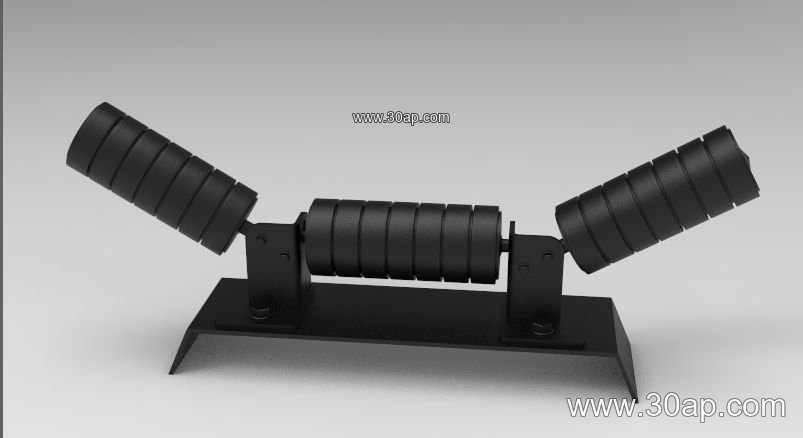
Most brackets fall into a few families. Troughing brackets support the carrying side and set the trough angle. Return brackets hold the belt on the return run. Impact brackets sit under loading points and are often reinforced. Self-aligning brackets include a pivot to correct belt tracking. Adjustable brackets let maintenance staff change the trough angle without replacing the frame section.
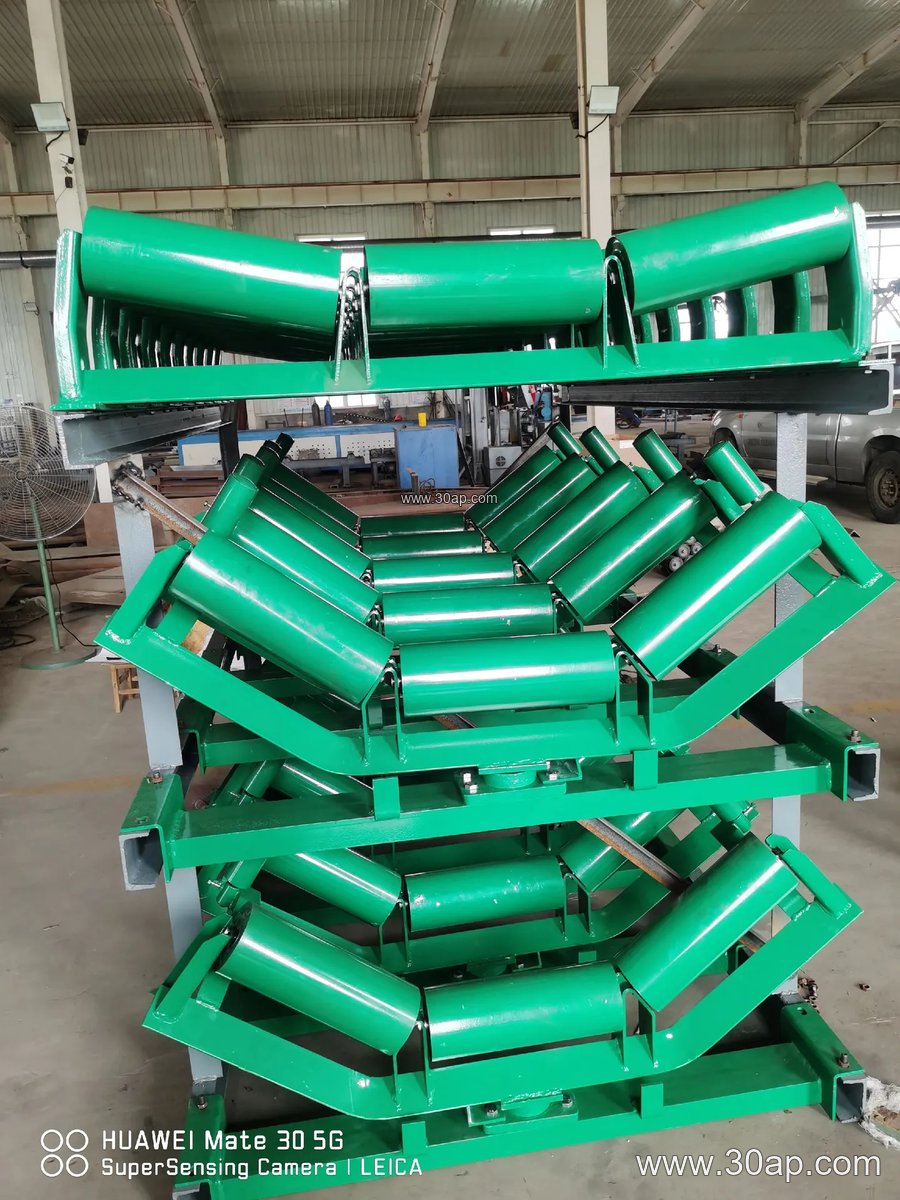
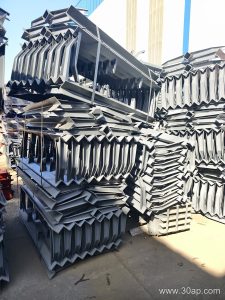
Materials are usually angle steel, channel steel, or folded steel plate. The choice affects both strength and cost: folded plate can be lighter while keeping stiffness, whereas channel steel is common in heavy-duty mining conveyors. Welding quality and surface treatment also influence the final bracket price, especially for outdoor installations where corrosion protection matters.
Where These Brackets Are Used
You will find them in coal preparation plants and cement plants, where dust and continuous operation demand stable idler spacing. In a typical cement plant, troughing brackets with a 35-degree angle support a fabric core conveyor belt or EP conveyor belt on the main clinker line. In a coal mining operation, flame retardant conveyor belt and steel cord conveyor belt systems rely on robust return brackets to keep the belt aligned in tunnels.
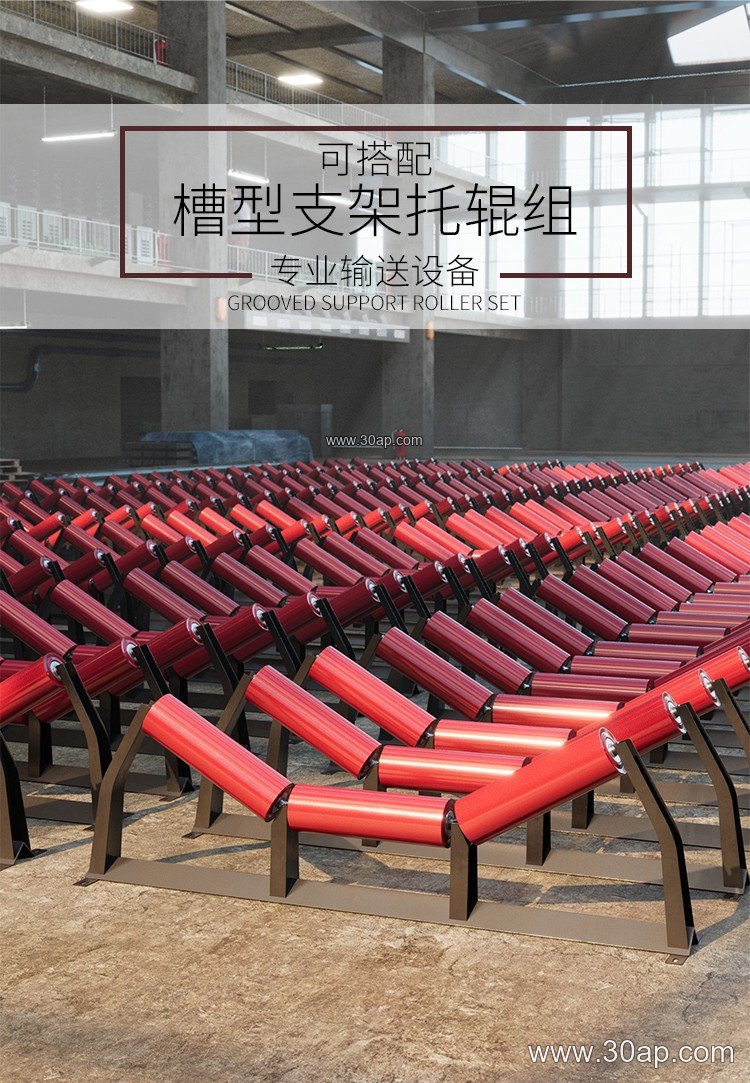
Sand and gravel plants use brackets together with impact idlers at crusher discharge points, where rock falls onto the belt. Power plant coal yards and port loading facilities also depend on correctly sized brackets to maintain belt contact with the drive pulley and tail pulley.
Key Parameters That Affect Price and Fit
When requesting a quotation, specify the belt width, trough angle, roller diameter, and mounting hole spacing. These values determine the bracket geometry. Below are common reference ranges; actual dimensions are confirmed by design.
| Parameter | Common Options |
|---|---|
| Belt width (B) | B500, B650, B800, B1000, B1200, B1400, B1600, B1800, B2000 |
| Trough angle | 20°, 30°, 35°, 45°; adjustable types allow change within this range |
| Idler diameter | Ø89, Ø108, Ø133, Ø159, Ø194 |
| Material | Angle steel, channel steel, folded steel plate |
| Bracket type | Troughing, return, impact, self-aligning, adjustable, suspended |
For example, a B800 line with a 35-degree trough and Ø108 idlers needs a different bracket than a B1200 line with 45-degree trough and Ø133 idlers. Mounting hole distance and crossbeam length vary with belt width and trough angle, so they should not be treated as fixed numbers.
How to Evaluate Conveyor Bracket Price
Compare offers on the same specification: type, material thickness, surface finish, and adjustment range. A lower price may mean thinner steel or fewer reinforcing ribs, which can lead to bending under load. Ask for the load rating and check that the bracket matches your idler roller diameter and belt width. For heavy-duty mining conveyor belt systems, a reinforced bracket is often worth the extra cost.
Also consider the total cost of ownership. A bracket that installs quickly and holds alignment reduces maintenance time on the conveyor pulley and belt. In dusty environments such as a quarry or coal yard, hot-dip galvanized or painted brackets may last longer and offset a higher initial price.
Practical Selection Notes
- Confirm the belt width and trough angle before ordering; adjustable brackets offer flexibility if the angle may change.
- Match the bracket to the idler diameter and mounting hole pattern.
- For impact zones, use reinforced impact brackets rather than standard troughing brackets.
- Check that the bracket fits the existing frame and does not interfere with the conveyor belt or return run.
Whether you are pricing brackets for a small aggregate conveyor or a long overland system with steel cord conveyor belt, the same principle applies: the bracket price should be judged against the mechanical duty it performs. For more details on conveyor components, visit conveyor bracket and conveyor pulley resources.