What a Coal Mine Conveyor Idler Does Underground
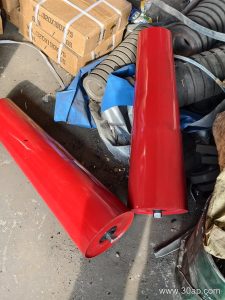
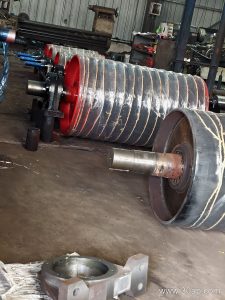
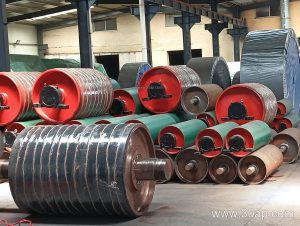
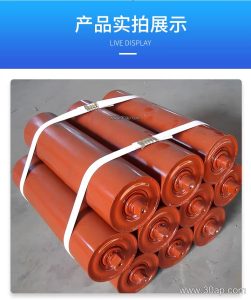
A coal mine conveyor idler is the rotating roller that supports the loaded belt along the structure of a troughing conveyor. In a typical underground coal mining conveyor belt line, these rollers carry the weight of coal, absorb impact at transfer points, and keep the belt tracking in a stable path. The idler roller works together with the conveyor pulley at the drive and tail ends, but it is a separate component with its own bearing, shaft, and shell.
Because coal dust, moisture, and fines are constant companions underground, the design of the idler matters as much as the belt itself. A well-built roller reduces friction, protects the belt cover, and keeps energy consumption under control. Where the coal mining conveyor belt is flame retardant and anti-static, the idler should also avoid metal-to-rubber contact that could generate sparks or heat.
How the Roller Is Put Together
Most rollers share a simple but precise construction. A steel tube forms the shell, and the shaft passes through sealed bearing housings at each end. Common bearing sizes include 6204, 6205, 6305, 6306, 6308, and 6310, matched to load and speed by the designer. Seals are the critical detail in coal service, since fine dust that reaches the bearing will shorten life quickly.
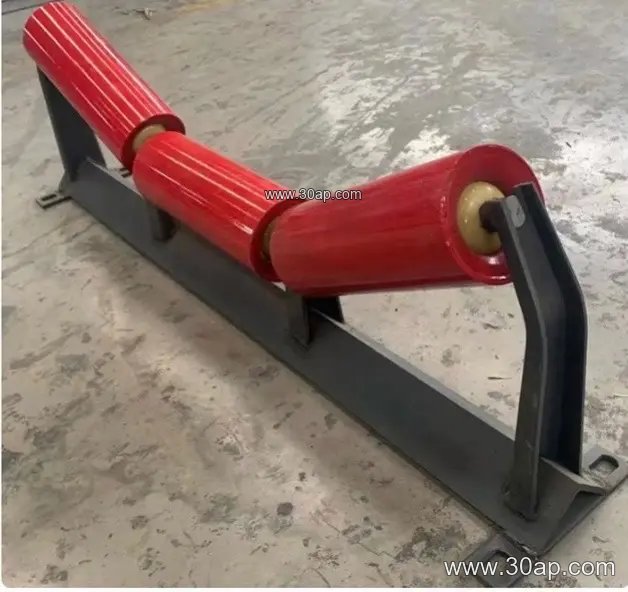
- Shell material: steel tube is standard; nylon, ceramic, and rubber rings are used for special duties.
- Bearing housing: pressed or machined, with labyrinth or contact seals.
- Shaft: usually fixed to the conveyor bracket through flattened ends.
- Surface form: plain steel for carrying, rubber rings for impact zones, and spiral or comb types for sticky material.
Where Idlers Sit on the Conveyor
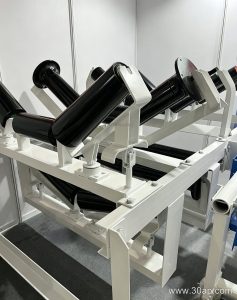
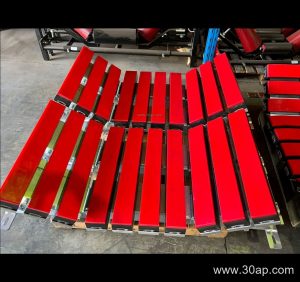
On the carrying side, three-roll troughing sets are the most common arrangement. The trough angle is usually 20, 30, 35, or 45 degrees, and a slight forward tilt of about 1.5 to 2 degrees helps center the belt. On the return side, flat rollers or V-type return idlers support the empty belt. At the loading point, impact idlers with rubber rings cushion falling coal and protect both the roller and the belt.
Roller diameter is chosen with belt width and load in mind. Common diameters range from Ø63 and Ø76 on small units up to Ø159, Ø178, Ø194, and Ø219 on heavy-duty lines. Belt widths from B400 to B2400 appear across different sections of a mine. For example, a three-roll troughing set on B800 might use a roll length near 315 mm, while B1200 often uses about 465 mm and B1600 around 600 mm. These are typical references, not fixed pairings, and side rolls may differ from the center roll.
Materials and Belt Compatibility
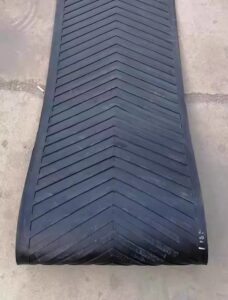
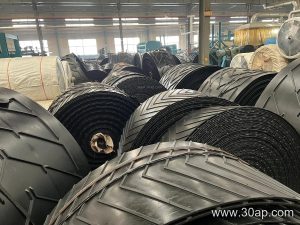
Idlers are only one part of the system. A conveyor belt suited to coal transport, such as a flame retardant conveyor belt or an anti-static conveyor belt, works best when the rollers run true and turn freely. In stone and aggregate sections, an abrasion resistant conveyor belt paired with smooth steel rollers limits wear. In dusty coal handling, a fabric core conveyor belt or steel cord conveyor belt may be selected depending on tension and distance, and the idler spacing should follow the belt manufacturer’s recommendation.
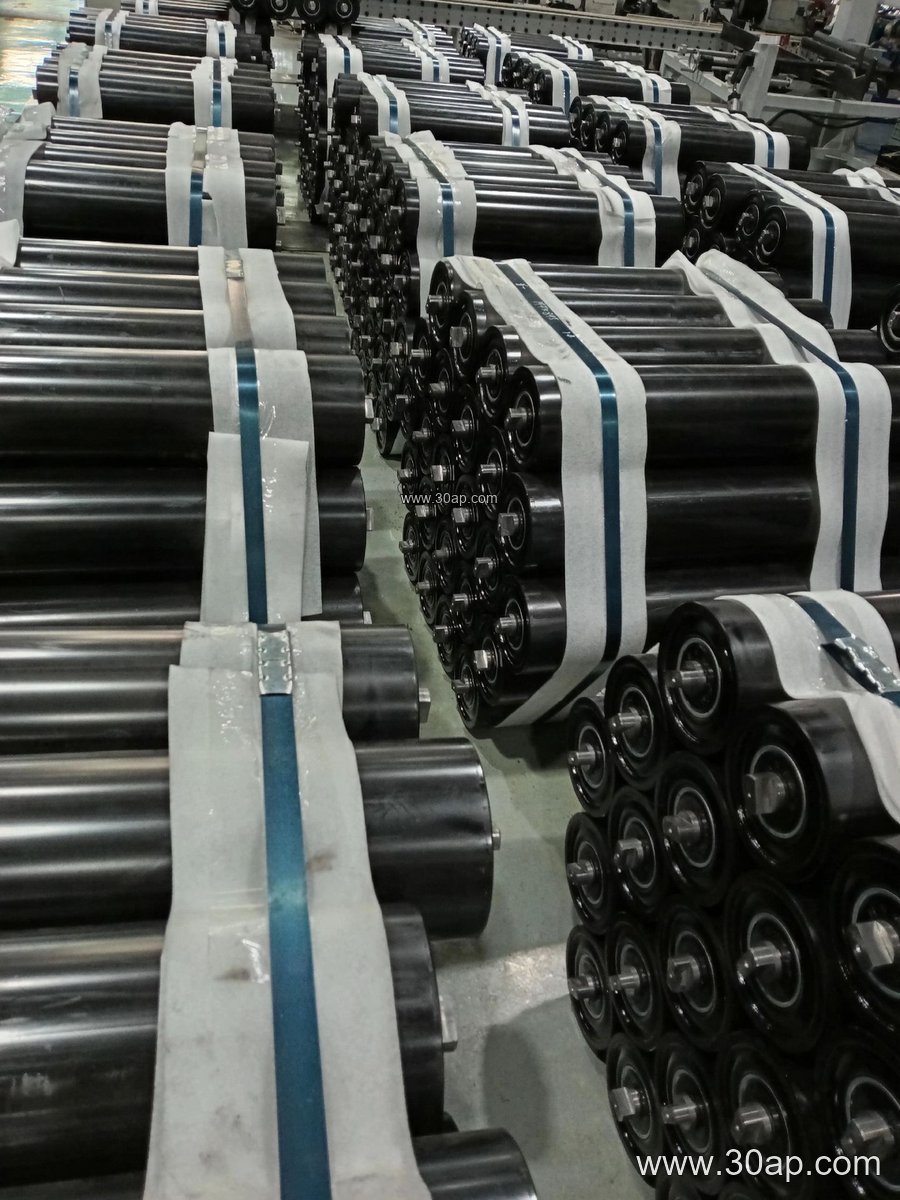
Where sticky coal or wet fines cause buildup, spiral or comb rollers can help shed material. In transition zones near the conveyor pulley, transition idlers ease the belt from trough to flat. Alignment problems are handled by self-aligning idlers, including friction and tapered types, which nudge the belt back toward the center line.
What a Buyer Should Check
Before ordering, confirm the belt width, trough angle, roll diameter, and roll length, and state whether the set is two-roll or three-roll. Ask about seal type, bearing size, and shell thickness, since these determine service life underground. Check that the shaft ends match the conveyor bracket and that the mounting dimensions suit the existing frame. For coal mine use, request documentation on flame retardant and anti-static properties of any rubber parts.
Maintenance is straightforward when the right roller is installed. Listen for squealing bearings, watch for belt misalignment, and replace seized rollers before they damage the belt cover. Keeping spare idlers on site reduces downtime in continuous coal flow.