What a 2400mm Conveyor Belt Is
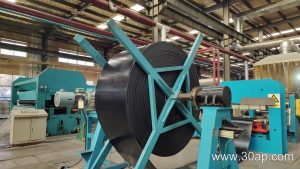
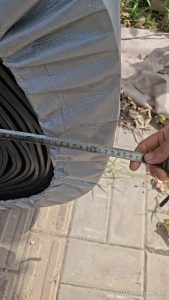
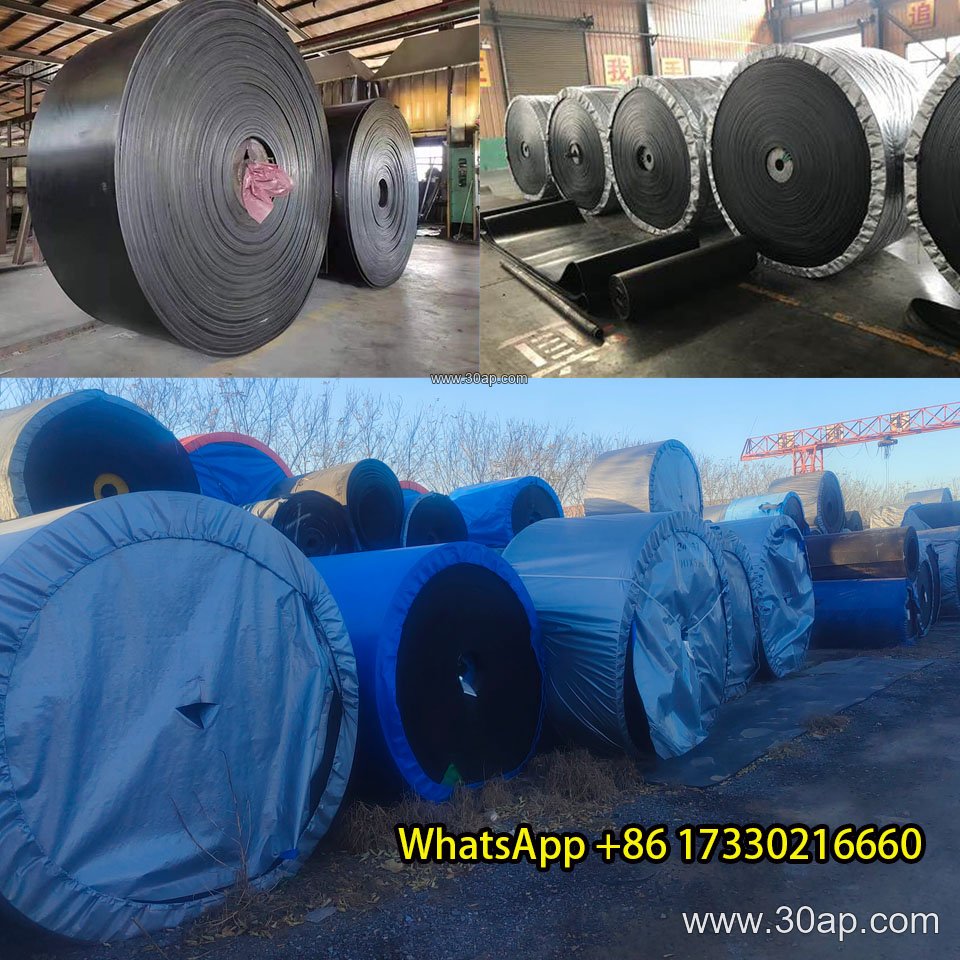
A 2400mm conveyor belt is a very wide heavy-duty belt, typically built for mainline conveying in mines, coal preparation plants, cement works, power stations, ports and large aggregate yards. The 2400mm figure refers to the belt width, which is the cut edge-to-edge dimension. In practice this is often described as a wide conveyor belt or an extra-wide conveyor belt, and it is chosen when a single stream must carry a large tonnage without excessive belt speed. A conveyor belt at this width is normally a custom-built item rather than a stock size, so the specification should be agreed with the manufacturer before ordering.
The same product may also be called a 2400mm wide belt, a B2400 belt, or a 2.4m conveyor belt. These are equivalent names for the same width; they do not change the construction or the duty class.
Construction and Common Specifications
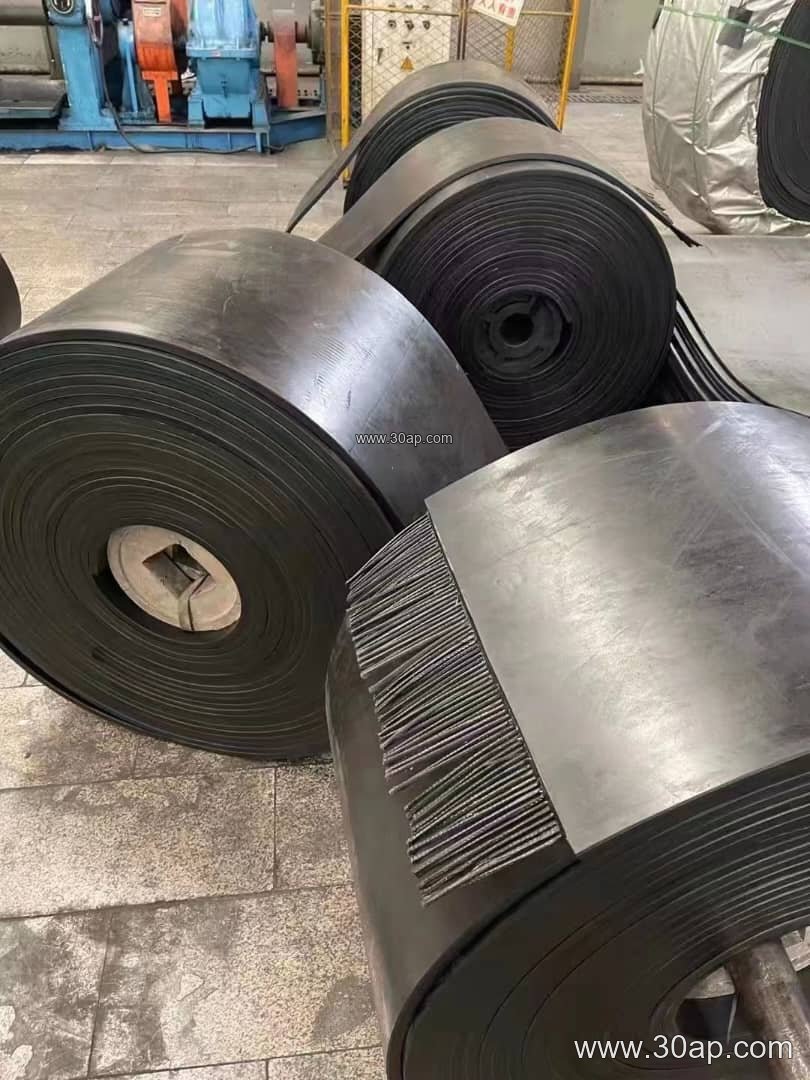
Wide belts are usually fabric-cored or steel-cord reinforced. Fabric constructions such as EP conveyor belt and NN nylon belt are common where flexibility and troughing are important, while steel cord belts suit long, high-tension mainlines. Cover rubber grade is selected for the cargo: abrasion resistant for ore and stone, heat resistant near clinker or sinter, flame retardant for underground coal, and oil resistant where lubricated or oily material is handled.
Typical reference values are listed below. They are common industry ranges, not universal guarantees, and the final construction is set by the conveyor design.
| Parameter | Common Reference Range |
|---|---|
| Belt width | 2400 mm (B2400) |
| Fabric core types | EP200, EP315, EP400, EP500, EP630, EP800, EP1000 |
| Steel cord grades | ST1000 to ST2500, higher grades by design |
| Number of fabric plies | Usually 2 to 6 |
| Top / bottom cover | 6+2 mm, 8+3 mm, thicker by design |
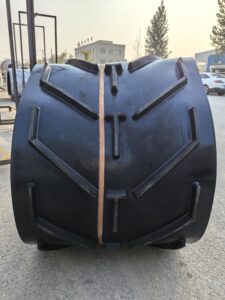
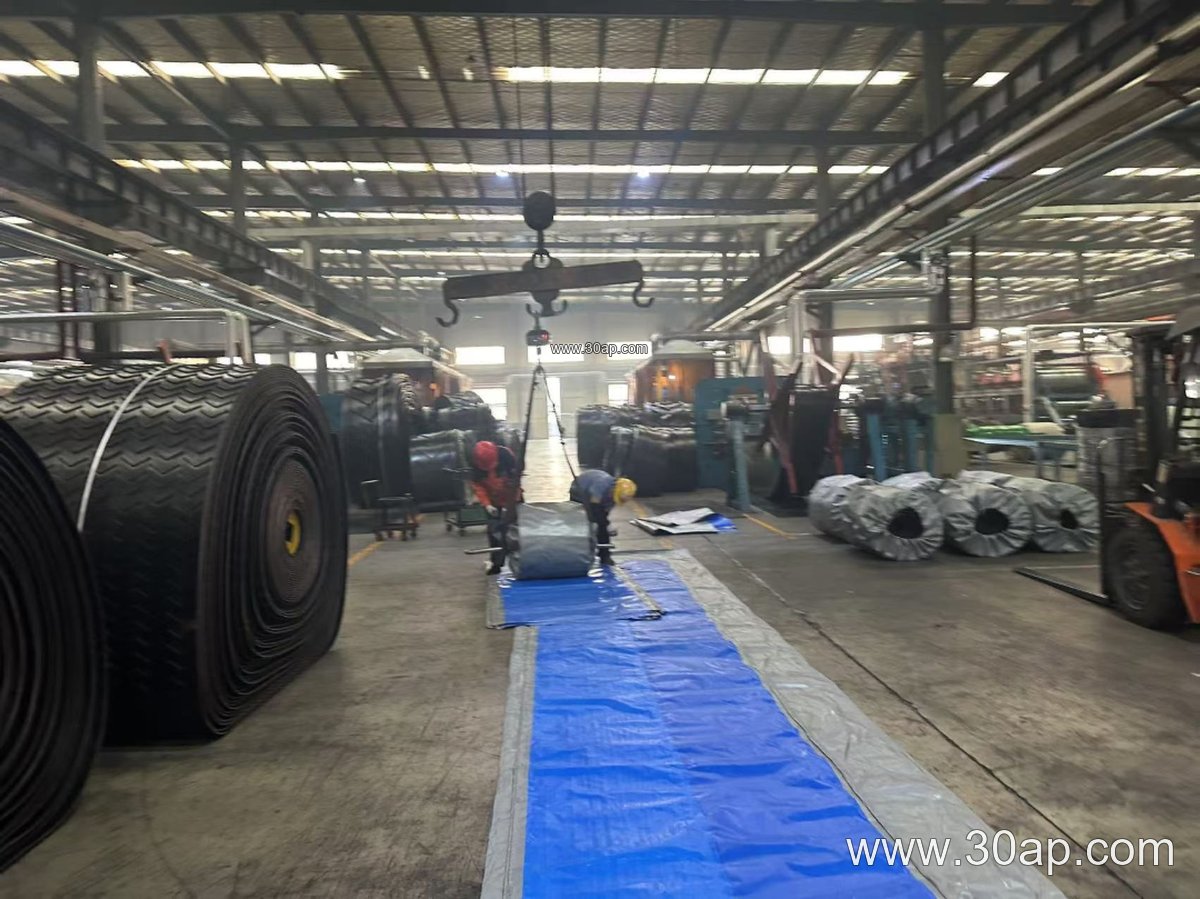
| Surface forms | Plain, chevron, corrugated sidewall, skirted |
| Special grades | Abrasion, heat, oil, flame retardant, anti-static, cold resistant |
Because the belt is wide, cover thickness and ply count matter as much as tensile grade. A 2400mm belt with a thin cover may wear quickly on abrasive rock, while an over-thick cover adds weight and stiffness.
Where This Width Is Used
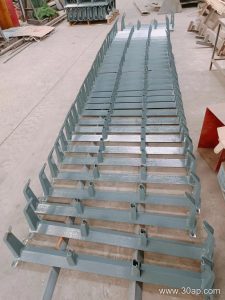
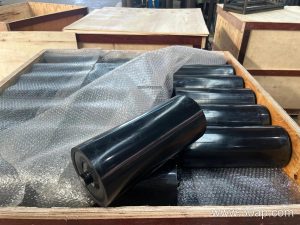
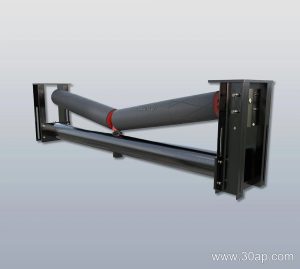
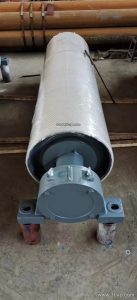
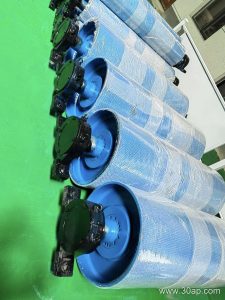
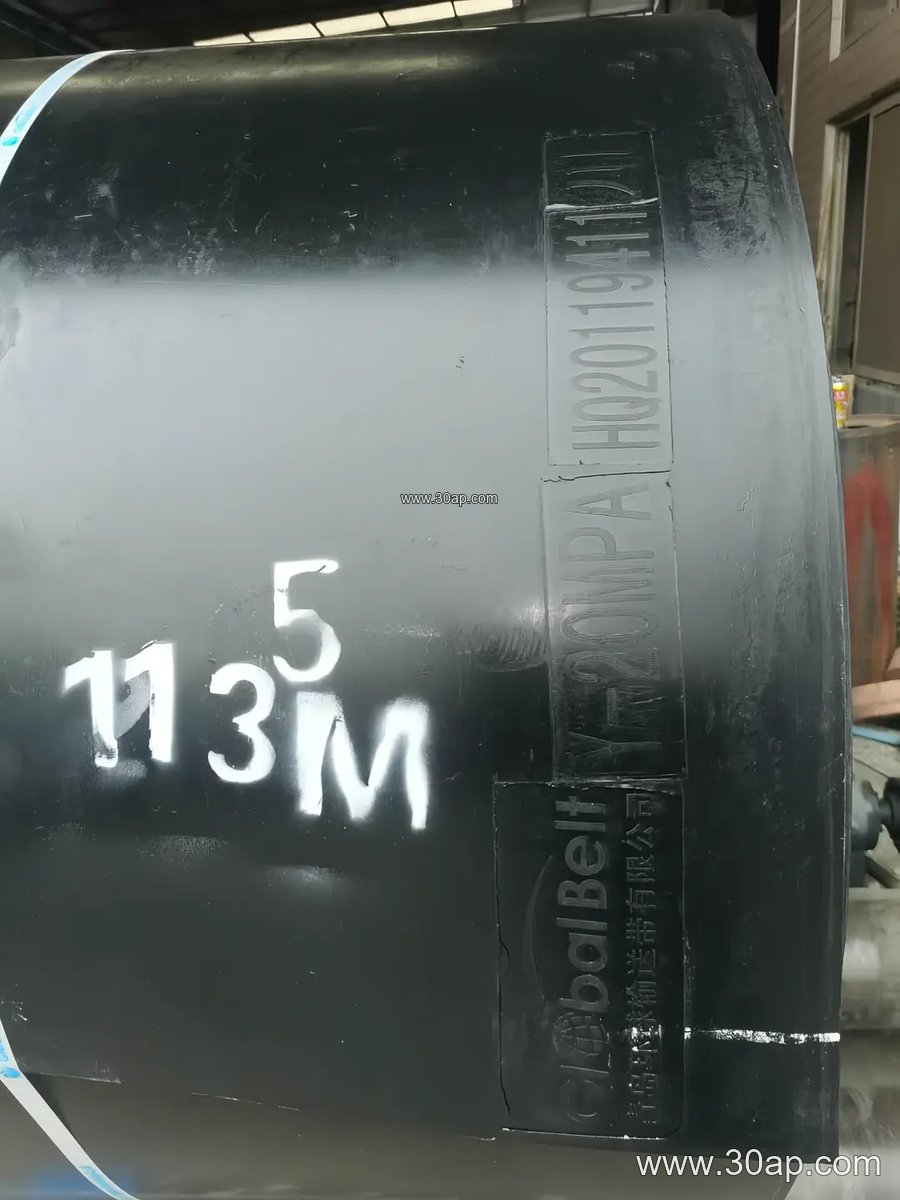
Wide belts appear in mining and coal handling, where a mining conveyor belt may run from a primary crusher to a stockpile. In cement plants they carry clinker and limestone; in power plants they feed coal bunkers; in quarries and sand plants they move crushed stone and aggregate. Ports and ship loading systems also use wide belts to concentrate flow. In these duties the belt works with conveyor pulleys, idler rollers and conveyor brackets sized for the load, and the whole system should be reviewed together.
For comparison, a chevron or corrugated sidewall version may be considered on steep inclines, but those are separate surface forms rather than replacements for a plain wide belt on a horizontal mainline.
Buyer Checklist
- Confirm the actual belt width and whether splice type affects the ordered length.
- State the material, lump size, temperature and whether oil or chemicals are present.
- Give the conveyor capacity, speed and incline so the tension class can be checked.
- Ask for the cover grade and thickness in millimetres, plus ply or cord construction.
- Check pulley diameters and trough angle with the belt supplier; one width does not fix one pulley size.
- Plan storage and lifting, since a 2400mm roll is heavy and awkward to handle.
Maintenance follows the usual pattern: watch edge wear, check splices, keep idler rollers turning freely, and align conveyor pulleys so the belt tracks centrally. A wide belt tolerates little misalignment, so early correction saves cost.