What a High-Strength Pulley Is
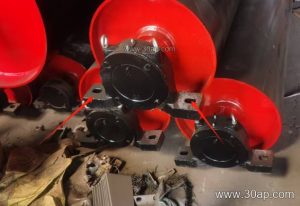
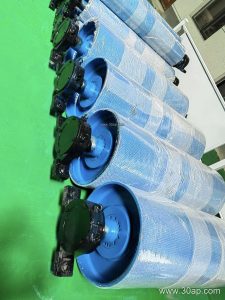
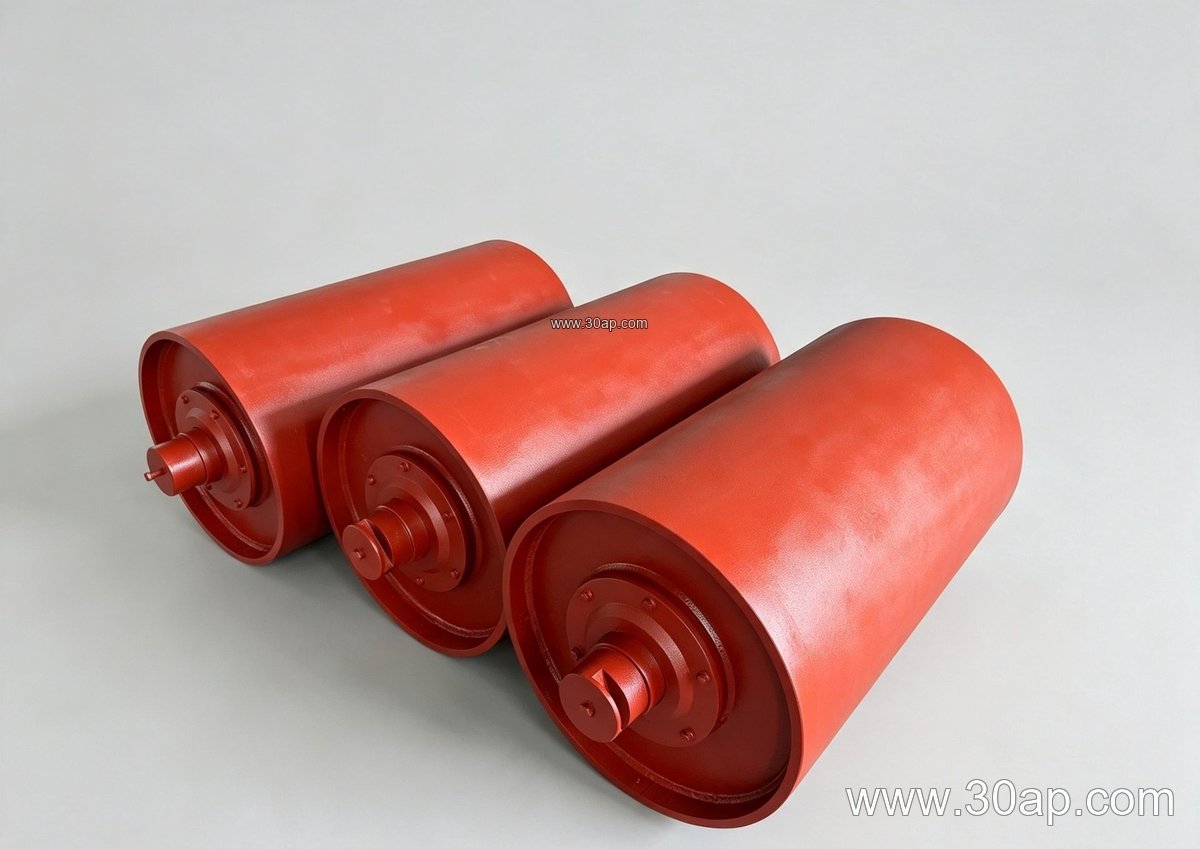
A high-strength pulley is the heavy-duty drum that transfers motion and tension to a conveyor belt at the head, tail, or intermediate points of a bulk handling line. In practice, buyers often call this component a heavy-duty conveyor pulley, and the two names describe the same product: a welded or cast steel drum engineered for high radial loads, long service life, and reliable grip under continuous operation. It should not be confused with drive, tail, or bend pulleys, which are position-based subtypes rather than interchangeable names.
Where belt tensions are high and shock loads are routine, such as a quarry discharge or a power plant coal handling circuit, the pulley becomes a critical wear part. Its job is simple to state and hard to execute: keep the belt tracking, transmit torque without slip, and survive abrasive dust and repeated start-stop cycles.
How the Drum Is Built
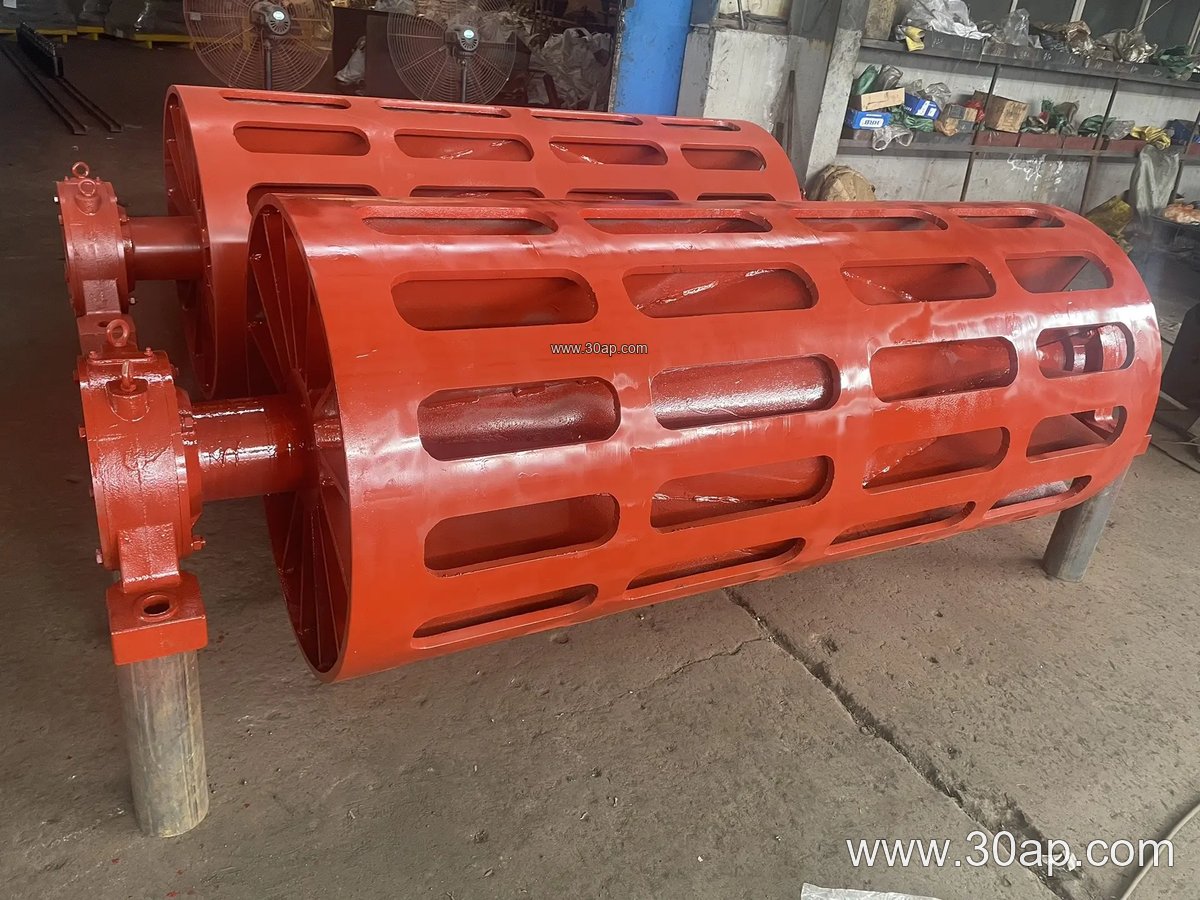
Most high-strength pulleys combine a rolled steel shell, machined end discs, a keyed or shrink-fit shaft, and a bearing housing on each side. The shell thickness and weld quality determine how the drum resists bending under belt tension. Shaft diameter is set by torque and load calculations, not by belt width alone, so two conveyors with the same belt width can legitimately use different shaft sizes.
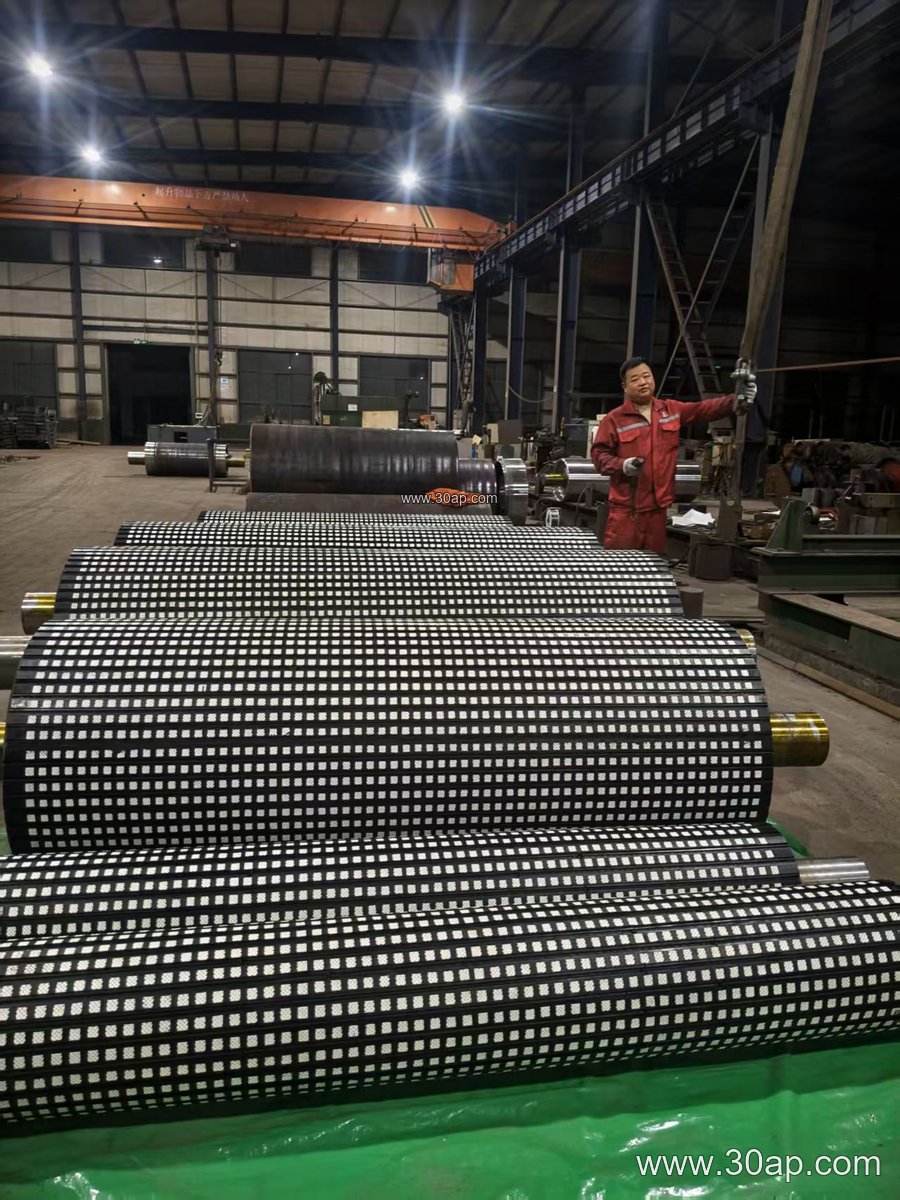
Surface treatment matters as much as the steel. Plain finish suits light duty, while rubber lagging, diamond grooving, or ceramic tiles improve grip in wet or oily conditions. Common lagging thicknesses include 8, 10, 12, 15, and 20 mm, selected according to contact pressure and the risk of slip.
Typical Sizes and Reference Data
The table below gives common reference combinations, not fixed pairings. Final dimensions follow the conveyor design.
- Belt width B400 to B2400 with drum face usually wider than the belt, for example B800 around 950 mm and B1200 around 1400 mm.
- Diameters from Ø200 to Ø1800, with B800 × Ø500 and B1400 × Ø800 seen in medium and heavy service.
- Shaft diameters commonly Ø50 to Ø200, determined by torque and bearing load.
When specifying, state the belt width, the required diameter, the lagging type and thickness, and the shaft size separately. A high-strength pulley for a 1200 mm line may use Ø1000 with 12 mm diamond lagging, while a smaller 800 mm line may run Ø500 with 10 mm plain rubber. Neither is a universal rule.
Where It Fits in the Plant
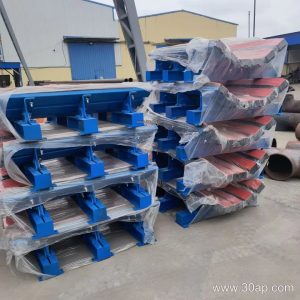
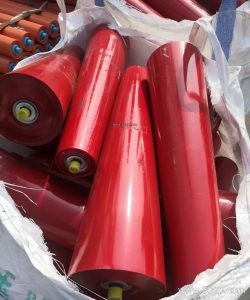
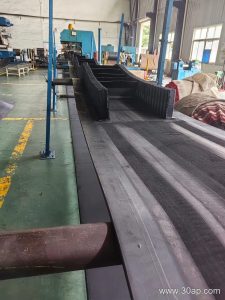
These drums appear at transfer points in limestone mines, cement clinker lines, iron ore and copper ore concentrators, and aggregate crushing and screening plants. They also serve in port bulk terminals and steel plant sinter lines. At the head position the pulley drives the belt; at the tail it redirects the return strand; at a bend or take-up point it changes direction and maintains tension. In each case the surrounding equipment, including the conveyor belt, idler roller sets, and conveyor bracket assemblies, must be matched to the same duty class.
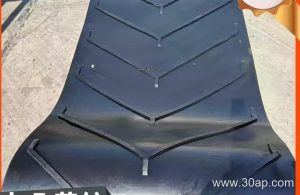
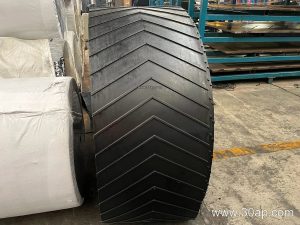
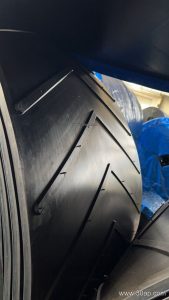
For abrasive ore, a high abrasion resistant conveyor belt paired with a well-lagged drum reduces slip and belt edge wear. In coal mining, a flame retardant conveyor belt and an anti-static conveyor belt are common companions. Where the belt carries hot clinker, a heat resistant conveyor belt protects the carcass, and the pulley lagging should be chosen to tolerate the same temperature range.
Buyer Checklist
Before ordering, confirm the belt tension, the wrap angle, the ambient conditions, and the maintenance schedule. Ask for the shell thickness, weld inspection method, bearing type, and lagging bond process. Verify that the shaft diameter is calculated from torque rather than copied from a belt width table. For a high-strength pulley, the difference between a good and a poor unit often shows up in balance quality and bearing fit, not in the catalogue number.
Keep spare lagging sheets and fasteners on site, and inspect the drum surface during scheduled shutdowns. A worn lagging face causes slip, which raises belt tension and shortens the life of every downstream component.