What a Conveyor Take-Up Pulley Does
A conveyor take-up pulley is a specialized drum that maintains the correct tension in a conveyor belt. It is often called a tension pulley or take-up drum. Unlike a drive pulley, which transmits power, or a tail pulley, which redirects the belt, the take-up pulley moves on a sliding frame or a weighted carriage to compensate for belt stretch and load changes. This keeps the belt from slipping on the drive pulley and prevents sagging between idlers. In industries such as coal washing plants, cement works, and power station coal handling, a well-chosen take-up pulley helps the entire conveyor system run smoothly.
Construction and Key Features
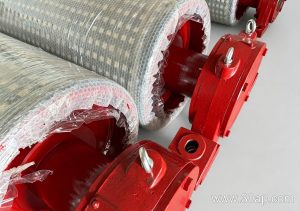
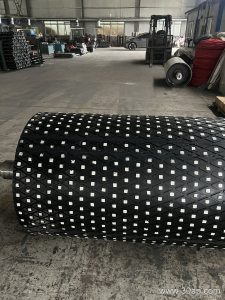
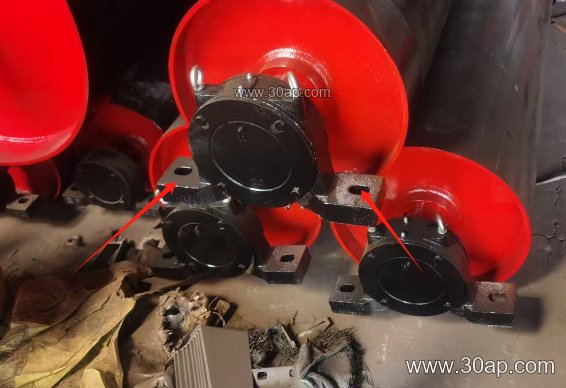
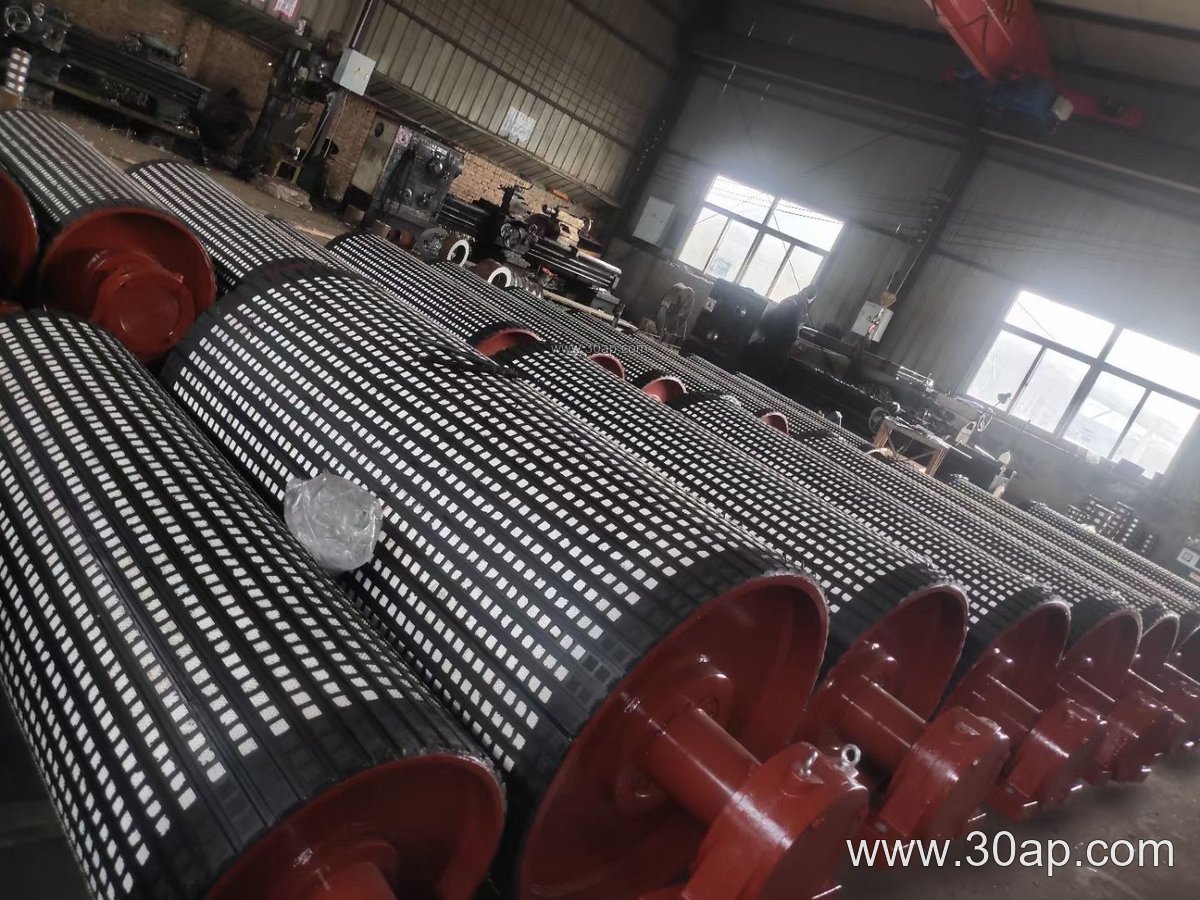
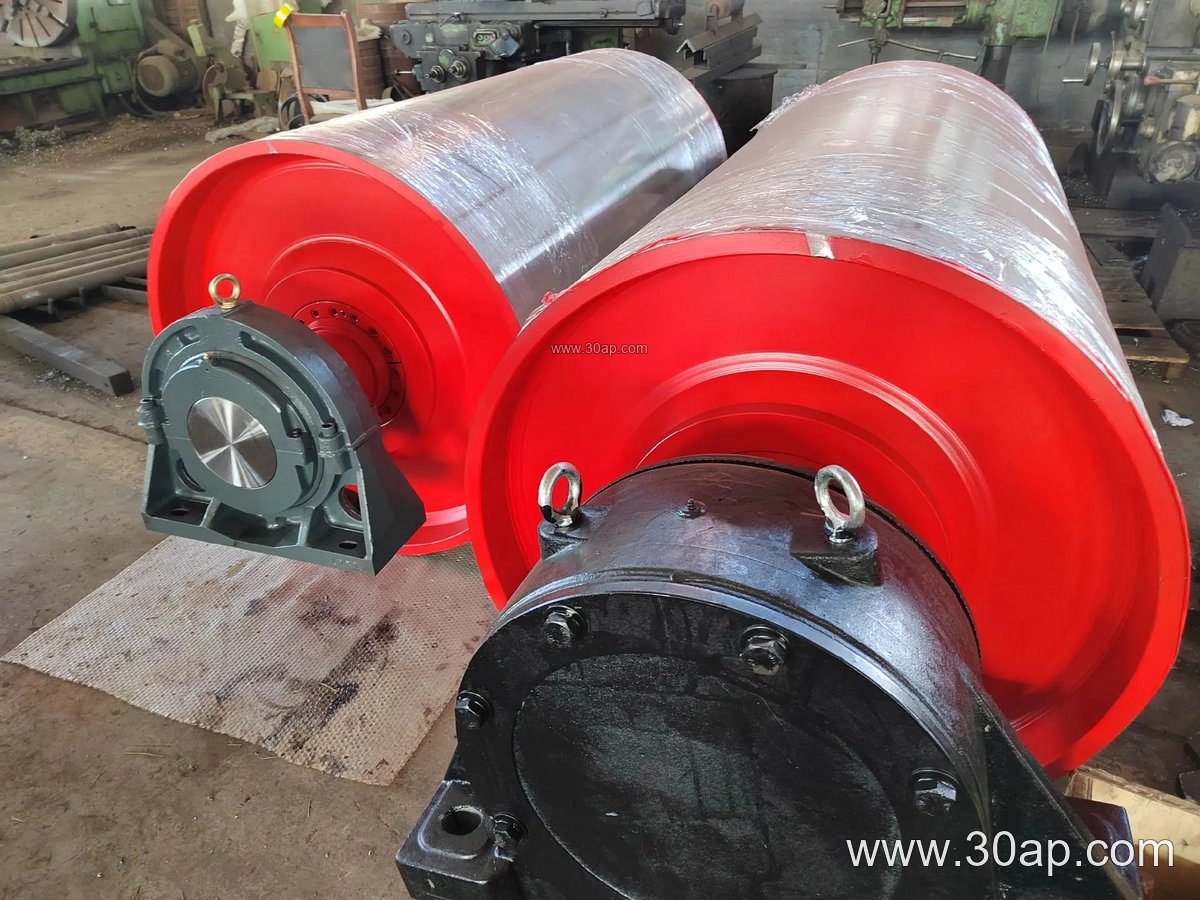
Most take-up pulleys are built with a welded steel shell, a heavy-duty shaft, and bearing housings that can travel along guide tracks. The pulley surface may be plain or covered with rubber lagging to improve grip and protect the belt. Common lagging types include cold-bonded rubber, hot-vulcanized rubber, and diamond or herringbone patterns. Lagging thickness is often 8, 10, 12, 15, or 20 mm, depending on the duty. The pulley diameter and face width are matched to the belt width and the required tension, but no single size is mandatory for a given belt width.
Typical Dimensions and Combinations
Take-up pulleys are available in a range of diameters and face widths. Common diameters include Ø200, Ø250, Ø315, Ø400, Ø500, Ø630, Ø800, Ø1000, and larger. Face width is usually somewhat wider than the belt, for example about 500 mm for a B400 belt, 750 mm for B650, 950 mm for B800, 1150 mm for B1000, and 1400 mm for B1200. Shaft diameters are determined by torque and load, not by belt width alone; typical shaft sizes range from Ø50 to Ø200 mm. The table below shows some illustrative combinations, not fixed pairings.
| Belt Width | Example Take-Up Pulley Diameter | Approximate Face Width | Common Lagging Thickness |
|---|---|---|---|
| B500 | Ø250 – Ø400 | 600 mm | 8 – 12 mm |
| B800 | Ø400 – Ø630 | 950 mm | 10 – 15 mm |
| B1000 | Ø500 – Ø800 | 1150 mm | 12 – 15 mm |
| B1200 | Ø630 – Ø1000 | 1400 mm | 12 – 20 mm |
| B1400 | Ø800 – Ø1250 | 1600 mm | 15 – 20 mm |
These values are for reference only; final selection depends on the conveyor layout, belt tension, and load conditions.
Where It Is Used
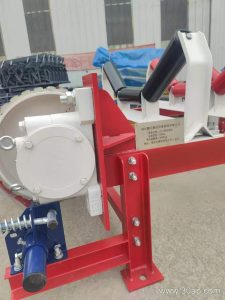
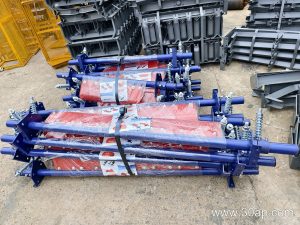
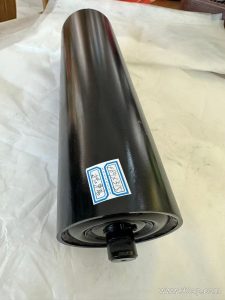
Take-up pulleys appear in nearly every long or heavily loaded belt conveyor. In a sand and gravel plant, they help compensate for stretch in the conveyor belt after the primary crusher. In a coal preparation plant, they keep tension steady despite variable feed. They are also found in cement clinker lines, power plant coal handling, and port bulk terminals. The take-up pulley often works together with conveyor idler rollers and sturdy conveyor brackets that support the moving belt and the pulley frame. Its location can be at the tail end, near the drive, or in a dedicated take-up tower.
Selection and Maintenance Tips
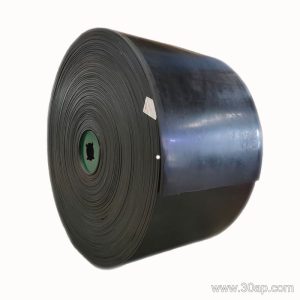
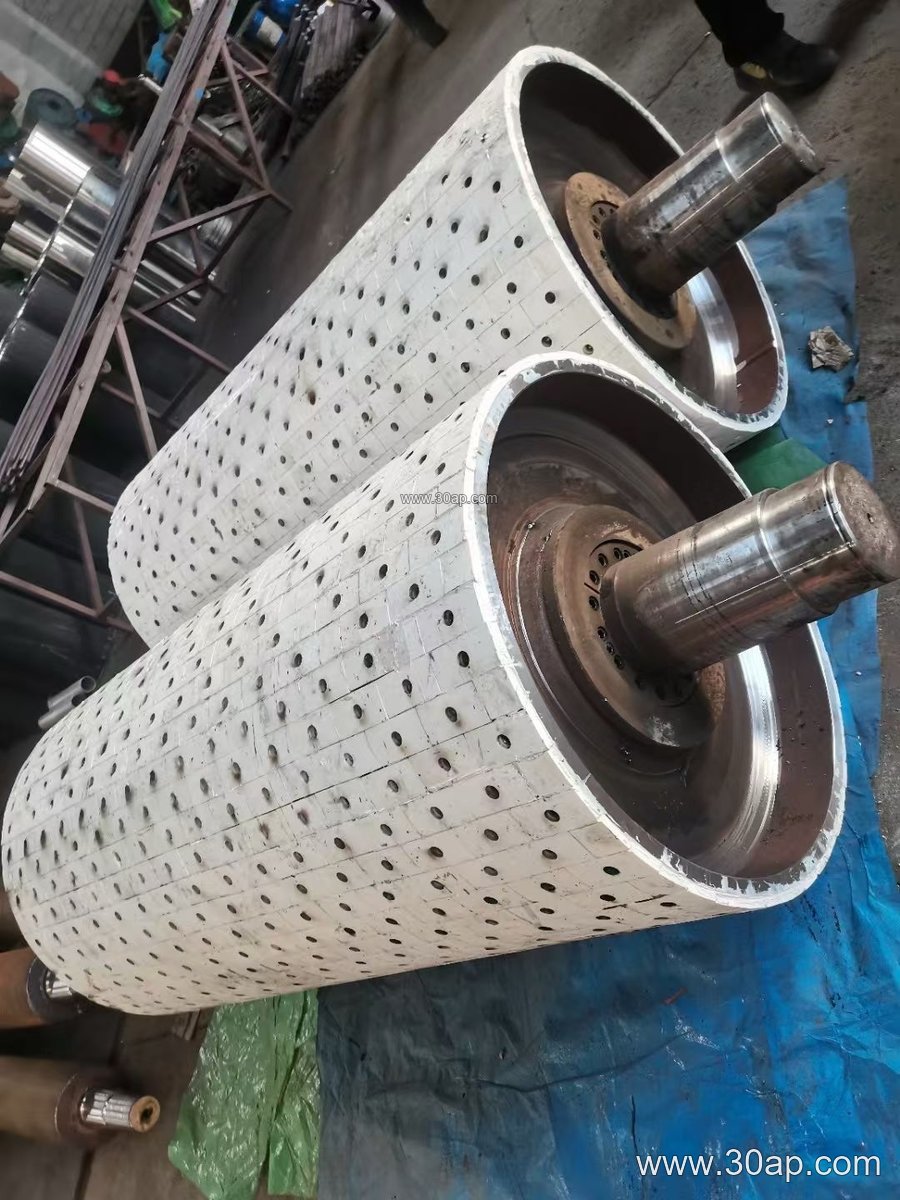
Buyers should consider the belt width, the maximum belt tension, the travel distance required for take-up, and the environment. Abrasive materials such as clinker or iron ore may call for thicker rubber lagging or ceramic lagging. In dusty or wet conditions, sealed bearing housings and corrosion protection are important. Regular checks of the take-up pulley include inspecting lagging wear, verifying free movement of the carriage, and checking shaft alignment. Keeping the take-up system clean and well lubricated extends the life of the pulley and the conveyor belt alike.
When comparing with a bend pulley, remember that a bend pulley only changes belt direction, while a take-up pulley actively adjusts tension. Similarly, a drive pulley provides motive force, and a tail pulley redirects the belt at the loading point. Each has its own role, and the take-up pulley should be specified as part of the complete conveyor pulley package.