What a Steel Plant Conveyor Pulley Does
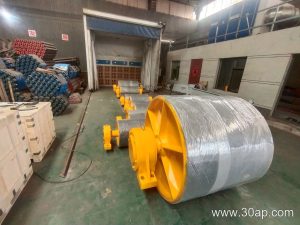
A steel plant conveyor pulley is the rotating drum that drives, tensions or redirects the conveyor belt carrying sinter, coke, iron ore, lime, slag or finished product through a mill. In a steel plant the belt path often climbs, turns and discharges into bins, so several pulleys work as one system. The drive pulley at the head transmits torque, the tail pulley forms the return end, and bend pulleys guide the belt around tensioning or transfer points.
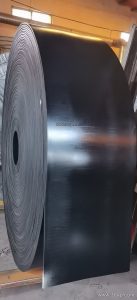
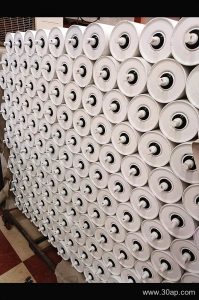
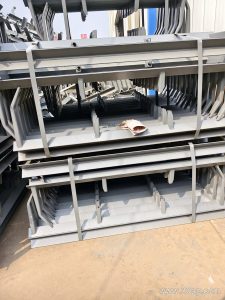
The pulley is not a stand-alone item. It works together with the conveyor belt, idler roller and conveyor bracket. A mismatch between drum diameter, belt tension and pulley lagging shows up quickly as belt slip, edge damage or short lagging life. For heavy mineral loads, high abrasion resistant conveyor belt and heat resistant conveyor belt are common partners in the same line.
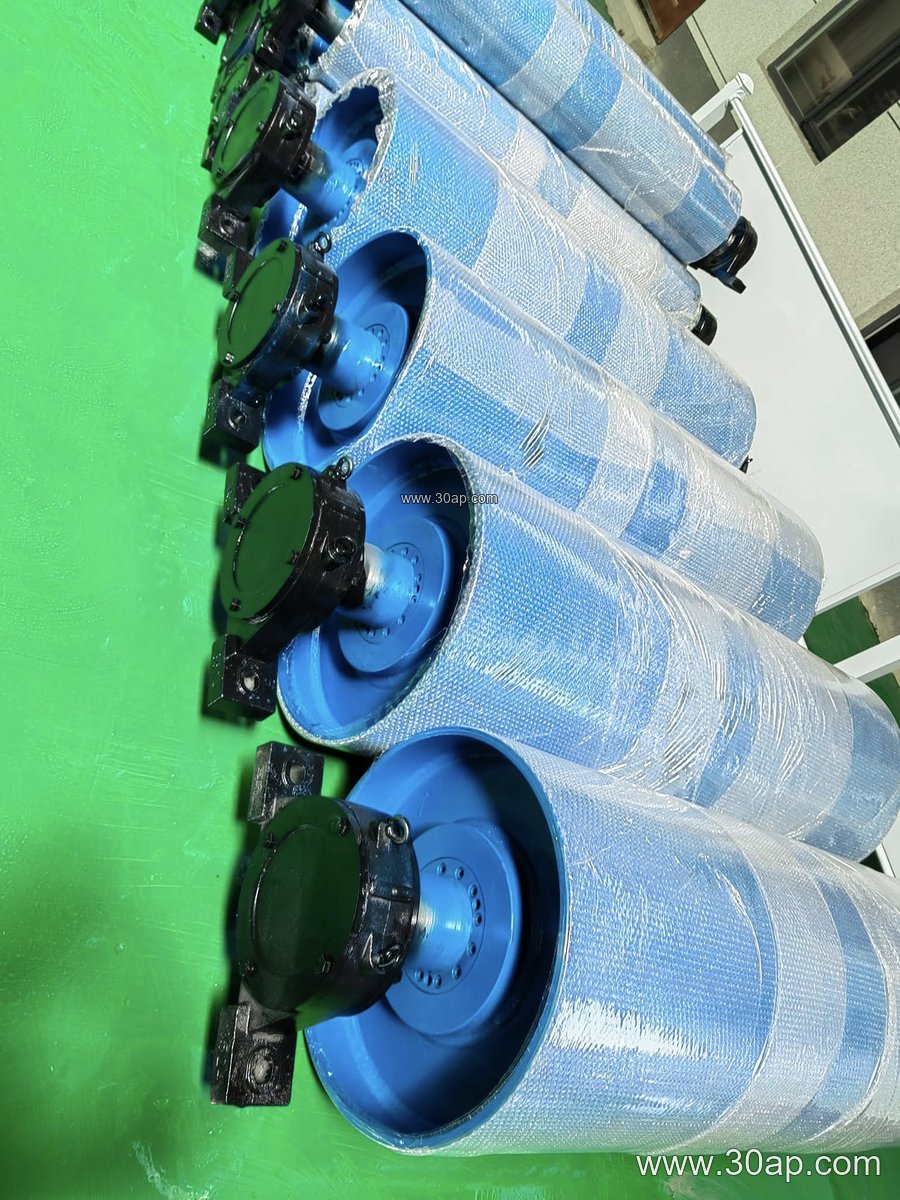
Construction and Surface Options
A typical shell is rolled steel, welded to end discs and a hub, then machined. The shaft is sized by torque and load rather than belt width alone. Common shaft diameters include Ø80, Ø100, Ø120, Ø140, Ø160 and Ø180 mm, but the final value follows the drive calculation. Shell diameters commonly range from Ø315 to Ø1250 mm, and larger drums are used on high-tension main drives.
- Plain face – used where slip is not critical, often on bend or snub positions.
- Rubber lagging – cold bonded or hot vulcanized, usually 8, 10, 12, 15 or 20 mm thick.
- Diamond or herringbone lagging – improves grip and sheds water and fines.
- Ceramic lagging – chosen for very abrasive duty on the drive pulley.
Face width is normally wider than the belt. Typical references are B800 about 950 mm, B1000 about 1150 mm and B1200 about 1400 mm. A B1200 × Ø1000 drive pulley and a B800 × Ø500 tail pulley are both realistic combinations, but no single belt width locks the drum to one diameter.
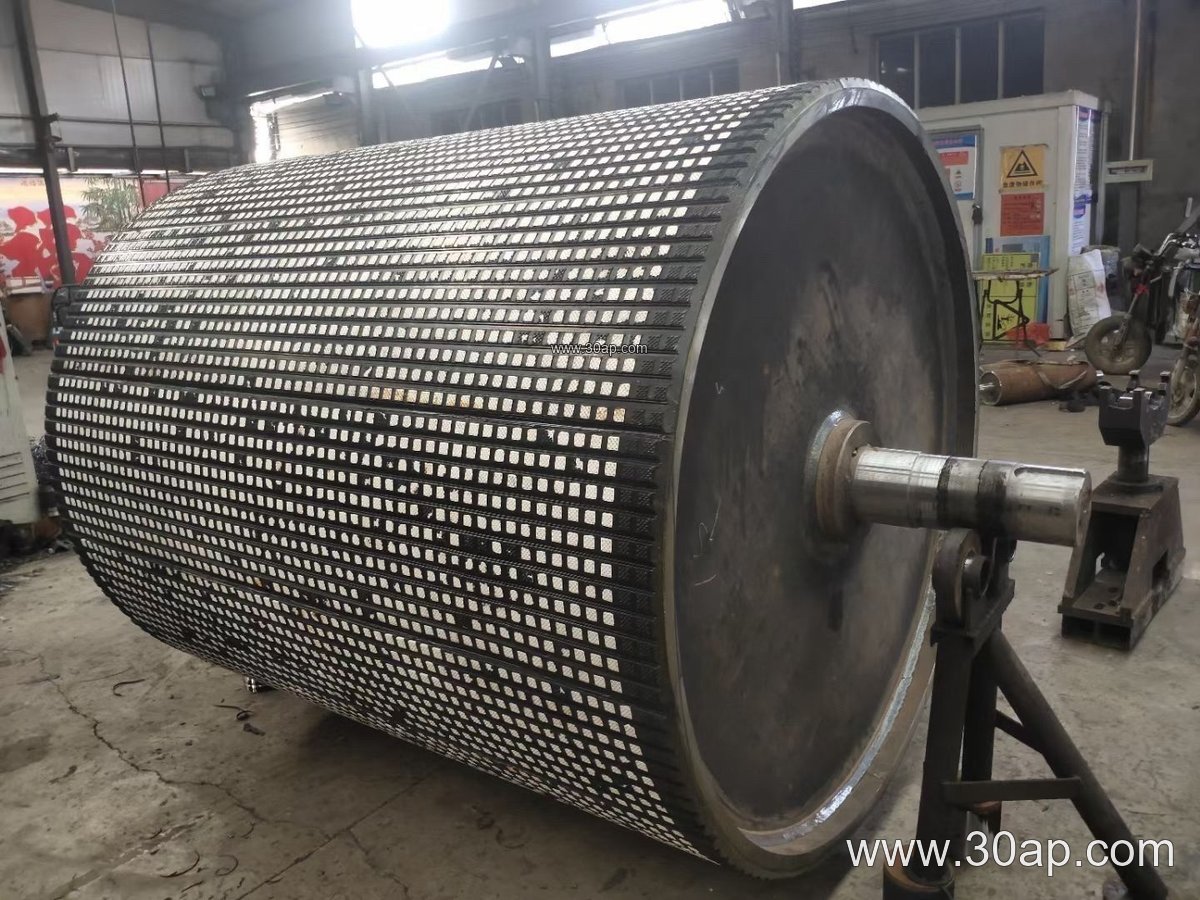
Where It Fits in the Plant
In sinter and coke handling, heat resistant conveyor belt runs beside drums that must tolerate radiant heat and fine dust. In the stockyard, iron ore and limestone lines often use abrasion resistant conveyor belt with lagged head pulleys. In coal and coke preparation areas, flame retardant conveyor belt is common, and the pulley lagging should resist oil and fine carbon dust.
At the blast furnace charging area, bend pulleys redirect the belt through tight spaces. Take-up pulleys maintain tension, while snub pulleys increase wrap angle on the drive. Each position has a different duty and should not be treated as interchangeable. A tail pulley does not replace a drive pulley, and a bend pulley cannot carry the main torque.
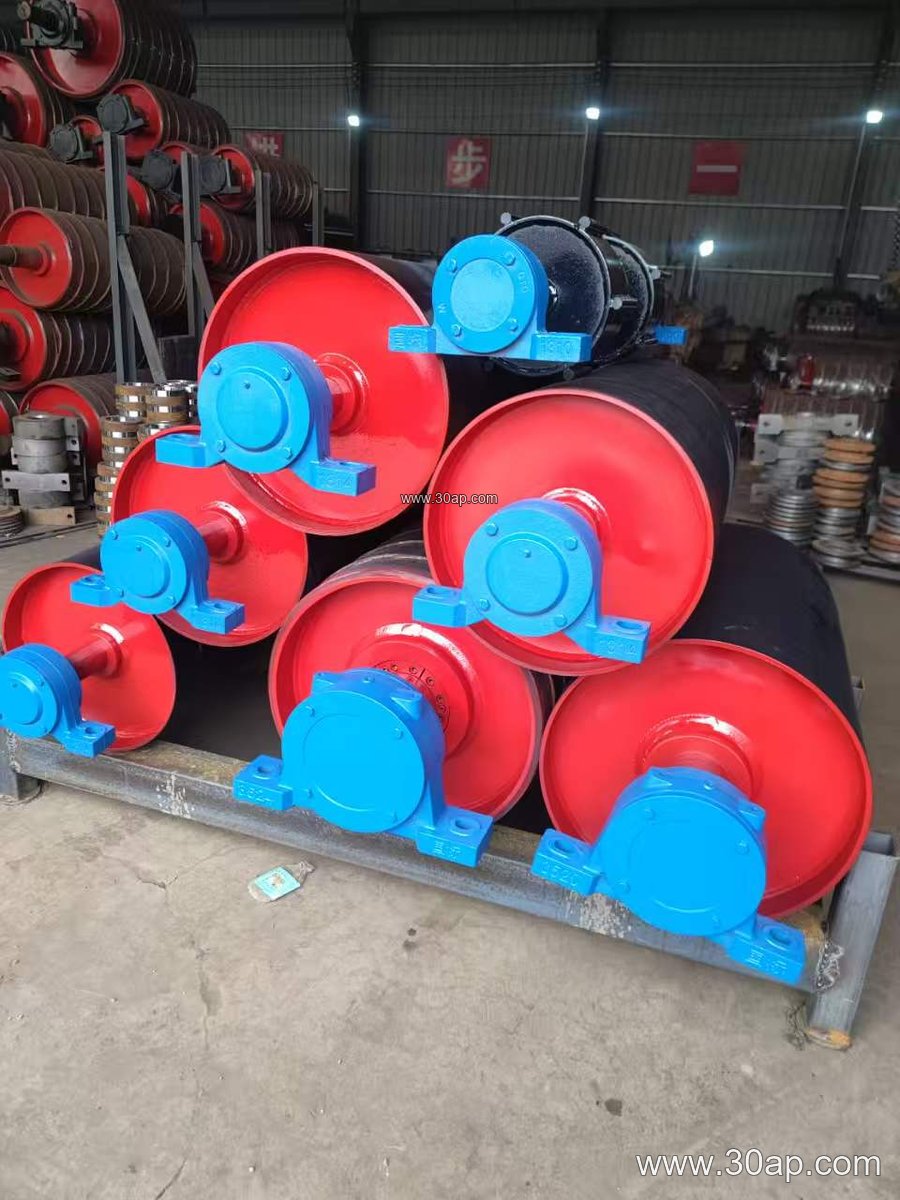
Matching the Drum to the Belt
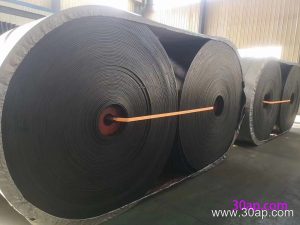
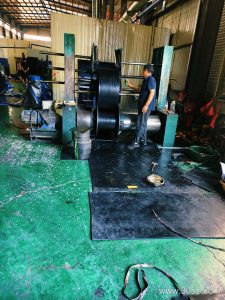
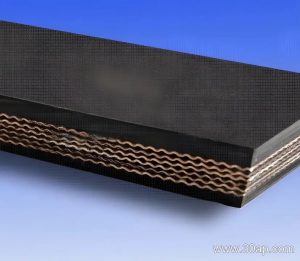
Belt type influences drum choice. A steel cord conveyor belt usually needs a larger diameter to limit bending stress than a fabric core conveyor belt of the same width. Multi-ply fabric core conveyor belt and EP conveyor belt or NN conveyor belt lines can often run on smaller drums, but the tension rating still matters. An EP1000 1200mm conveyor belt on a long incline may need a larger head drum than a short transfer.
Chevron conveyor belt, corrugated sidewall conveyor belt and pipe conveyor belt place extra demands on pulley alignment and face condition. Skirted conveyor belt profiles must clear the drum edges, and any projecting cleat needs enough clearance in the frame.
Buyer Checklist
- Confirm belt width, belt type and maximum working tension.
- State the position: drive, tail, bend, take-up or snub.
- Ask for lagging type and thickness, not just shell diameter.
- Provide shaft diameter and bearing arrangement from the design.
- Check that the conveyor bracket and idler roller heights match the drum.
- For hot or oily service, confirm lagging compound compatibility.
A well specified steel plant conveyor pulley keeps the whole line stable, from the primary crusher through to the stock bin. Buyers who share belt data and duty conditions early usually avoid the costly rework of a drum that is too small, under-lagged or wrongly positioned.