What the Construction Industry Conveyor Belt Has to Handle
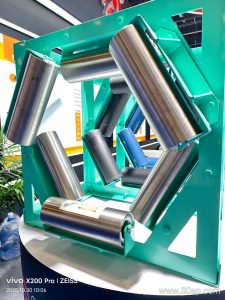
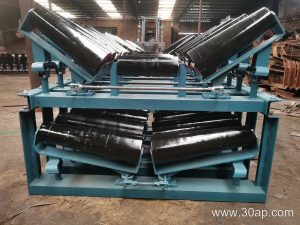
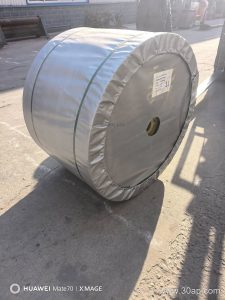
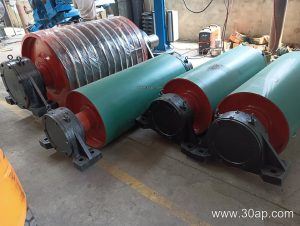
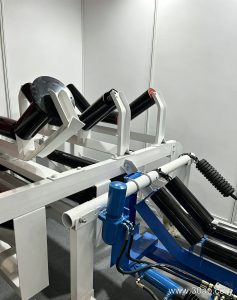
A construction industry conveyor belt rarely works under gentle conditions. It may carry crushed stone from a jaw crusher, move sand and gravel across a quarry, feed cement clinker in a plant, or haul ore at a mine. Dust, sharp edges, impact at the loading point, and long operating hours all shape the specification. The belt is the flexible load-bearing element of the conveyor, running over idler rollers and around a head pulley and tail pulley, with a conveyor bracket holding the frame together. Choosing the right belt means matching the carcass, the cover compound and the dimensions to the actual duty.
Construction and Carcass Options
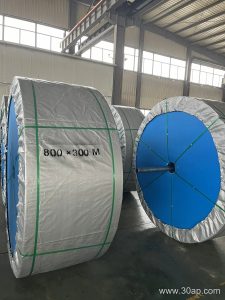
Most belts in this sector use a fabric core or a steel cord core. Fabric cores are built from multiple plies of synthetic fabric, and the ply count and fabric strength set the belt’s tensile rating. Common carcass families include EP Conveyor Belt constructions, where polyester warp and nylon weft give low stretch and good troughability, and NN Conveyor Belt constructions with nylon in both directions for high flexibility. A Multi-Ply Fabric Core Conveyor Belt is typical for aggregate and cement duties, while a Steel Cord Conveyor Belt suits long centre distances and high tonnage where stretch must stay small.
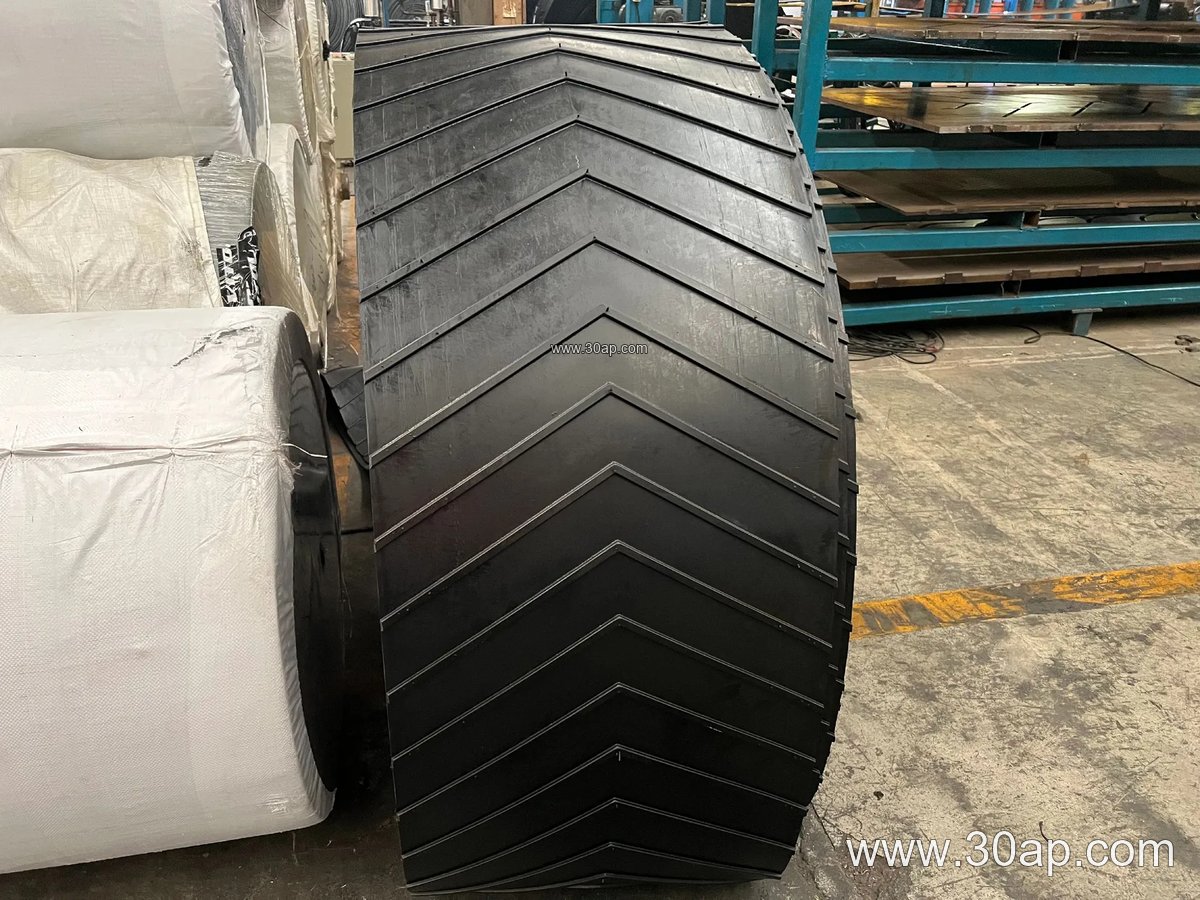
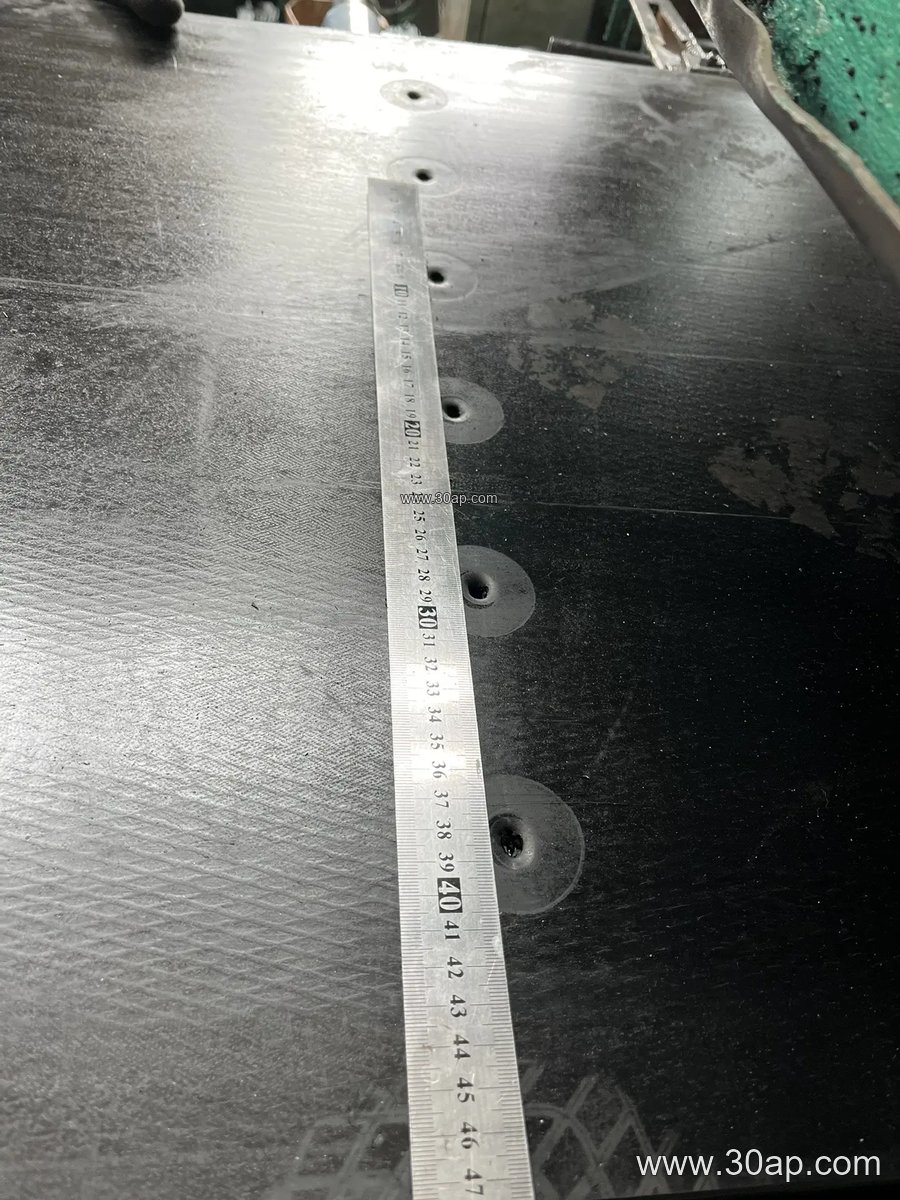
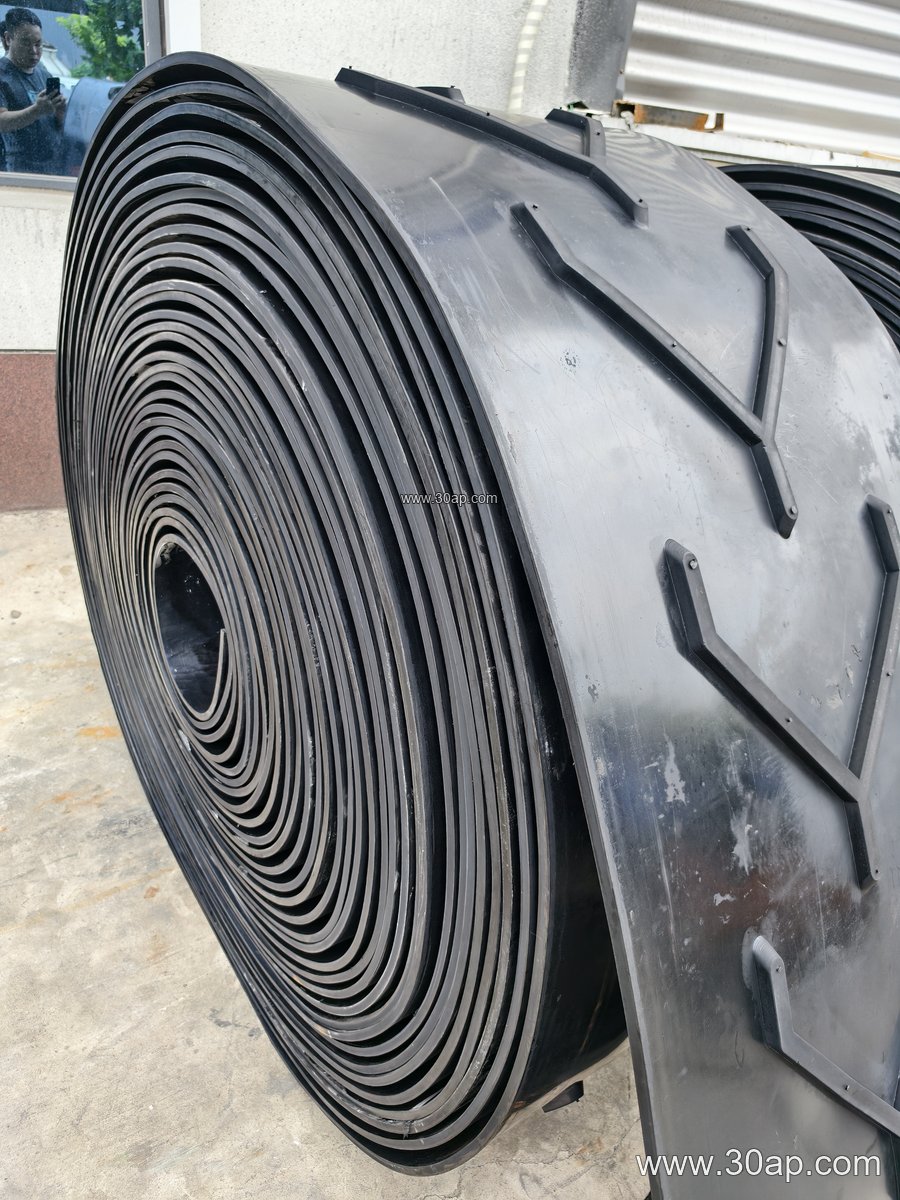
Cover rubber does the wearing. An Abrasion Resistant Conveyor Belt is the usual choice for crushed rock and sand, while a Heat Resistant Conveyor Belt is needed for clinker or hot sinter, and a Flame Retardant Conveyor Belt or Fire Resistant Conveyor Belt is specified for underground mining and coal handling. Oil Resistant Conveyor Belt grades appear where machinery or recycled material brings oil contact, and Anti-Static Conveyor Belt properties matter in dusty, explosive-risk areas. Where the route climbs steeply, a Chevron Conveyor Belt or a Corrugated Sidewall Conveyor Belt can hold material on the incline, and a Pipe Conveyor Belt may be used for dust-tight transport around a plant.
Reference Dimensions and Strength Grades
The values below are common reference data, not universal specifications. Actual belt construction is confirmed by the manufacturer for each project.
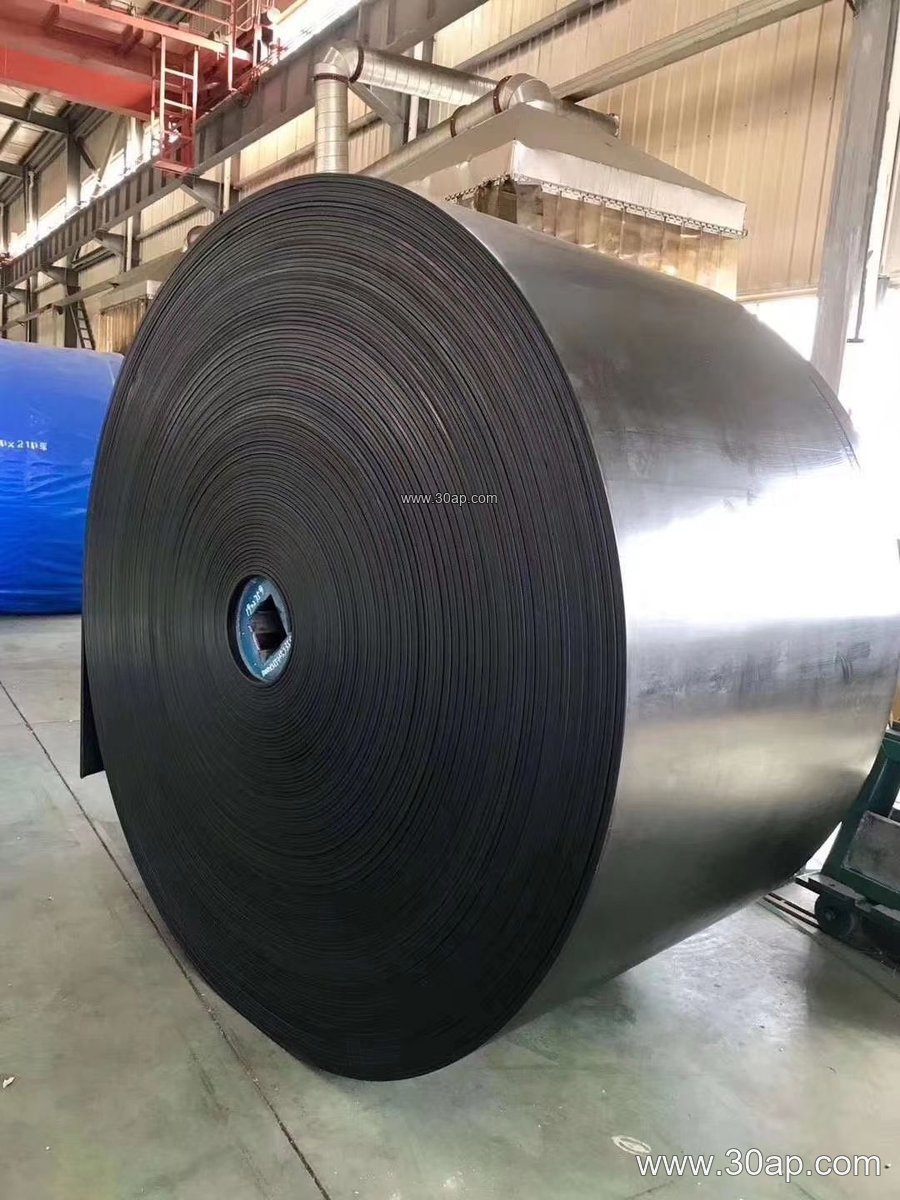
| Parameter | Typical reference values |
|---|---|
| Belt width | B500, B650, B800, B1000, B1200, B1400, B1600, B1800, B2000 |
| EP strength grades | EP200, EP315, EP400, EP500, EP630, EP800, EP1000, EP1250, EP1600, EP2000 |
| Cover thickness (top + bottom) | 3+1.5, 4+2, 5+2, 6+2, 8+3 mm |
| Fabric plies | Commonly 2 to 6 layers |
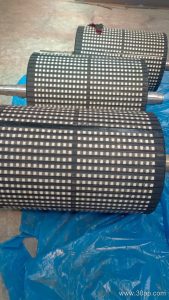
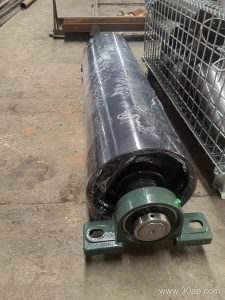
Belt width and pulley diameter are separate design decisions. A wider belt does not by itself fix a pulley size, and shaft diameter follows the calculated loads rather than the belt width alone. The drive pulley, tail pulley and bend pulley each have their own role and are not interchangeable, so the conveyor layout should be reviewed as a whole.
Where These Belts Are Used
- Quarry and aggregate lines moving crushed stone and sand
- Cement plants handling raw meal, clinker and additives
- Coal mining and underground coal mining faces
- Power plants and steel plants with bulk fuel and ore
- Sand making and stone crushing circuits feeding screens
- Ports and ship loading systems for bulk material
In these plants the belt works alongside idler rollers, pulleys and conveyor brackets, and a well-matched system reduces spillage and downtime. For heavier duties, a Heavy-Duty Conveyor Belt with thicker covers and a stronger carcass is often considered, and an Impact Resistant Conveyor Belt helps at transfer points where lumps drop from height.
Buyer Checklist
Before ordering, confirm the material type, lump size, capacity, incline angle and operating temperature. State the required belt width, strength grade and cover thickness, and note any flame retardant, anti-static, oil resistant or cold resistant requirement. Ask how the belt will be joined, since an Endless Conveyor Belt or a properly spliced belt affects start-up and maintenance. Finally, check that the pulley diameters and idler spacing suit the belt’s flexibility and that the conveyor bracket and frame are rated for the loads.
For more details on construction industry conveyor belt options, visit conveyor belt and conveyor pulley pages, or review idler roller and conveyor bracket information to complete the system specification.