What the NN100 Conveyor Belt Is
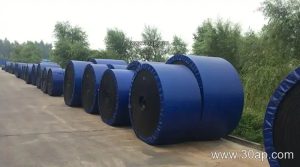
The NN100 Conveyor Belt is a fabric core belt built with nylon (NN) warp and weft cords. The “100” refers to its nominal tensile strength grade, typically expressed in N/mm. It sits at the lighter end of the NN range, making it a practical choice for medium-duty conveying where flexibility and troughability matter. As a Fabric Core Conveyor Belt, it is distinct from a Steel Cord Conveyor Belt or an EP Conveyor Belt, which use different carcass constructions and offer different strength and elongation profiles.
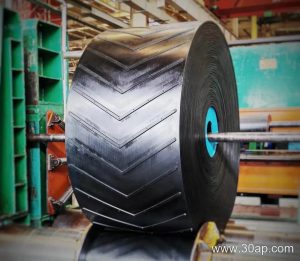
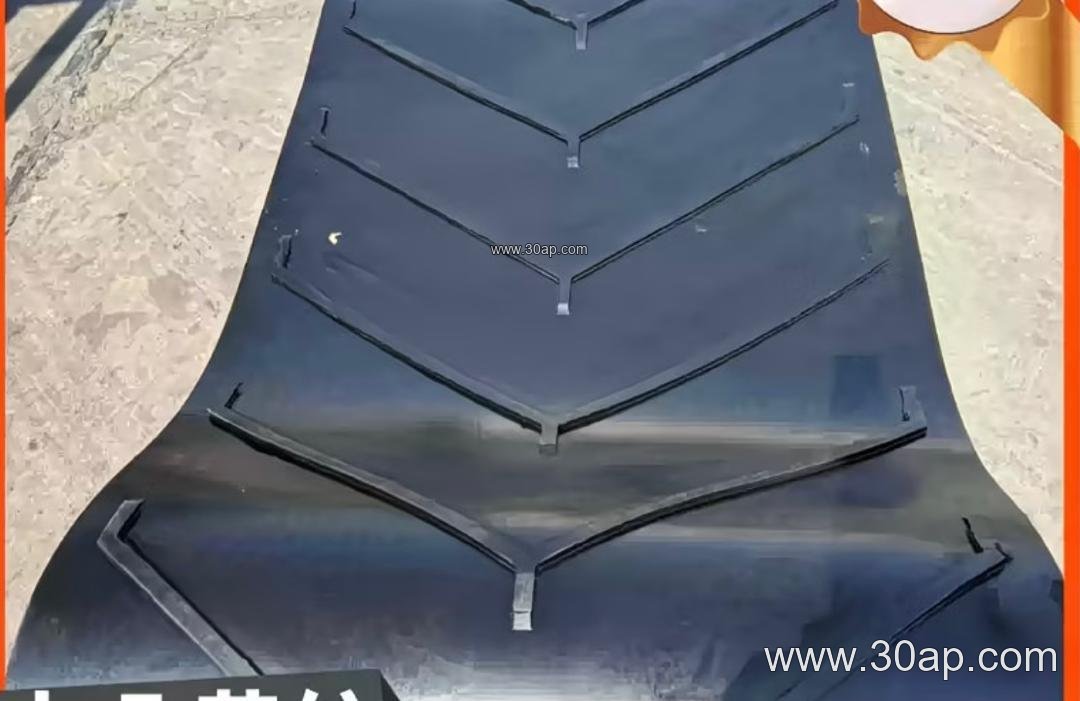
In sand and gravel plants, cement terminals, and general bulk handling lines, this belt is often selected for its ability to run over relatively small pulleys without cracking the carcass. It is not the same as a Chevron Conveyor Belt or a Corrugated Sidewall Conveyor Belt, which are specialised for inclined or steep-angle duty. Those are separate subtypes with their own design features.
Construction and Materials
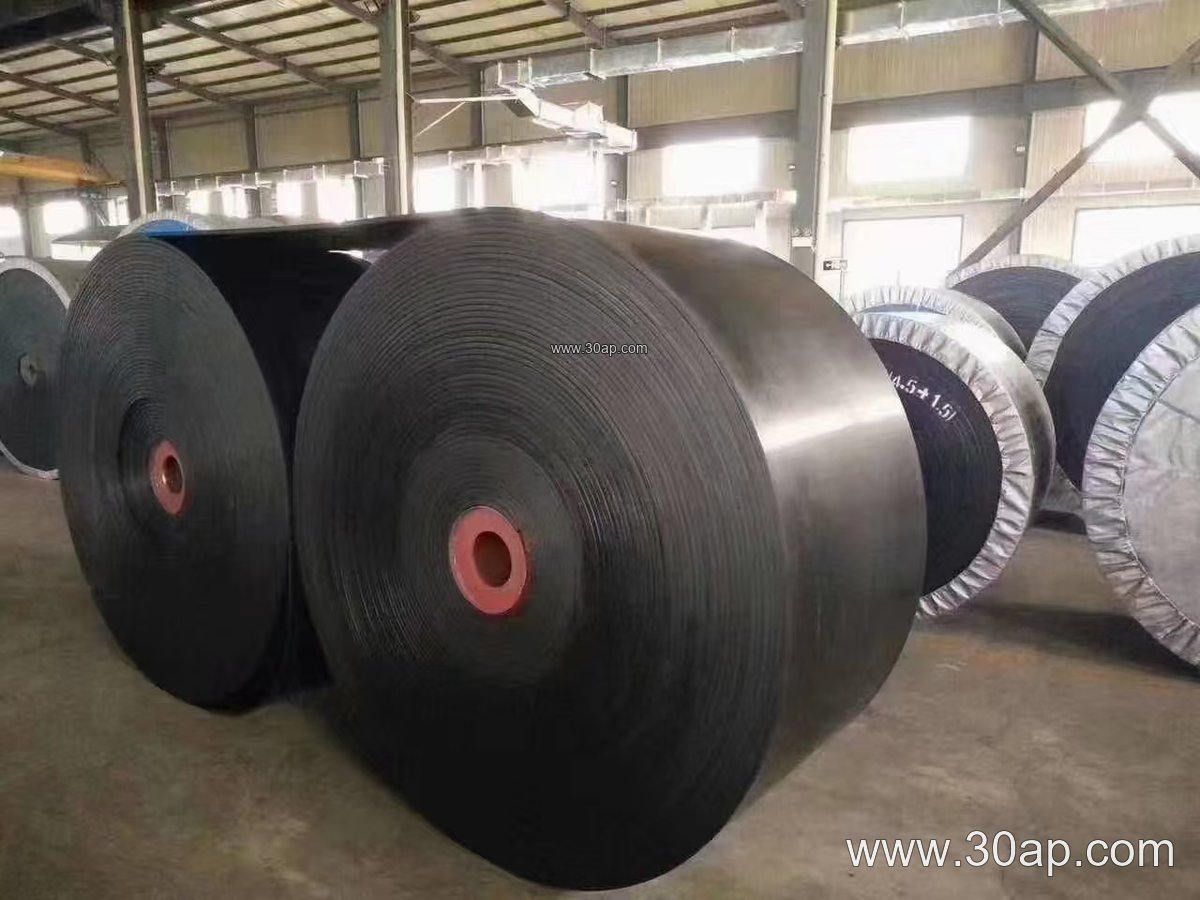
A typical NN100 belt uses multiple plies of nylon fabric bonded together with rubber skim coats. The cover rubber is chosen to suit the duty: an Abrasion Resistant Conveyor Belt cover for sharp stone, a Heat Resistant Conveyor Belt cover for hot clinker or sinter, or a Flame Retardant Conveyor Belt cover for coal and underground work. The carcass is protected by edge rubber to limit fraying.
Common cover thickness combinations include 3+1.5 mm, 4+2 mm, and 5+2 mm, though the exact build is set by the application and the manufacturer’s design. The number of plies usually falls between two and six. Buyers should ask for the ply count, cover gauge, and full width rather than assuming a standard build.
Where It Fits in the Plant
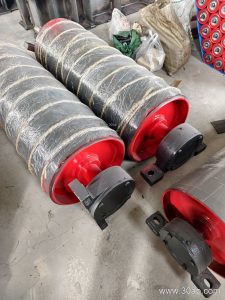
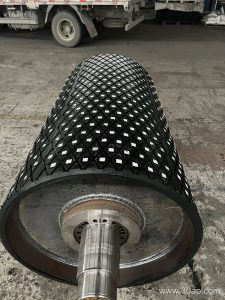
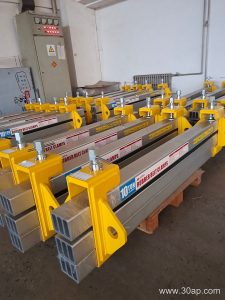
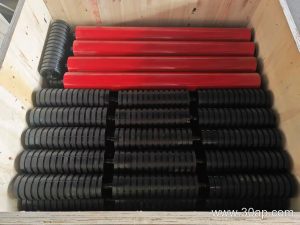
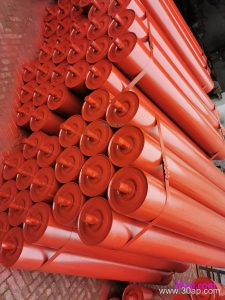
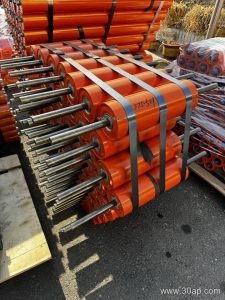
The NN100 belt is at home in quarry conveyor lines, aggregate transfer points, and crusher discharge conveyors. It can also be found in recycling facilities and light-duty mining conveyor sections where a Heavy-Duty Mining Conveyor Belt is not required. In a typical conveyor frame, the belt runs over idler rollers on the carrying side and return rollers underneath, while the conveyor pulley at the drive end provides the motive force. A conveyor bracket holds the idlers and pulleys in alignment, and its condition affects belt tracking.
Because the NN carcass is flexible, it can negotiate relatively tight bend pulleys and tail pulleys without the stiffness issues sometimes seen with heavier carcasses. That said, drive, tail, and bend pulleys each have a specific role and are not interchangeable; the belt’s bend radius and pulley diameters should be confirmed with the conveyor designer.
Specifications and Selection Notes
When specifying an NN100 Conveyor Belt, buyers should confirm the belt width, ply count, cover thickness, and cover grade. Common belt widths include B500, B650, B800, B1000, B1200, and B1400 mm, with wider options available on request. The table below lists representative reference values; final specifications should come from the belt manufacturer and the conveyor design.
| Parameter | Typical Reference Range |
|---|---|
| Tensile strength grade | NN100 (nominal) |
| Belt widths | B500, B650, B800, B1000, B1200, B1400 mm |
| Number of plies | 2 to 6 |
| Top cover thickness | 3 mm, 4 mm, 5 mm, 6 mm |
| Bottom cover thickness | 1.5 mm, 2 mm, 3 mm |
| Cover grades | Abrasion resistant, heat resistant, flame retardant, oil resistant |
For higher tension duty, an NN200 or NN300 belt may be more suitable; these are the same nylon fabric family with higher strength ratings. For very long overland lines, a Steel Cord Conveyor Belt or a high-strength EP Conveyor Belt is often considered. The choice depends on the calculated belt tension, pulley diameters, and the material being carried.
Buyer Checklist
- Confirm the material type, lump size, and temperature so the cover grade can be matched.
- Check the conveyor’s drive, tail, and bend pulley diameters against the belt manufacturer’s minimum recommendations.
- Specify belt width, ply count, and cover thickness in the purchase order.
- For coal or underground use, request a Flame Retardant Conveyor Belt and Anti-Static Conveyor Belt construction as required by the site’s safety rules.
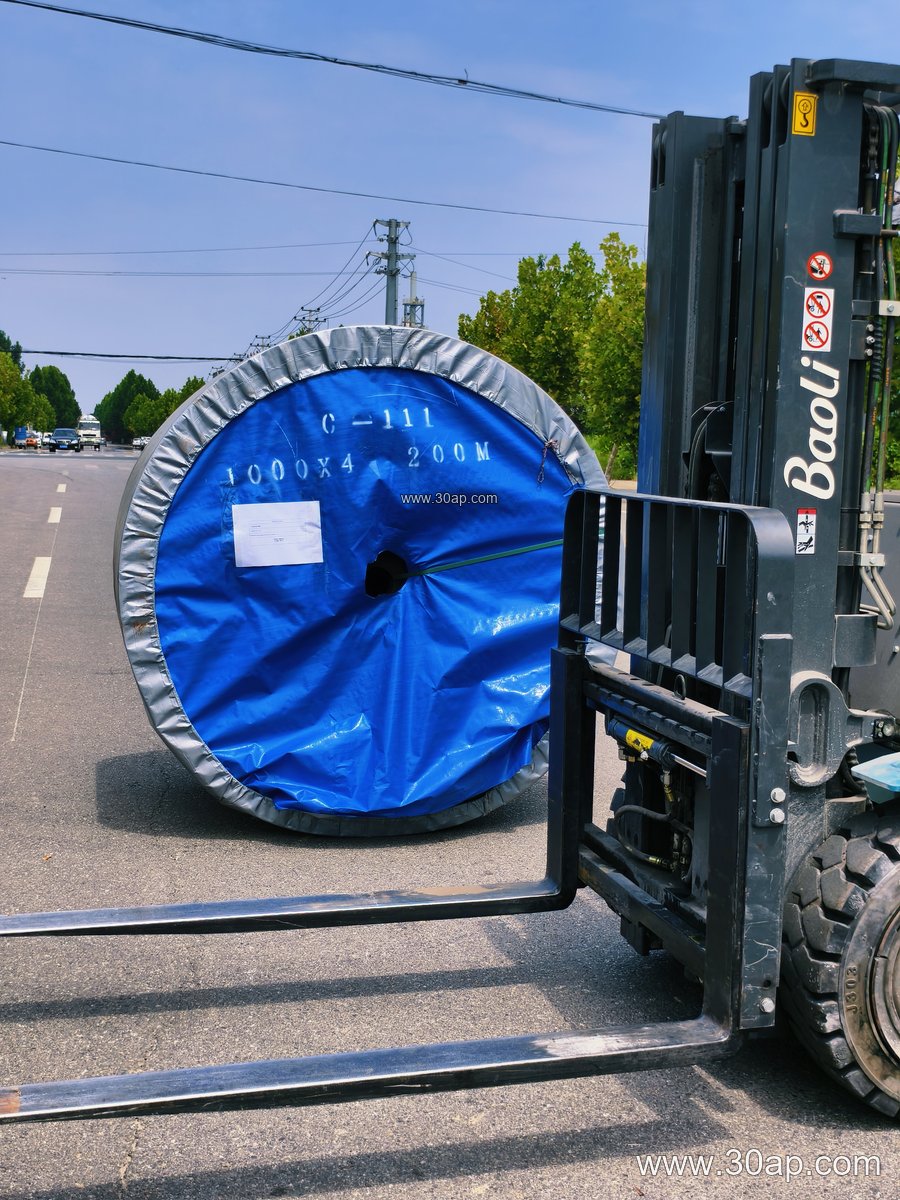
- Plan for proper storage and handling to avoid edge damage before installation.
An NN100 belt is not a universal answer for every conveyor. It is a specific fabric core product with a defined strength grade, and it should be selected against the actual duty. When the tension, temperature, or material conditions exceed its range, consider a different subtype rather than pushing the belt beyond its design.