What a Mining Belt Conveyor Idler Does on the Line
A mining belt conveyor idler is the rotating support that carries the conveyor belt and the material load between the head and tail of the system. It sits under the loaded strand, and often under the return strand as well, letting the belt travel with low resistance instead of dragging on fixed steel. The idler roller itself is a simple assembly, but its behavior decides how much power the drive needs, how long the belt lasts, and how often maintenance crews have to walk the line.
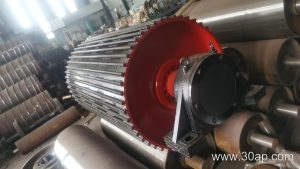
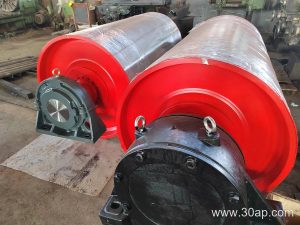
People sometimes confuse idlers with pulleys. They are not the same component. A drive pulley, a tail pulley, and a bend pulley are all powered or direction-changing drums, and they are not interchangeable with each other or with idlers. The idler only supports and guides; the conveyor pulley pulls and redirects.
How the Idler Is Built
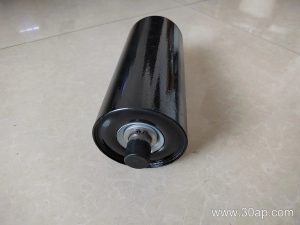
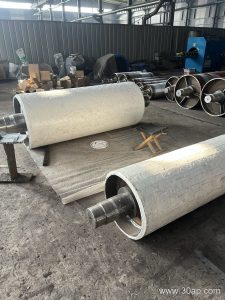
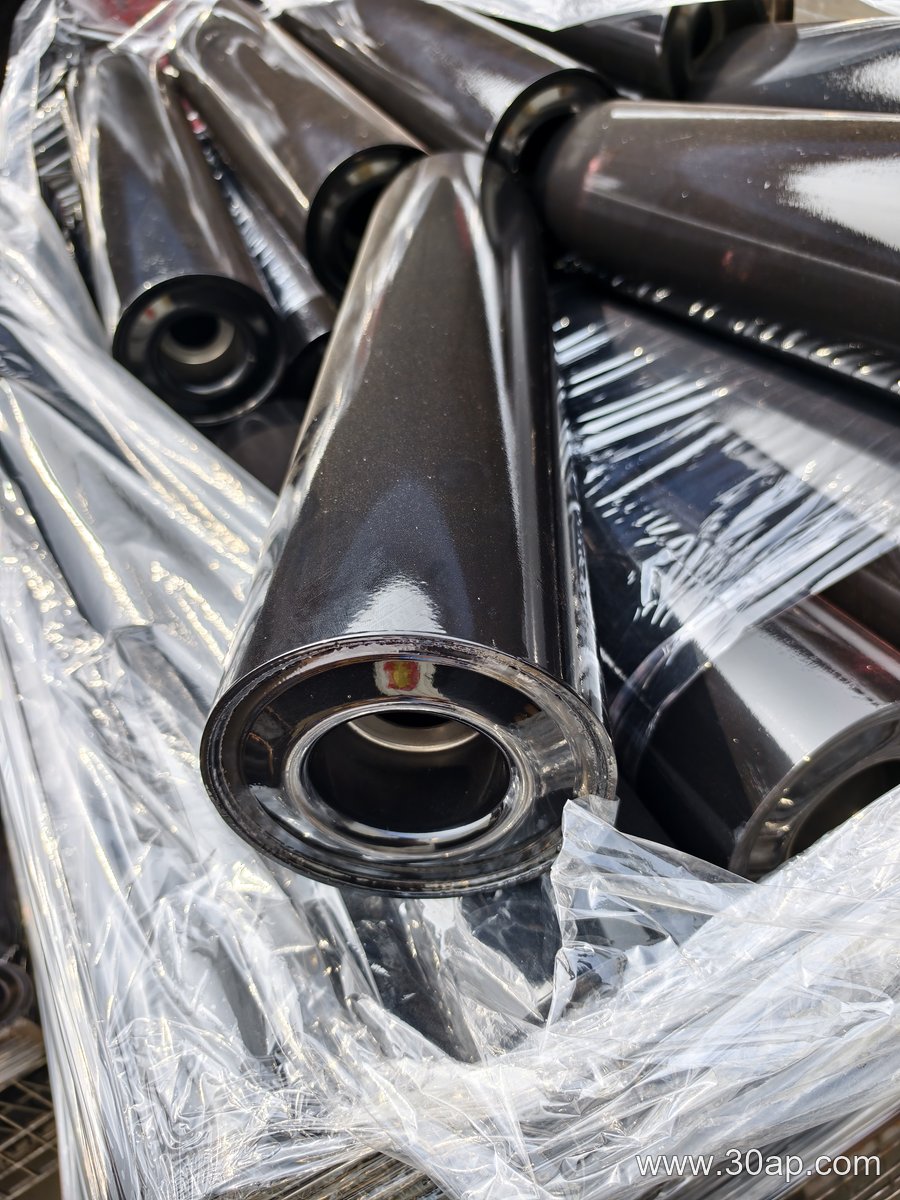
A typical unit starts with a steel tube shell, often fitted with a shaft, bearing housings, and a sealing arrangement. Common roller diameters include 89 mm, 108 mm, 133 mm, 159 mm, and 194 mm. The shell may be plain steel, nylon-coated, ceramic-covered, or fitted with rubber rings when impact absorption is needed. Bearing sizes such as 6204, 6205, 6305, 6308, and 6310 appear across the range, but no single bearing is tied to one roller diameter by rule. The housing and seal design usually matters more than the raw bearing number because fine dust and water are the main enemies underground and in wet washing plants.
Where Idlers Are Used
You will find them in a limestone quarry feeding a crushing circuit, in an iron ore stockyard, and in a coal preparation plant where the belt runs through sprays and slurry. They also appear in sand and gravel lines, cement plants, and tunnel muck removal. In each case the troughing idler set shapes the belt into a curve so the load stays centered. A three-roll troughing set is common for wider belts, while a single-roll flat idler is often used on the return run.
Matching Roller Diameter and Belt Width
Belt width and roller diameter are related through the load and speed of the conveyor, not by a fixed table. A B800 belt might run on 108 mm or 133 mm rollers depending on tonnage, lump size, and belt speed. A B1400 belt may use 159 mm or larger. Roll length also changes with belt width and trough angle. For a three-roll troughing set, common roll lengths are roughly 250 mm at B650, 315 mm at B800, 380 mm at B1000, 465 mm at B1200, and 530 mm at B1400. These are examples, not mandatory pairings, and the center roll can differ from the side rolls.
Trough Angle and Belt Training
Trough angles of 20, 30, 35, and 45 degrees are widely used. A deeper trough holds more material and reduces spillage on a fast belt, but it also increases the bending stress on the belt edges. When a belt wanders, a trained idler with a slight forward tilt of about 1.5 to 2 degrees can help steer it back, and a friction self-aligning idler does the same job by reacting to belt contact. These are corrective measures, not a substitute for proper pulley alignment and loading.
Impact, Return, and Special Duties
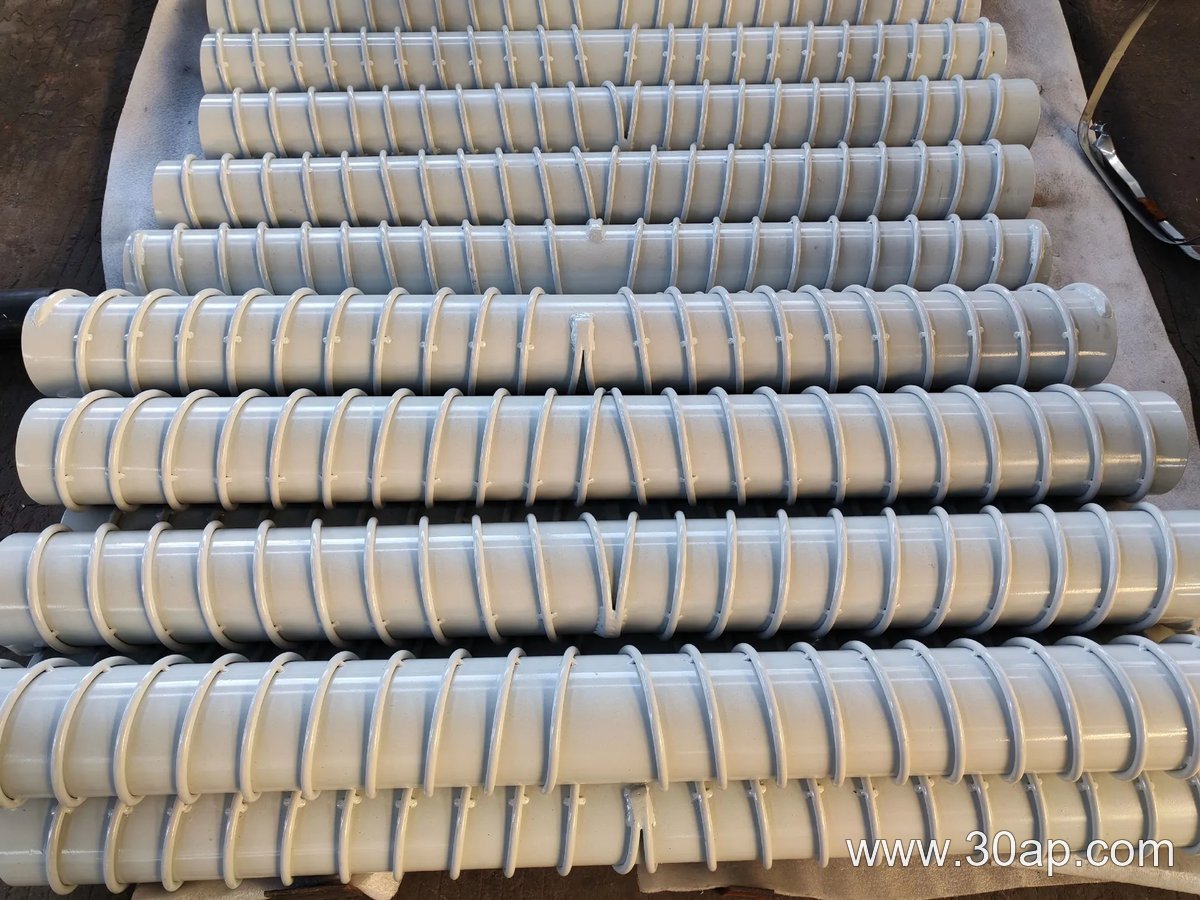
At the load point, a buffer idler with rubber rings absorbs the energy of falling rock. This is different from a standard troughing idler, which is designed mainly for steady carrying. On the return strand, a V-return idler or a spiral idler keeps the belt clean and centered. A comb-type idler may be chosen where sticky material tends to build up on the roller face.
What a Buyer Should Check
- Roller diameter, shaft size, and bearing type should match the actual load, not just the belt width.
- Seal quality and housing fit matter in dusty or wet service.
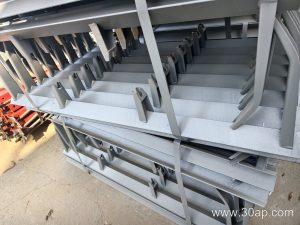
- Check the bracket and frame dimensions so the idler fits the existing conveyor bracket without field modification.
- Confirm the trough angle and roll length for the specific belt and material.
- Ask for the roller surface form only when it serves a purpose, such as rubber for impact or ceramic for abrasion.
The right mining belt conveyor idler is the one selected for the duty, the environment, and the existing structure. A careful review of these points keeps the belt running straight, the bearings cool, and the maintenance crew off the walkway.