What Conveyor Bracket Fabrication Involves
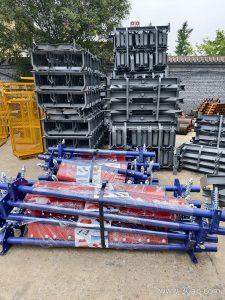
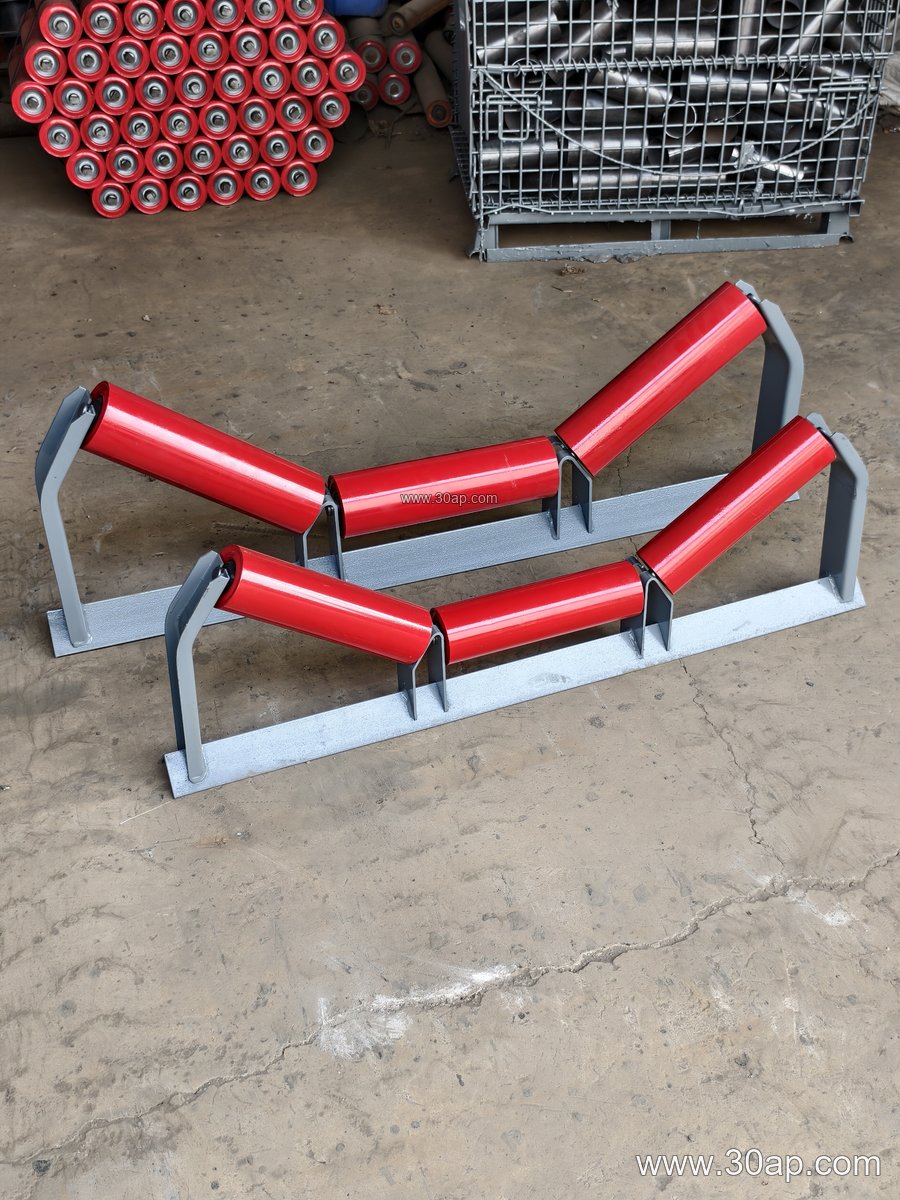
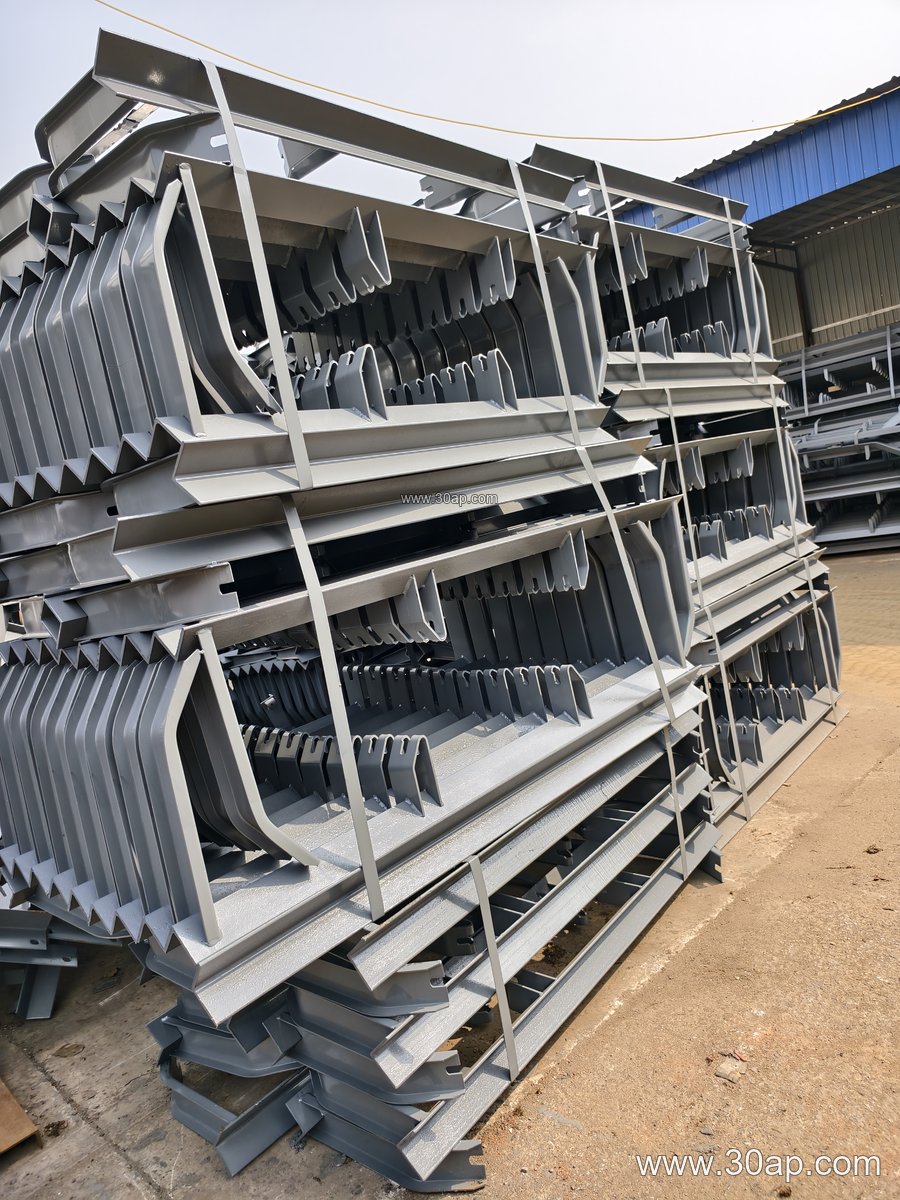
Conveyor bracket fabrication is the process of cutting, forming, welding, and finishing the structural supports that hold idler rollers and related components in a conveyor system. These brackets, often called conveyor support brackets or idler frames, keep the conveyor belt tracking correctly and maintain the desired trough profile. In a typical fabrication shop, the work starts with raw steel—angle iron, channel, or folded plate—and ends with a painted or galvanized assembly ready for installation on the conveyor stringer.
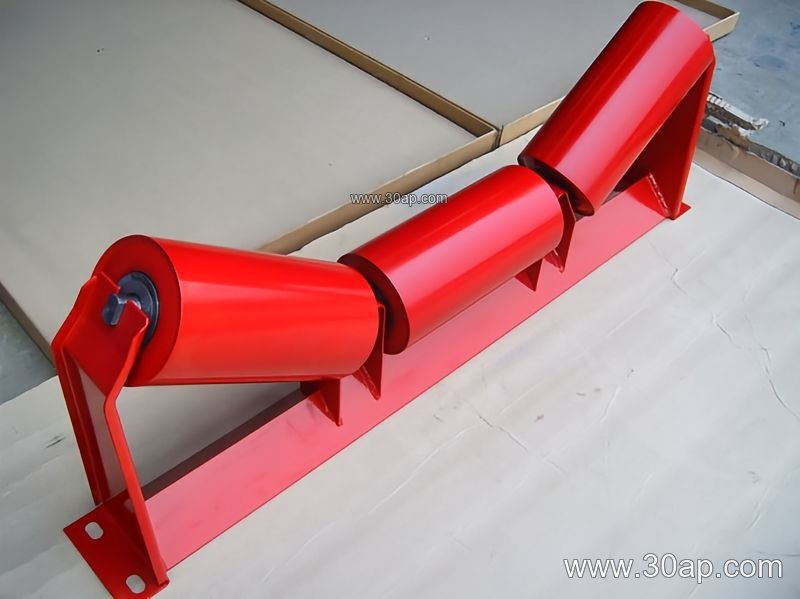
The term covers a family of parts: troughing brackets that support the carrying side, return brackets that hold the belt on its way back, impact brackets for load zones, and self-aligning brackets that help correct belt drift. Each type has its own geometry, but all share the same fabrication fundamentals: accurate hole placement, consistent angles, and enough stiffness to resist vibration and misalignment.
Materials and Build Steps
Fabricators usually work with structural steel such as angle steel, channel steel, or bent steel plate. The choice depends on the load, the belt width, and the environment. For example, a dusty cement plant may favor heavier sections and extra gussets, while a gravel line might use standard channel frames with reinforced welds at the joints.
The build sequence typically includes:
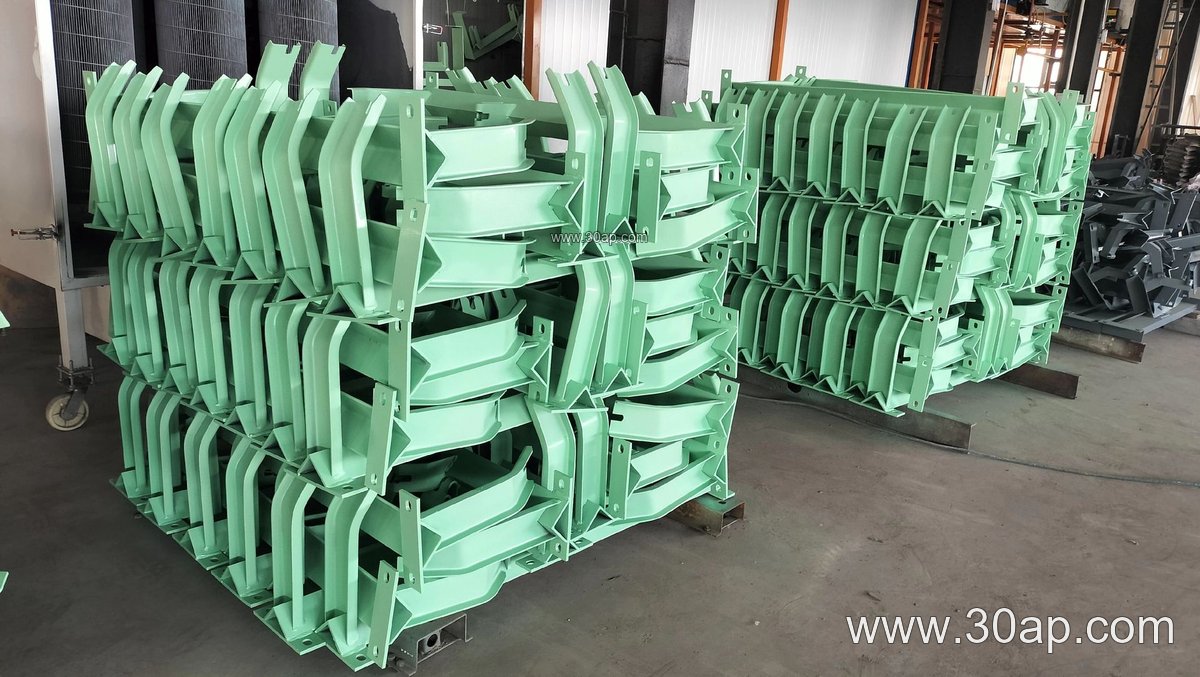
- Cutting stock to length and punching or drilling mounting holes.
- Forming the trough angle—common angles are 20, 30, 35, and 45 degrees—using jigs or press brakes.
- Welding the frame, including any stiffeners or adjustable slots.
- Deburring, surface preparation, and coating (paint or galvanizing).
- Checking hole spacing and squareness against the drawing.
Adjustable brackets include slotted holes or pivoting arms so the trough angle can be changed on site. Fixed brackets are welded or bolted at a set angle. Both approaches are valid; the choice depends on whether the conveyor is expected to handle different materials or belt conditions over its life.
Where These Brackets Are Used
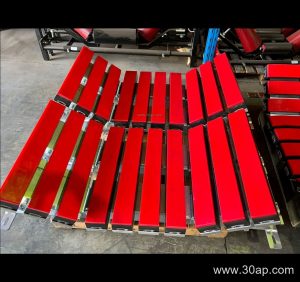
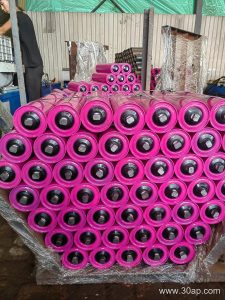
Conveyor bracket fabrication serves many bulk-handling industries. In a coal preparation plant, troughing brackets support the carry side of the conveyor belt through loading and transfer points. In a limestone quarry or crushing circuit, impact brackets with rubber buffers protect the belt from large lumps. Return brackets and V-return brackets keep the belt aligned on the return run, often working alongside a conveyor pulley at the head or tail.
Other common settings include power plant coal handling, port bulk terminals, steel sinter plants, and fertilizer or grain silo operations. The fabricated brackets must match the conveyor structure, the idler roller diameter, and the belt width, so coordination with the conveyor designer is essential.
Key Parameters and How They Interact
Bracket dimensions are not universal. They are determined by belt width, trough angle, roller diameter, and the mounting pattern of the conveyor stringer. The table below shows typical reference ranges—not fixed rules—for common combinations.
| Belt Width (B) | Common Trough Angle | Typical Roller Diameter | Bracket Style |
|---|---|---|---|
| B500 | 20°–30° | Ø89 | Troughing, return |
| B650 | 30° | Ø89–Ø108 | Troughing, impact |
| B800 | 35° | Ø108 | Troughing, self-aligning |
| B1000 | 35°–45° | Ø108–Ø133 | Troughing, return |
| B1200 | 45° | Ø133 | Troughing, V-return |
| B1400 | 35°–45° | Ø133–Ø159 | Troughing, impact |
| B1600 | 35°–45° | Ø159 | Troughing, return |
| B1800 | 35°–45° | Ø159–Ø194 | Troughing, self-aligning |
| B2000 | 35°–45° | Ø194 | Troughing, return |
| B2200 | 35°–45° | Ø194 | Troughing, impact |
These values are for reference only. A B800 conveyor might use a 30-degree trough angle with Ø108 rollers in one plant and a 35-degree angle in another, depending on material characteristics and belt speed. Mounting hole spacing and crossbeam length vary with belt width and bracket type; they should always be confirmed from the conveyor layout drawing.
Buyer Checklist for Fabricated Brackets
When sourcing conveyor brackets, buyers should provide the belt width, trough angle, roller diameter, and the mounting hole pattern required by the conveyor structure. It helps to specify the material grade, surface finish, and whether adjustment slots are needed. Ask the fabricator about weld quality, hole alignment tolerances, and coating thickness. For impact zones, confirm that the bracket design accepts the chosen impact idler roller. Finally, request dimensional checks on the first articles to ensure the brackets fit the stringer without field modification.
Good fabrication practice keeps the conveyor belt centered, reduces roller wear, and extends the service life of the whole conveyor pulley and idler assembly. Whether the application is a coal mine, a cement plant, or a sand and gravel line, the bracket is a small but critical part of reliable conveying.