What a Self-Aligning Idler Bracket Does
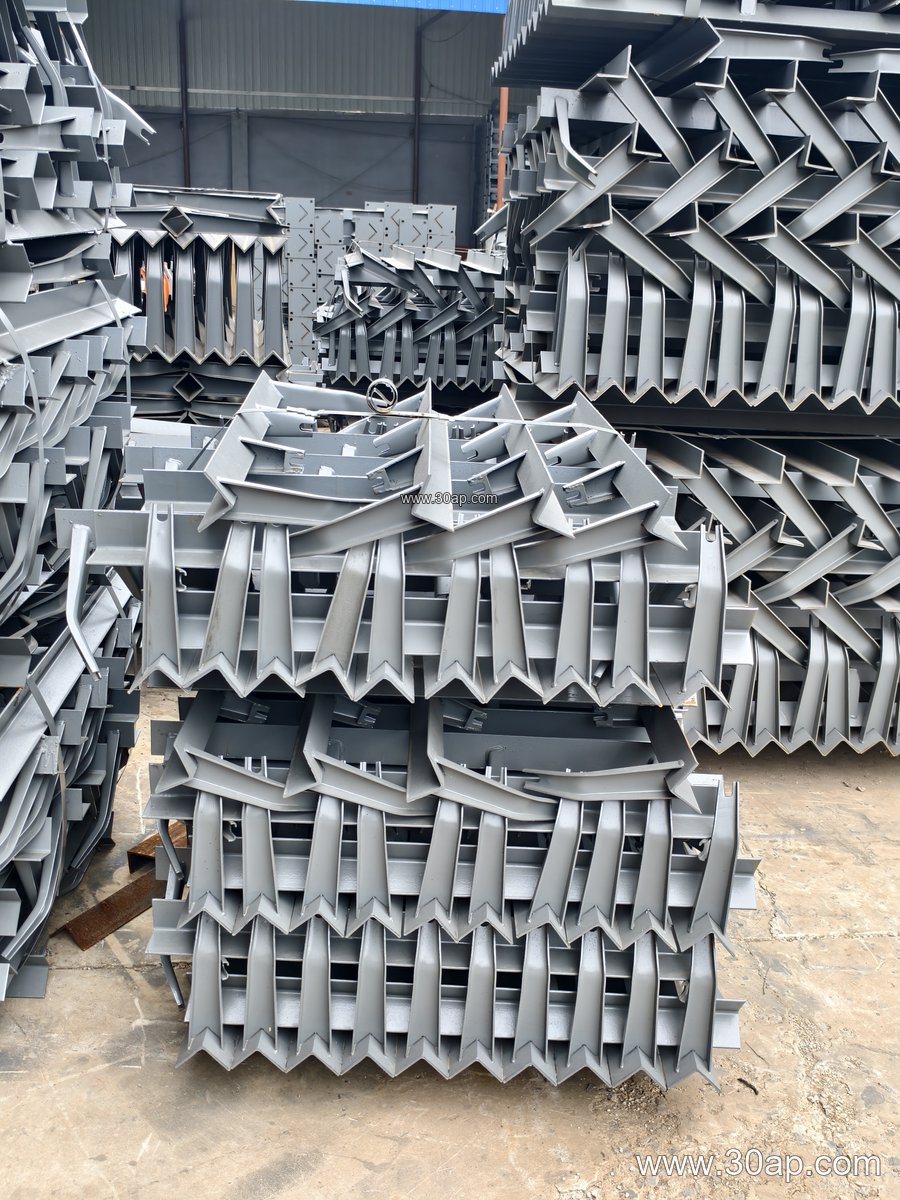
A self-aligning idler bracket is a pivoting support that holds the carrying or return idlers and automatically corrects conveyor belt misalignment. Unlike a fixed bracket, it reacts to the belt’s drift by swiveling slightly, which steers the belt back toward the center line. This makes it a practical choice for the head and tail zones of a conveyor, or anywhere a belt is prone to wander due to uneven loading or structure settlement.
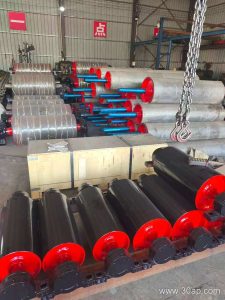
In a quarry or a coal handling plant, a self-aligning bracket often works alongside a conveyor pulley and a sturdy conveyor bracket frame. It is not a replacement for proper pulley alignment or adequate take-up, but it adds a layer of automatic correction that reduces edge damage and spillage.
Construction and Key Features
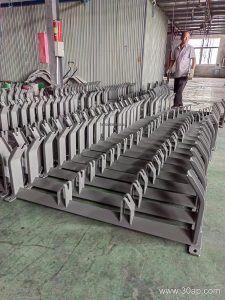
The bracket is usually built from angle steel, channel steel, or folded steel plate. A central pivot pin allows the idler frame to rotate a few degrees in either direction. Friction or a slight forward tilt of the idlers provides the restoring force that nudges the belt back. Common designs include a vertical pivot axis and a linkage that senses belt edge contact.
- Pivot mechanism with a durable pin and bushing
- Mounting holes sized to the conveyor frame, not fixed by belt width alone
- Compatible with standard idler roller diameters such as Ø89, Ø108, Ø133, Ø159, and Ø194
- Available for trough angles of 20°, 30°, 35°, and 45°
Some self-aligning brackets are adjustable, letting maintenance staff set the trough angle within a range. A forward tilt of about 1.5° to 2° is common on training idlers to encourage centering.
Where It Fits in a Conveyor System
A self-aligning idler bracket is typically installed on the carrying side near the tail pulley or on the return side before the bend pulley. In a cement plant or a power plant coal yard, it helps keep a rubber conveyor belt centered when material feed is off-center. In a sand and gravel line, it protects the belt edges from rubbing against the structure.
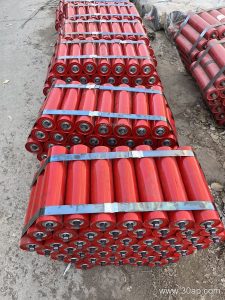
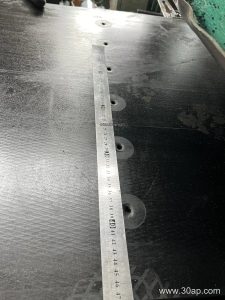
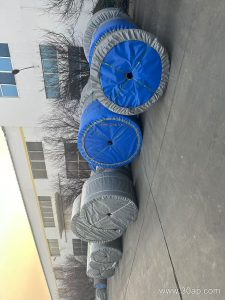
It is often used together with a conveyor idler roller set and a conveyor pulley at the drive or tail. The bracket does not change the function of those components; it simply improves belt tracking. For high-abrasion service, an abrasion resistant conveyor belt may be paired with a self-aligning bracket to reduce edge wear.
Selection and Sizing Notes
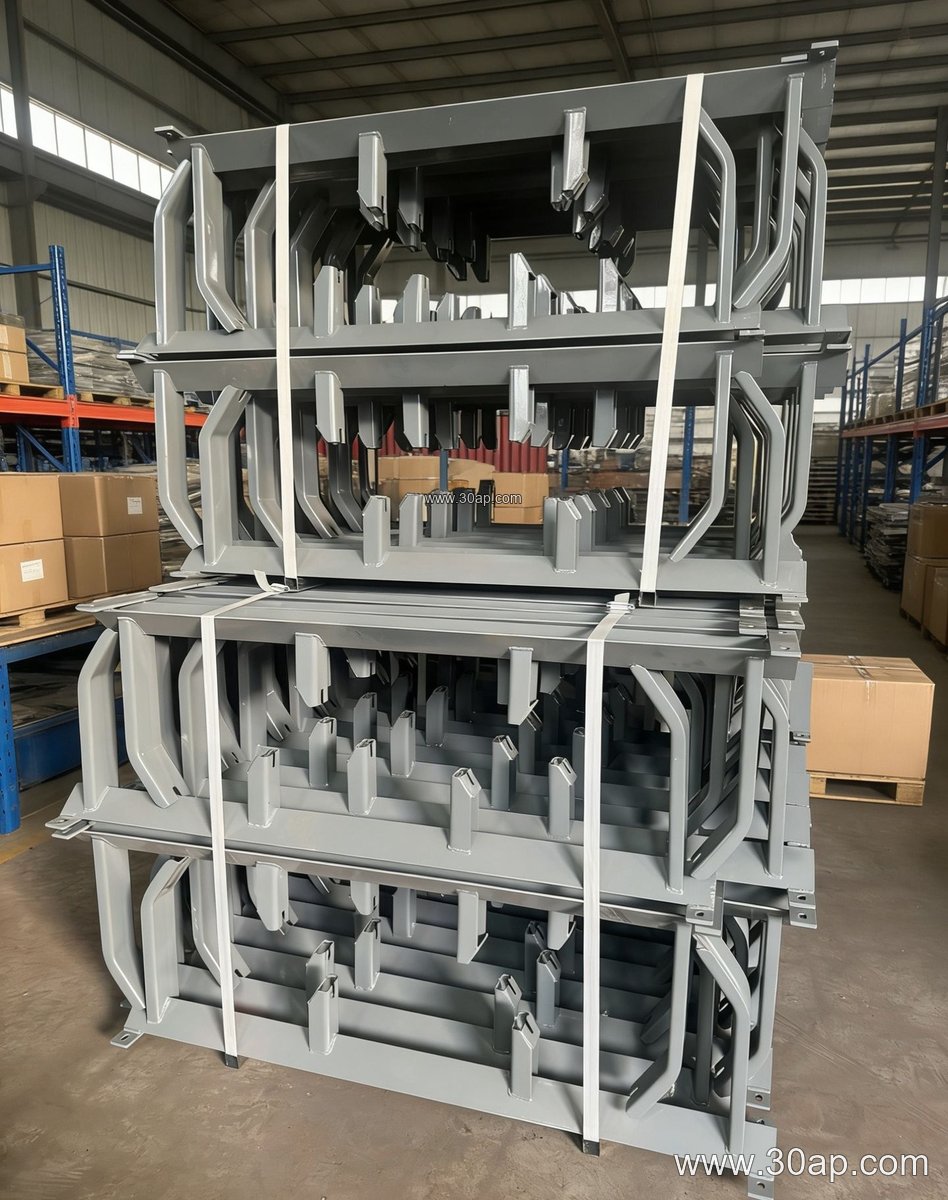
Belt width and idler diameter are chosen together with the bracket’s mounting dimensions. Common belt widths include B500, B650, B800, B1000, B1200, B1400, B1600, B1800, B2000, B2200. A typical combination might be B800 with 35° trough and Ø108 idlers, or B1200 with 45° trough and Ø133 idlers. These are examples, not fixed rules; the correct combination depends on belt speed, load, and structure.
| Parameter | Common Range |
|---|---|
| Belt width | B500 to B2200 |
| Trough angle | 20°, 30°, 35°, 45° |
| Idler diameter | Ø89, Ø108, Ø133, Ø159, Ø194 |
| Material | Angle steel, channel steel, folded plate |
Mounting hole spacing and crossbeam length vary with belt width and trough angle, so they should be confirmed against the conveyor frame drawing. Do not assume one belt width matches only one pulley diameter or one idler size.
Buyer Checklist
Before ordering, confirm the belt width, the idler diameter, the required trough angle, and whether the bracket is for the carrying or return side. Check the pivot design and the material thickness for the duty level. In a mine or a steel plant, a heavy-duty bracket with a robust pivot is often preferred. For a food or chemical application, consider a self-aligning bracket that suits washdown and corrosion exposure.
Ask for the mounting dimensions and confirm compatibility with your existing idler roller and conveyor bracket. A self-aligning idler bracket is a small component, but it can make a noticeable difference in belt life and downtime when selected and installed correctly.