What an Ore Conveyor Belt Is
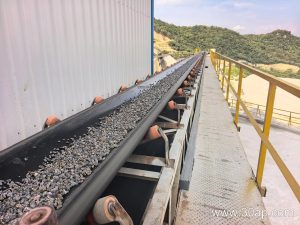
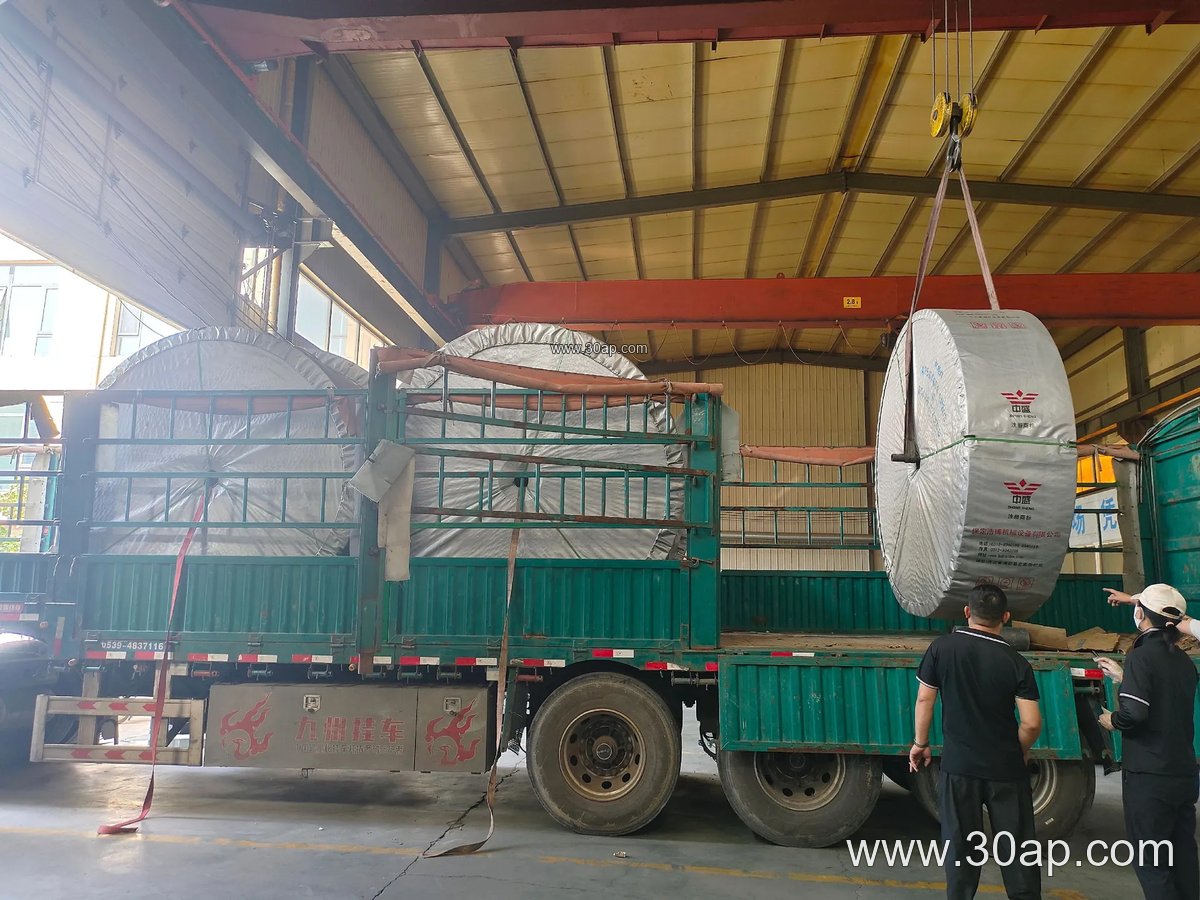
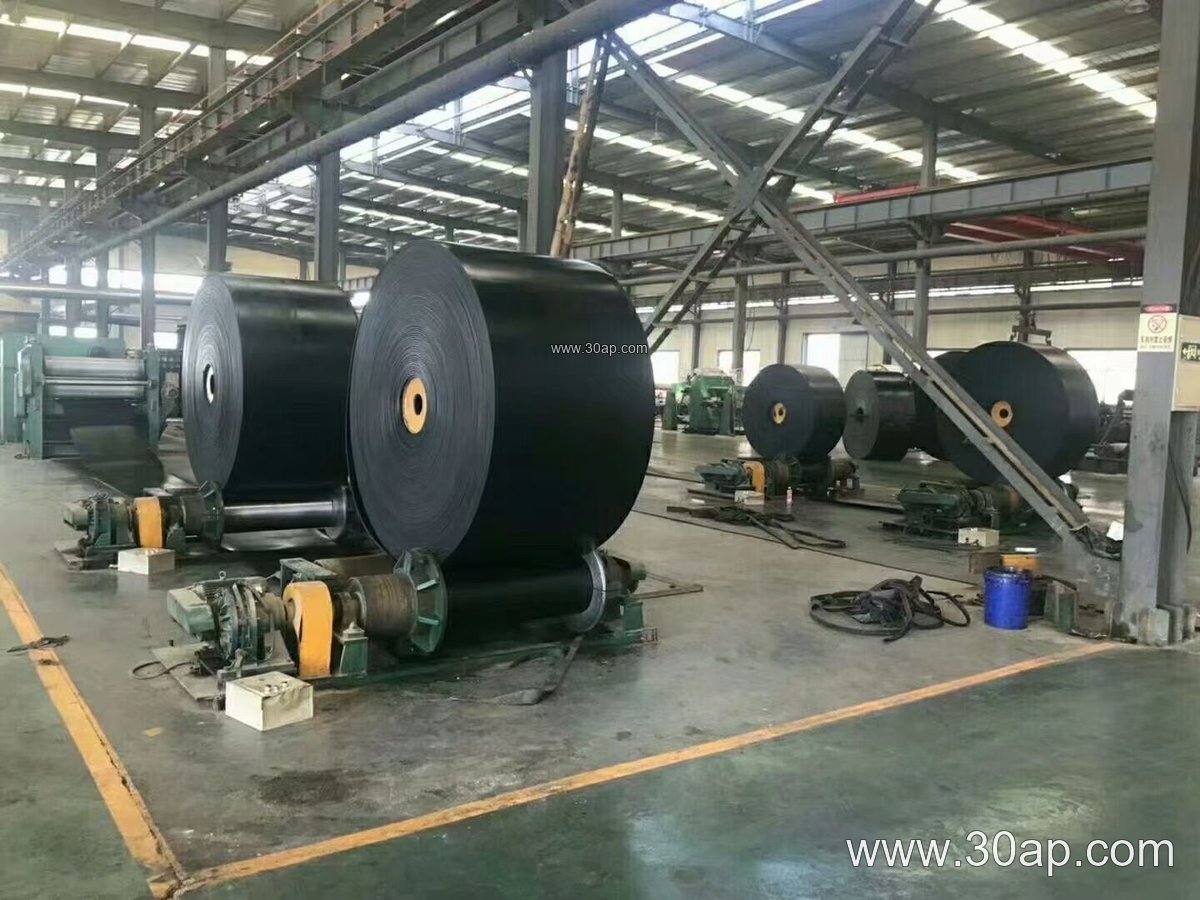
An ore conveyor belt is the load-carrying element of a bulk handling system built for abrasive, heavy, and often wet mineral material. It differs from a general-purpose belt in several ways: a stronger carcass, thicker covers, and construction details that resist cutting, impact, and edge damage. In mines, quarries, cement plants, power stations, and aggregate yards, this belt keeps ore, coal, clinker, and crushed rock moving from the primary crusher to stockpiles or loading points without interruption.
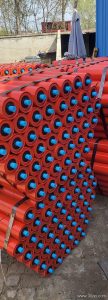
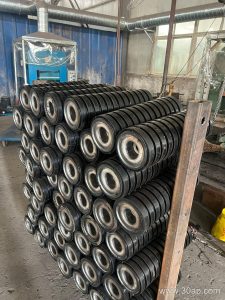
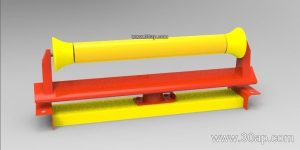
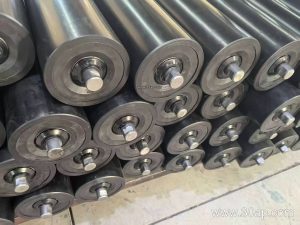
The belt is only one part of the circuit. It runs over idler rollers that support the load, wraps around a head or drive pulley that transmits power, and returns through a tail pulley and bend pulleys. Each of these components has its own job, and none can substitute for another. Selecting a belt correctly means matching it to the whole conveyor, not just to the tonnage figure.
Construction and Carcass Options
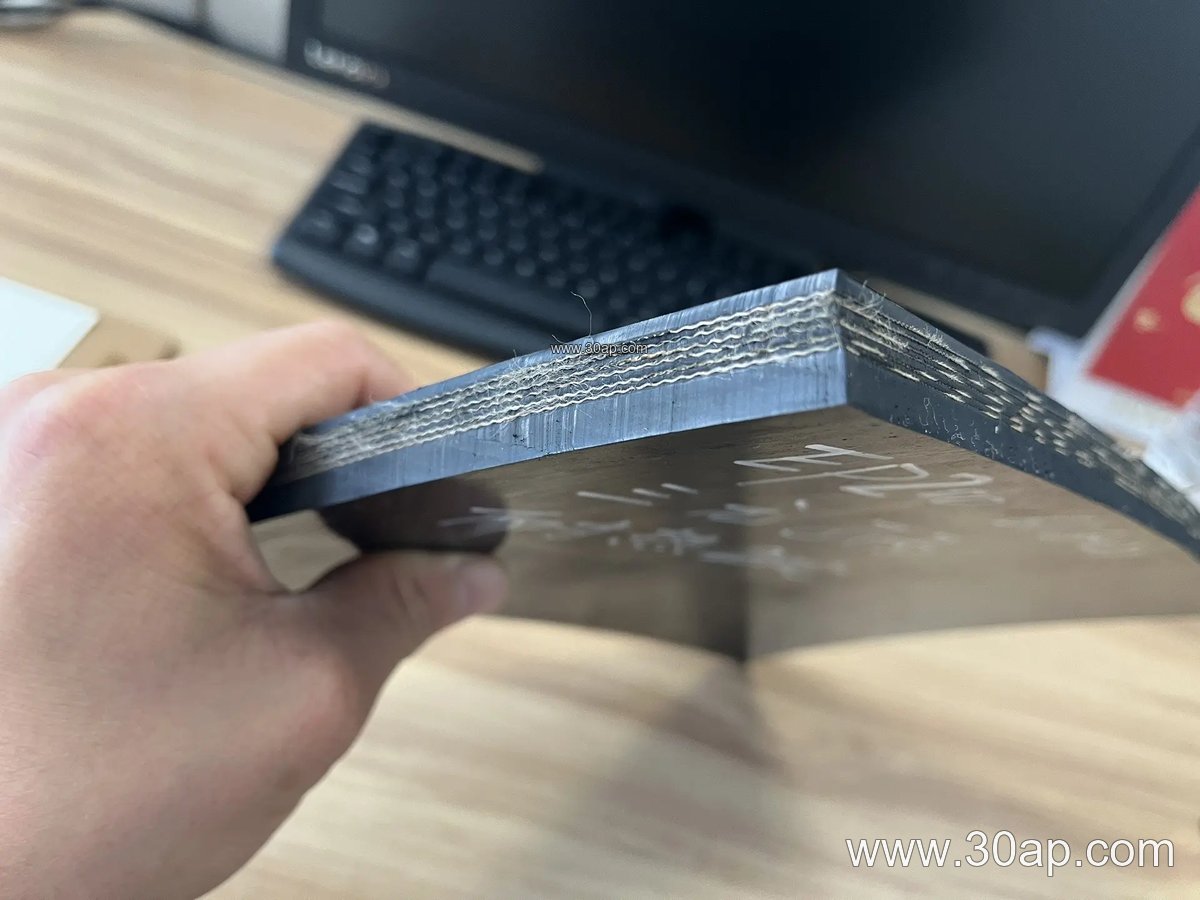
Most ore belts use a fabric core or a steel cord core. Fabric cores are made from polyester and nylon (EP) or all-nylon (NN) plies, bonded with rubber. Steel cord belts use a single layer of high-tensile steel wires embedded in rubber, which suits very long runs and high tension. A buyer will usually see these descriptions on a data sheet:
- EP conveyor belt with 2 to 6 plies, commonly EP200 to EP1000 for medium and heavy duty
- Steel cord conveyor belt in classes such as ST1000 to ST3150 for long overland lines
- Rubber conveyor belt with cover grades for abrasion, heat, oil, flame, or cold service
- PVG and PVC belts for underground coal mining where flame resistance is required
The cover rubber is often the first part to wear out. In ore handling, high abrasion resistant and impact resistant covers are common, and cut-resistant grades help where sharp rock is present. Cover thickness is usually quoted as top plus bottom, for example 5+2 mm or 6+2 mm, with the top cover taking the wear. The edge, the splice, and the cover grade together determine service life more than any single number.
Where It Works
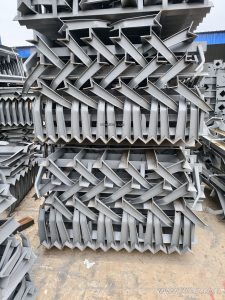
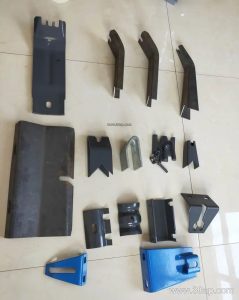
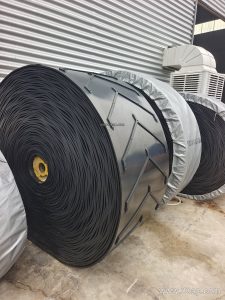
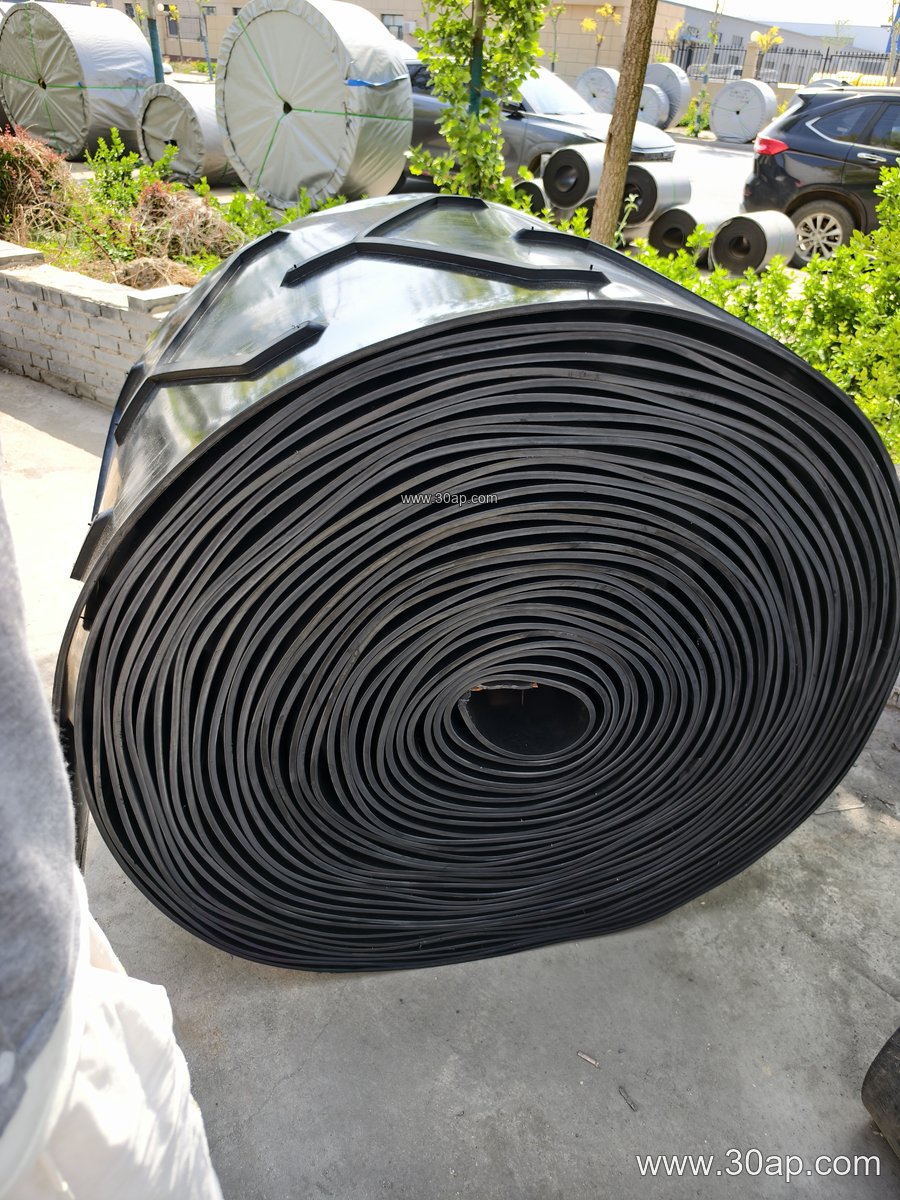
Ore conveyors appear across many industries, and the belt is tuned to each one. A copper ore conveyor belt in a concentrator faces wet, abrasive slurry contamination. An iron ore conveyor belt at a port handles heavy lump material at high capacity. A coal mining conveyor belt underground must be flame retardant and anti-static, while a cement plant conveyor belt deals with hot clinker and fine dust. Quarry conveyor belts and aggregate conveyor belts move crushed stone and sand, often over inclined sections where a chevron conveyor belt or corrugated sidewall belt helps hold the load. In every case, the belt, idler roller, conveyor pulley, and conveyor bracket form one mechanical system, and a weak point anywhere shortens the life of the rest.
Common Reference Data
Values below are typical reference ranges, not fixed combinations. Actual selection depends on the conveyor design, material lump size, drop height, and duty cycle.
| Item | Common reference values |
|---|---|
| Belt width | B500, B650, B800, B1000, B1200, B1400, B1600, B1800, B2000 |
| Fabric strength class | EP200, EP315, EP400, EP500, EP630, EP800, EP1000, EP1250, EP1600, EP2000 |
| Steel cord class | ST1000, ST1250, ST1600, ST2000, ST2500, ST3150 |
| Cover thickness | 3+1.5, 4+2, 5+2, 6+2, 8+3 mm |
| Ply count | 2 to 6 layers for fabric cores |
A wide belt does not dictate a single pulley diameter, and belt width alone cannot set a shaft size. Those figures come from the conveyor designer, who balances tension, wrap angle, and pulley load.
Buyer Checklist
- State the material: ore type, lump size, moisture, temperature, and whether it is oily or chemically active.
- Give the duty: tons per hour, belt speed, incline angle, and start-stop frequency.
- Confirm the environment: underground coal service needs flame retardant and anti-static properties; a cold climate may call for a cold resistant grade.
- Check the splice method and whether an endless conveyor belt is required on site.
- Ask for cover grade test data and carcass tensile strength, not only a model number.
- Review the whole line, including idler roller spacing and pulley condition, before blaming the belt for short life.
For most ore handling projects, the practical answer is a heavy-duty belt with an abrasion resistant cover and a carcass class sized to the tension. Matching that belt to well-maintained rollers and pulleys is what keeps a mine, quarry, or cement line running.