What an Oil Resistant Conveyor Belt Is
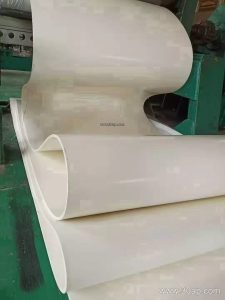
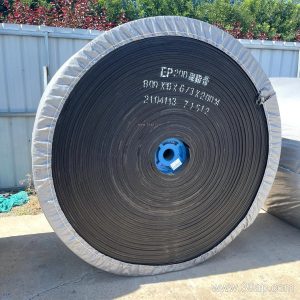
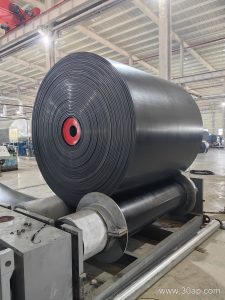
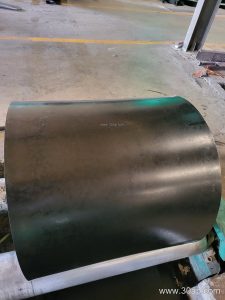
An oil resistant conveyor belt is a fabric-reinforced rubber belt whose cover compounds are formulated to resist swelling, softening, and cracking when they contact mineral oils, vegetable oils, greases, and some solvent-bearing materials. In bulk handling lines it is often specified simply as an oil resistant belt, and it belongs to the same family as the general-purpose rubber conveyor belt, but with a cover that prioritizes oil resistance over, for example, extreme heat or flame performance.
The distinction matters. Standard covers may absorb oil, swell, and lose adhesion between the cover and the carcass, which shortens service life. Oil resistant covers are usually based on nitrile rubber (NBR) or neoprene (CR) systems, chosen according to the type and concentration of the oil involved. Where the same conveyor also carries hot material or operates in a flammable atmosphere, buyers sometimes compare a heat resistant conveyor belt or a flame retardant conveyor belt, but those are separate specifications and should not be treated as substitutes.
Construction and Typical Specifications
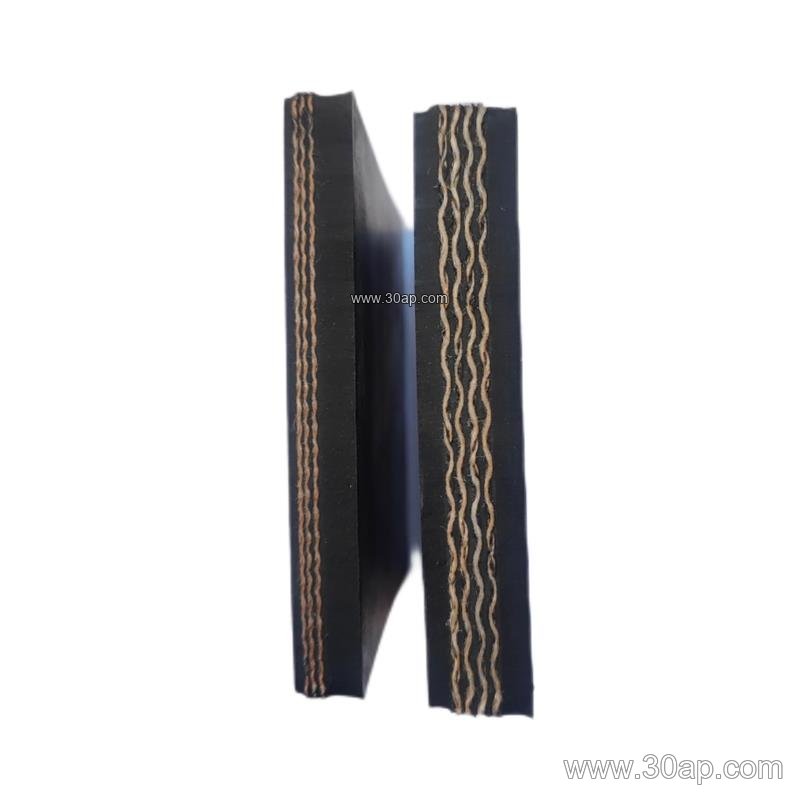
Most oil resistant belts use a multi-ply fabric core, with EP or NN fabric as the load-bearing skeleton. The cover grade is the key differentiator, and the carcass is selected for tensile strength and troughability. Steel cord conveyor belt constructions are also available when very high strength is needed, though fabric cores dominate general oil-contact duty.
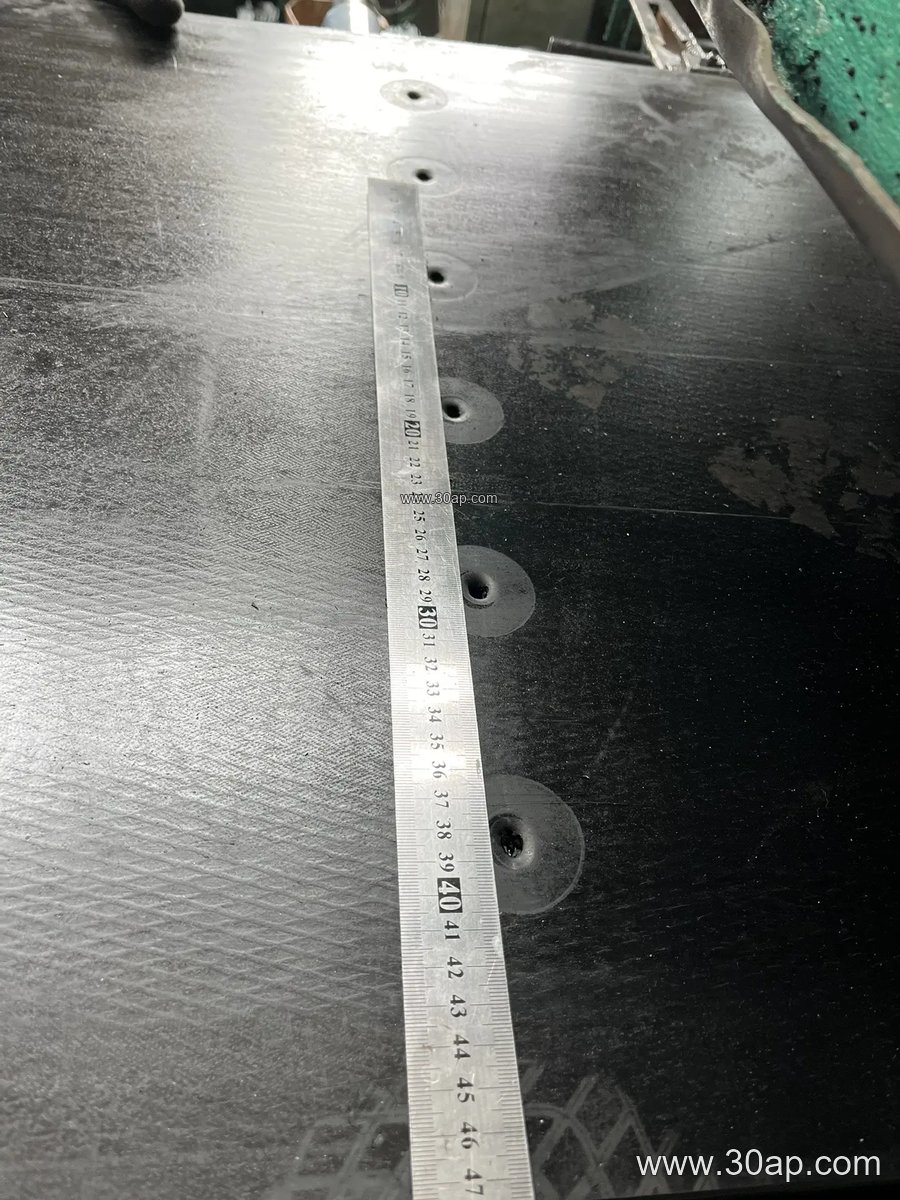
Reference values below are typical ranges and design options, not fixed supply promises. Actual selection depends on the duty, pulley diameters, and the specific oil involved.
| Parameter | Common Options |
|---|---|
| Cover grade | Oil resistant NBR or CR compound |
| Carcass type | EP fabric core, NN fabric core, multi-ply fabric core |
| Strength grades | EP200, EP315, EP400, EP500, EP630, EP800, EP1000, EP1250 |
| Belt width | B500, B650, B800, B1000, B1200, B1400, B1600 |
| Cover thickness | 3+1.5 mm, 4+2 mm, 5+2 mm, 6+2 mm |
| Ply count | Usually 2 to 6 plies |
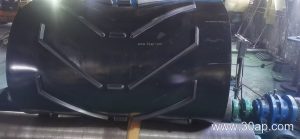
Surface forms such as a chevron conveyor belt profile or corrugated sidewall can be combined with an oil resistant cover when the incline or the material containment demands it, but these are design add-ons rather than different resistance classes.
Where It Fits in the Plant
Oil contact is common in recycling and waste sorting, where lubricant residues, oily packaging, and mixed scrap travel on the belt. It also appears in metalworking and stamping plants handling oily swarf, in vegetable oil and food processing lines where a food grade conveyor belt may not be required but oil resistance is, and in cement, power plant, and port terminals where machinery lubricants drip onto the carrying side.
In mining and quarrying, oil resistant belts are less common than abrasion resistant conveyor belt grades, but they are used around workshops, fuel transfer areas, and crusher conveyor belt sections that receive oily feed. In coal mining, the priority is normally flame retardant and anti-static performance, so an oil resistant cover is specified only where oil exposure is confirmed. Because oil resistance, abrasion resistance, and heat resistance pull cover formulations in different directions, engineers usually rank the risks and choose the dominant one.
Selection Points for Buyers
- Identify the oil. Mineral oil, hydraulic oil, diesel, and vegetable oil behave differently. Tell the supplier the oil type, temperature, and whether it is continuous or occasional spillage.
- Check swell data. Ask for cover swell and hardness change after immersion in the relevant oil, rather than relying on a generic label.
- Match strength to the duty. Confirm the required tensile grade against the conveyor layout and the load per unit width; do not assume a wide belt automatically suits every pulley.
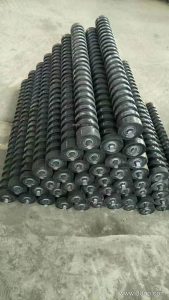
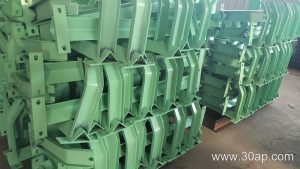
- Consider the full belt path. Idler roller spacing, conveyor pulley diameters, and conveyor bracket geometry influence belt stiffness and tracking, especially with thicker covers.
- Review joints and edges. Oil can attack splice adhesives and exposed fabric edges, so specify splice type and edge protection together with the cover grade.
Installation and Maintenance Notes
Keep lubricant leaks away from the belt where possible, and clean accumulated oil and grit from the return side, since a greasy surface reduces traction and can cause mistracking. Inspect the cover for softening, blistering, and edge separation at regular intervals. When a belt is replaced, check pulley lagging and skirt rubber as well, because degraded oil-resistant covers often indicate that oil has also reached other components. For lines that combine oil exposure with sharp rock or ore, a high abrasion resistant conveyor belt may be the better compromise, and for cold climates a cold resistant conveyor belt grade should be reviewed separately.
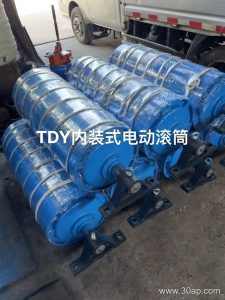
Buyers working across several industries often source the belt together with conveyor idlers and pulleys to keep the belt path consistent. A clear specification sheet covering cover grade, carcass, strength, width, cover thickness, and splice method gives suppliers what they need to quote accurately and helps maintenance teams compare replacements over time.