What a Thick Conveyor Belt Is
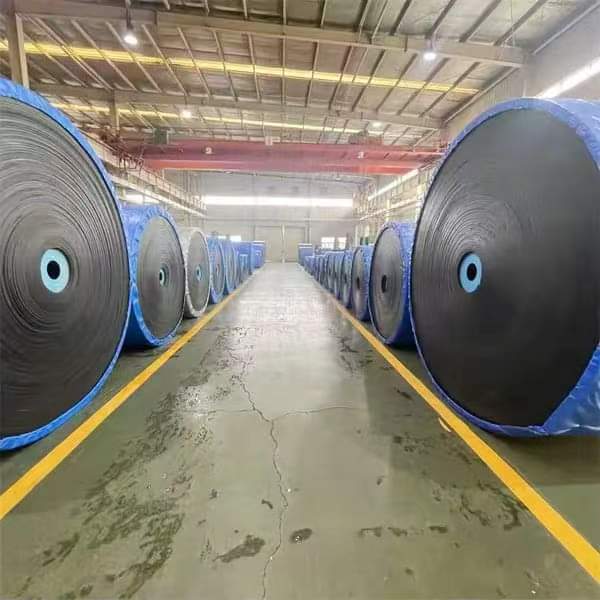
A thick conveyor belt is a heavy-gauge rubber belt built to carry dense, abrasive, or sharp materials over long distances without frequent replacement. In practice, the thickness comes from two things working together: a strong carcass with multiple fabric plies or steel cords, and a generous rubber cover on the top and bottom. Buyers in mining, coal preparation, cement plants, power stations, and sand and gravel yards often specify this kind of belt when standard belting wears through too quickly.
The same product is also called a heavy-duty conveyor belt or high-thickness rubber conveyor belt. Those names describe the same item; they are not different belt families.
How the Belt Is Built
The carcass carries the tension. Common constructions include EP fabric, NN nylon fabric, and steel cord. Cover rubber protects the carcass from impact, cutting, and abrasion. A thicker top cover absorbs lump impact at transfer points, while the bottom cover protects the pulley side.
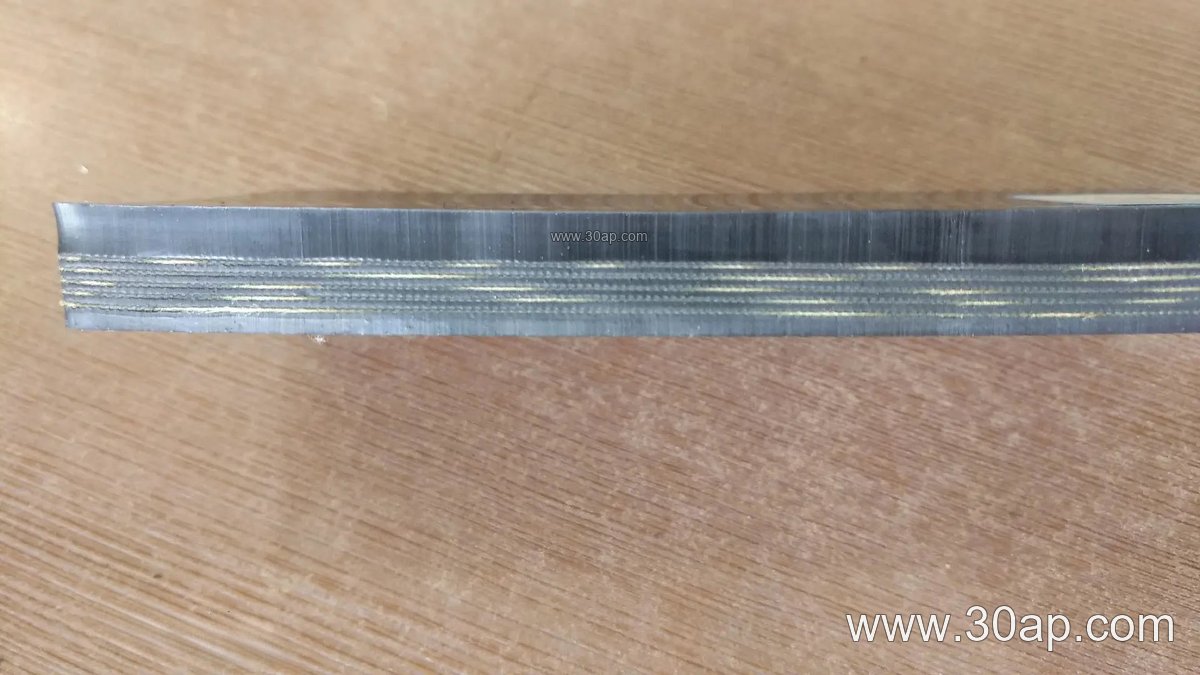
- Top cover and bottom cover are usually quoted together, for example 6+2 mm or 8+3 mm.
- Fabric carcasses commonly run from 2 to 6 plies, depending on the load.
- Steel cord belts are chosen where very high tensile strength is needed.
- Special covers can be added for heat, oil, flame resistance, antistatic behavior, cold, or acid and alkali exposure.
Typical Specifications
The table below shows reference values that appear in product literature. They are starting points for discussion, not fixed supply promises; final figures are set by the belt designer and the manufacturer.
| Parameter | Common reference values |
|---|---|
| Belt type | EP, NN nylon, steel cord, PVC, PVG, plus wear-resistant, heat-resistant, oil-resistant, flame-retardant, antistatic, cold-resistant, acid and alkali resistant, patterned, chevron, and corrugated sidewall versions |
| Tensile strength (EP series) | EP200, EP315, EP400, EP500, EP630, EP800, EP1000, EP1250, EP1600, EP2000 |
| Belt width | B500, B650, B800, B1000, B1200, B1400, B1600, B1800, B2000 |
| Cover thickness | 3+1.5, 4+2, 5+2, 6+2, 8+3 mm |
| Carcass plies | Usually 2 to 6 layers for fabric belts |
Width and pulley size are matched by conveyor design, not by a single rule. A given belt width can work with more than one pulley diameter, and shaft size depends on the pulley and load calculation rather than belt width alone.
Where Thick Belts Are Used
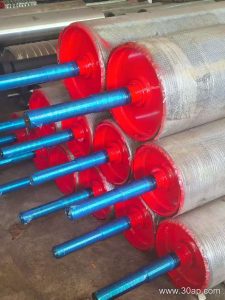
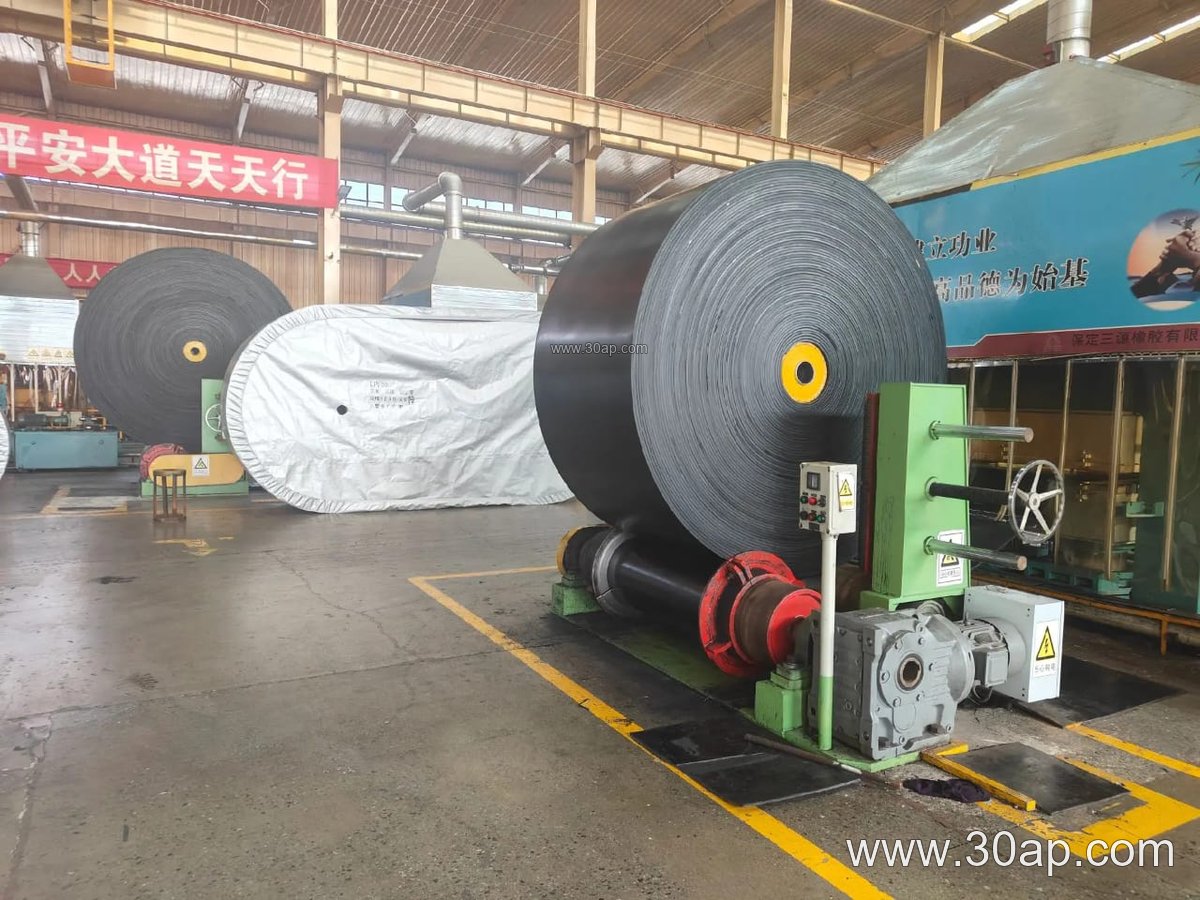
Heavy belting suits primary crushing circuits, stockyard conveyors, coal handling systems, clinker lines, and quarry transport. In these places the belt meets falling rock, wet grit, and constant flexing over the drive pulley, tail pulley, and bend pulleys. Each pulley has its own job and they are not interchangeable; the drive pulley transmits power, the tail pulley returns the belt, and bend pulleys redirect its path.
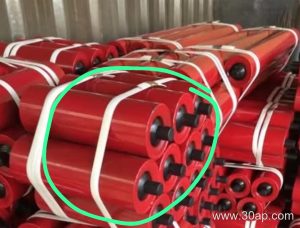
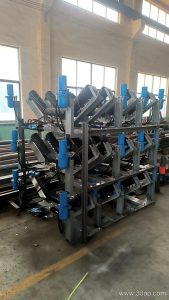
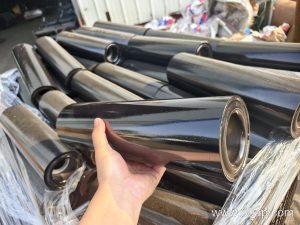
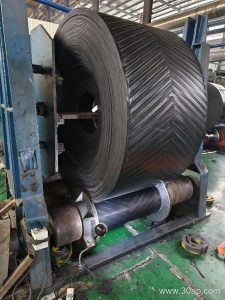
Supporting equipment matters too. Well-aligned idler rollers reduce edge wear, sturdy conveyor brackets keep the frame rigid, and a correctly sized conveyor pulley protects the splice area. Patterned or chevron surfaces help on inclines, while corrugated sidewall belts handle steep lifts where material would otherwise slide back.
What Buyers Should Check
- Confirm the actual duty: lump size, material temperature, moisture, oil content, and whether the belt runs outdoors in cold weather.
- Match tensile grade to the calculated tension, not to habit. EP630 and EP1000 serve different duties.
- Choose cover thickness from impact and abrasion conditions; 5+2 mm and 6+2 mm are common for abrasive stone, while 8+3 mm may suit severe impact zones.
- Ask how the belt will be spliced, since thick covers and steel cord carcasses need the right joint method.
- Check pulley diameters, trough angles, and transition distances with the conveyor designer before ordering.
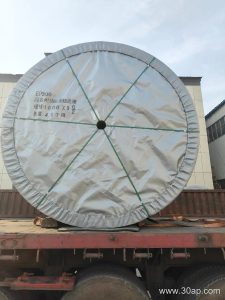
- Plan storage and handling: thick rolls are heavy and should not be bent sharply or dropped.
Maintenance Notes
Inspect the belt regularly for cover gouges, edge fraying, and exposed carcass. Keep idler rollers turning freely and clean spillage from the tail area. Recheck pulley lagging and alignment after the first weeks of running, because early wear often points to a tracking problem rather than a belt fault. With the right grade and reasonable care, a thick conveyor belt gives long service in demanding plants.