What a Conveyor Vertical Roller Does
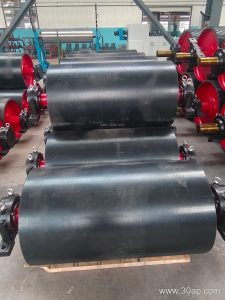
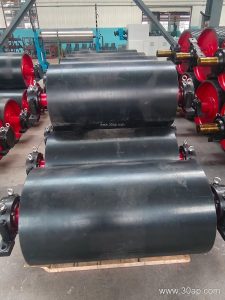
A conveyor vertical roller is a specially mounted idler used to guide the belt edge, support the belt at transition points, or maintain alignment in areas where a standard horizontal idler would not fit. In many plants it is installed vertically on the conveyor bracket to act as a side guide or edge control roller. Unlike a drive pulley, tail pulley, or bend pulley, which transmit power or change belt direction, the vertical roller is a free-rotating component that contacts the belt surface or edge to reduce friction and keep the belt on track. It is common to see this roller paired with a rubber conveyor belt or an EP conveyor belt in mining, quarry, and bulk handling operations.
Construction and Mounting Details
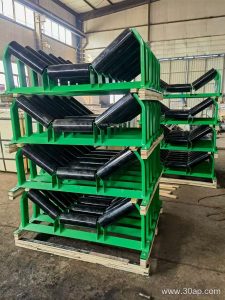
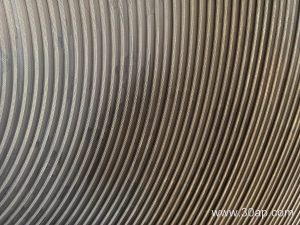
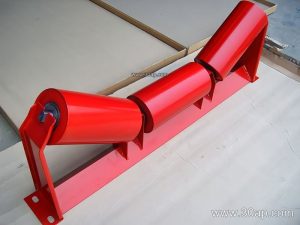
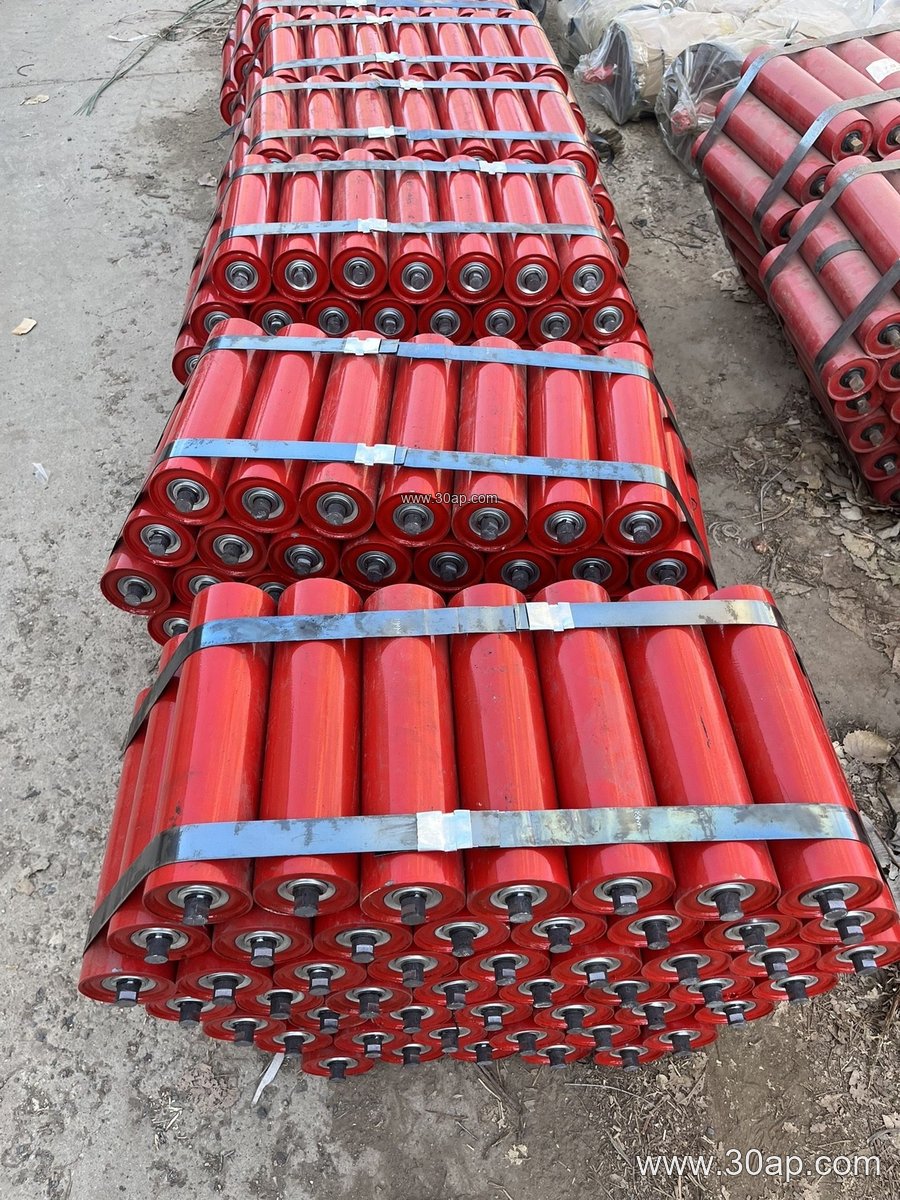
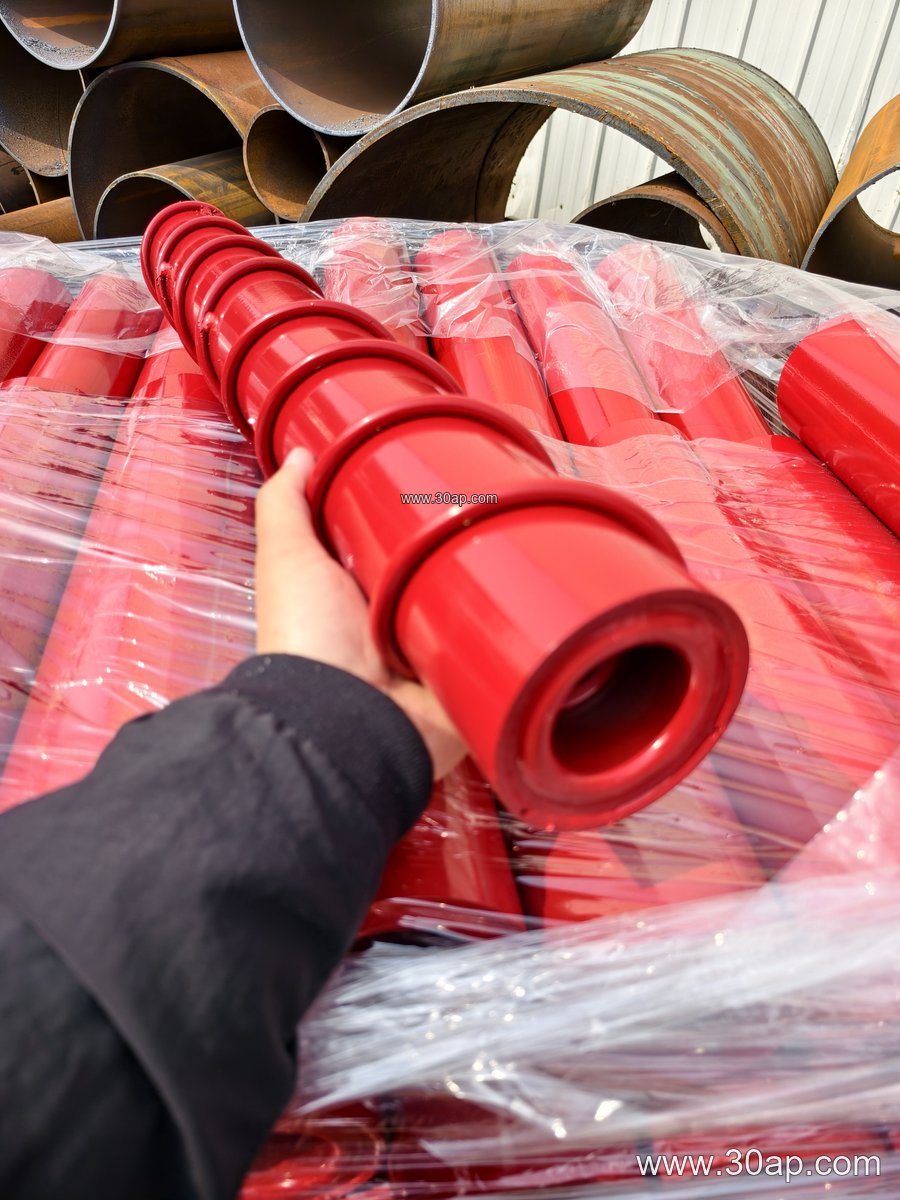
The vertical roller typically uses a steel tube shell, with shaft and bearing assembly sealed to resist dust and moisture. Common roller diameters include Ø63, Ø76, Ø89, Ø102, Ø108, Ø127, Ø133, Ø159, Ø178, Ø194, and Ø219 mm. The bearing size is selected by load and speed rather than by belt width alone; typical bearings are 6204, 6205, 6305, 6306, 6308, and 6310. The roller length depends on the mounting position and the conveyor bracket design, not only on belt width. For reference, a three-roll trough set may use roll lengths around 200 mm for B500, 250 mm for B650, 315 mm for B800, 380 mm for B1000, 465 mm for B1200, 530 mm for B1400, 600 mm for B1600, 670 mm for B1800, and 750 mm for B2000, but side rollers and center rollers can differ. Surface options include plain steel, nylon, ceramic, and rubber rings, depending on whether the application needs extra grip or wear protection.
Where It Fits in a Conveyor System
Vertical rollers are often found at belt edges near loading zones, at transition sections where the belt changes from flat to troughed, and in confined spaces where a conventional idler roller cannot be installed. They help train the belt and reduce edge damage, especially when handling abrasive materials such as quarry rock, iron ore, or cement clinker. In coal mining and underground mining, flame retardant conveyor belt and anti-static conveyor belt are common alongside vertical rollers to maintain safety. In power plant coal handling and port ship loading, the roller works with the conveyor pulley and conveyor bracket to keep the belt centered under high tension. A vertical roller is not a replacement for a drive pulley, tail pulley, or bend pulley; those components serve different functions in power transmission and belt path changes.
Selection and Maintenance Notes
Buyers should match the vertical roller to the belt width, the available mounting space, and the expected load. A common mistake is to assume one belt width always matches one pulley diameter or one shaft size; that is not the case. The roller diameter and bearing should be chosen from the actual radial load and speed, and the shaft diameter must be confirmed from the bracket and mounting design. For dusty or wet conditions, sealed bearings and a wear-resistant shell are usually preferred. In sinter plants or cement plants with high temperatures, a heat resistant conveyor belt may be used, but the roller itself should be checked for temperature limits. Regular inspection of the roller for play, noise, or seized rotation helps prevent belt edge wear and tracking problems. When replacing a vertical roller, confirm the mounting hole pattern and the roller length against the existing conveyor bracket to avoid mismatch.