What the EP1500 Conveyor Belt Is
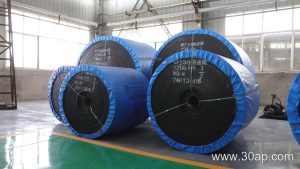
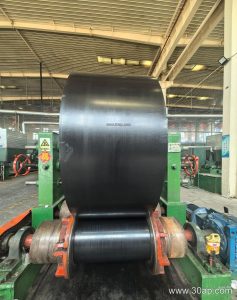
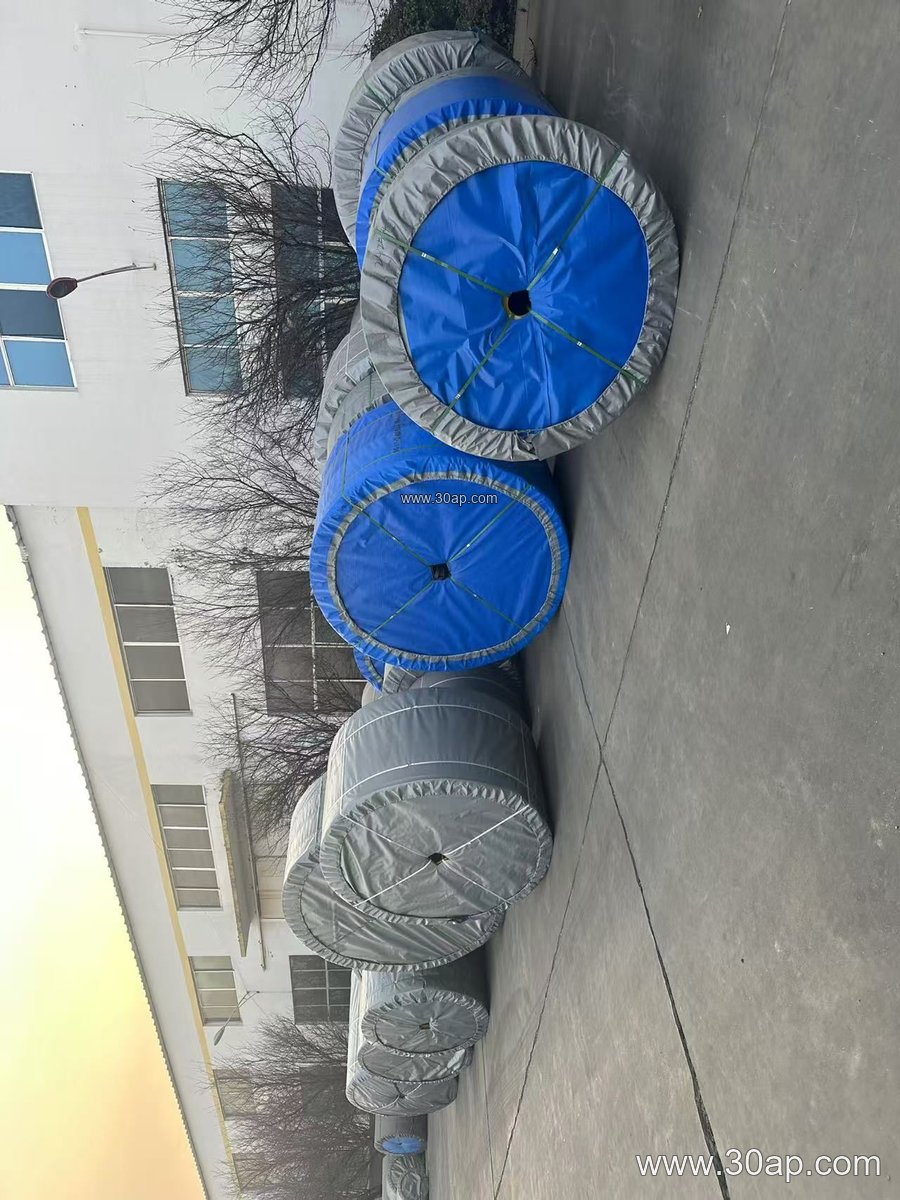
The EP1500 Conveyor Belt is a multi-ply fabric core belt built around polyester warp and polyamide weft fabric. The “1500” refers to the nominal tensile strength of the carcass, commonly expressed as 1500 N/mm. In practice, this places the belt in the upper middle range of EP constructions, well above everyday EP200 or EP400 duty but below the very heaviest steel cord designs. Buyers often search for it as an EP1500 rubber conveyor belt or an EP fabric core conveyor belt, and both names describe the same product.
Because the fabric layers share the load across several plies, the belt handles shock loading better than a comparable steel cord belt and tolerates a tighter transition. It also offers good troughability on long overland runs. You will find it described simply as a high strength conveyor belt or a heavy-duty conveyor belt, and it earns those labels in mines, cement works, power stations, and quarry plants where continuous tonnage matters.
Construction and Typical Specifications
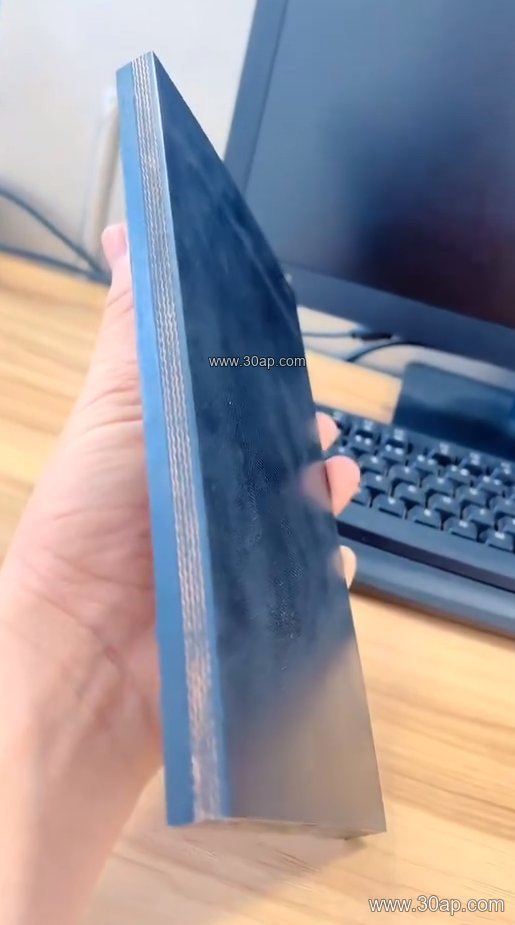
The carcass is normally built from 2 to 6 plies, depending on the duty and the splicing method chosen. Cover thickness is specified in two numbers, top cover plus bottom cover, and common combinations include 4+2 mm, 5+2 mm, 6+2 mm, and 8+3 mm. Wider belts running at high speed on abrasive rock usually take the thicker covers. Reference values below are typical industry ranges; actual figures should be confirmed against the design of each conveyor.
| Parameter | Common Range |
|---|---|
| Carcass type | EP (polyester/polyamide) fabric |
| Nominal strength | EP200 to EP2000; EP1500 is the mid-to-high grade |
| Number of plies | 2 to 6 |
| Belt width | B500, B650, B800, B1000, B1200, B1400, B1600, B1800, B2000 |
| Cover thickness | 3+1.5, 4+2, 5+2, 6+2, 8+3 mm |
An EP1500 belt is frequently supplied in 1200 mm, 1400 mm, or 1600 mm widths for main haulage lines, while 1000 mm and narrower sizes suit secondary conveyors. Do not assume a fixed relationship between belt width and pulley diameter or shaft size; those are set by the conveyor designer, not by the belt alone.
Where It Fits in the Plant
This grade appears in many bulk material conveyor belt duties. In a coal mining conveyor belt or an underground mining conveyor belt, flame retardant and anti-static versions are usually specified, so the buyer should ask for a flame retardant conveyor belt or fire resistant conveyor belt construction rather than the standard grade. In a quarry conveyor belt or aggregate conveyor belt, abrasion resistance dominates, and a high abrasion resistant conveyor belt cover extends service life on sharp crushed stone.
Cement plants use it on clinker and raw meal lines, where a heat resistant conveyor belt may be needed near the kiln discharge. Power plants move coal and ash on similar belts, and steel plants handle sinter and coke. Port conveyor belts and ship loading conveyors often use wide, thick covers for high tonnage. A crusher conveyor belt or rock conveyor belt benefits from impact resistant covers at the loading point.
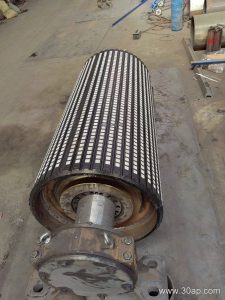
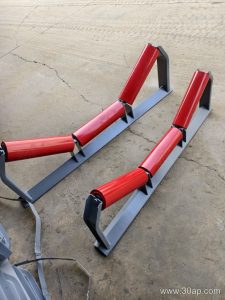
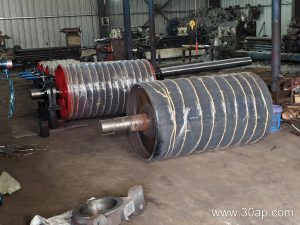
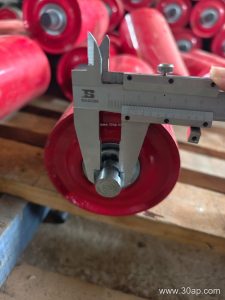
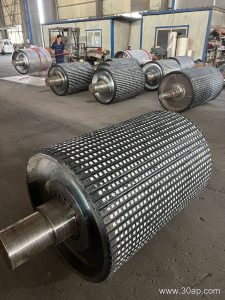
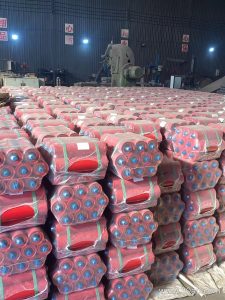
On the conveyor frame, the belt runs over idler rollers and turns around a conveyor pulley at each end, with a conveyor bracket holding the pulley assembly in place. Drive, tail, and bend pulleys each have their own role and are not interchangeable. For very dusty or enclosed routes, a pipe conveyor belt may be compared, but it is a different belt type rather than a substitute for the EP1500.
Selection and Comparison Notes
Compare EP1500 against alternatives only when the duty demands it. An NN conveyor belt uses nylon in both warp and weft and has different elongation behavior. A steel cord conveyor belt such as ST1600 or ST2000 carries more tension in a single plane and suits very long, high-tension routes. A PVG conveyor belt is a solid-woven PVC type often used underground. The EP1500 rubber conveyor belt sits between these families as a dependable, splice-friendly fabric belt.
- Match cover grade to the material: abrasive, oily, hot, or cold.
- Check the splice method and ply count with the belt supplier.
- Confirm pulley diameters and take-up travel with the conveyor designer.
- For food or clean duty, specify a food grade conveyor belt rather than a standard cover.
Buyer Checklist
Ask for the carcass strength, ply count, cover thickness, and width in writing. State the material, lump size, and operating temperature. Confirm whether the line needs a flame retardant or anti-static belt, and check that the idler roller spacing and conveyor pulley sizes suit the belt. For very wide or heavy orders, confirm that the requested width can be produced and spliced. Finally, keep spare belt and splicing materials on site, because a stopped main haulage belt is expensive in any mine, cement plant, or power station.