What a Carbon Steel Idler Does on a Conveyor
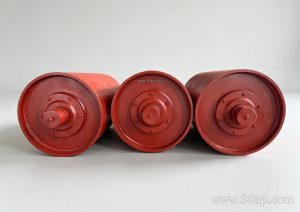
A carbon steel idler is the rotating roller that supports the conveyor belt and the material load along the carrying and return strands. In many plants the same component is simply called a steel idler roller, and the two names describe the same product: a roller body made from carbon steel tube, fitted with bearings and seals, mounted on a shaft and held in a conveyor bracket or frame. The roller does not drive the belt. Its job is to reduce friction, keep the belt in a stable trough shape, and protect the belt and the conveyor pulley from uneven loading.
Because the body is carbon steel rather than stainless or polymer, these rollers suit dry bulk duties in a quarry, a limestone mine, a coal preparation plant, or a power plant coal handling line where abrasion and load are the main concerns and corrosion is not extreme.
How the Roller Is Built
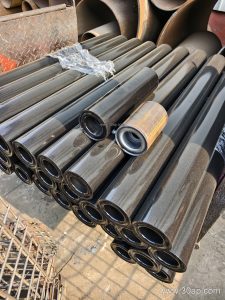
Construction is straightforward but the details matter. A carbon steel tube forms the shell, and the ends are fitted with bearing housings that carry the shaft. Seals sit between the housing and the shaft to keep out dust and water. The shell may be plain steel, or it may carry a rubber ring for impact absorption, a nylon sleeve for quieter running, or ceramic tiles for very abrasive service. Common bearing sizes include 6204, 6205, 6305, 6306, 6308 and 6310, but the bearing is chosen with the load and speed in mind rather than tied to one shell diameter.
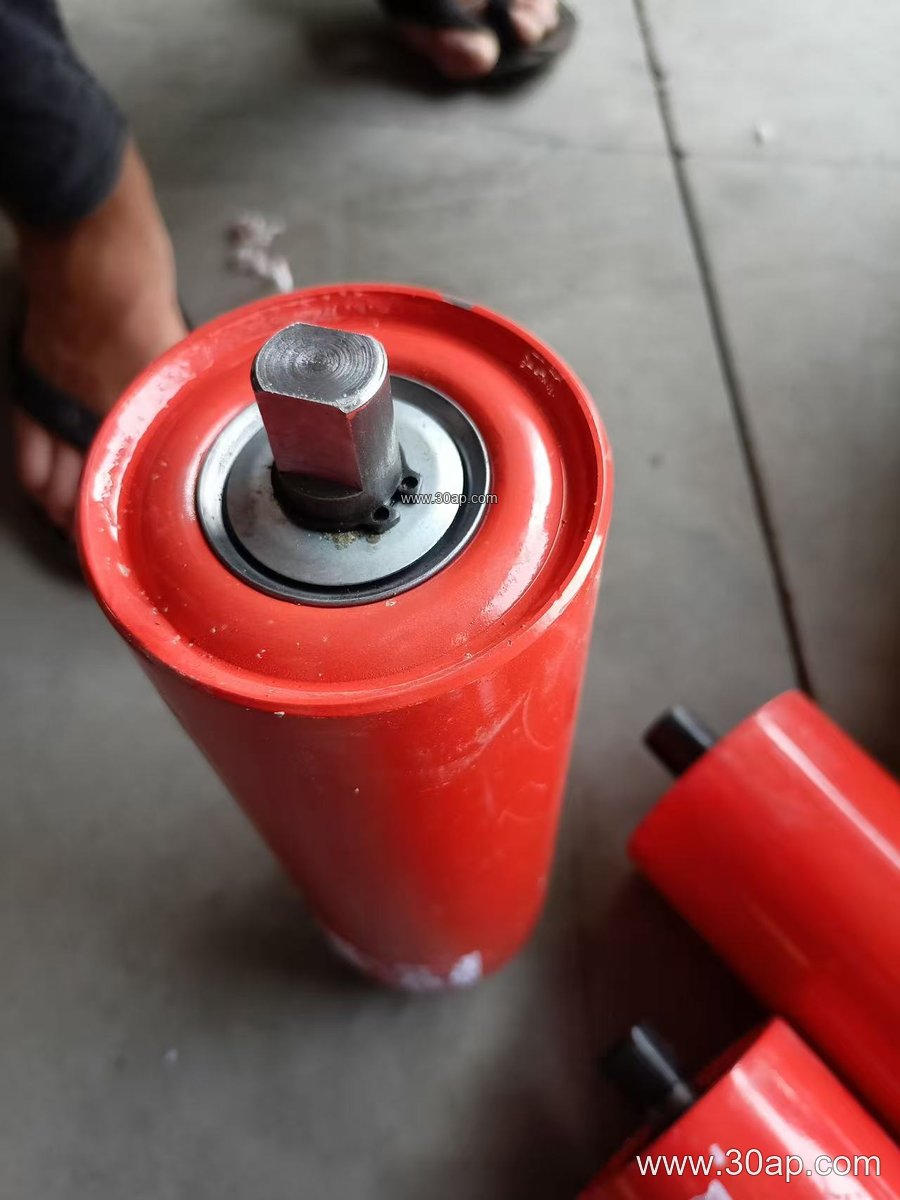
- Shell material: carbon steel tube, with optional rubber, nylon or ceramic surface
- Bearing housing: pressed or machined steel, sealed on both sides
- Shaft: carbon steel, sized by load and frame design
- Finish: painted or coated where dust and moisture are present
Where Carbon Steel Idlers Fit
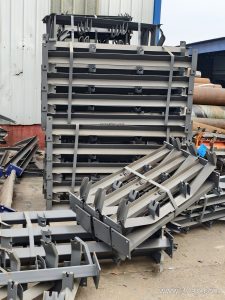
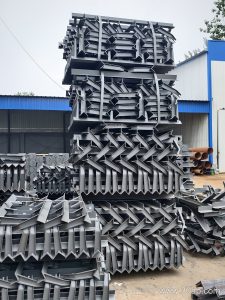
On a typical troughed conveyor, three-roll sets carry the belt on the load side and a single flat or V-return set supports the empty strand. A carbon steel idler is at home in all of these positions. In a stone crushing plant the carrying idlers take the weight of coarse aggregate, while impact idlers under the loading point absorb the drop of rock from the crusher. In a cement plant, the same roller type supports clinker and raw meal lines, and in a steel plant it handles sinter and coke.
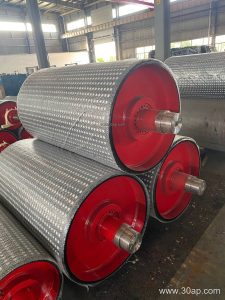
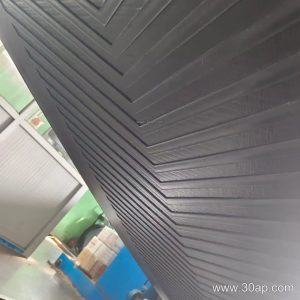
The conveyor belt itself also shapes the choice. A heavy-duty rubber conveyor belt or an abrasion resistant conveyor belt running at high tonnage needs a robust idler with good seal life. Where the belt is an EP conveyor belt or a multi-ply fabric core belt, the roller spacing and trough angle should follow the belt manufacturer’s guidance. The idler and the belt work as a pair, and the conveyor pulley at the head or tail only sets the belt path, not the roller duty.
Roller Diameter, Belt Width and Trough Angle
Buyers often ask which idler diameter matches which belt width. There is no single answer. Common roller diameters include 63, 76, 89, 102, 108, 127, 133, 159, 178, 194 and 219 mm, and belt widths range from B400 up to B2400. A wider belt usually needs a larger roller and a stronger frame, but the final choice depends on load, speed, belt tension and the trough angle. Trough angles of 20, 30, 35 and 45 degrees are common; a steeper angle gives a deeper material bed but raises the side load on the outer rollers.
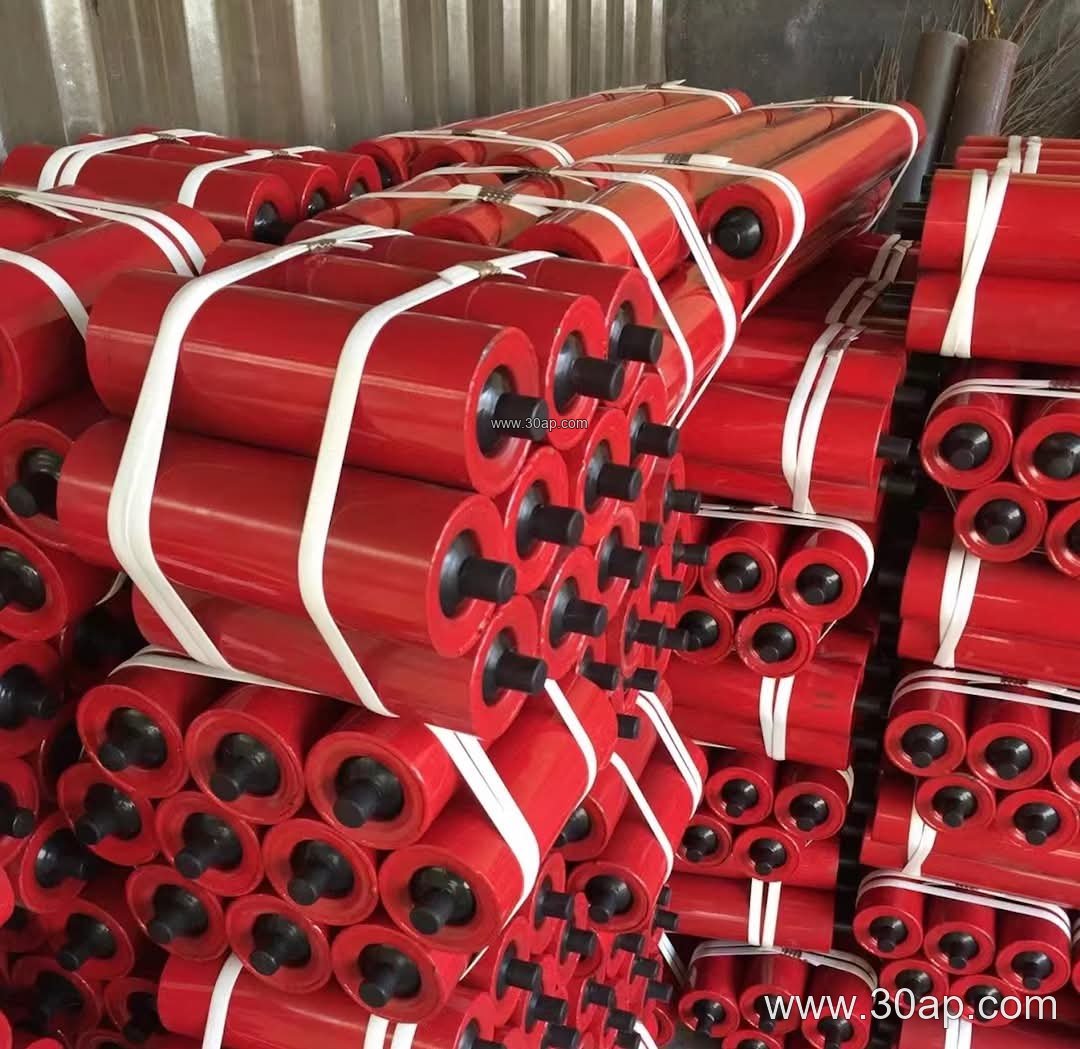
Roll length changes with belt width, trough angle and roll set form. For a three-roll trough set, typical roll lengths are roughly 200 mm at B500, 250 mm at B650, 315 mm at B800, 380 mm at B1000, 465 mm at B1200, 530 mm at B1400, 600 mm at B1600, 670 mm at B1800 and 750 mm at B2000. These are common examples, not fixed pairings, and the side rolls may differ from the centre roll.
What to Check Before Ordering
Start with the belt width and the trough angle, then confirm the roller diameter, shaft size and bearing series. Check the frame or conveyor bracket dimensions so the shaft ends fit the mounting slots. Ask about the seal design if the line is dusty or wet, and consider a rubber ring idler under a transfer chute where impact is heavy. For a coal mining conveyor belt or an underground mining belt, flame retardant and anti-static properties of the belt matter, but the idler still needs a durable steel shell and good sealing.
Finally, match the idler to the maintenance plan. Spare rollers stored near the line, a regular check for seized bearings and a look at belt tracking will extend service life. A well chosen carbon steel idler is a low-cost part that keeps a conveyor running, and it deserves the same attention as the belt and the conveyor pulley.