What the Anti-Misalignment Guide Idler Does
An Anti-Misalignment Guide Idler is a training idler installed on a belt conveyor to keep the conveyor belt centered on its path. When a belt starts to wander, the guide idler applies a gentle correcting force that steers it back toward the middle of the frame. This is especially valuable in long horizontal runs, inclined sections, and transfer points where material loading is uneven. In a quarry, a coal preparation plant, or a power plant coal yard, a small tracking error can grow into edge damage, spillage, and premature wear. The guide idler addresses that problem before it becomes expensive.
The same product is also called a self-aligning idler or training idler in many workshops. Those names describe the same function: automatic belt centering. It is not a drive pulley, not a tail pulley, and not a bend pulley. Those components transmit power or change belt direction, while the guide idler only corrects lateral position.
Construction and Working Principle
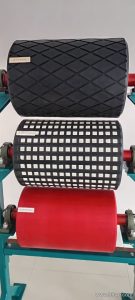
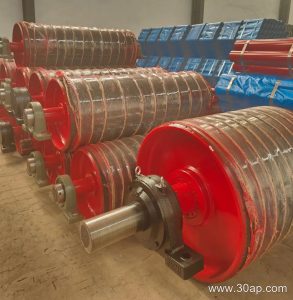
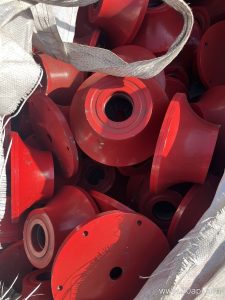
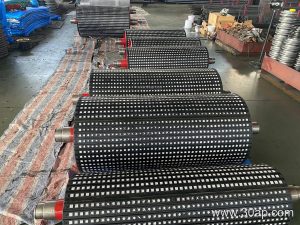
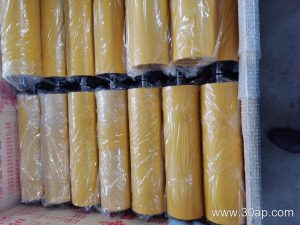
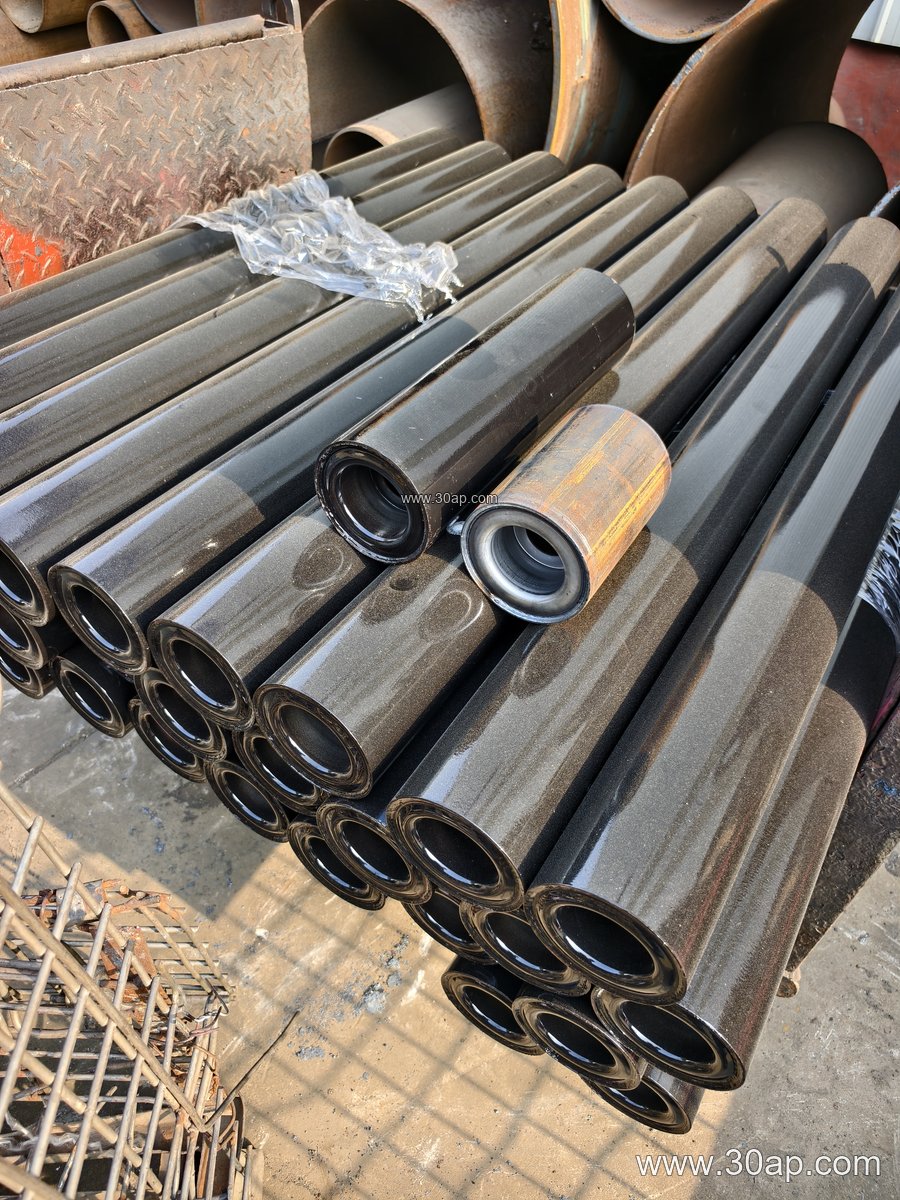
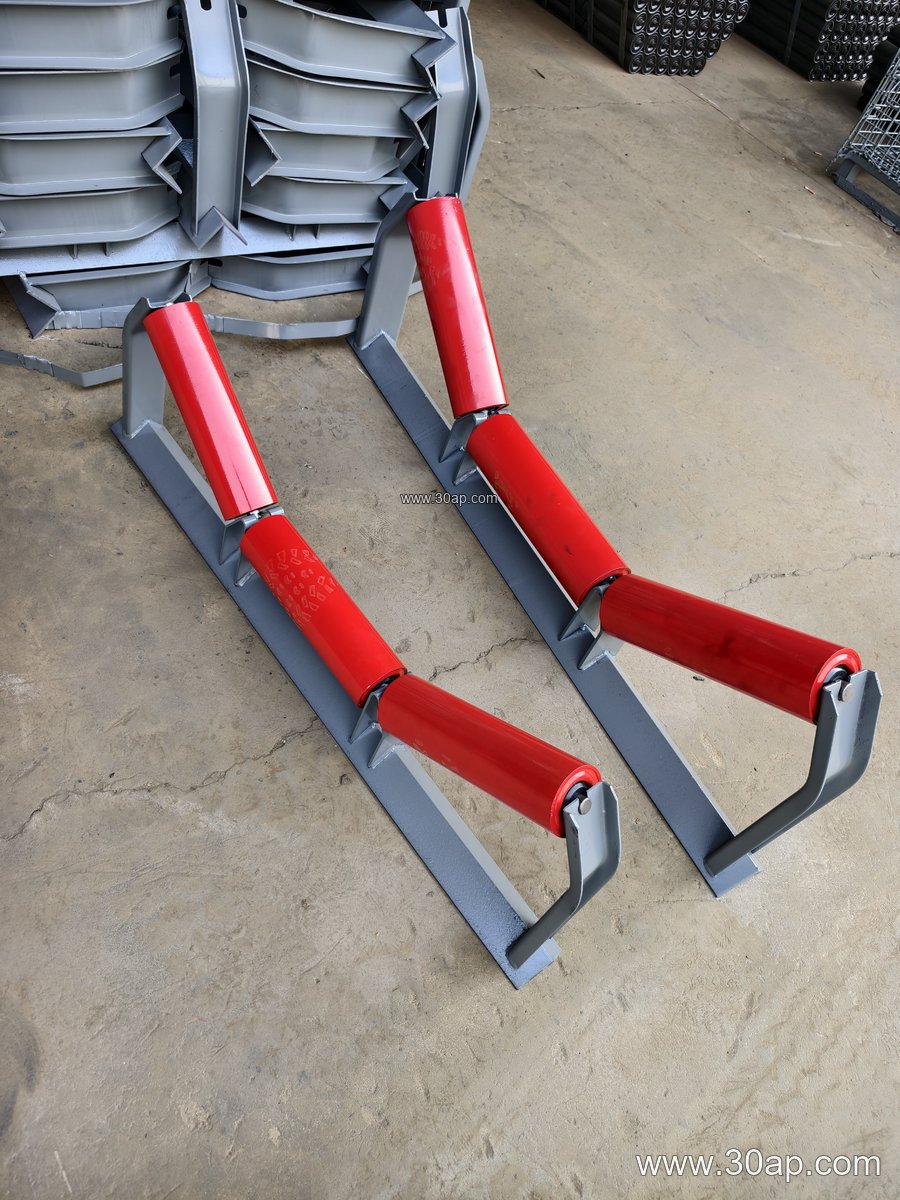
A typical unit uses a pair of rollers mounted on a rotating frame or a pivoted bracket. The frame turns slightly when the belt contacts one side, and the resulting angle pushes the belt back to center. Rollers commonly use steel tube shells, and some designs fit rubber rings or ceramic covers for grip and wear resistance. Bearing selection follows the load and speed of the conveyor, with common sizes such as 6204, 6205, 6305, 6306, and 6308 appearing across different roller diameters.
The roller diameter is matched to the belt width and the frame design, not chosen in isolation. Common diameters include Ø89, Ø108, Ø127, Ø133, and Ø159 mm. A 650mm conveyor belt may use a smaller roller than a 1200mm or 1400mm belt, but the final choice depends on the idler group, belt speed, and load. Surface form matters too: rubber-covered rollers improve friction on wet or dusty belts, while plain steel suits cleaner duty. The guide idler is usually installed on the carrying side, often just before a critical transfer point, and sometimes on the return side where tracking is poor.
Where It Fits in the Conveyor Line
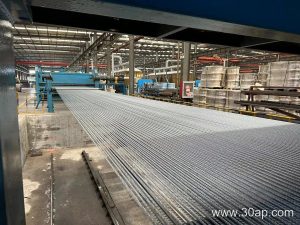
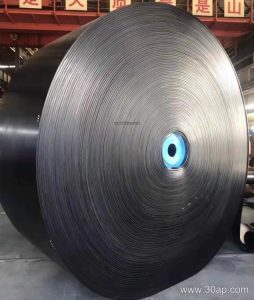
Tracking problems rarely appear alone. They often follow off-center loading, a misaligned frame, or a seized ordinary idler roller. A guide idler helps most when the structure is basically sound. In an aggregate plant, it may sit after a crusher discharge where stone falls unevenly. In a cement plant, it can protect a long clinker belt from edge rubbing. In a port ship loading line, it keeps a wide belt steady before the tripper. A steel cord conveyor belt or a heavy-duty mining conveyor belt carrying iron ore benefits from stable tracking because edge damage on a high-tension belt is costly to repair.
It is also useful alongside a chevron conveyor belt or a corrugated sidewall conveyor belt, where raised profiles can make centering more sensitive. For a pipe conveyor belt, tracking is handled differently because the belt is formed into a tube, so the guide idler is not a substitute for proper pipe alignment. The same logic applies to a skirted conveyor belt: the skirt rubber and the guide idler must work together, not against each other.
Selection Points for Buyers
Buyers should share the belt width, belt type, trough angle, and the location of the problem. A three-roll troughing set at 35 degrees behaves differently from a flat return run. If the belt is a multi-ply fabric core conveyor belt, an EP conveyor belt, or an NN conveyor belt, the tension and stiffness affect how quickly the belt responds to correction. Heavier belts such as an ST2000 or ST2500 steel cord conveyor belt need a robust frame and bearing arrangement.
| Parameter | Common Reference |
|---|---|
| Roller diameter | Ø89, Ø108, Ø127, Ø133, Ø159 mm |
| Belt width | B500, B650, B800, B1000, B1200, B1400, B1600 |
| Trough angle | 20°, 30°, 35°, 45° |
| Roller surface | Steel tube, rubber ring, ceramic |
| Bearing | 6204, 6205, 6305, 6306, 6308 |
These values are common references, not fixed combinations. A 1000mm or 1200mm belt can use different roller lengths depending on the idler group, and a 1500mm wide conveyor belt does not automatically dictate one shaft size. Ask the supplier to confirm dimensions against the actual conveyor drawing.
Installation and Maintenance Notes
Mount the guide idler square to the belt centerline and check that the frame pivots freely. A stiff pivot defeats the purpose. Keep the roller surface clean; material build-up on one side can cause the idler to steer the belt incorrectly. Inspect bearings for noise and play during routine shutdowns, and replace worn rubber rings before they affect tracking. On a coal mining conveyor belt or an underground mining conveyor belt, also check for flame retardant conveyor belt compatibility with nearby equipment and keep the area free of spillage.
For more conveyor components, including the conveyor pulley, idler roller, and conveyor bracket that support the belt line, match every part to the same duty class. A correctly placed anti-misalignment guide idler reduces edge wear, extends belt life, and keeps material moving through the plant without constant manual adjustment.