What a Vertical Idler Bracket Does
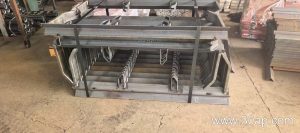
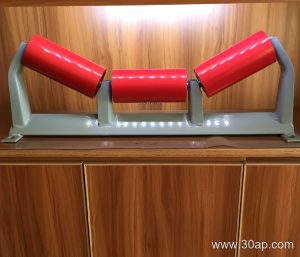
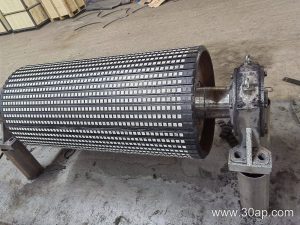
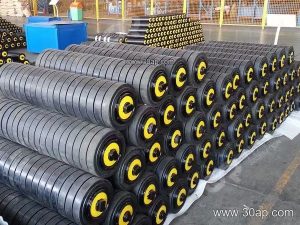
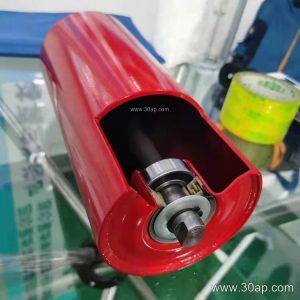
A vertical idler bracket is a specialized support component that holds idler rollers in a vertical orientation along a conveyor system. Unlike conventional troughing or return brackets that position rollers at an angle or horizontally, this bracket mounts the idler roller upright, typically at the edges of the belt or in transition zones where belt guidance and edge control are critical. In quarry and aggregate conveyor lines, these brackets help maintain belt alignment and reduce spillage at load points. The bracket works together with the conveyor belt and conveyor pulley to keep the material stream centered and stable.
Construction and Mounting
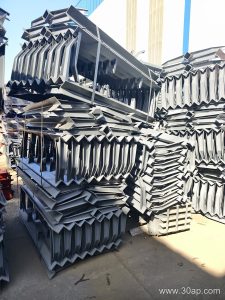
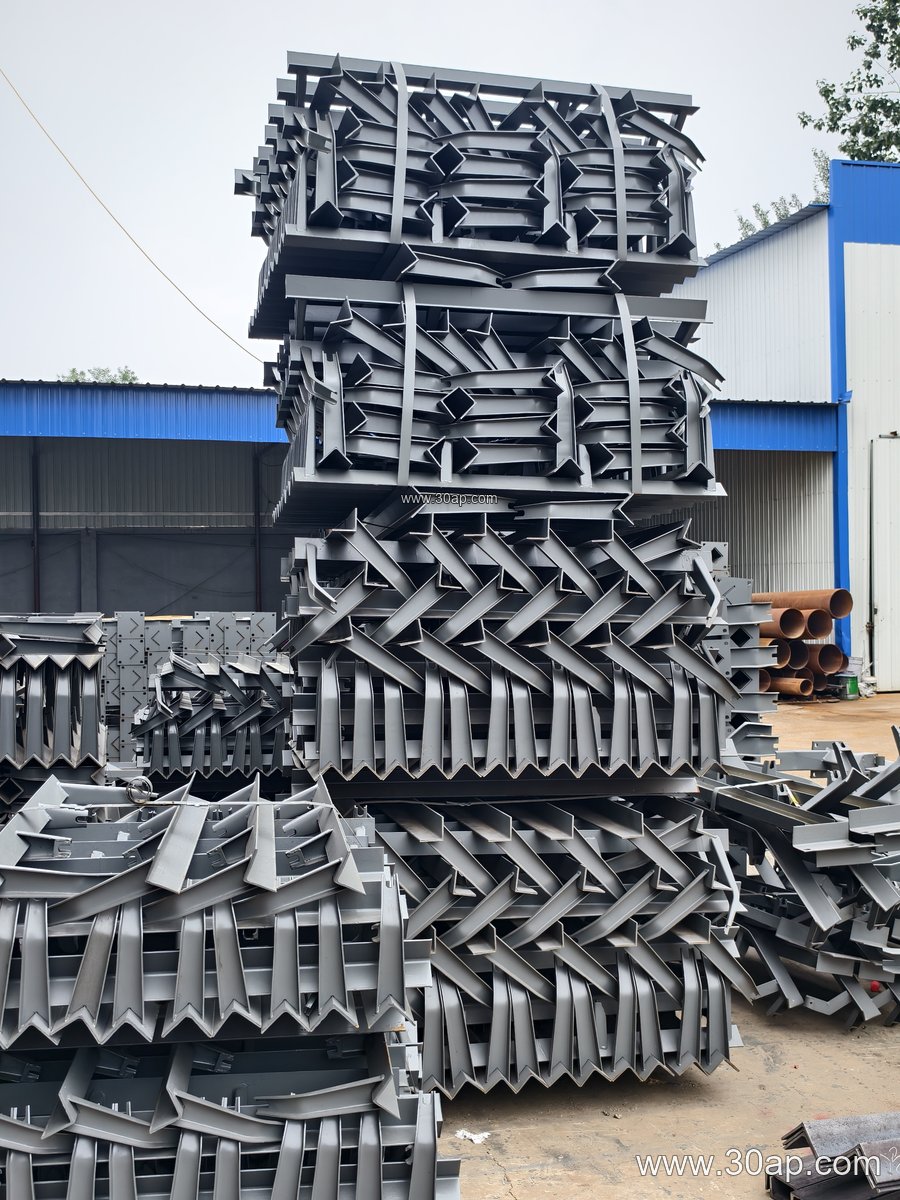
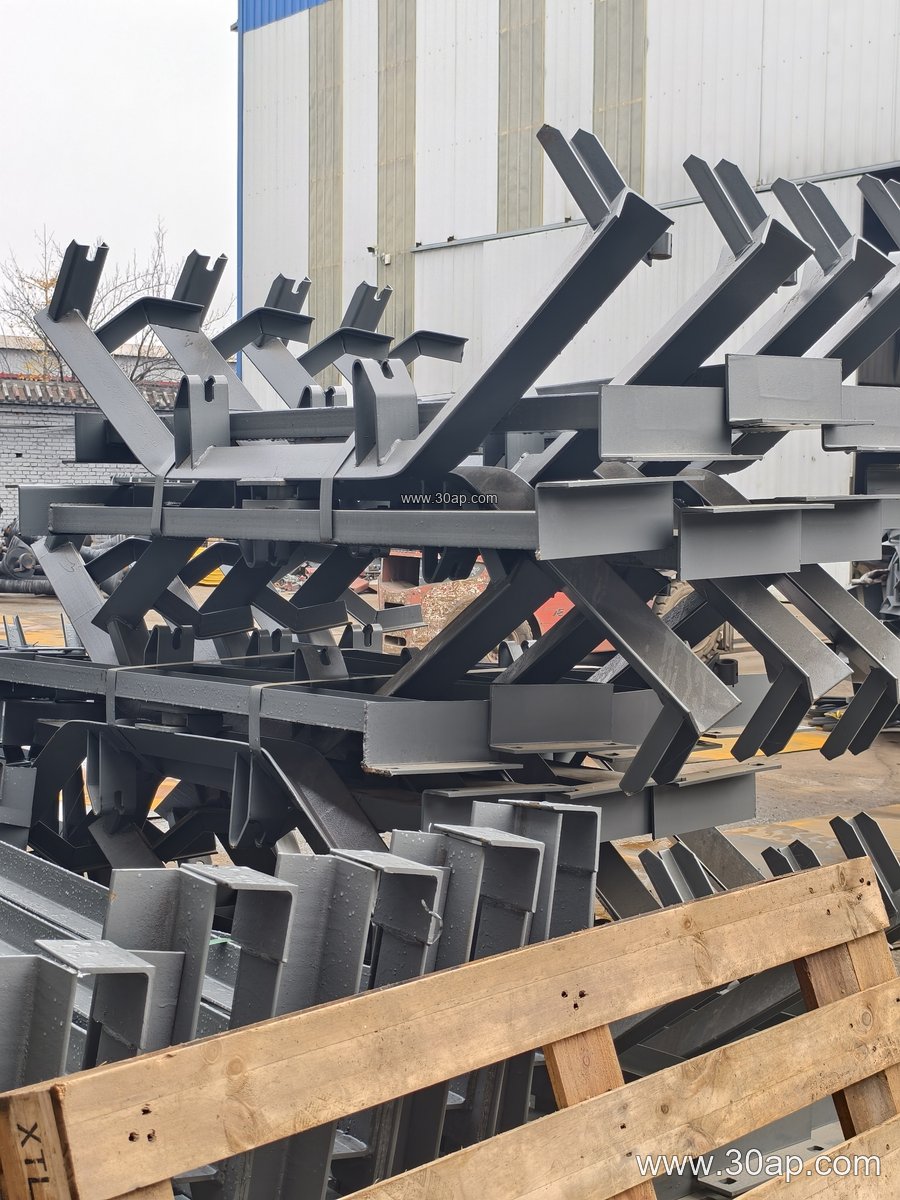
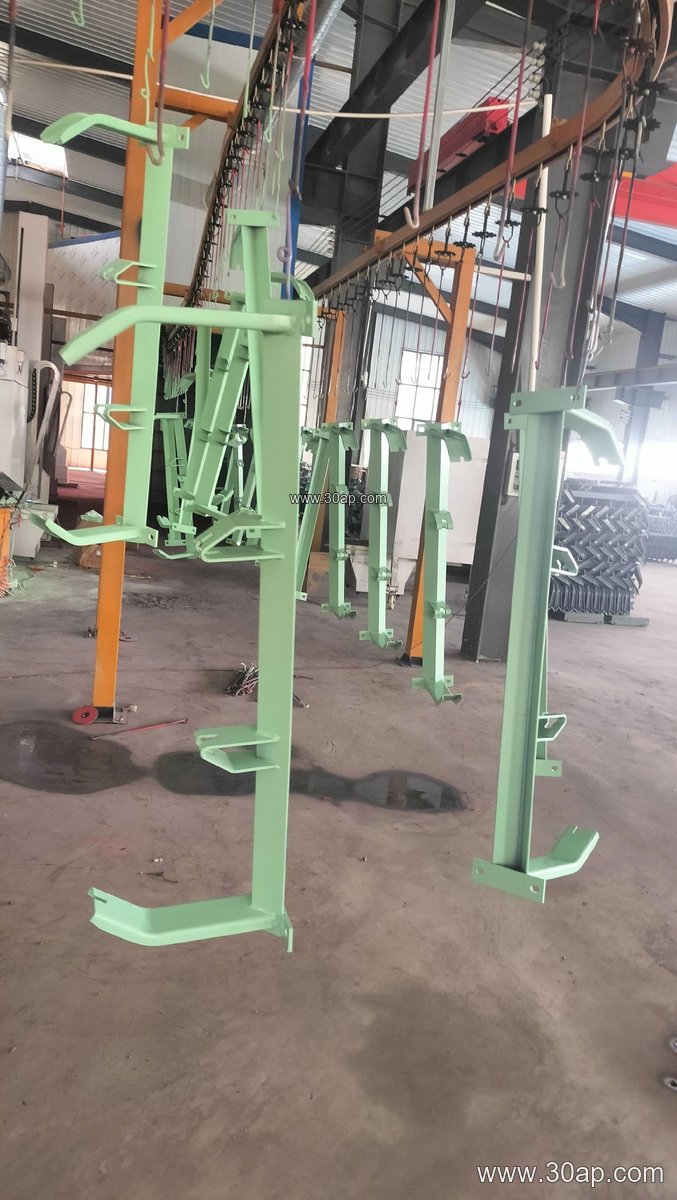
Vertical idler brackets are usually fabricated from angle steel, channel steel, or bent steel plate. The design must resist vibration and impact without bending, especially in primary crushing circuits where rock conveyor belts deliver heavy, irregular lumps. Mounting holes and beam lengths are determined by belt width, trough angle, and the specific conveyor frame design—there is no single fixed dimension that applies to every installation.
The bracket is often bolted or welded to the conveyor frame stringer. In some configurations, a vertical bracket may be adjustable to accommodate different belt widths or to fine-tune roller contact. For example, a bracket set up for B800 belt width with a 35-degree trough angle and Ø108 idler roller will have different hole spacing than one intended for B1200, 45-degree, Ø133. Buyers should confirm frame hole patterns and beam dimensions rather than assuming interchangeability.
Where It Fits in the Conveyor System
Vertical idler brackets are common in mining and bulk material handling operations such as coal preparation plants, cement plants, and iron ore terminals. They are frequently used near transfer points, at the head or tail of a conveyor, and in curves where belt edge pressure increases. In a coal mining conveyor belt system, for instance, vertical brackets can support edge idlers that prevent the belt from wandering under variable load. Similarly, in a power plant conveyor handling coal, these brackets help maintain belt tracking through long horizontal runs and inclines.
They are not a substitute for troughing brackets, impact brackets, or self-aligning brackets. Each bracket type serves a distinct role: troughing brackets shape the belt into a trough, impact brackets absorb loading shock, and vertical brackets orient idlers upright for edge or transition support. Mixing them up can lead to poor belt training and premature wear.
Selection and Compatibility
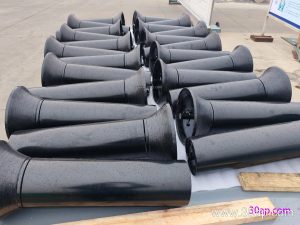
When selecting a vertical idler bracket, consider the conveyor belt width, idler roller diameter, and the bracket material. Common belt widths in the reference range include B500, B650, B800, B1000, B1200, B1400, B1600, B1800, B2000, B2200, and B2400. Roller diameters typically run from Ø89 to Ø194. However, no single belt width is tied to one roller diameter or one trough angle—the combination depends on the conveyor design, belt speed, and material characteristics.
Below is a reference table of representative bracket configurations. These are examples, not universal specifications or supply promises.
| Belt Width | Trough Angle | Idler Diameter | Typical Bracket Material |
|---|---|---|---|
| B650 | 30° | Ø89 | Angle steel |
| B800 | 35° | Ø108 | Channel steel |
| B1000 | 35° | Ø133 | Bent steel plate |
| B1200 | 45° | Ø133 | Channel steel |
| B1400 | 45° | Ø159 | Bent steel plate |
| B1600 | 45° | Ø159 | Channel steel |
| B1800 | 45° | Ø194 | Bent steel plate |
For heavy-duty mining conveyor belts such as steel cord conveyor belt or high abrasion resistant conveyor belt, brackets should be sized to handle the added tension and weight. In cement plants and lime kiln feed lines, heat resistant conveyor belt may be used, and the bracket material should be checked for thermal expansion if the bracket is near hot material. In food or fertilizer handling, a food grade conveyor belt might be paired with stainless or coated brackets, though that is a separate consideration from the standard carbon steel design.
Installation and Maintenance Notes
Proper alignment is crucial. A vertical bracket that is out of square can cause the idler roller to sit unevenly, leading to belt edge damage. During installation, check that the bracket is perpendicular to the belt centerline and that all fasteners are torqued to the conveyor manufacturer’s recommendation. In dusty environments such as a quarry or coal yard, keep the bracket and roller mounting surfaces clean to avoid build-up that could tilt the roller.
Inspect brackets periodically for cracks, corrosion, or elongation of bolt holes. A bent vertical bracket should be replaced rather than straightened, as bending can fatigue the steel. When replacing an idler roller, confirm that the replacement roller diameter matches the bracket’s mounting height—a Ø108 roller in a bracket designed for Ø89 may not fit correctly.
Buyer Checklist
- Confirm conveyor belt width and idler roller diameter.
- Verify mounting hole pattern and beam length against the existing conveyor frame.
- Specify material (angle steel, channel steel, or bent plate) based on environment and load.
- Check compatibility with the conveyor pulley and belt training scheme.
- Ask for dimensional drawings rather than relying on nominal sizes alone.
Whether the application is a copper ore conveyor, a sand making plant, or a port ship loading line, the vertical idler bracket plays a quiet but essential role in keeping the belt on track. Matching the bracket to the belt, roller, and frame is the key to reliable performance.