What a 650mm Conveyor Belt Is
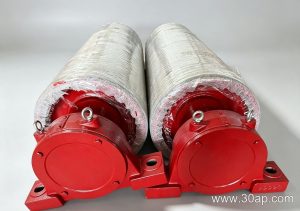
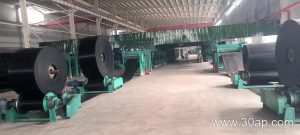
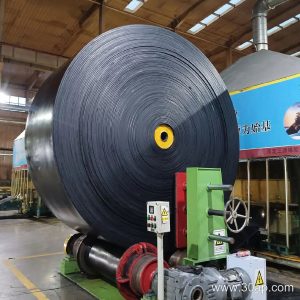
A 650mm conveyor belt is a belt with a nominal width of 650 millimeters, typically written as B650 in specifications and drawings. It sits in the middle of the common light-to-medium duty range, wider than portable yard belts yet narrow enough to fit compact frames in crushing circuits, cement plants, power stations, and sand and gravel yards. The belt is the load-carrying surface of a belt conveyor; it rides on idler rollers on the carrying side and returns over return rollers, wraps the drive pulley and tail pulley, and is kept aligned by bend pulleys and conveyor brackets along the structure.
Because the belt width is fixed, the practical capacity depends on belt speed, trough angle, material bulk density, and lump size. A 650mm belt is often chosen where a 500mm belt is too tight for the lump size or required tonnage, but a 800mm or 1000mm belt would add unnecessary frame weight and cost.
Construction and Common Specifications
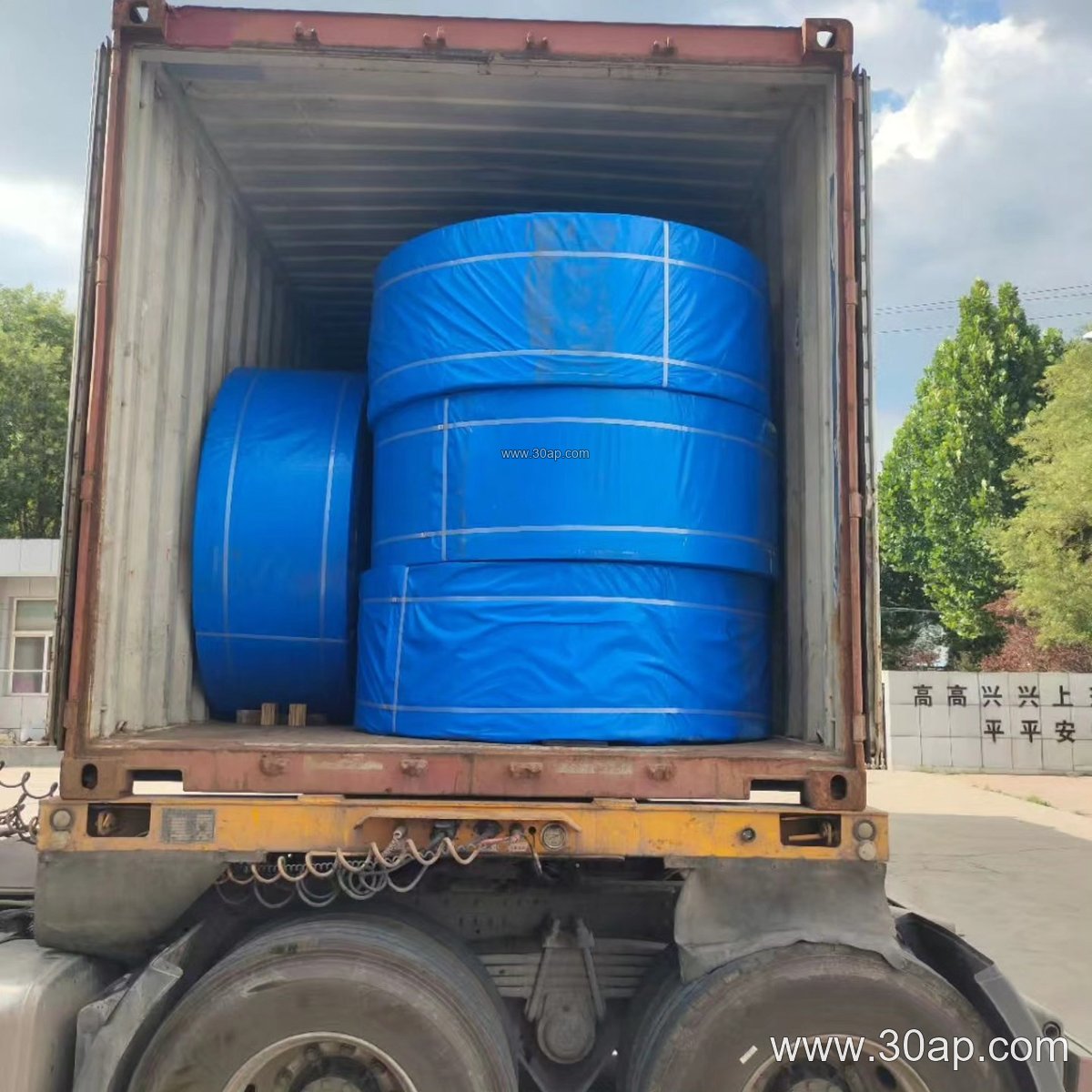
The belt body is a composite: a fabric or steel carcass carries tension, and rubber or PVC covers protect it from abrasion, impact, and moisture. For a 650mm belt, carcass types such as EP (polyester-cotton) and NN (nylon-nylon) are common, with steel cord constructions used where higher strength is needed over long centers. Cover grades follow the duty: abrasion-resistant for sand and gravel, heat-resistant for cement clinker and sinter, oil-resistant for workshops, and flame-retardant or antistatic grades for coal mines and enclosed plants.
Typical reference values for this width are shown below. These are common industry ranges, not fixed rules, and actual values are confirmed by the belt manufacturer and the conveyor design.
| Parameter | Common reference values |
|---|---|
| Belt width | B650 (650 mm) |
| Carcass type | EP, NN, steel cord |
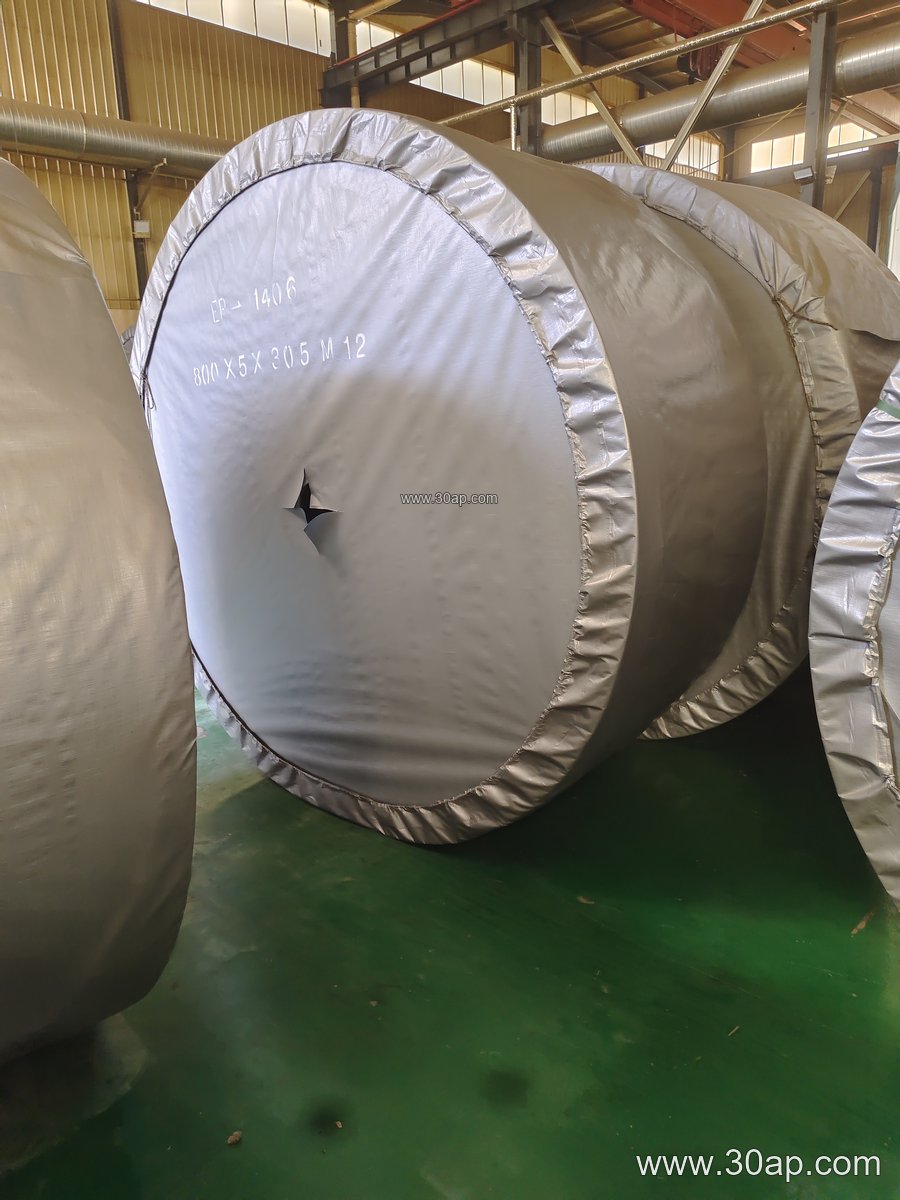
| Strength grades | EP200, EP315, EP400, EP500, EP630, EP800 |
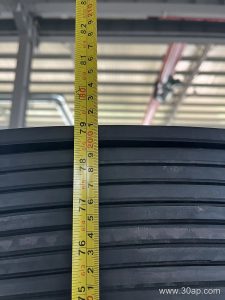
| Cover thickness | 3+1.5, 4+2, 5+2, 6+2 mm |
| Fabric plies | 2 to 6 layers, depending on duty |
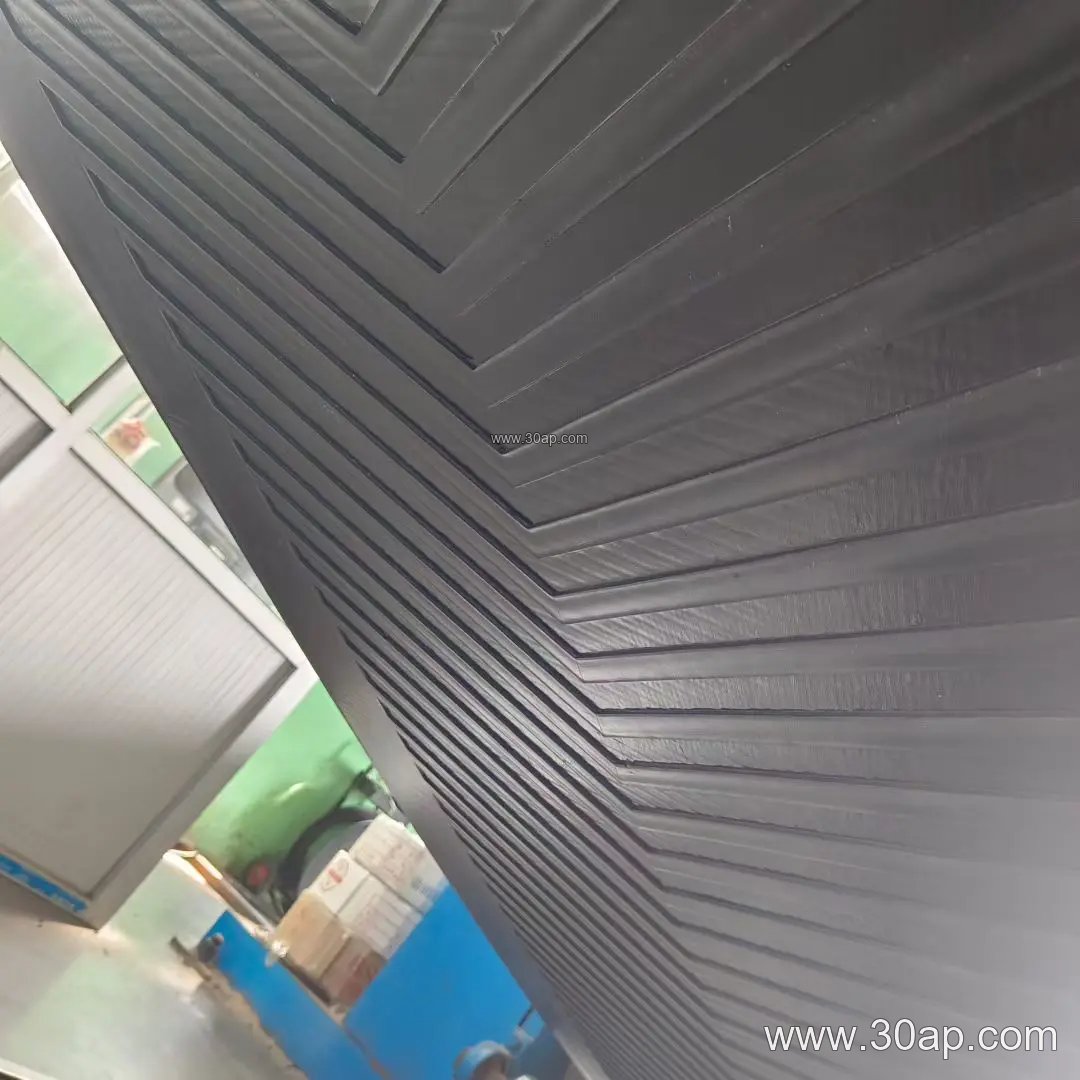
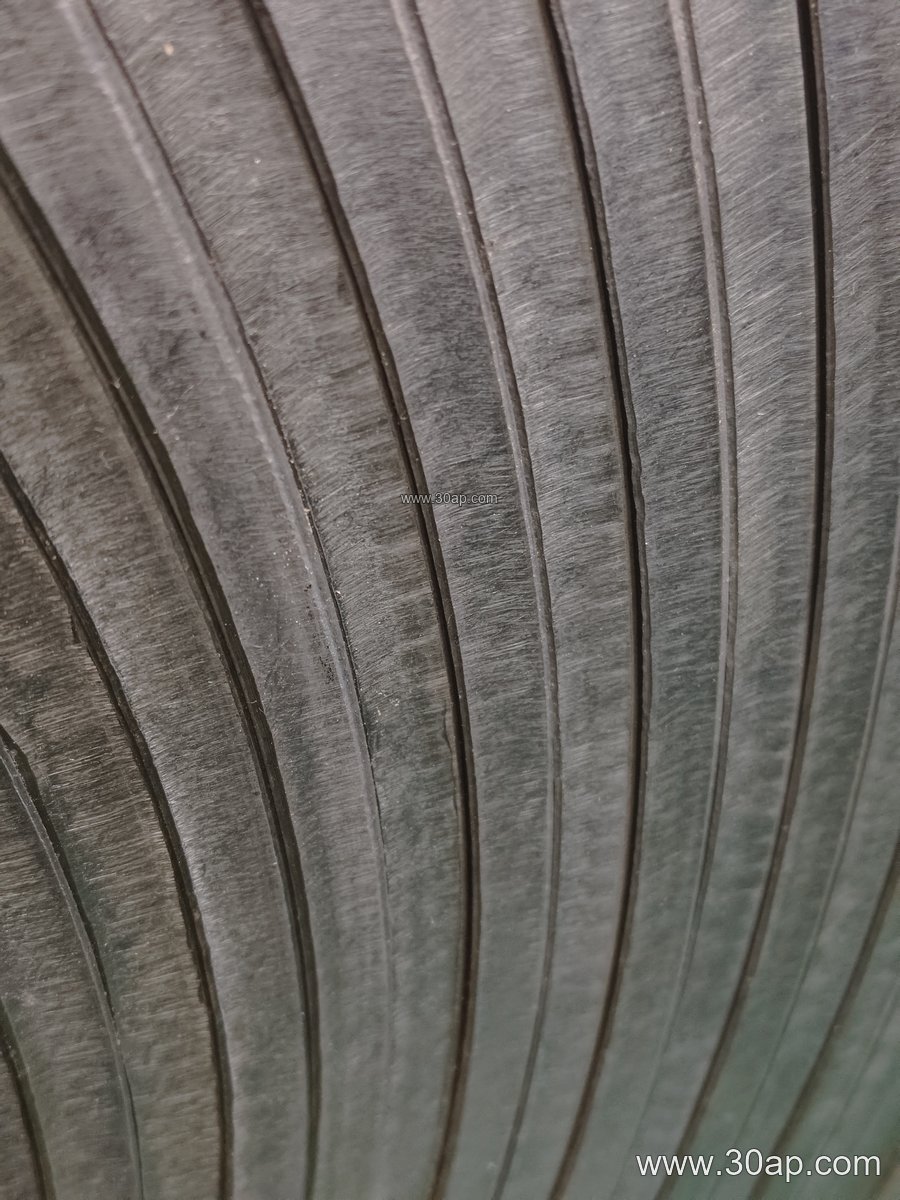
| Surface forms | smooth, patterned, chevron, cleated |
The cover thickness is usually written as top plus bottom, for example 4+2 mm. Patterned and chevron belts are used on inclines where material would otherwise slide back; smooth belts suit flat or gently inclined runs.
Where the 650mm Width Fits
In a sand and gravel plant, a 650mm belt often feeds screens and stockpiles, where moderate tonnage and moderate lump size dominate. In a cement plant it can move limestone, clinker, or additives on short and medium conveying lines. Coal mines and power stations use flame-retardant grades on this width for yard and transfer conveyors. Small crushing stations and recycling lines also favor it because the frame stays compact and the belt is easier to handle during replacement.
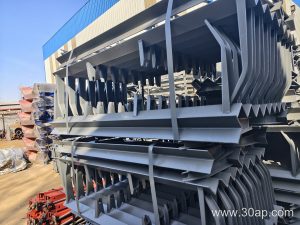
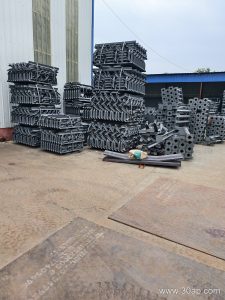
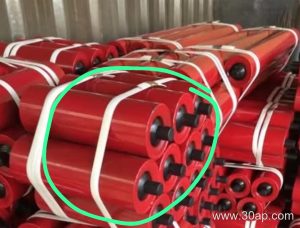
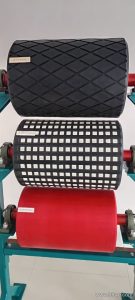
The belt does not work alone. Idler rollers support the load and set the trough shape; the drive pulley transmits power; the tail pulley sets the return point; bend pulleys route the belt around curves and tensioning stations; and conveyor brackets hold the rollers and pulleys in line. A mismatch in any of these parts shows up as edge wear, mistracking, or spillage on a 650mm belt just as on wider belts.
Selection Points for Buyers
- Material and lump size. Check the largest lump against the belt width; oversized lumps can damage covers and edges.
- Strength and safety factor. Choose the carcass grade from the calculated tension, with a suitable design factor for shock loading and starting torque.
- Cover grade. Match the cover to abrasion, heat, oil, or fire risk; a general-purpose cover is a poor fit for hot clinker or oily scrap.
- Surface form. Use patterned or chevron belts only where the incline justifies them, and confirm the pulley and idler arrangement suits the pattern.
- Joint type. Vulcanized splices are common for permanent installs; mechanical fasteners suit temporary or quickly serviced lines.
- Pulley and roller compatibility. Belt width does not by itself define pulley diameter or shaft size; those follow the conveyor design and belt tension.
Installation and Maintenance Notes
Track alignment starts with square frames and correctly set idler rollers and pulleys. Keep the belt tension within the design range: too loose causes slip at the drive pulley, too tight loads the carcass and bearings. Inspect edges for fraying, covers for cuts and embedded material, and splices for separation. Clean spillage from return rollers and bend pulleys so buildup does not push the belt off line. Store spare 650mm belts flat and dry, away from direct sunlight and ozone sources.
For a replacement, record the existing belt’s width, strength grade, cover thickness, and splice type, then confirm them against the conveyor drawing. That record makes the next order straightforward and keeps the 650mm conveyor belt matched to the duty it was designed for.