What a Conveyor Equipment Pulley Does
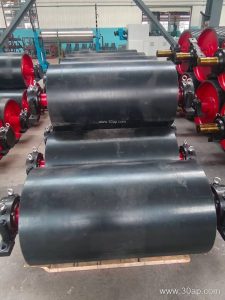
A conveyor equipment pulley is the cylindrical rotating component that supports and drives the conveyor belt in a belt conveyor system. Often simply called a conveyor pulley, it transfers motion from the drive unit to the belt and maintains proper belt tension and alignment. In a quarry or a coal mining operation, these pulleys are critical for keeping material flowing efficiently. The keyword naturally appears here because the pulley is the core equipment item, and its accurate equivalent name, conveyor pulley, is used interchangeably while preserving the specific role.
Construction and Key Components
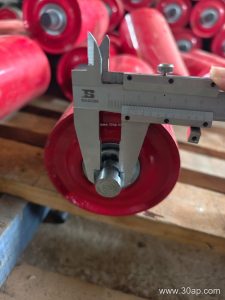
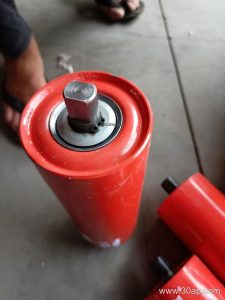
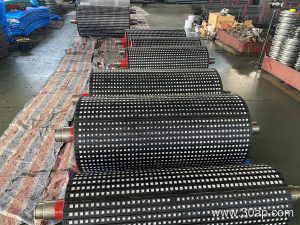
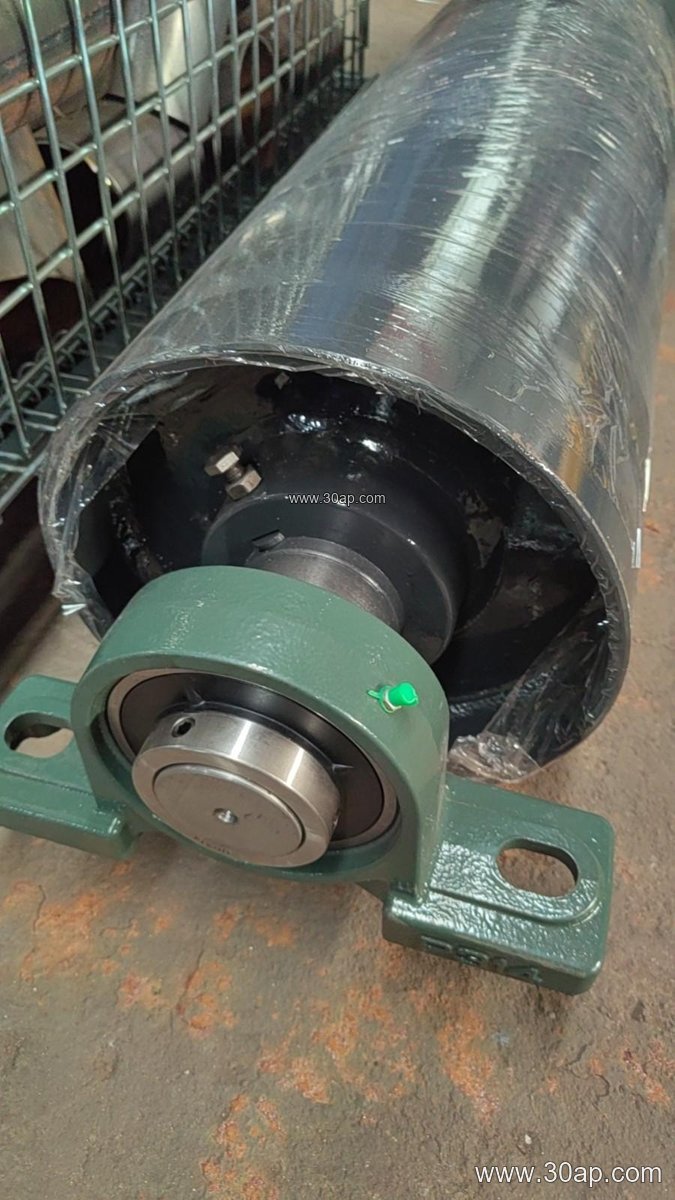
The typical conveyor pulley consists of a cylindrical shell, shaft, bearing housings, and end discs. The shell is often made from steel pipe or plate, with the shaft sized according to torque and load requirements. Surface lagging is applied to improve grip, reduce slip, and protect the shell. Common lagging types include plain, cast rubber, cold-bonded rubber, hot-vulcanized rubber, diamond pattern, herringbone, and ceramic lagging. Lagging thickness commonly ranges from 8 mm to 20 mm. For example, a heavy-duty mining conveyor belt system may use a pulley with 12 mm diamond lagging to handle abrasive ore. The pulley face width usually exceeds the belt width by about 100 to 200 mm per side; for instance, a B800 belt might pair with a 950 mm face width, but this is a design choice, not a fixed rule. Shaft diameters commonly range from Ø50 to Ø200 mm, determined by torque and load rather than belt width alone.
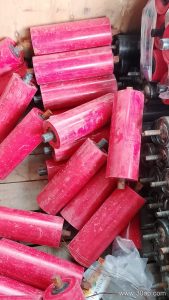
In industries such as cement plants or power plant coal handling, pulleys must resist dust and wear. The conveyor bracket and idler roller work alongside the pulley to support the belt, but the pulley remains the primary power transmission element. Our site at www.example.com/conveyor-pulley offers more information on matching pulleys to specific belt types.
Main Types and Their Roles
Drive pulleys, also called head pulleys, are located at the discharge end and are connected to the motor. Tail pulleys are at the loading end and often serve as tensioning points. Bend pulleys change the belt direction, while take-up pulleys maintain tension. These subtypes are not interchangeable; a drive pulley cannot simply replace a tail pulley without redesigning the system. For comparison, idler rollers support the belt along its carrying run, but they do not drive it. A conveyor equipment pulley must be selected for its specific position.
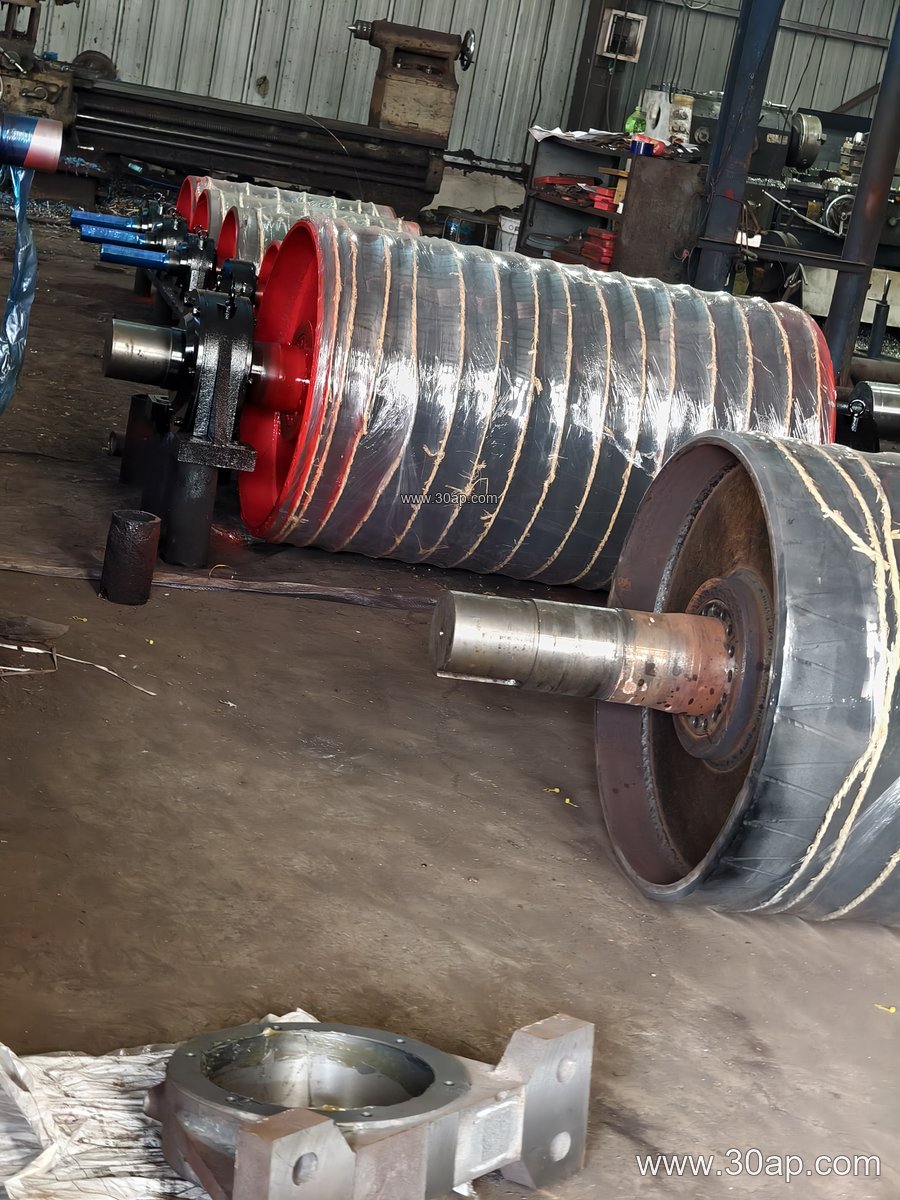
Common configurations include B1200 × Ø1000 for a drive pulley in an aggregate conveyor belt line, or B800 × Ø500 for a tail pulley in a smaller stone crushing plant. Other examples like B1400 × Ø800 appear in cement plant clinker transport. These are reference combinations, not universal specifications.
Applications Across Industries
Conveyor pulleys are used wherever bulk materials move on a belt. In coal mining conveyor belt systems, flame retardant and anti-static properties are often required. In a copper ore or iron ore operation, abrasion resistant conveyor belt and heavy-duty pulleys with ceramic lagging help extend service life. Port bulk terminals use large pulleys for ship loading conveyor belt lines, while recycling conveyor belt systems demand pulleys that handle irregular loads. The same principle applies in a limestone quarry or a fertilizer plant: the pulley must match the belt width, speed, and load. Our domain www.example.com/conveyor-pulley has further details on selecting pulleys for different belt types such as EP conveyor belt or steel cord conveyor belt.
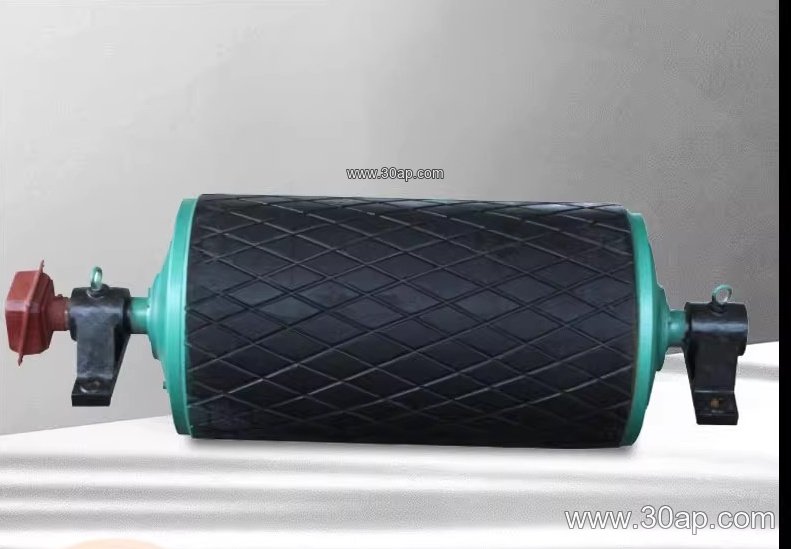
For high-temperature environments like cement kiln discharge, heat resistant conveyor belt pairs with pulleys that may need heat-resistant lagging. In cold climates, cold resistant conveyor belt and appropriately specified pulleys prevent brittleness issues.
What Buyers Should Consider
When specifying a conveyor equipment pulley, consider the belt width, belt type (e.g., multi-ply fabric core or steel cord), operating tension, and environmental conditions. The pulley diameter should be large enough to avoid excessive belt bending stress, but there is no single diameter for a given belt width. For example, a B1000 belt might use a Ø630 pulley in one system and a Ø800 in another, depending on belt construction and load. Shaft diameter is determined by torque and radial load; do not assume a fixed shaft size from belt width. Lagging selection depends on grip requirements and material abrasiveness. In a sand making plant or a tunnel boring operation, pulley maintenance access and bearing protection are also important. Always request a dimensional drawing and verify face width, shaft size, and lagging type against your conveyor design. For more guidance, visit www.example.com/conveyor-pulley.
Maintenance and Long-Term Reliability
Regular inspection of lagging wear, bearing condition, and shaft alignment helps prevent unplanned downtime. In a coal mining conveyor belt system, checking for material buildup on the pulley surface is essential. A worn pulley can cause belt misalignment and damage to the conveyor belt. Keeping spare pulleys or lagging sheets on hand for critical drives in a power plant or steel plant can reduce outage time. Remember that drive, tail, and bend pulleys serve different functions and should be maintained according to their duty.