The Trade-Off That Drives the Selection
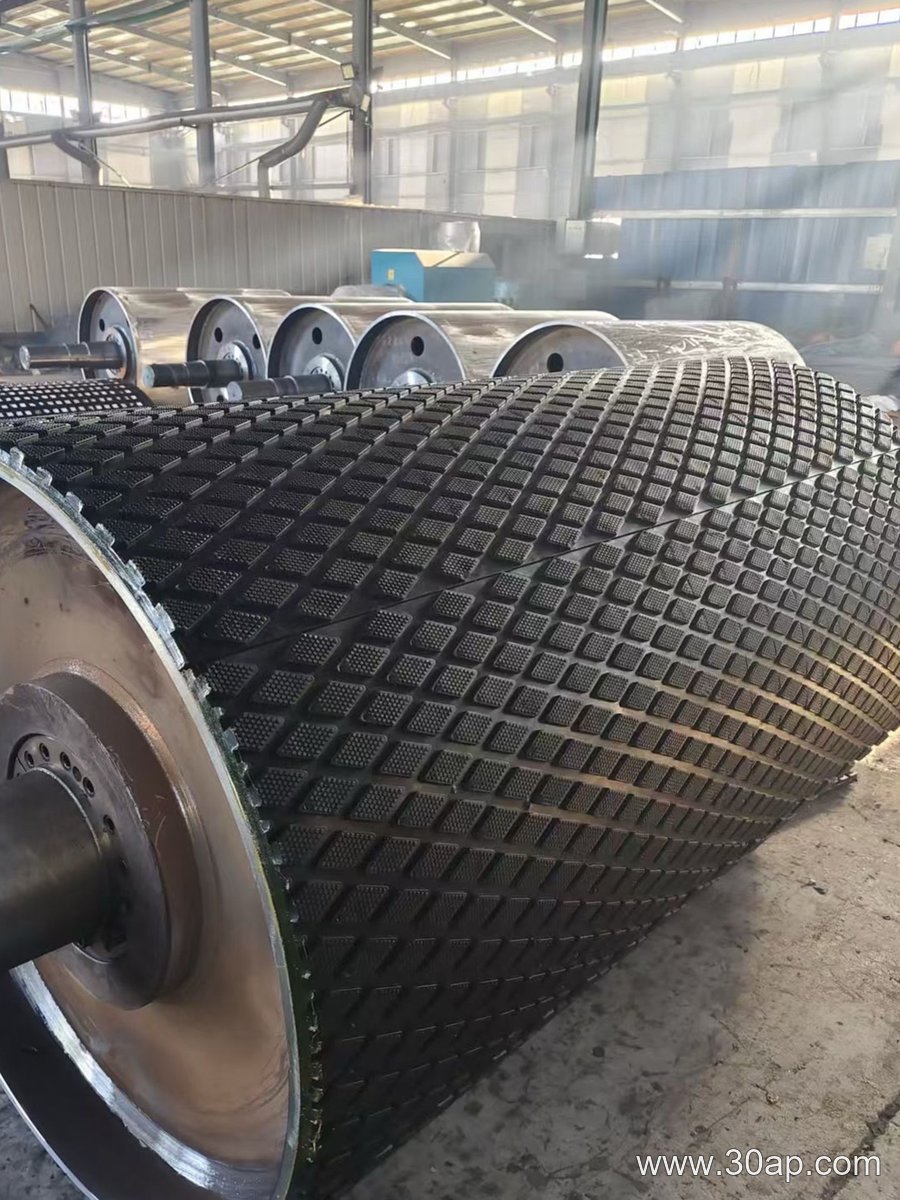
In a dusty quarry, a conveyor pulley on an inclined haul route must fit a shaft diameter fixed by existing bearing housings. That dimensional constraint forces a choice between a larger shell or thicker lagging to handle abrasive grit.
Why One Constraint Changes the Whole Pulley
Assume a hypothetical 500 mm shaft, 800 mm face width, and 1,000 mm pulley diameter. A larger pulley reduces belt stress but increases torque and may not fit. A smaller pulley with ceramic lagging grips better but wears faster if the shell is thin.
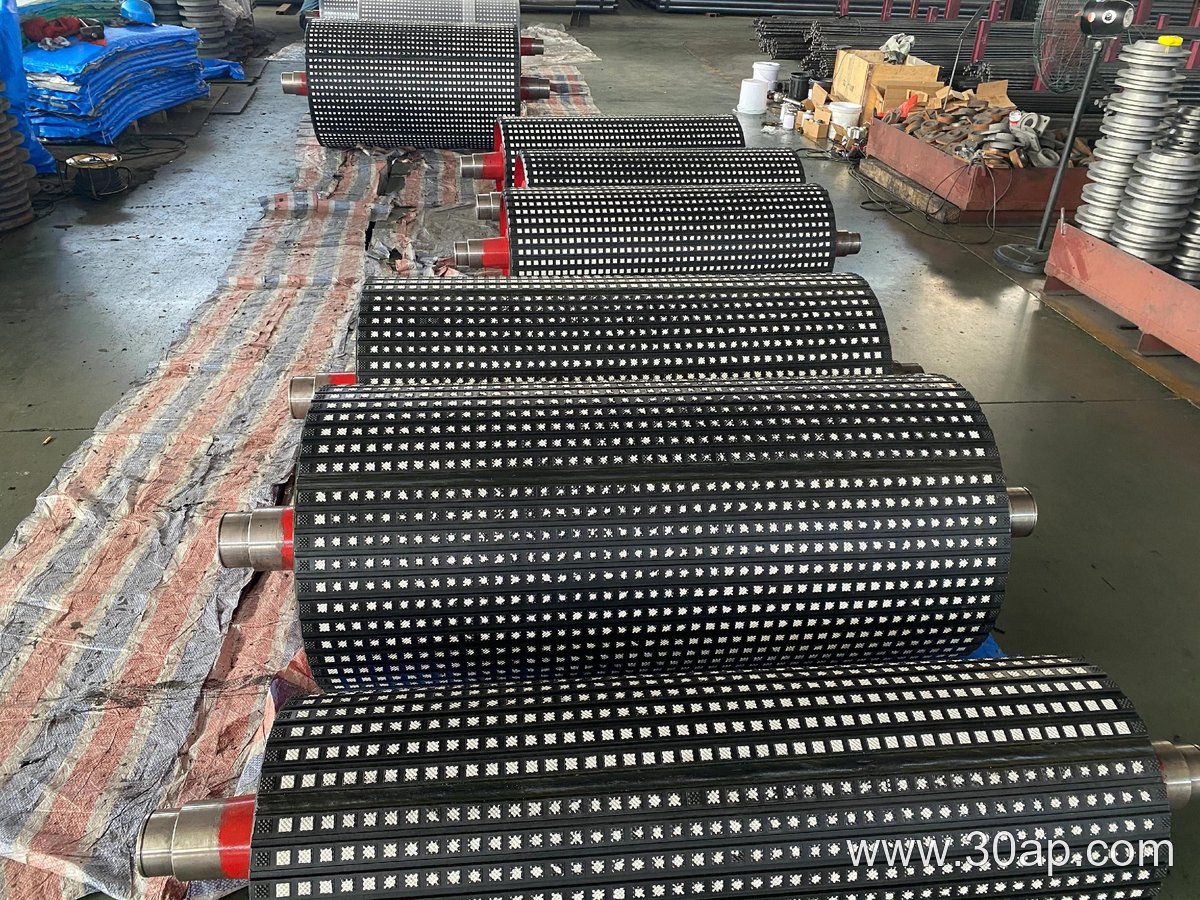
- Check shell thickness against the required radial load.
- Verify lagging thickness does not exceed the housing clearance.
- Confirm the shaft diameter matches the bearing bore without adapters.
What to Specify First
Start with the shaft diameter as the non-negotiable constraint, then size the pulley diameter to keep belt tension within the drive’s capability. Use ceramic lagging only if the abrasive dust would strip rubber. Mark all project values as hypothetical and confirm with the pulley supplier.
Which conveyor bracket features matter most for a port terminal handling wet phosphate rock?
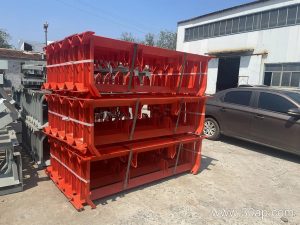
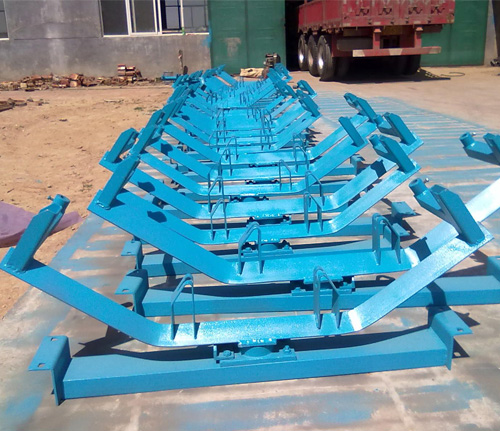
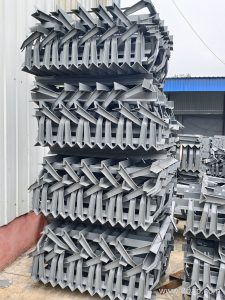
Picture a hypothetical bulk-material port terminal moving wet phosphate rock at 1,200 t/h through an outdoor conveyor. The bracket must hold idler rolls in alignment while salt spray, abrasive slurry and vibration attack every joint. The key dimensional constraint: the supporting stringer is only 200 mm wide, so the bracket base cannot exceed that footprint without overhang.
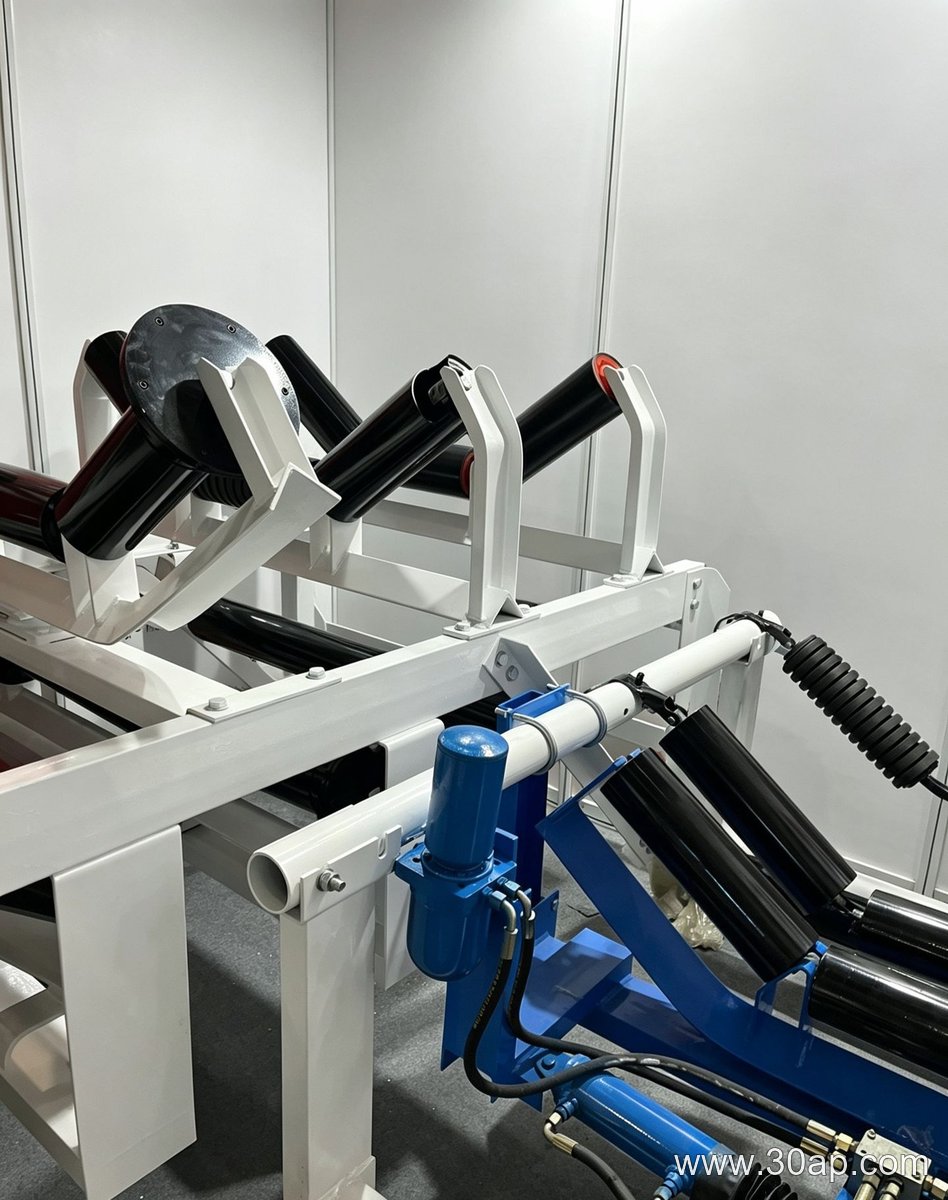
- Material thickness and grade for corrosion plus impact
- Base footprint and bolt-hole pattern for the 200 mm stringer
- Drainage and self-cleaning geometry
- Adjustability for idler alignment
A standard conveyor bracket with a 250 mm base will not fit. Selecting a narrow-footprint bracket in 316 stainless steel with slotted holes solves the space constraint while allowing field alignment. Confirm weld quality and coating compatibility with wet phosphate before ordering.
Rubber or PVC Conveyor Belt for a General Manufacturing Line
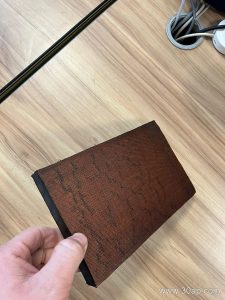
On a general manufacturing line, rubber and PVC conveyor belts differ in durability, grip, and cost. Rubber handles heavier loads, heat, and oily parts but costs more. PVC resists moisture and chemicals, is lighter, and costs less, yet wears faster under sharp edges. Choose by duty, not price alone.
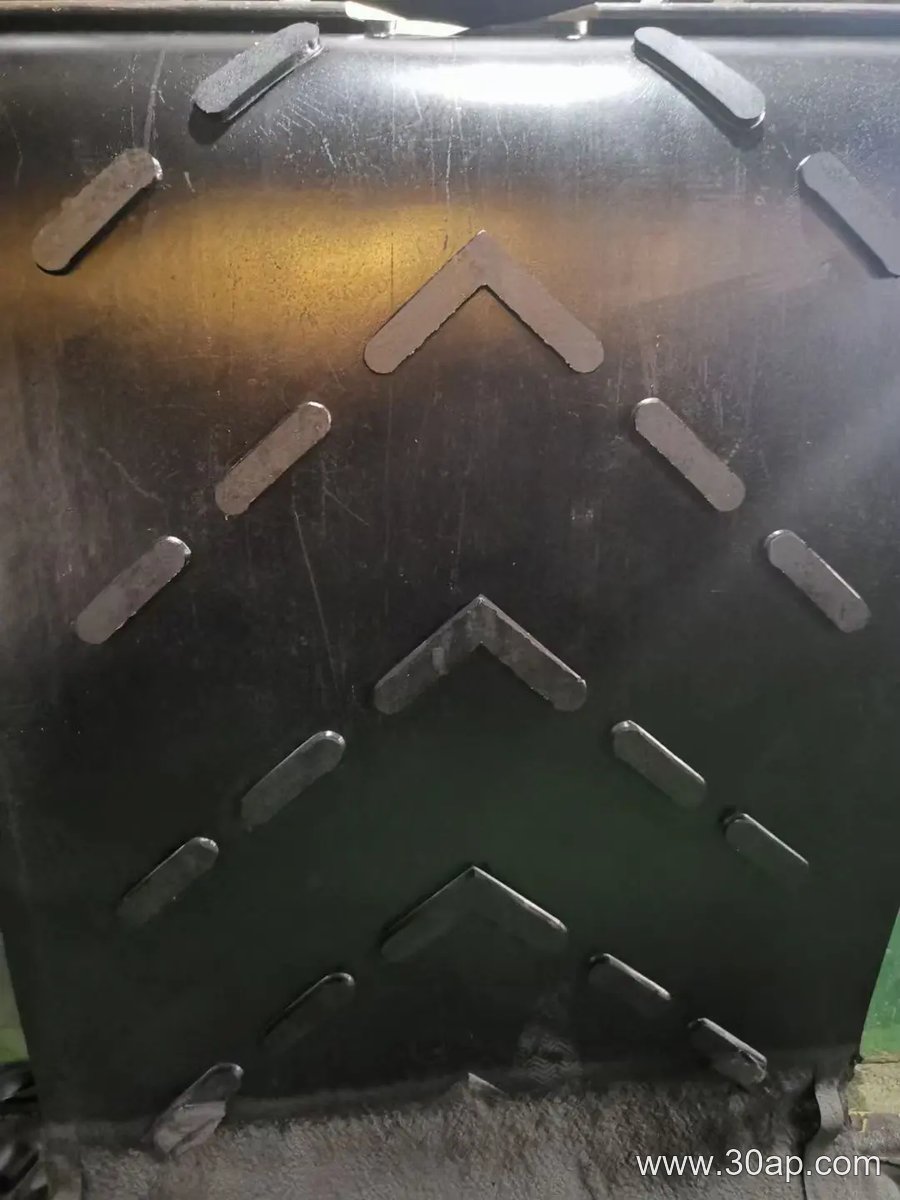
Application Fit
- Rubber conveyor belt: ideal for heavy, hot, or oily loads.
- PVC conveyor belt: better for wet, clean, or light-duty lines.
Purchasing Cost Trade-off
Rubber’s higher upfront cost can be justified by longer life in harsh conditions. PVC saves money initially but may need earlier replacement. Match material to actual load and environment.
FAQ
Can I use PVC on a heavy line? No, it may stretch or tear. Is rubber always better? No, PVC wins in wet or chemical exposure.
Preparing the idler roller and frame before mounting
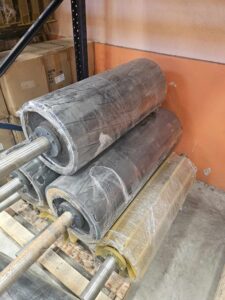
Before an idler roller is lifted into a mineral-processing conveyor frame, confirm the roller’s face length, shaft diameter, and bearing housing type match the frame. Check the shaft ends and housing seats for nicks. Clean dust from the mounting slots, because grit under a housing can tilt the roller and load one bearing.
Mounting and alignment checks
Set the idler roller into its brackets without forcing the shaft. Tighten clamping bolts evenly, then check that the roller axis is square to the belt centerline. A useful field check is to measure from a fixed frame reference to each end of the roller shaft; unequal readings indicate skew. Also verify the roller is level across the belt and that troughed stations form a smooth transition.
Commissioning after installation
Run the empty belt briefly. Watch for belt wander, roller wobble, or rubbing on brackets. Listen for bearing noise, then stop and feel housing temperature. If the belt tracks poorly, adjust the frame or adjacent training idlers rather than hammering the idler roller. Recheck bolt torque after the first hours of loaded operation.
- Confirm free rotation by hand before start-up.
- Check seal area for dust ingress after the first shift.
- Record any abnormal vibration for follow-up.