What the Copper Ore Conveyor Belt Does in a Bulk Handling Line
A copper ore conveyor belt is the load-carrying element in a continuous haulage system that moves crushed or run-of-mine copper ore from the primary crusher, stockpile, or transfer point toward the concentrator, grinding circuit, or loadout station. Because copper ore is dense, abrasive, and often delivered in large lump sizes, the belt must resist cutting, impact, and edge wear while keeping a stable tracking path over the idler roller sets and conveyor pulley assemblies. In a typical copper mine, the same belt family may also appear in the overland conveyor, the coarse ore stockpile feed, and the reclaim tunnel, depending on the duty and the environment.
Construction of the Belt and the Role of Carcass and Cover
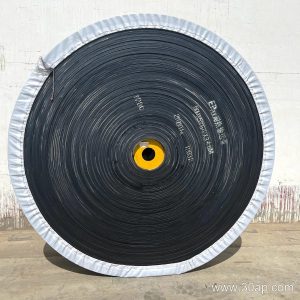
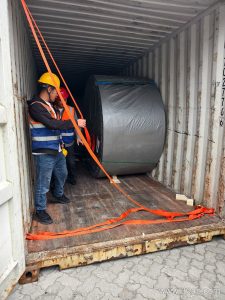
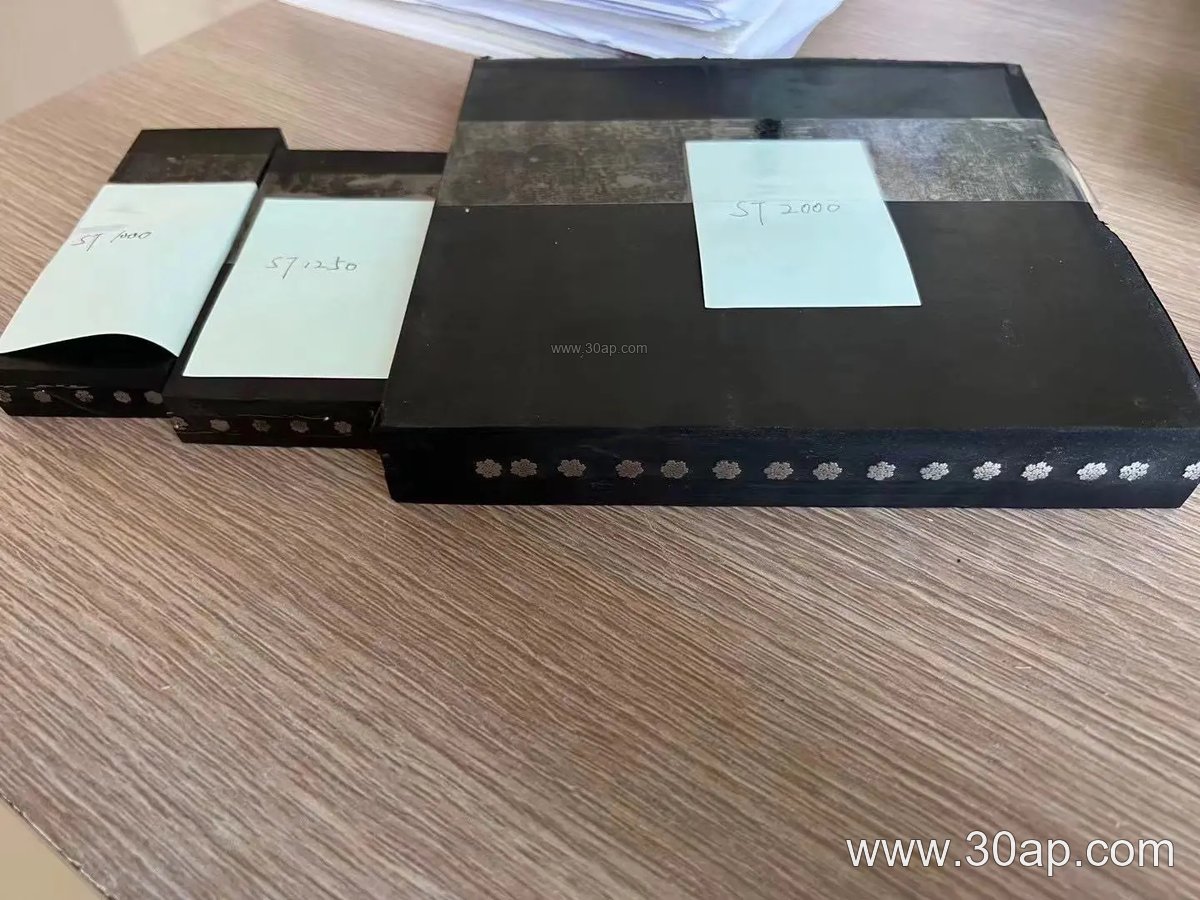
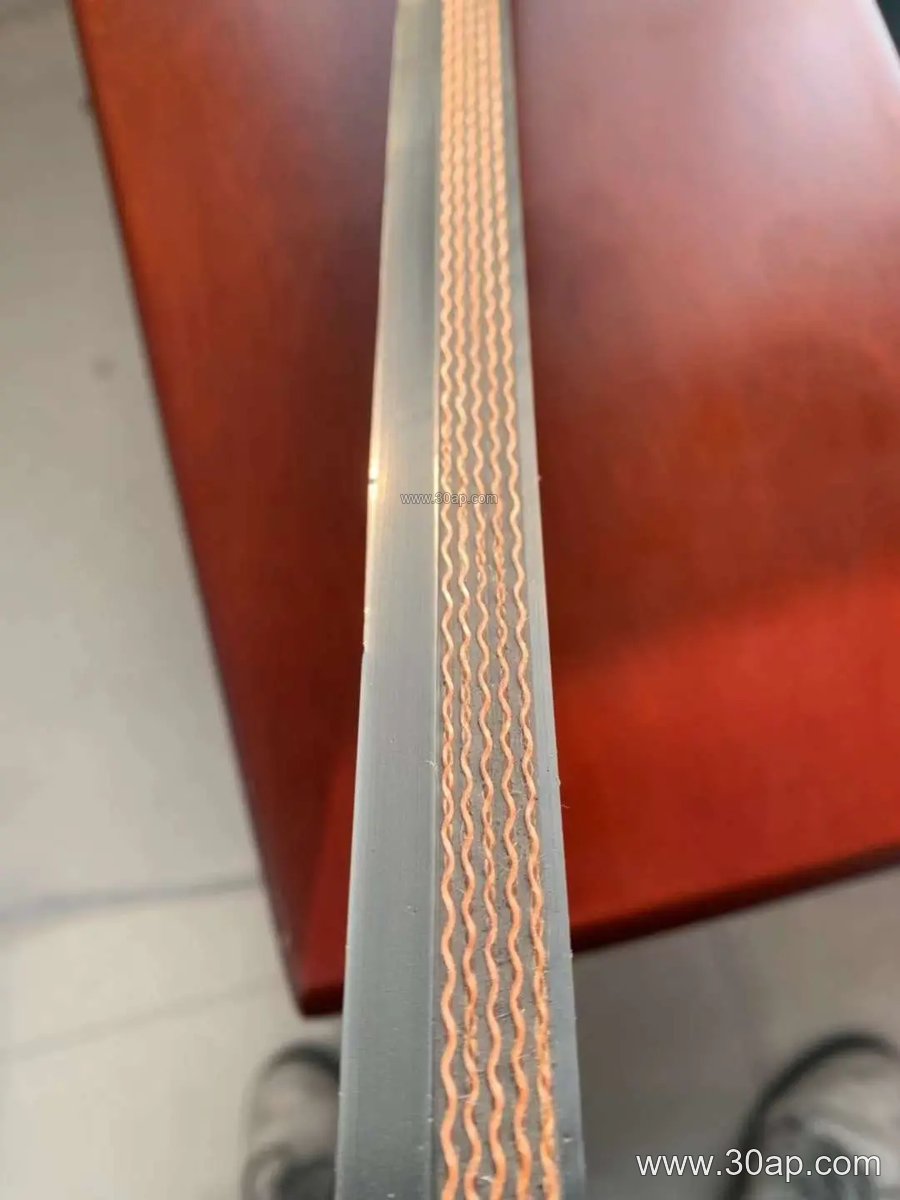
The belt is built around a tension-bearing carcass and a rubber cover. For copper ore duty, common carcass options include EP fabric, NN nylon, and steel cord constructions. The carcass decides the tensile strength and the elongation behaviour, while the cover protects the carcass from abrasion, impact, and moisture. Cover grades are often selected for wear resistance; heat, oil, and flame resistance are chosen only when the process demands them. The belt edge and the splice area receive special attention because ore transfer points and skirtboards tend to attack the edges.
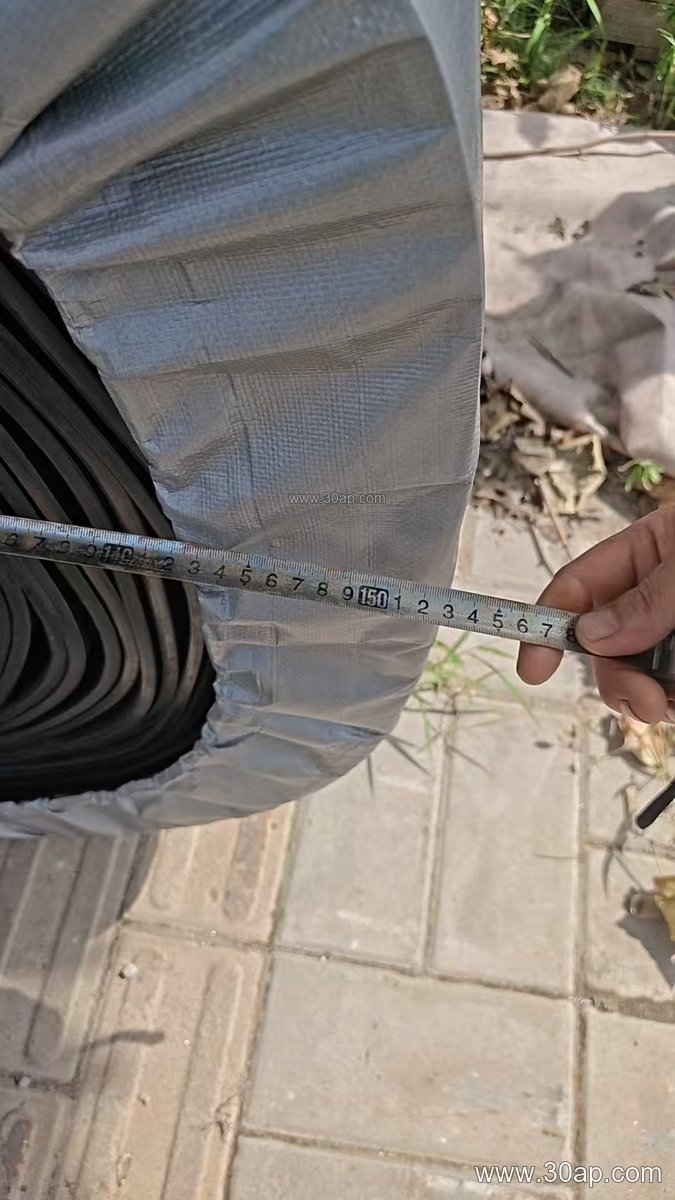
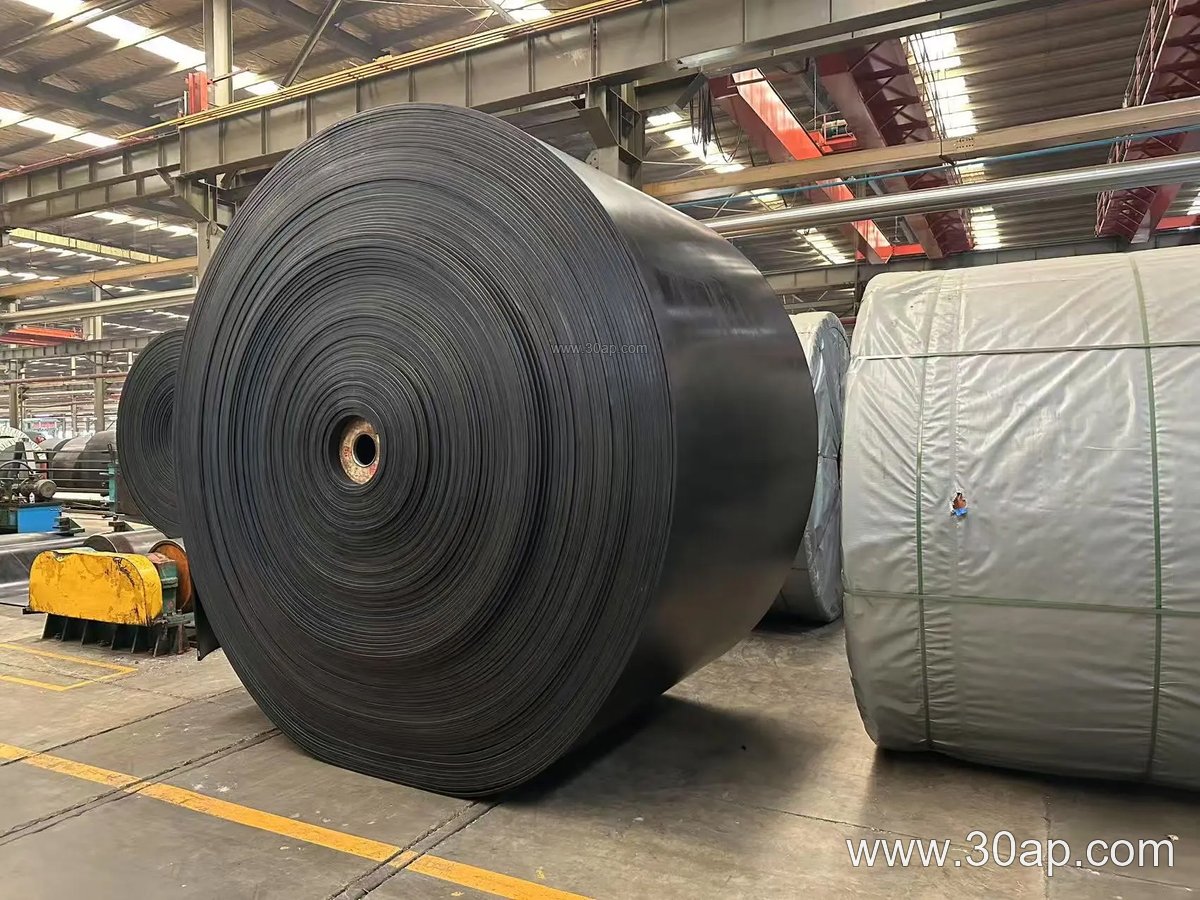
Common Belt Specifications Used as Reference
The following values are typical reference data, not fixed universal requirements. Final selection depends on the conveyor design, the ore size distribution, the tonnage, and the pulley layout.
| Item | Typical reference values |
|---|---|
| Belt type | EP, NN nylon, steel cord, PVC, PVG, patterned or chevron for inclined sections |
| Tensile strength | EP200, EP315, EP400, EP500, EP630, EP800, EP1000, EP1250, EP1600, EP2000 |
| Belt width | B500, B650, B800, B1000, B1200, B1400, B1600, B1800, B2000 |
| Cover thickness | 3+1.5 mm, 4+2 mm, 5+2 mm, 6+2 mm, 8+3 mm |
| Carcass layers | commonly 2 to 6 plies for fabric belts |
These figures are often matched to the duty rather than chosen in isolation. For example, a wider belt does not automatically require a larger pulley diameter, and a belt width alone does not define a shaft diameter. Those decisions belong to the conveyor designer and the pulley supplier.
Where Copper Ore Conveyor Belts Are Used
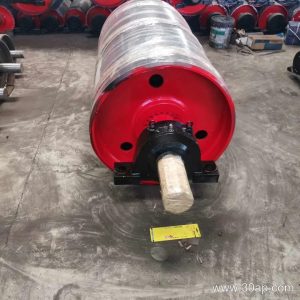
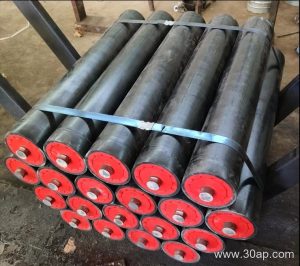
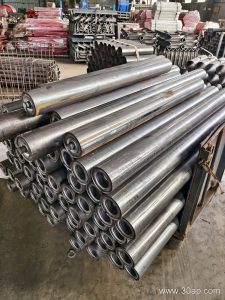
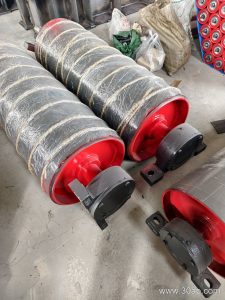
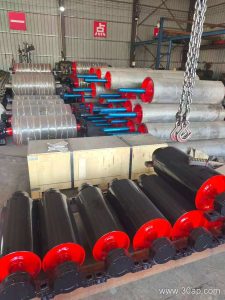
Copper ore handling is found in mine sites, crushing plants, concentrators, and port or rail loadout facilities. Related industries such as coal mines, cement plants, power stations, and sand and gravel yards use similar belt constructions for comparable bulk materials. In a copper concentrator, the belt may feed a SAG mill or a cone crusher, and it often works together with conveyor idler rollers, conveyor pulleys, and conveyor brackets to keep the line aligned and supported. The drive pulley, tail pulley, and bend pulley each have a distinct function; they are not interchangeable, and each is selected for its own load and wrap angle.
Selection Points for Buyers
- Match the carcass strength to the calculated maximum belt tension, with a suitable service factor.
- Choose the cover grade and thickness according to lump size, drop height, and abrasion level.
- Confirm the belt width against the required capacity and the specified loading condition.
- Review the pulley and idler arrangement so the belt can track correctly under load.
- Consider flame resistance or antistatic properties only where the site requires them.
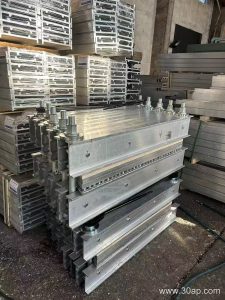
- Plan the splice method and the maintenance window before the belt is ordered.
Maintenance and Wear Notes
Copper ore is heavy and sharp, so the loading point, skirt rubber, and impact idlers deserve regular inspection. A misaligned belt can damage the edge quickly, and a worn cover can expose the carcass to moisture and corrosion. Checking the conveyor pulley lagging, the idler roller rotation, and the conveyor bracket condition helps prevent premature belt failure. Keeping the belt clean and the transfer chute well designed reduces spillage and extends service life.
For any copper ore conveyor belt project, the practical approach is to treat the belt, the idlers, the pulleys, and the brackets as one system. A belt that suits one copper mine may not suit another, even when the ore looks similar. Review the actual duty, the climate, and the maintenance practice before confirming the specification.