What a Carrying Idler Does on a Conveyor
A conveyor belt carrying idler is the rotating roller that supports the loaded side of the belt. It sits under the belt and carries the weight of the material, keeping the belt in a stable trough shape as it moves. This component is sometimes called a troughing idler or upper idler, and those names refer to the same product. It is not a drive pulley, a tail pulley, or a bend pulley. Those pulleys transmit power or change belt direction, while a carrying idler only supports and guides the belt.
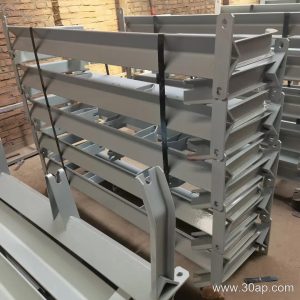
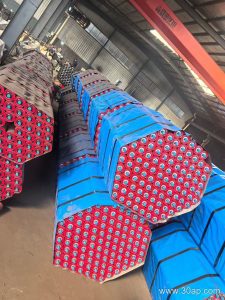
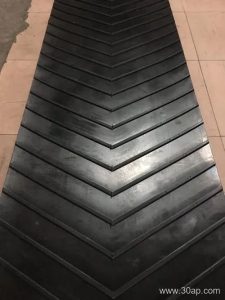
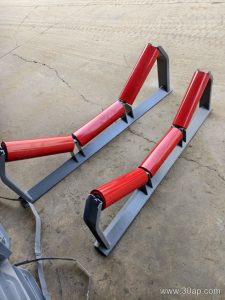
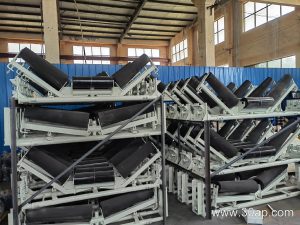
The carrying idler works together with the conveyor belt, the conveyor pulley at each end, and the conveyor bracket that holds the assembly. The idler roller itself turns freely on its bearings, so the belt can slide over it with low resistance. In a typical three-roll troughing set, the center roll is horizontal and the two side rolls are angled to form a trough. This arrangement helps contain bulk material and reduces spillage.
Construction and Common Forms
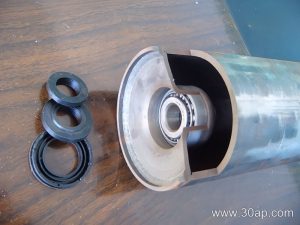
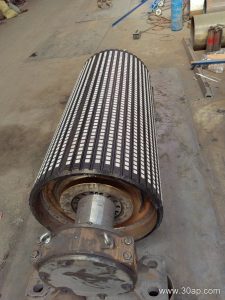
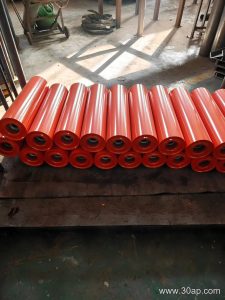
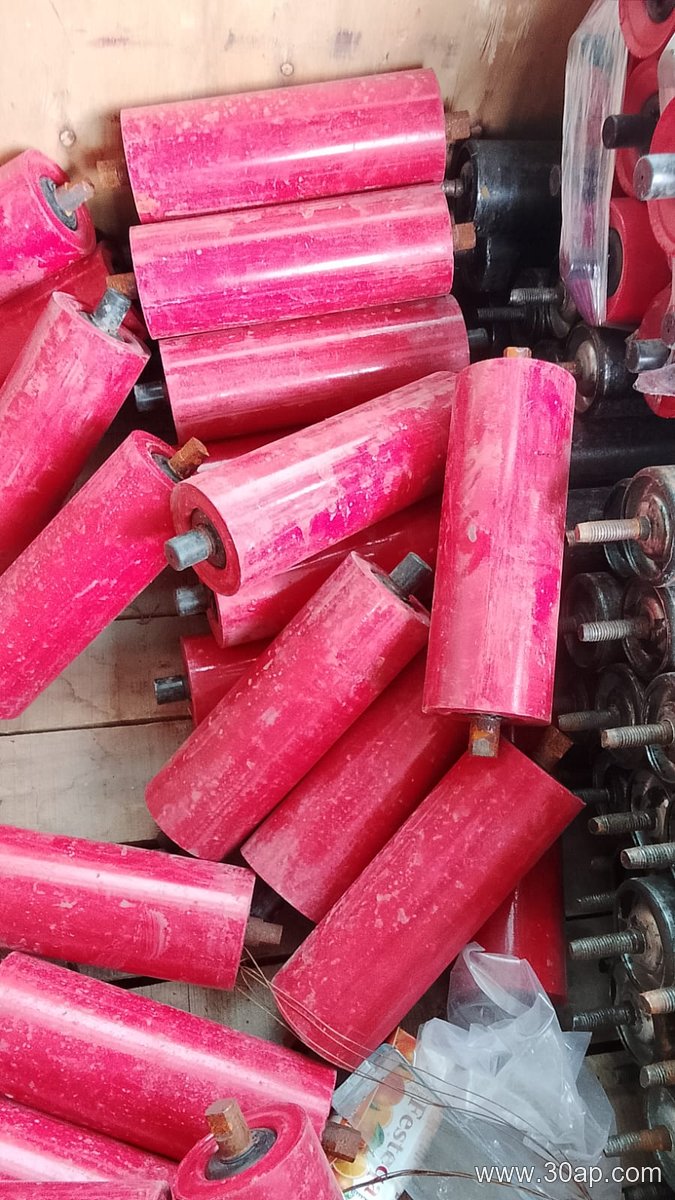
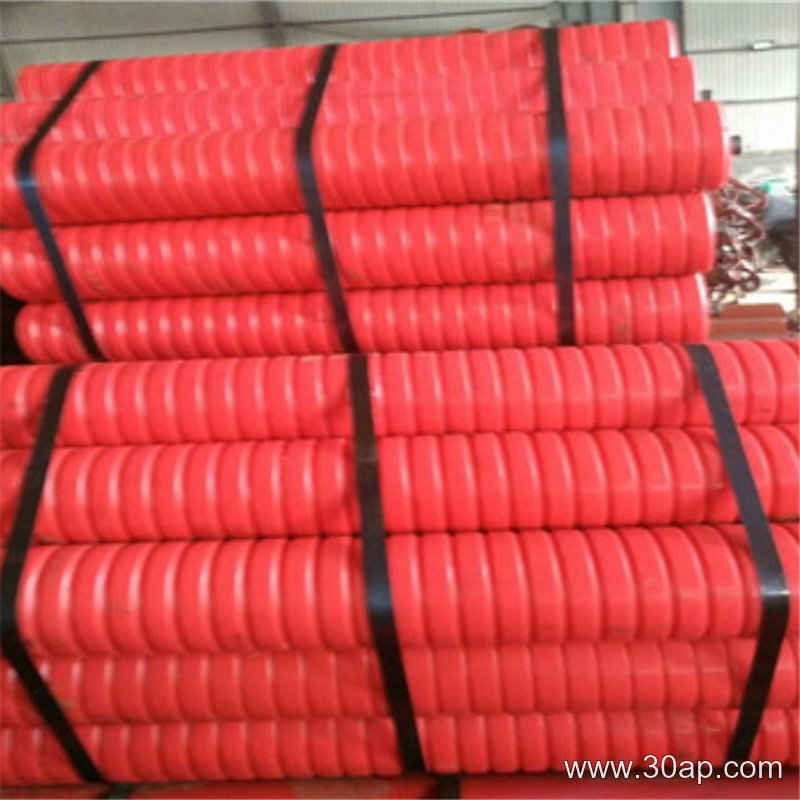
A carrying idler is usually built from a steel tube shell, a shaft, bearing housings, and seals. The shell can be plain steel, nylon, ceramic, or rubber-covered, depending on the application. Rubber rings are often added for impact zones, while ceramic or nylon surfaces may be chosen where abrasion or material build-up is a concern. Bearings such as 6204, 6205, 6305, 6306, 6308, or 6310 are common, but the bearing size should match the roller diameter and load rating, not simply the belt width.
Troughing angles are commonly 20, 30, 35, or 45 degrees. A three-roll set is the most common form for carrying idlers, though two-roll and single-roll designs exist for special belt widths and material loads. For light belts, a single flat roll may be enough. For wider belts and heavy ore, a three-roll troughing set is typical.
Where Carrying Idlers Are Used
These idlers appear in many bulk handling locations. In a quarry or sand and gravel line, they support crushed stone on the main belt. In a coal washing plant or power station coal yard, they carry coal through transfer points and stockyard conveyors. They are also found in cement plants, steel mills, and port loading systems. The exact style depends on the material, the belt speed, and the environment.
In a crushing and screening circuit, a carrying idler must handle lumps and fines without letting the belt sag. In a fertilizer or grain facility, the same idler may need a smooth surface to avoid material sticking. The application decides whether a standard steel roller is enough or whether a rubber-disc impact idler is a better fit.
How to Read Sizes and Match Components
Roller diameter and belt width are related but not fixed to each other. A carrying idler can be supplied in diameters such as 63, 76, 89, 102, 108, 127, 133, 159, 178, 194, or 219 mm. Belt widths commonly range from B400 to B2400. The roller length changes with belt width, trough angle, and roll arrangement. For example, a three-roll troughing set may use a center roll of about 200 mm for B500, 315 mm for B800, 465 mm for B1200, and 600 mm for B1600. These are common examples, not universal rules, and side rolls can differ from the center roll.
When selecting a carrying idler, consider the material weight, belt speed, and loading conditions. A heavier load may call for a larger shaft and bearing. A wider belt may need a longer roller or a different trough angle. The conveyor bracket must also match the idler frame and the pulley arrangement. A common mistake is to assume one belt width can only use one pulley diameter or one shaft size. In practice, the design engineer balances belt tension, load, and space.
Buyer Checklist
- Confirm the belt width, trough angle, and number of rolls in the set.
- Check the roller diameter and shaft size against the load and speed.
- Choose the shell material and surface form for the material being carried.
- Verify the bearing type and sealing method for dust or moisture.
- Match the idler frame to the conveyor bracket and the pulley positions.
- Ask for the roller length of each roll, not just the overall set width.
A carrying idler is a simple part, but its fit affects belt life, energy use, and spillage. Taking time to match the roller to the conveyor pays off in smoother operation and fewer stoppages.